



Slaughterhouse Cold Room
Table of Contents
- Why Are Cold Rooms Critical in a Slaughterhouse?
- Which Cold Rooms Does a Slaughterhouse Have?
- Temperature, Air Speed and Humidity in Carcass Chilling
- Rail System, Floor and Washability
- Planning Doors and Passages
Why Are Cold Rooms Critical in a Slaughterhouse?
In a slaughterhouse, the cold chain starts right after slaughter. Carcasses are at body temperature and must be chilled quickly to limit the growth of microorganisms on their surface. Slaughterhouse cold rooms are where this chilling is carried out under control and where meat is held safely until dispatch.
Good cold room design affects not only food safety but also the plant’s yield. Carcasses lose moisture from their surface during chilling; poorly set air speed, humidity and temperature increase this loss and reduce the amount of saleable meat.
A slaughterhouse cold room should therefore be planned not as a single store, but as a system of successive temperature zones from slaughter to dispatch.
Which Cold Rooms Does a Slaughterhouse Have?
In a typical slaughterhouse, the first stop is the carcass chilling (pre-cooling) room. Carcasses leaving the slaughter line are moved into this room and their core temperature is brought down to the target value. The room is designed with enough refrigeration capacity to handle a high heat load in a short time.
Chilled carcasses are moved to holding rooms, where they are kept at a constant temperature until cutting or dispatch. Offal has different chilling and hygiene requirements from carcasses and is usually kept in a separate offal room.
Plants that carry out cutting also have cold rooms for cut and packed meat, and where long-term storage is needed, a blast freezer and frozen store. The number and size of these rooms depend on daily slaughter capacity.
Temperature, Air Speed and Humidity in Carcass Chilling
Food hygiene legislation requires carcasses and offal to be brought down to set core temperatures after slaughter. In EU legislation, for example, the limit is 7°C for carcasses and 3°C for offal. The current legislation and veterinary requirements that apply to your plant should always be confirmed at the design stage.
Fast chilling is microbiologically beneficial but not enough on its own. Air speed and relative humidity in the room should be balanced to limit excessive surface drying and weight loss. With beef carcasses in particular, chilling too hard before the muscle has set can toughen the meat (cold shortening).
Hanging carcasses on the rails with enough space between them so they do not touch lets cold air circulate around each one. Loading a room beyond its capacity delays chilling and causes temperature differences within the room.

Rail System, Floor and Washability
In slaughterhouse cold rooms, carcasses are moved and held on a ceiling-mounted overhead rail system. Rail load capacity, room height and a hanging height that keeps carcasses off the floor should be determined together at the design stage.
Slaughterhouse rooms are washed often and thoroughly. The floor should therefore slope so that water reaches the drains without pooling, and panel joints and floor-to-wall corners should be sealed so that water and dirt cannot get in.
Wall and ceiling surfaces should be made of materials that withstand high-pressure washing and the cleaning chemicals used. Points where rail hangers pass through the panels should also be detailed carefully for insulation and hygiene.
Planning Doors and Passages
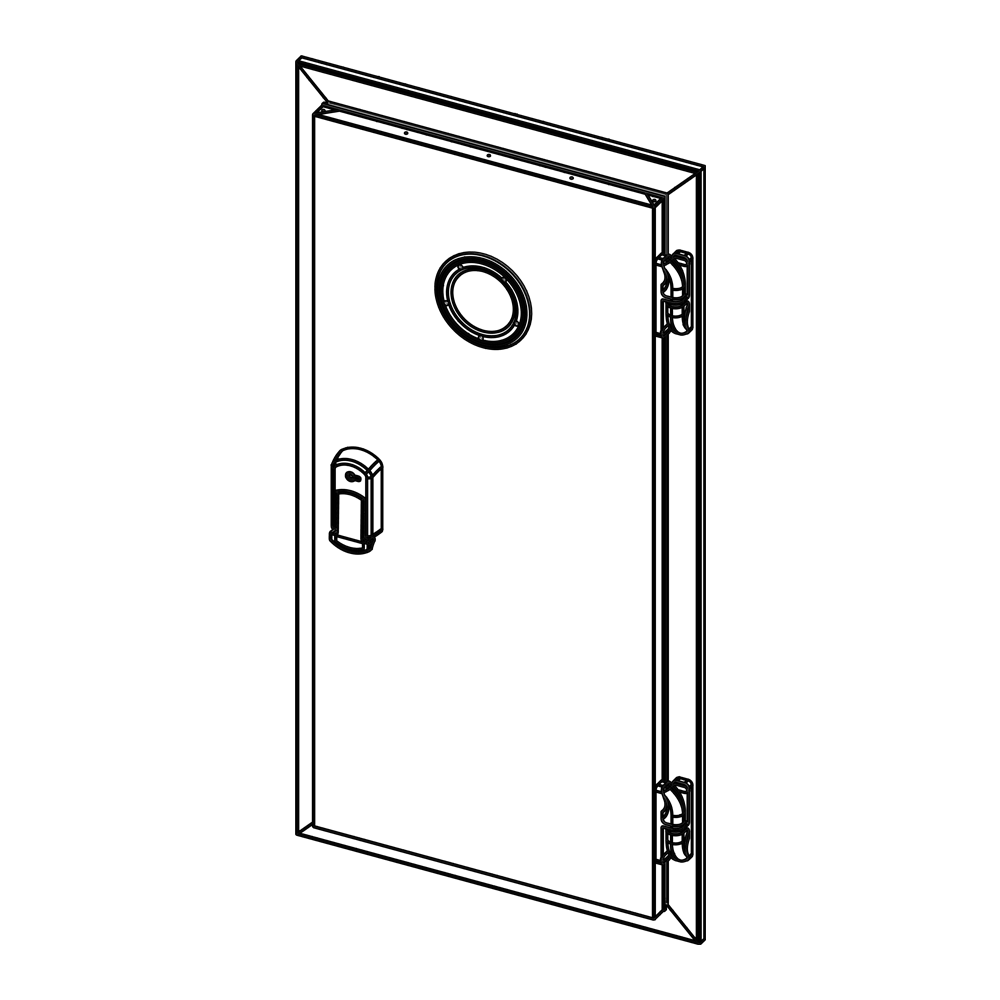
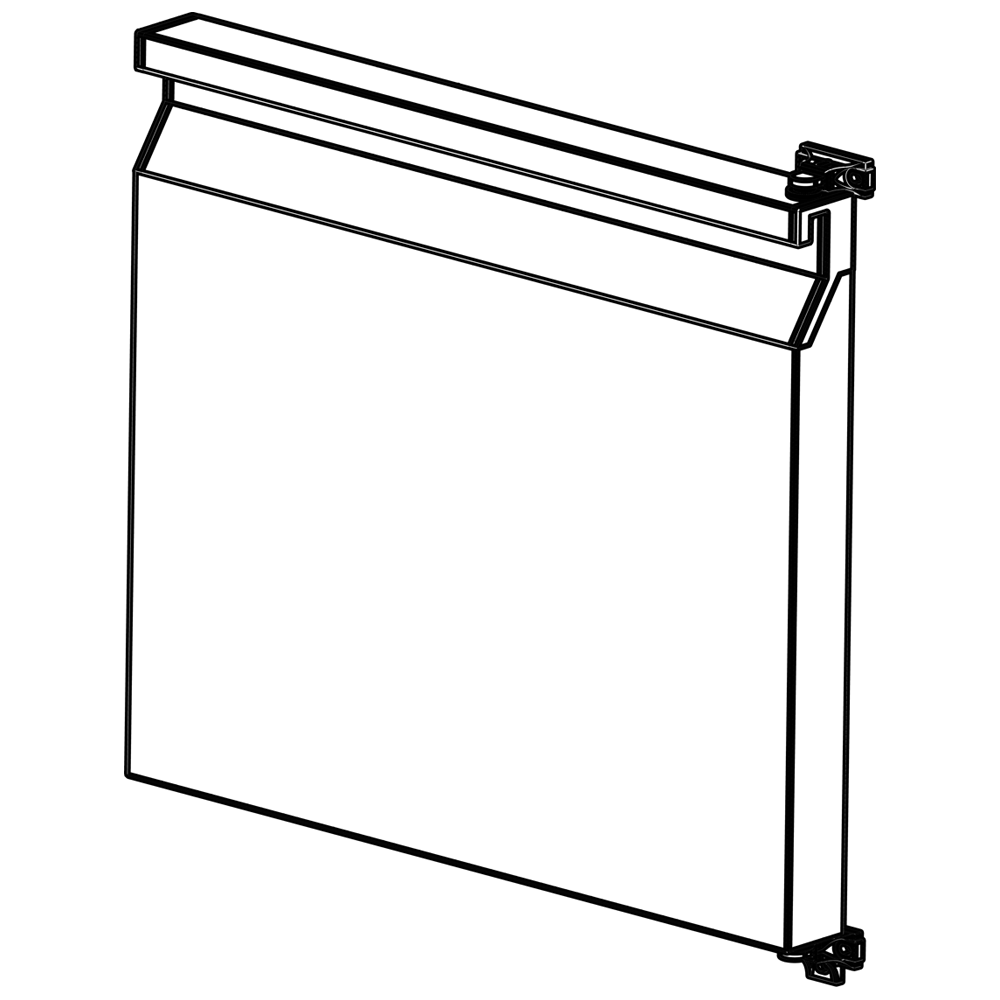
If the rail system runs from one room to another, the door must suit this passage. On rail passages, an opening is left at the top of the door for the rail, and this opening must also be sealed when the door is closed.
Sliding doors are usually preferred where carcass traffic is heavy, and PVC strip curtains can be used to reduce cold loss while the door is open. Choosing slaughterhouse doors in detail is covered in a separate article.
Because cold rooms, doors and the rail system are interlinked, the best results come from planning them together. For doors, panels and accessories for your slaughterhouse cold rooms, you can get information from the Imamoğlu team.