



Slaughterhouse Cold Room Door
Table of Contents
- What Should a Slaughterhouse Cold Room Door Provide?
- Door Solutions for Rail Passages
- Leaf Construction: Stainless Surface and Insulated Core
- Door Details for Washing and Hygiene
- Safety and Long Service Life
What Should a Slaughterhouse Cold Room Door Provide?
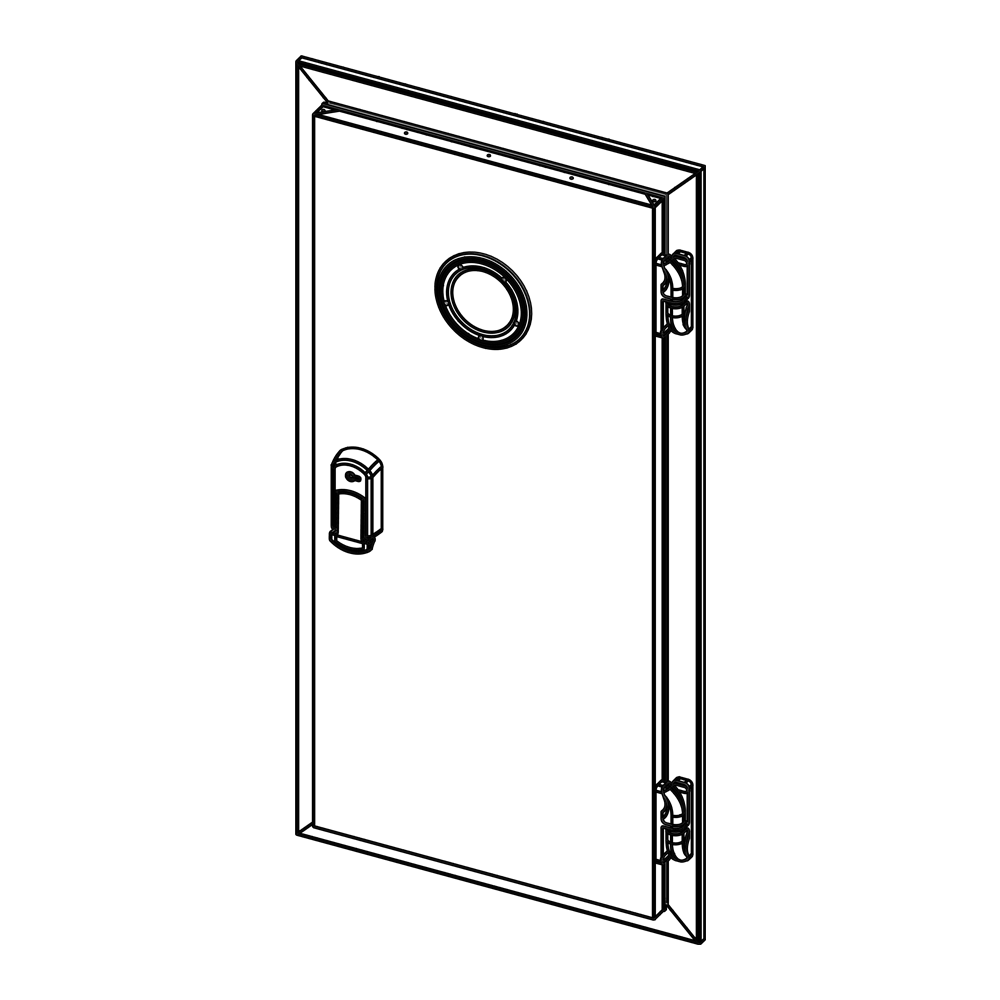
A slaughterhouse cold room door is used at the entrances of carcass chilling, holding and offal rooms and must be chosen for the heavy, wet working conditions of a slaughterhouse. Unlike doors in other food stores, these doors must suit carcasses carried on rails, frequent heavy washing and constant knocks.
The first requirement is sealing. In carcass chilling rooms, where a high heat load must be removed quickly, any cold air escaping through the door delays chilling and increases energy consumption.
The second is compatibility with the washing and cleaning routine. Gaps where dirt and water can collect harm both the hygiene and the service life of the door.
Door Solutions for Rail Passages
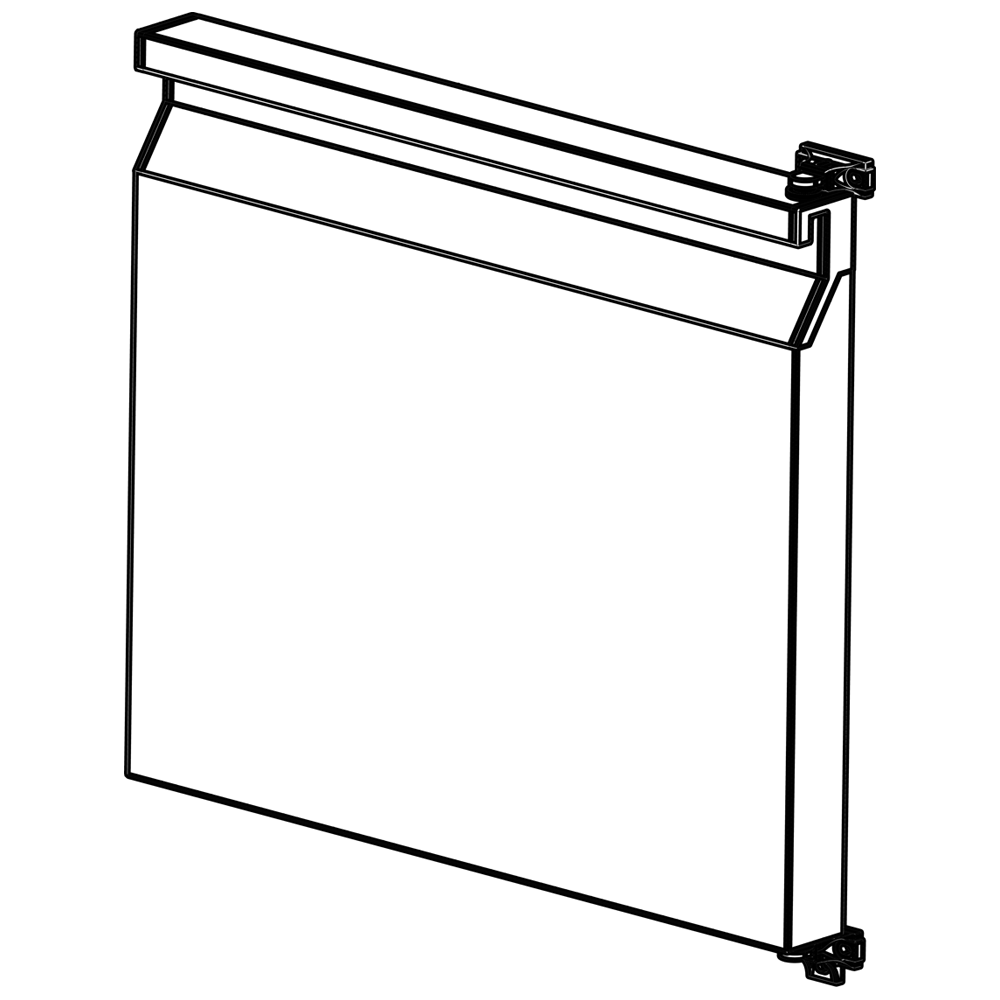
In slaughterhouses, carcasses are carried from room to room on ceiling-mounted overhead rails. Where a rail passes through a door, a rail passage opening is left at the top of the door. This opening must also be sealed when the door closes; otherwise there is a constant air leak at the top of the door.
Sliding doors are usually preferred where carcass traffic is heavy. Because the leaf moves sideways, it needs no swing area and can be fitted to wide openings without interrupting the rail line. For side passages used by staff, hinged doors are a practical solution.
Door height should be set according to the rail level and the height needed for the longest carcass to pass without touching the floor. Door width should allow the carcass and the person pushing it to pass comfortably.
Leaf Construction: Stainless Surface and Insulated Core
A cold room door leaf has two main components: the outer surface and the insulated core. Stainless steel and insulation are therefore not alternatives to each other; slaughterhouse doors usually combine a stainless steel surface with an insulating fill such as polyurethane.
A stainless steel surface is chosen for its resistance to moisture, blood, fat and cleaning chemicals in the slaughterhouse. The quality and thickness of the surface material determine how well the door withstands knocks and washing.
The thickness of the insulated core is chosen according to the room temperature. Rooms operating below zero need thicker insulation and a heated frame to stop the frame gasket from freezing.

Door Details for Washing and Hygiene
On slaughterhouse doors, leaf edges and joints should be sealed so that water and dirt cannot get in. Exposed screw heads, deep grooves and corners make cleaning harder and lead to dirt build-up over time.
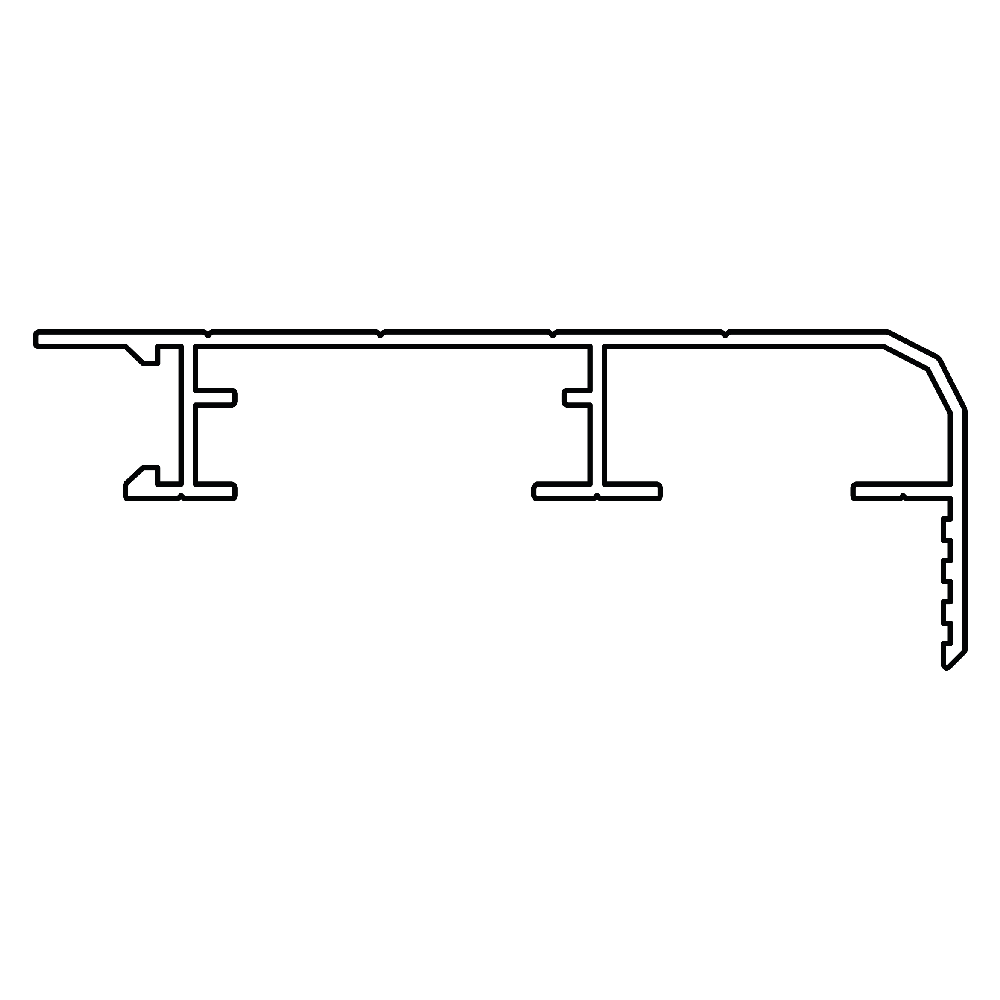
The bottom of the door is the area most exposed to wash water. A bottom profile that does not trap water and a well-detailed joint between door and floor are important.
Gaskets also come into contact with cleaning chemicals. Choosing gaskets resistant to the cleaning agents used, and cleaning and checking them regularly, keeps the seal effective for longer.
Safety and Long Service Life
Carcass trolleys and handling equipment frequently knock the door frame and leaf. Impact protectors on both sides of the door and protective plates on the lower part of the leaf prevent dents and gasket damage.
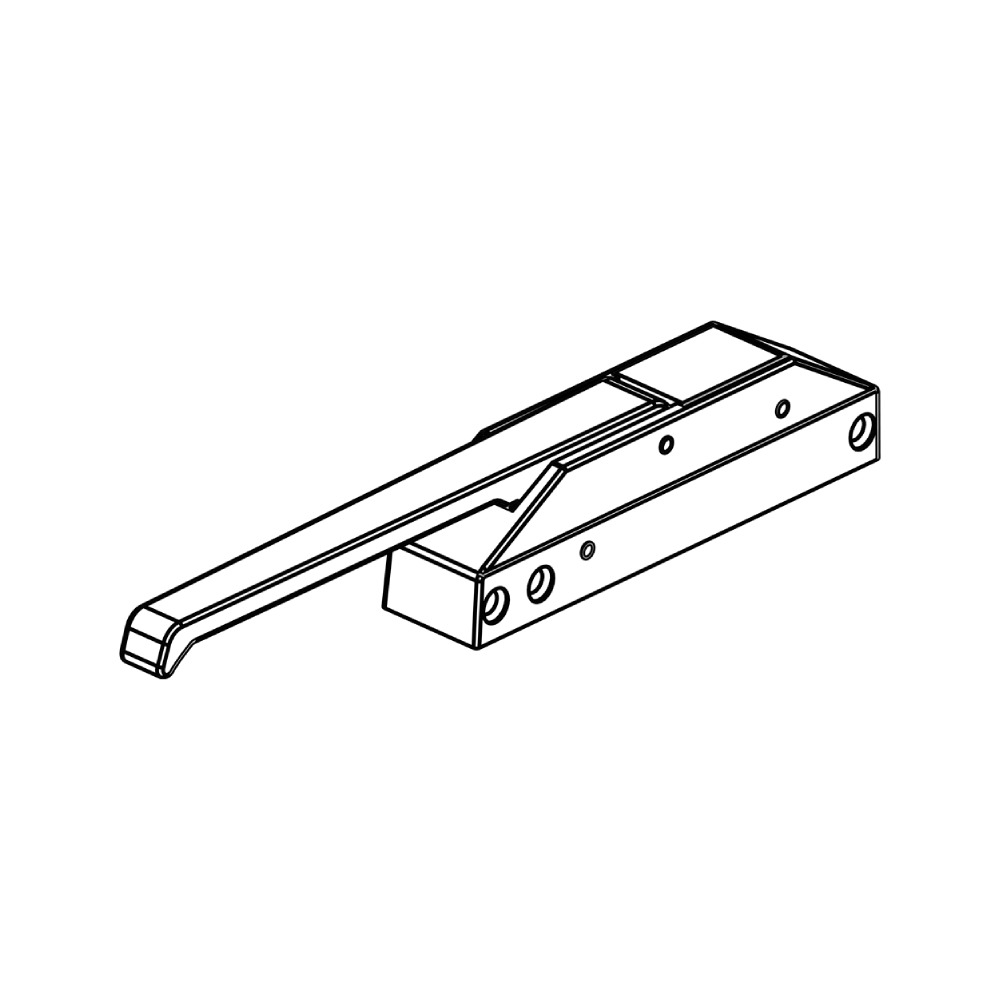
As with any cold room door, slaughterhouse doors must have an inside safety release, which should be tested regularly. On sliding doors, regular cleaning of the track and wheels keeps the leaf moving smoothly.
Overall planning of the slaughterhouse cold room system is covered in a separate article. For door and accessory options for your slaughterhouse cold rooms, you can get information from the Imamoğlu team.