



Sliding Cold Room Door
Table of Contents
- How Does a Sliding Cold Room Door Work?
- Side Wall Space and Size Planning
- Manual or Motorised?
- Sealing and Use in Freezer Rooms
- Track and Mechanism Maintenance
How Does a Sliding Cold Room Door Work?
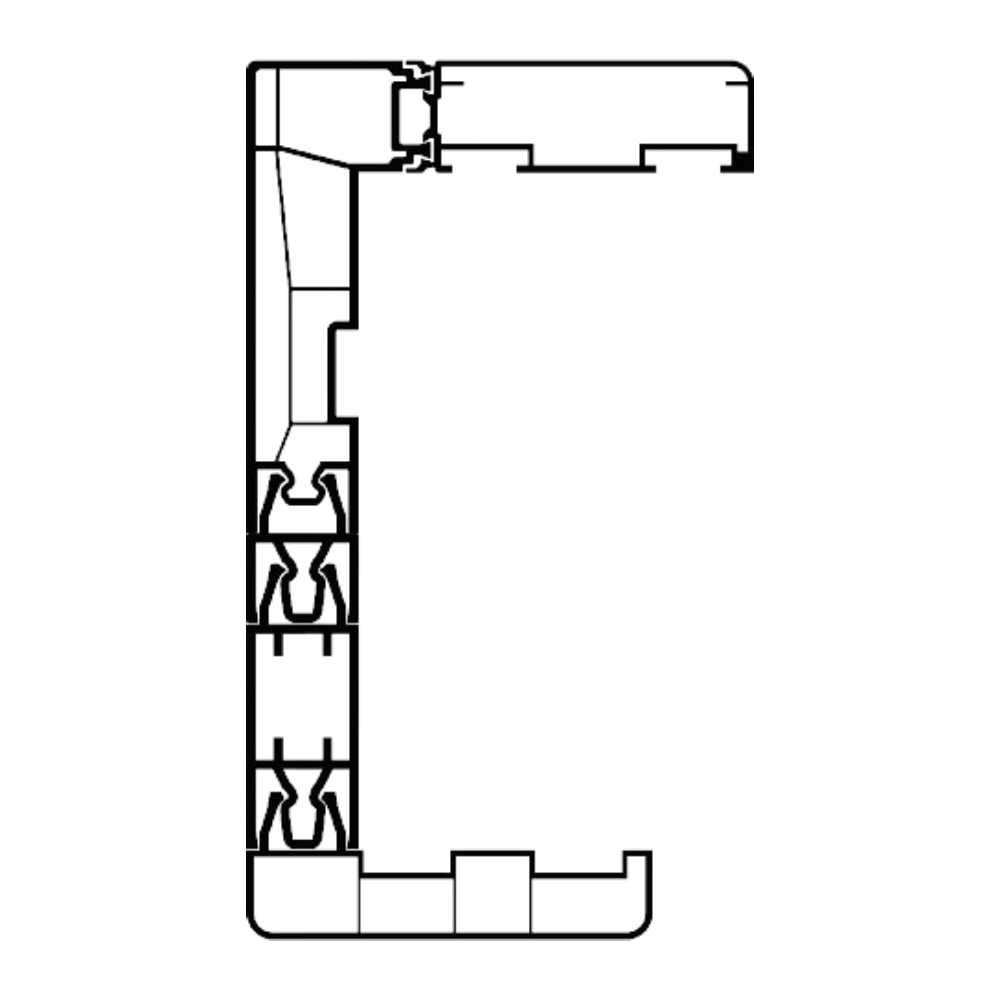
A sliding cold room door opens by moving sideways, parallel to the wall. The leaf hangs from wheeled carriages that run along a track fixed to the wall above the door opening, so the weight of the leaf is carried by the track and carriage system rather than by hinges.
As the door closes, the leaf does not just slide sideways: sloped sections in the track and guides on the frame bring it towards the wall in the final stage and press it against the frame gaskets. When opening, the leaf first moves away from the wall and then slides aside. This way the gaskets do not rub during opening and closing, and are only compressed when the door is closed.
At the bottom of the leaf, a floor guide prevents the leaf from swinging while it moves and from pushing outwards when closed.
Side Wall Space and Size Planning
When a sliding door opens, the leaf parks along the wall next to the opening. On the opening side there must therefore be clear wall space at least as wide as the leaf, free of sockets, panels, pipes, racks or other doors.
Enough height must be left above the opening for the track and its cover profile. Check during the site survey whether ceilings, beams or refrigeration pipes run through this area.
When sizing the door, start from the largest pallet, forklift or vehicle that will pass through and add a margin for manoeuvring. An opening wider than necessary loses more cold air every time it opens, while one that is too narrow leads to impacts on the leaf and frame.
Manual or Motorised?
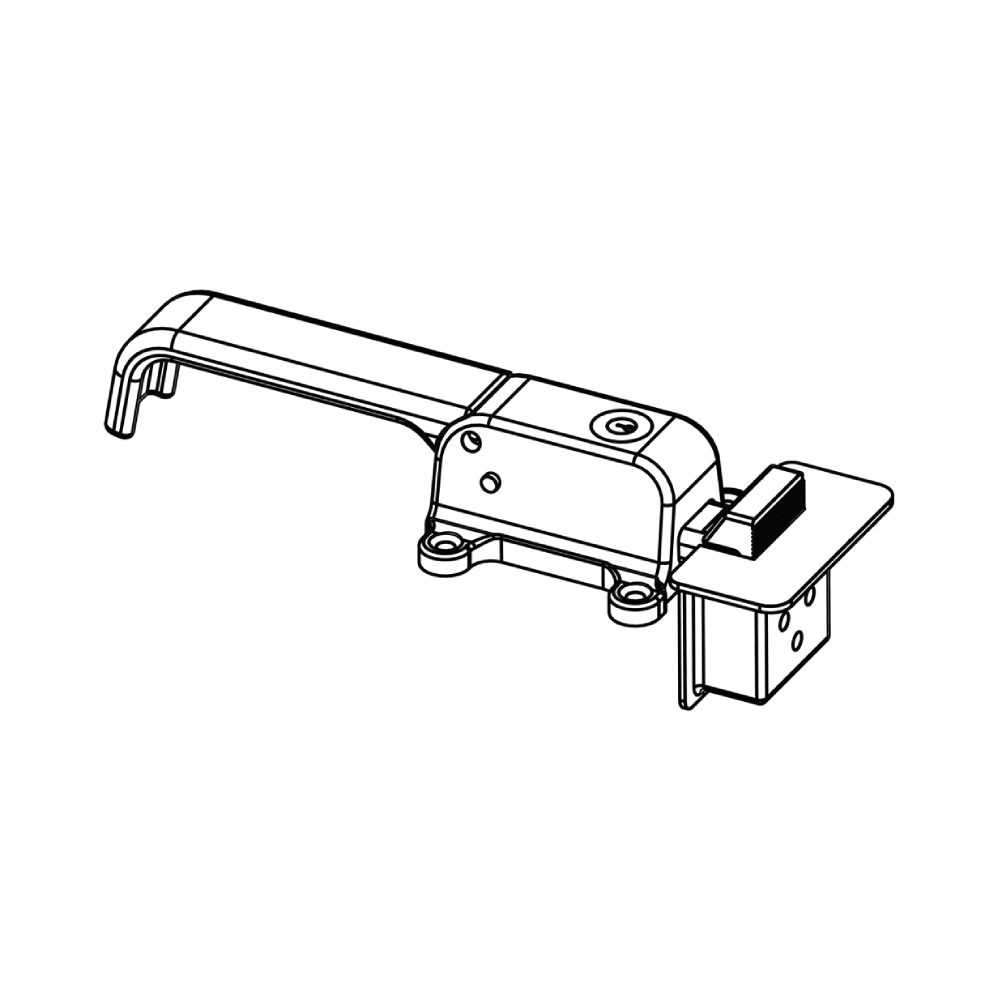
In rooms that are opened a limited number of times a day, mostly by staff, manual sliding doors are sufficient. The leaf is opened and closed by hand using the handle and needs no electrical connection.
In warehouses with heavy forklift and pallet truck traffic, motorised (automatic) sliding doors are more efficient. The door can be opened with a pull cord, push button, remote control or motion sensor and closes automatically after a set time, so it is not left open and cold air loss is reduced.
On motorised doors, safety devices such as photocells fitted across the door line stop the leaf if there is an obstacle while it is closing. The controls and safety equipment to be used should be decided at the design stage according to the traffic through the door.

Sealing and Use in Freezer Rooms
On sliding doors, sealing depends on the leaf seating against the frame with even pressure on all four sides when closed. If the track adjustment drifts, the leaf cannot come fully up to the frame on one edge, and leakage usually starts there.
In freezer rooms operating below zero, heating cables are built into the frame to stop the frame gasket from freezing. A threshold may be preferred at the bottom edge in these rooms, while in chilled rooms a threshold-free design is also possible depending on traffic.
If ice, condensation or light leakage is regularly seen around the door, the gaskets and track adjustment should be checked.
Track and Mechanism Maintenance
The part of a sliding door that needs the most attention is the track and carriage wheels. Dust and dirt on the track make the leaf hard to move and wear the wheels prematurely, so the track should be cleaned regularly.
Periodic checks should confirm that the carriage wheels turn freely, the floor guide is in place, the leaf stops gently against the end buffers and seats fully against the frame when closed. Torn or hardened gaskets should be replaced.
The inside safety release and, on motorised doors, the sensors and photocells should be tested regularly. For information on door sizes, control options and accessories, you can contact the Imamoğlu team.