



Single Leaf Bar Door
Table of Contents
- What Is a Single Leaf Bar Door and Where Is It Used?
- When Is a Single Leaf Enough?
- Leaf Material: PVC, Stainless Steel and Clear Panels
- Hinges and Return Mechanism
- Installation and Everyday Use Tips
What Is a Single Leaf Bar Door and Where Is It Used?
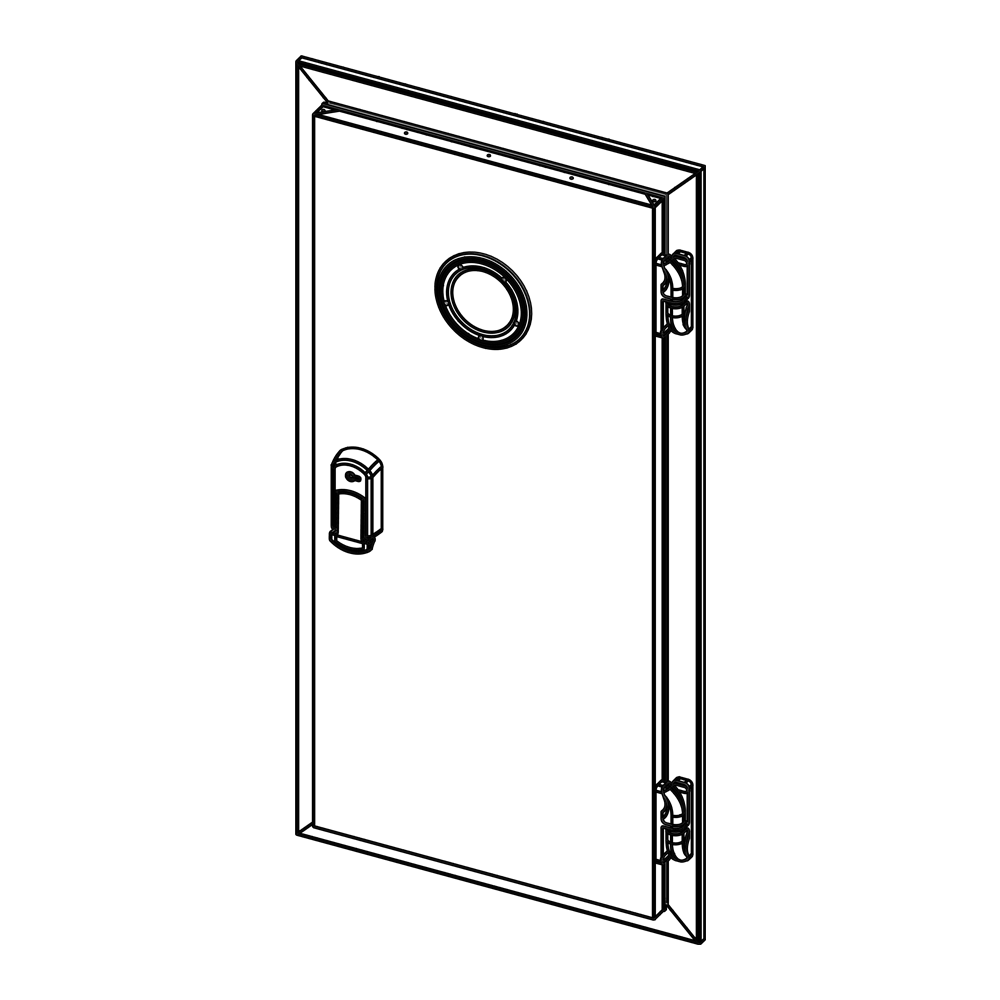
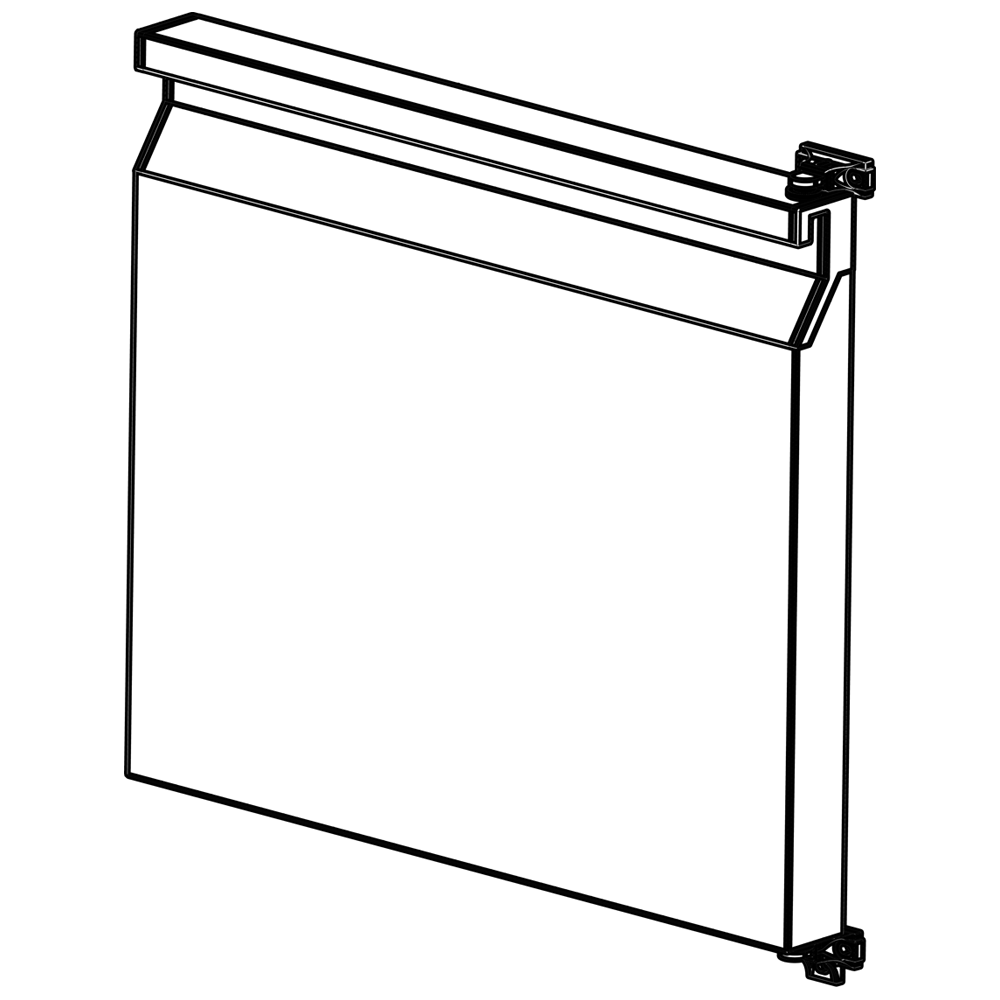
A single leaf bar door is a single-leaf passage door that opens in both directions and returns to the closed position by itself when released. Its most common locations are behind the bar counter, between the bar and the kitchen or storeroom, and at service passages in cafés and restaurants.
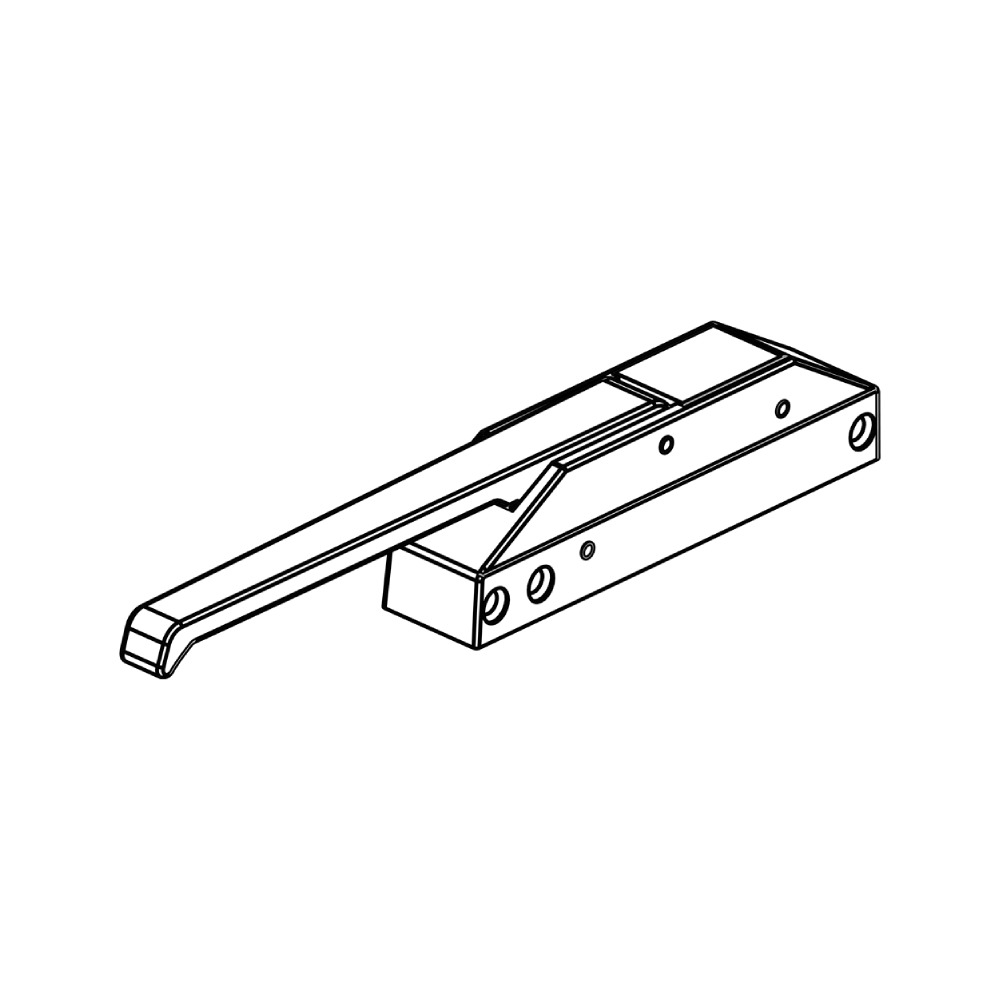
Its main advantage is that staff with full hands can push through it with a shoulder or their body. With no handle or lock to operate, passage is quick, and the door closes behind them by itself, separating the customer area from the work area.
The single-leaf design is intended for narrow openings where traffic is mostly staff.
When Is a Single Leaf Enough?
A single-leaf door is sufficient where the opening is narrow and traffic is mostly staff carrying trays, crates or bottles. The lighter leaf is easy to push and takes up less space when open.
Small bars, cafés and kitchen passages with limited space are well suited to a single-leaf door. In these areas, the swing of the leaf should be planned so that it does not reach the counter or seating area.
Where service trolleys need to pass, or where there is heavy two-way traffic through a wide opening, double-leaf doors are more suitable; this is covered in a separate article.
Leaf Material: PVC, Stainless Steel and Clear Panels
PVC leaves are light, unaffected by moisture and easy to wipe. They are a practical choice for bars and dishwashing areas with wet floors, and they can flex rather than break when knocked.
Stainless steel leaves or stainless-clad surfaces stand up better to frequent cleaning and impacts, which is why they are often chosen for kitchen passages. Wood or colour-finished leaves can be used where the door is visible from the customer area, to match the décor.
A clear vision panel in the leaf lets people on either side see each other and reduces the risk of collisions. The panel material should be impact-resistant and securely fixed to the leaf.

Hinges and Return Mechanism
On bar doors, double-action spring hinges or similar return mechanisms let the leaf open both ways and return to centre. The mechanism should suit the leaf weight and how often the door is used.
The closing speed of the leaf should be balanced. A leaf that swings back too fast can hit the person behind, while one that returns too slowly leaves the back of the bar open to the customer area for too long. Adjustable mechanisms make this balance easier to achieve.
A kick plate fitted to the bottom of the door reduces wear from being pushed with the foot and knocked by crates.
Installation and Everyday Use Tips
Before installation, check the leaf’s swing area in both directions; there should be no shelves, cabinets or counter corners in it. The gap between leaf and floor should be set so the leaf does not drag, without being larger than necessary.
The door should be installed so that the leaf rests exactly in the centre and parallel to the frame. A leaf that stays slightly open in one direction usually indicates that the hinge adjustment has drifted.
The leaf surface and vision panel should be part of daily cleaning, and the hinge fixings should be checked periodically. For door options suited to your venue, you can contact the Imamoğlu team.