



Hinged Cold Room Door
Table of Contents
- What Is a Hinged Cold Room Door and How Does It Work?
- When Should a Hinged Door Be Preferred?
- What to Look for in Hinges, Handles and Locks
- Single or Double Leaf? Size and Opening Direction
- Regular Checks and Maintenance of Hinged Doors
What Is a Hinged Cold Room Door and How Does It Work?
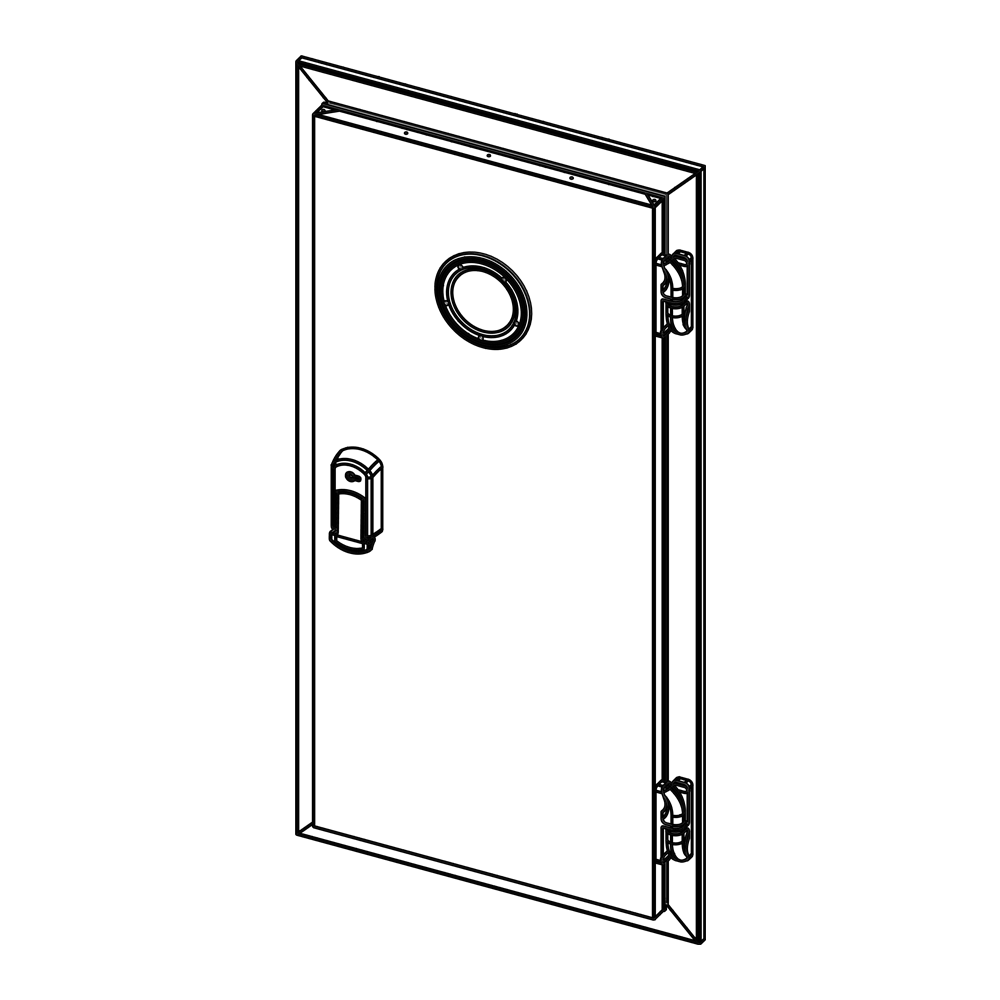
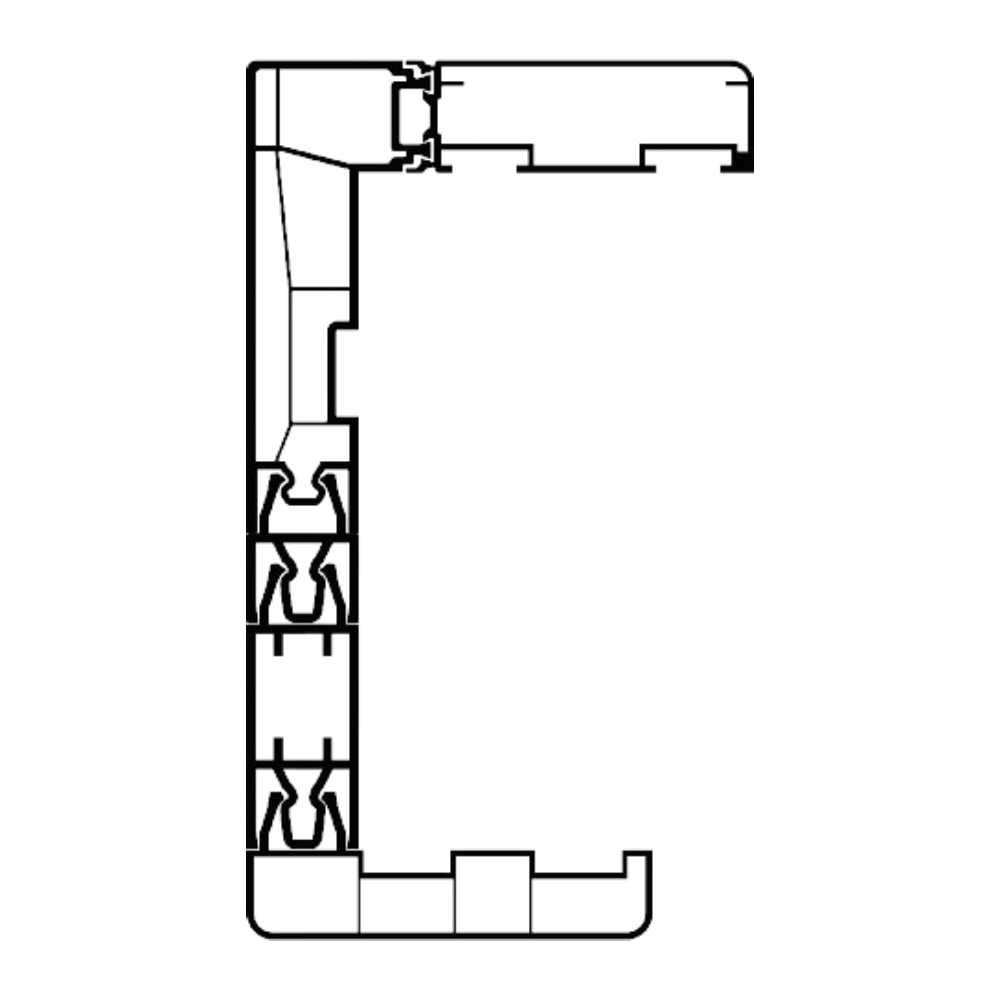
A hinged cold room door is a conventional swing door whose leaf opens by turning on hinges along one edge. The leaf is an insulated panel with sheet-metal skins on both faces; when closed, it presses against the gaskets on the frame and separates the room from the outside.
The simplicity of the mechanism is the main advantage of this door type. With no rails, wheels or motors, installation is quick and there are few parts that can fail in daily use. The door can be opened and closed easily by hand.
Because the leaf seats against the frame on all four sides when closed, sealing depends on the weight of the leaf and the pressure of the closing mechanism. On hinged doors, correct adjustment of the leaf is therefore as important as the door material.
When Should a Hinged Door Be Preferred?
Hinged doors are especially common in small and medium-sized cold rooms: supermarket and restaurant cold rooms, hotel kitchens, pharmacy and laboratory cold rooms, and storage rooms where staff go in and out frequently but vehicle traffic is limited.
There must be enough free space in front of the opening for the leaf to swing. If the corridor is narrow or pallet trucks and forklifts pass in front of the door constantly, an open leaf both blocks traffic and is more likely to be hit. In such cases, the door handing and opening side should be decided carefully at the design stage.
Hinged doors can be used in both chilled (positive) and freezer (negative) rooms. In freezer rooms, heating cables built into the frame are preferred to keep the frame gasket from freezing.
What to Look for in Hinges, Handles and Locks
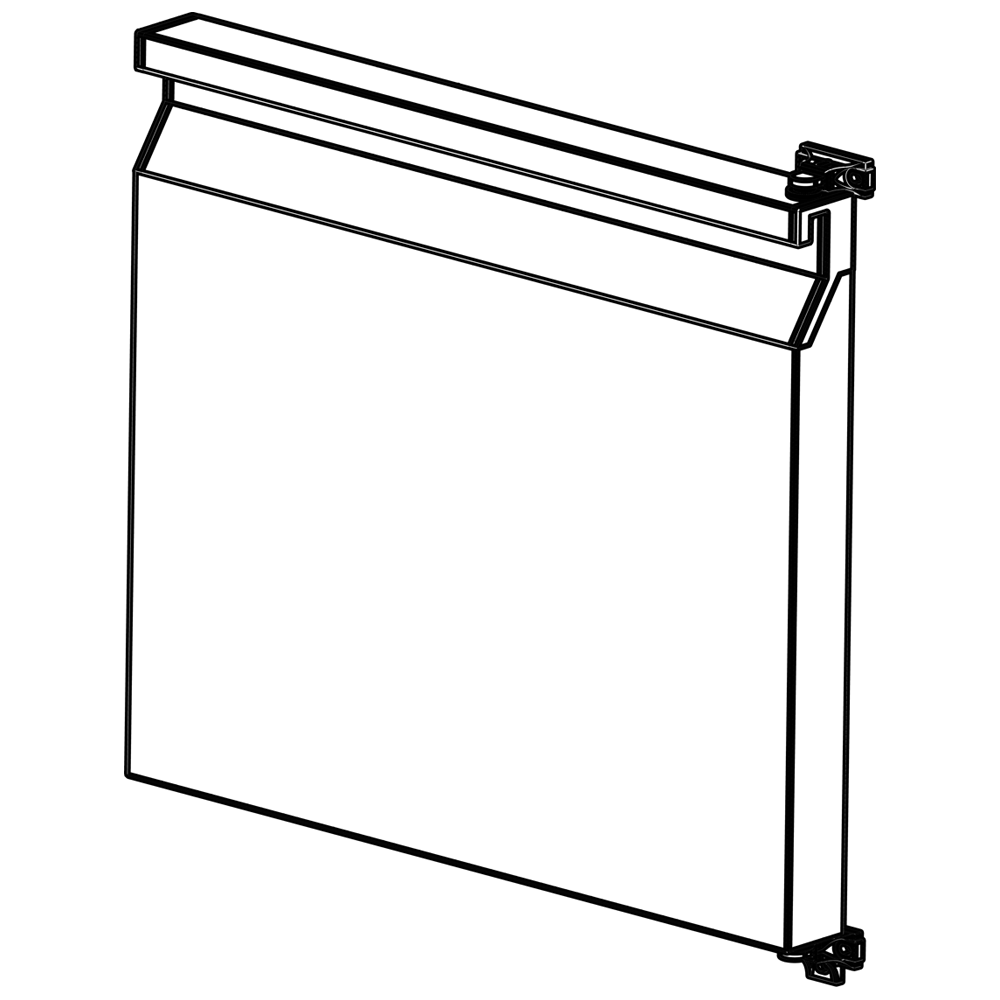
Rising (ramp) hinges, common on cold room doors, lift the leaf slightly as the door opens and help it settle back under its own weight as it closes. This makes the door less likely to be left open and keeps the bottom seal from dragging on the floor.
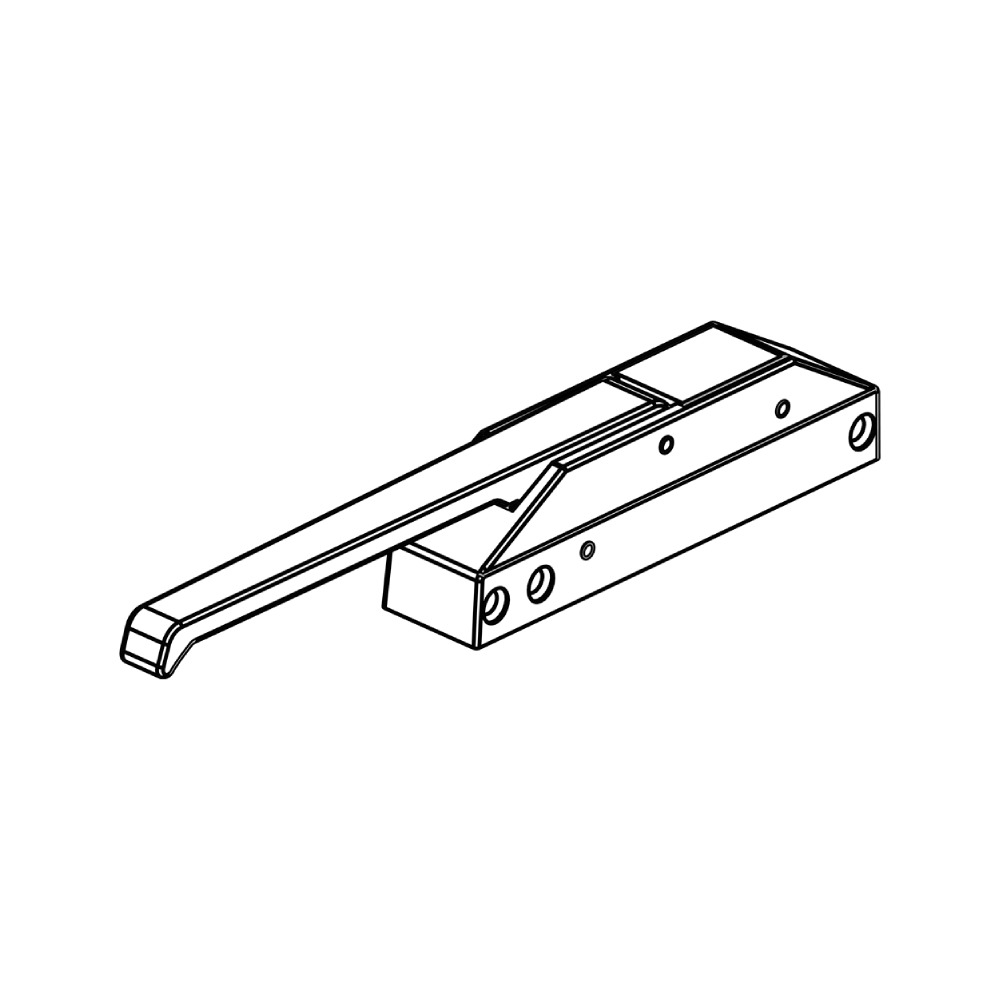
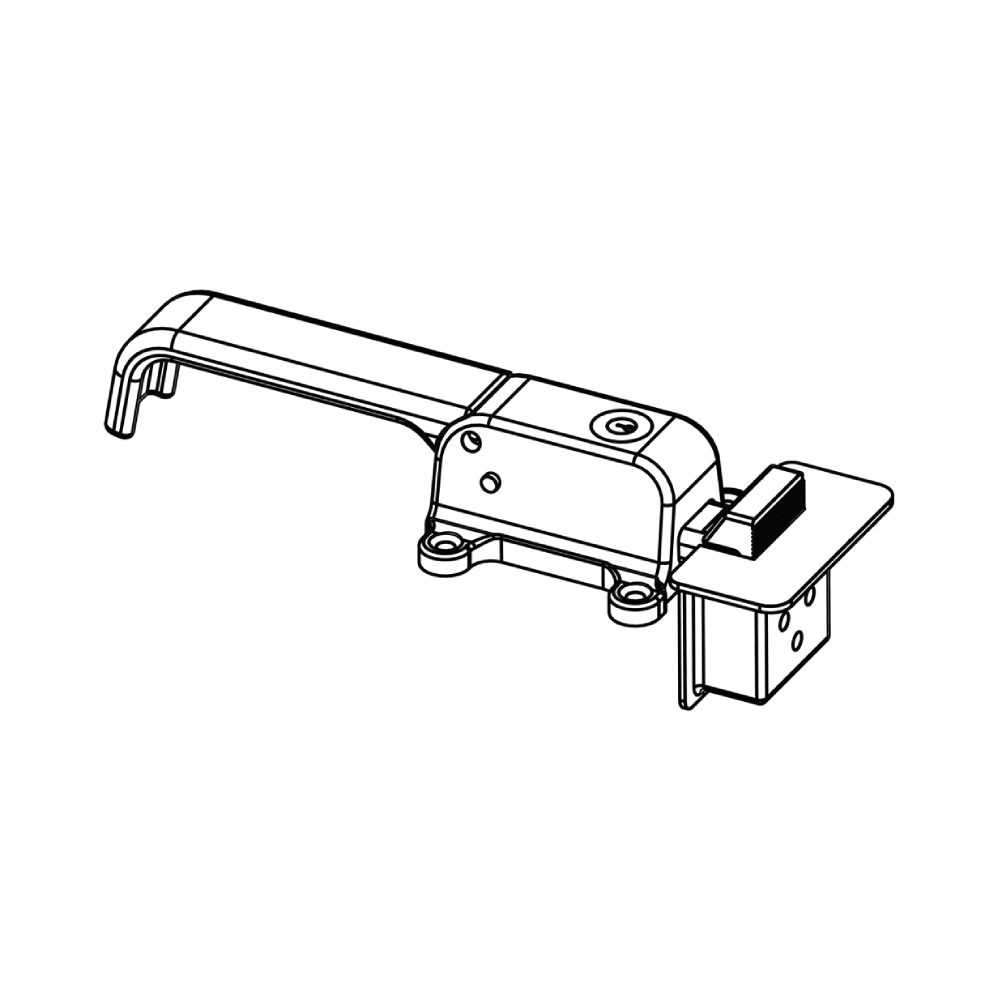
The handle and latch should pull the leaf against the frame with even pressure. A lockable handle prevents unauthorised access, while an inside safety release that allows the door to be opened from within the room is a basic safety feature that prevents staff from being trapped inside.
For heavy and large leaves, the number and load capacity of the hinges should match the leaf weight. Undersized hinges eventually cause the leaf to sag, stop seating fully against the frame and leak.

Single or Double Leaf? Size and Opening Direction
For staff access, a single-leaf door is usually sufficient. In rooms that need a wide opening for goods but have no space beside the opening for a sliding door, a double-leaf hinged door splits the opening in two, so each leaf is lighter and easier to handle.
When sizing the door, start from the width and height of the largest rack, pallet or trolley that will pass through and add a margin for manoeuvring. A door larger than necessary means more cold air is lost each time it opens.
When choosing the opening direction (left- or right-hand), consider traffic flow in front of the door, the layout of walls and racks, and where the leaf ends up when fully open.
Regular Checks and Maintenance of Hinged Doors
Hinged doors need periodic checks to maintain their performance. Gaskets should be inspected for tears, hardening or compression, and damaged gaskets replaced without delay.
Check that the hinge screws are tight and that the leaf has not sagged. Light showing around the edges when the door is closed, or ice forming around the frame, indicates that the leaf is not seating fully and needs adjusting.
The handle, lock and inside safety release should be tested regularly to make sure they work smoothly. For information on door models, sizes and accessories, you can contact the Imamoğlu team.