


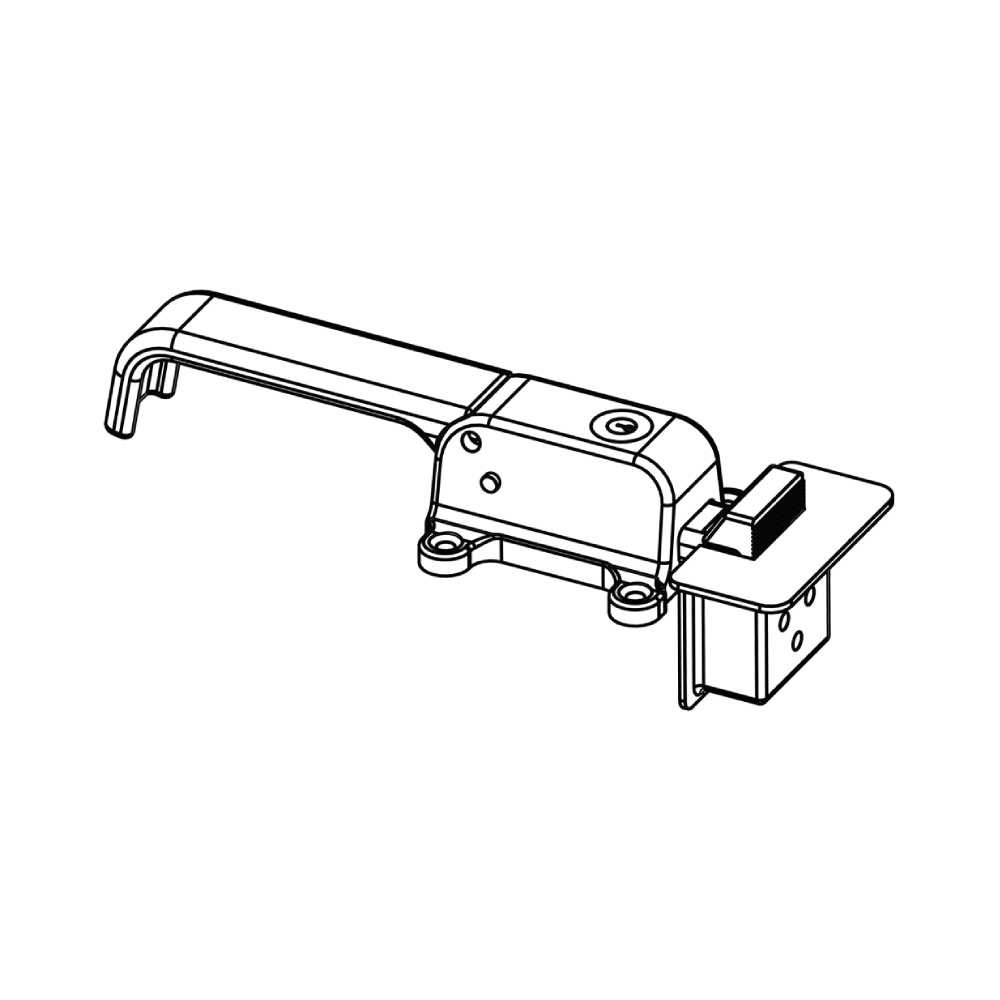







Industrial Kitchen Doors
Table of Contents
- Where to Buy Durable Industrial Kitchen Doors in Morocco
- How to Choose Energy-Efficient Kitchen Doors for Morocco
- What Makes Industrial Kitchen Doors Reliable in Morocco
- Why Should You Import Certified Kitchen Doors to Morocco
- How to Reduce Downtime With Quality Kitchen Doors in Morocco
- What Are the Best Materials for Industrial Kitchen Doors in Morocco
- How to Source Commercial Kitchen Doors Wholesale in Morocco
- Why Are İmamoğlu Kitchen Doors Trusted Across Morocco
- How to Meet Hygiene Standards With Kitchen Doors in Morocco
- Where Can You Find Custom Industrial Kitchen Doors for Morocco
Where to Buy Durable Industrial Kitchen Doors in Morocco
Facilities across Morocco searching for industrial kitchen doors face a recurring dilemma: balancing cost against longevity. In high-volume operations, a single warped or corroded door shuts down workflow, contaminates hygiene zones, and inflates maintenance budgets. Operators need a source that pairs engineering rigor with proven field performance, not just a catalog of generic panels.
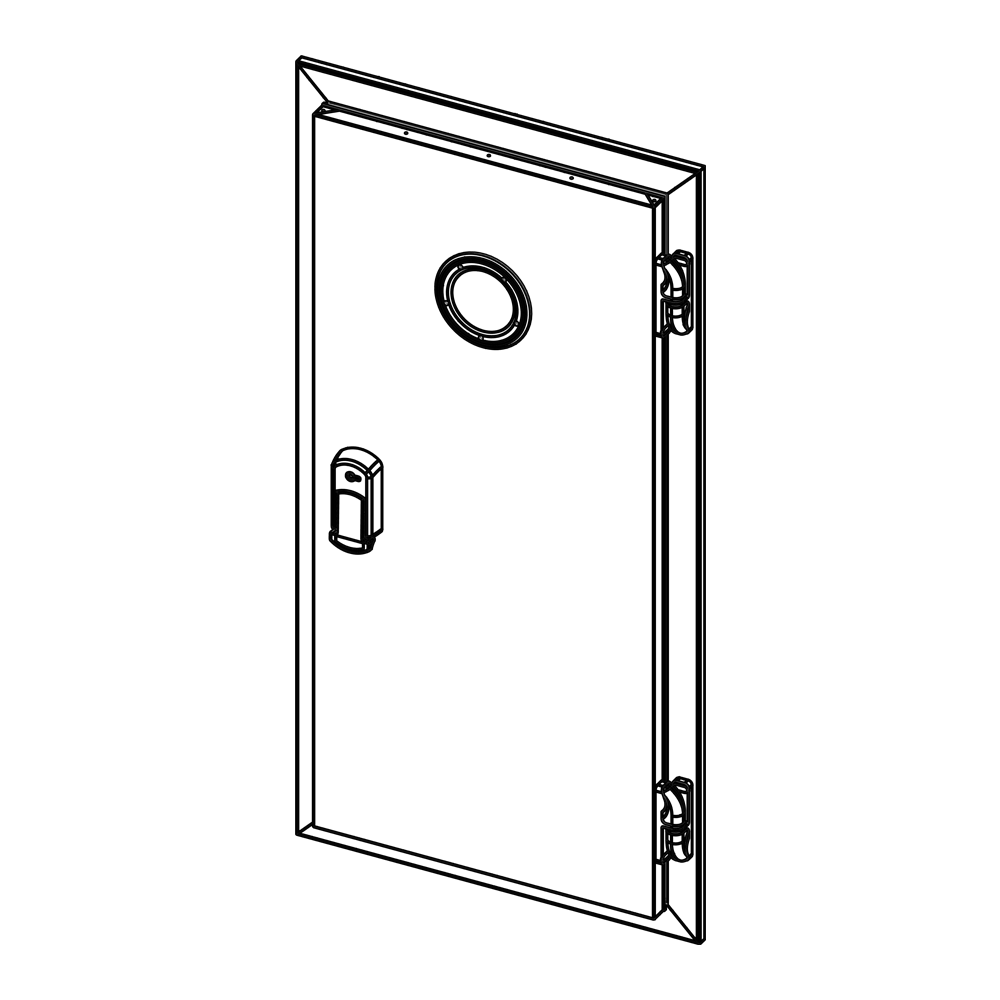
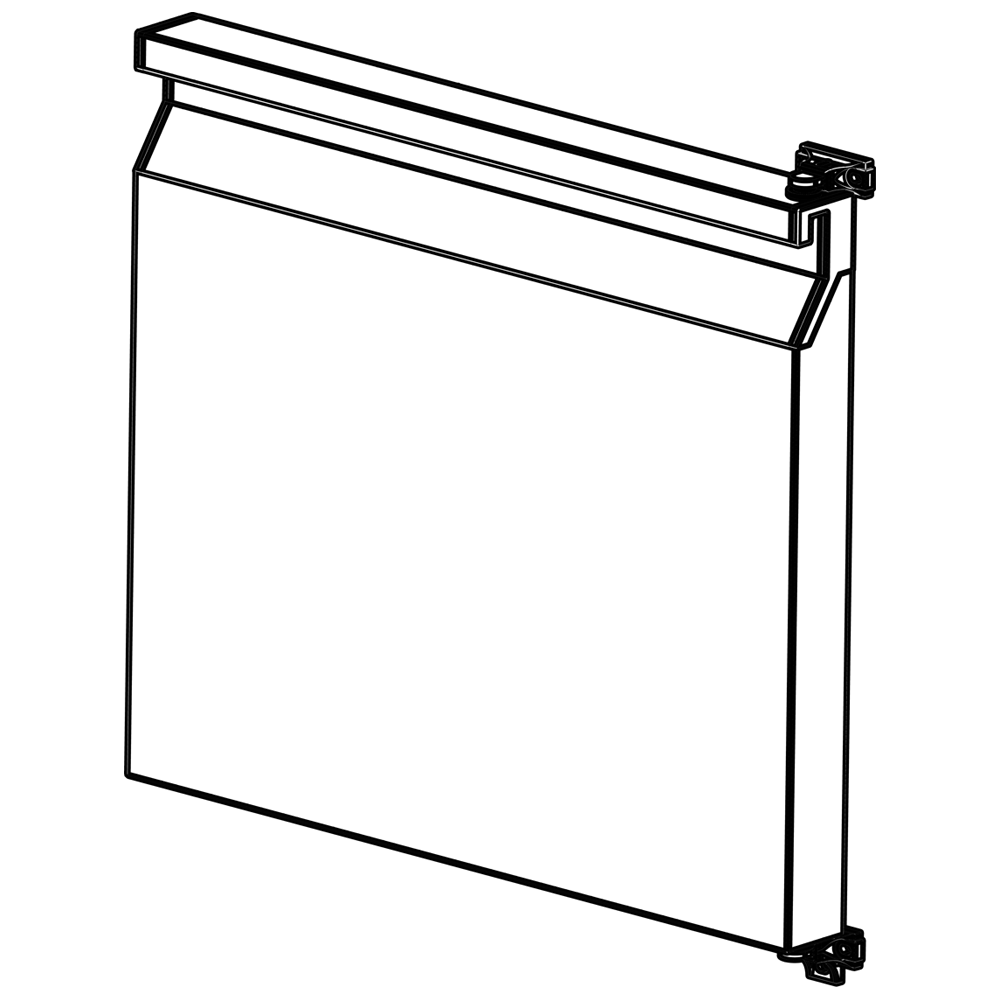
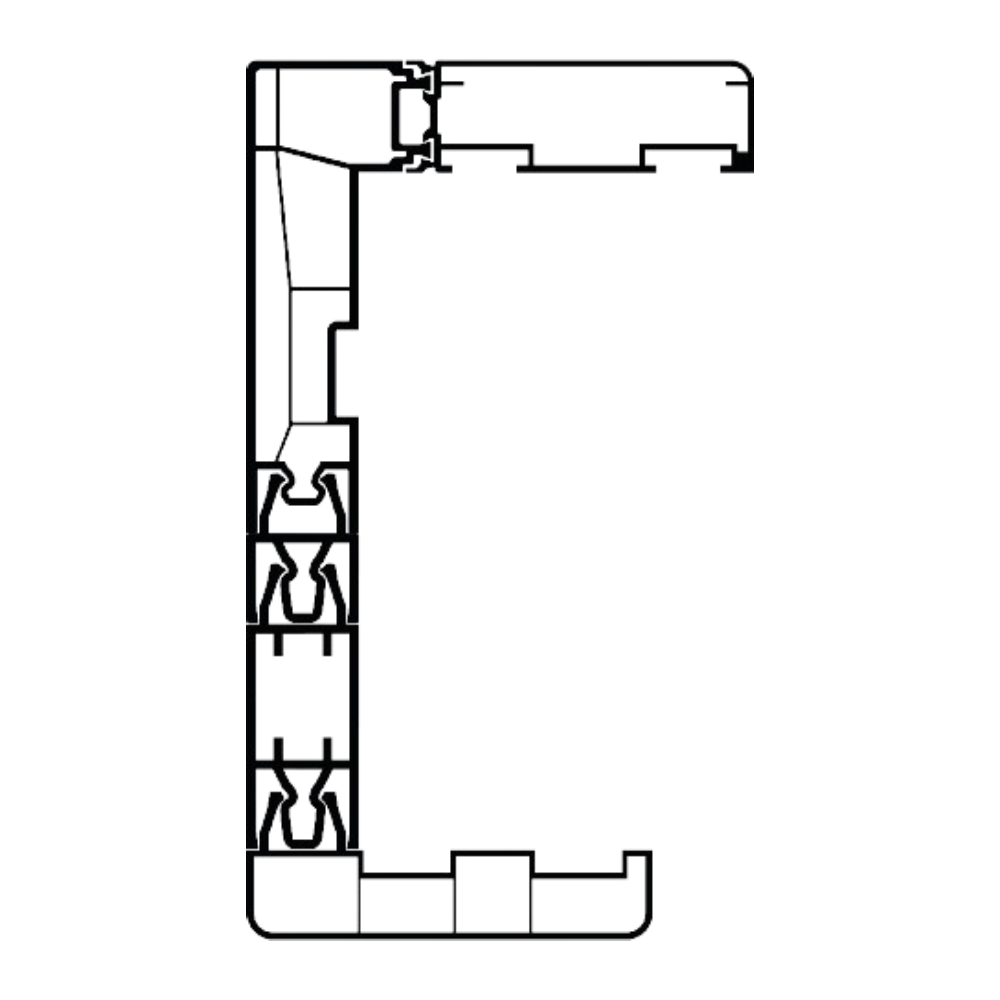
İmamoğlu manufactures industrial kitchen doors designed for continuous duty in commercial settings where temperature swings, moisture, and constant impact are the norm. Each unit is built on aluminum profiles engineered for corrosion resistance and dimensional stability, paired with seals tested to withstand repeated thermal cycling. This approach mirrors the same R&D-supported production standards applied to the company's broader cold room parts and refrigerator spare parts, ensuring consistency across every component. Clients operating in food processing lines, hotel central kitchens, and large catering hubs benefit from doors that integrate cleanly with existing cooling systems and modular cold storage layouts.
Beyond the physical build, energy-efficient door construction reduces thermal bridging, lowering compressor runtime and trimming monthly utility costs. The quality control process includes pressure testing, hinge-cycle simulation, and surface treatment validation, which extends service intervals and minimizes unplanned downtime. Frigorific group products and showcase cooler parts from the same production line share this discipline, giving procurement teams a single reliable source for cross-category needs. For industrial kitchen manufacturers and service providers serving Morocco, this translates into predictable lead times, standardized fittings, and simplified inventory management.
Procurement managers evaluating suppliers for the Moroccan market should prioritize manufacturers with documented export-oriented production capacity and traceable component sourcing. İmamoğlu delivers durable solutions backed by decades of field data, supported by logistics networks that reach Casablanca, Tangier, and Marrakech efficiently. Request a quote through imamoglu.com.tr to specify dimensions, insulation grade, and hardware configuration, and secure industrial kitchen doors engineered for sustained operational reliability.
How to Choose Energy-Efficient Kitchen Doors for Morocco
Industrial kitchens in Morocco lose measurable revenue every time a refrigerator door leaks cold air into a humid workspace. Operators running central commissaries, seafood processing lines, or hotel banquet kitchens know that heat infiltration forces compressors to cycle harder, inflating electricity bills and shortening equipment life. Selecting the right door is not a cosmetic decision; it directly shapes monthly operating cost and food-safety compliance.
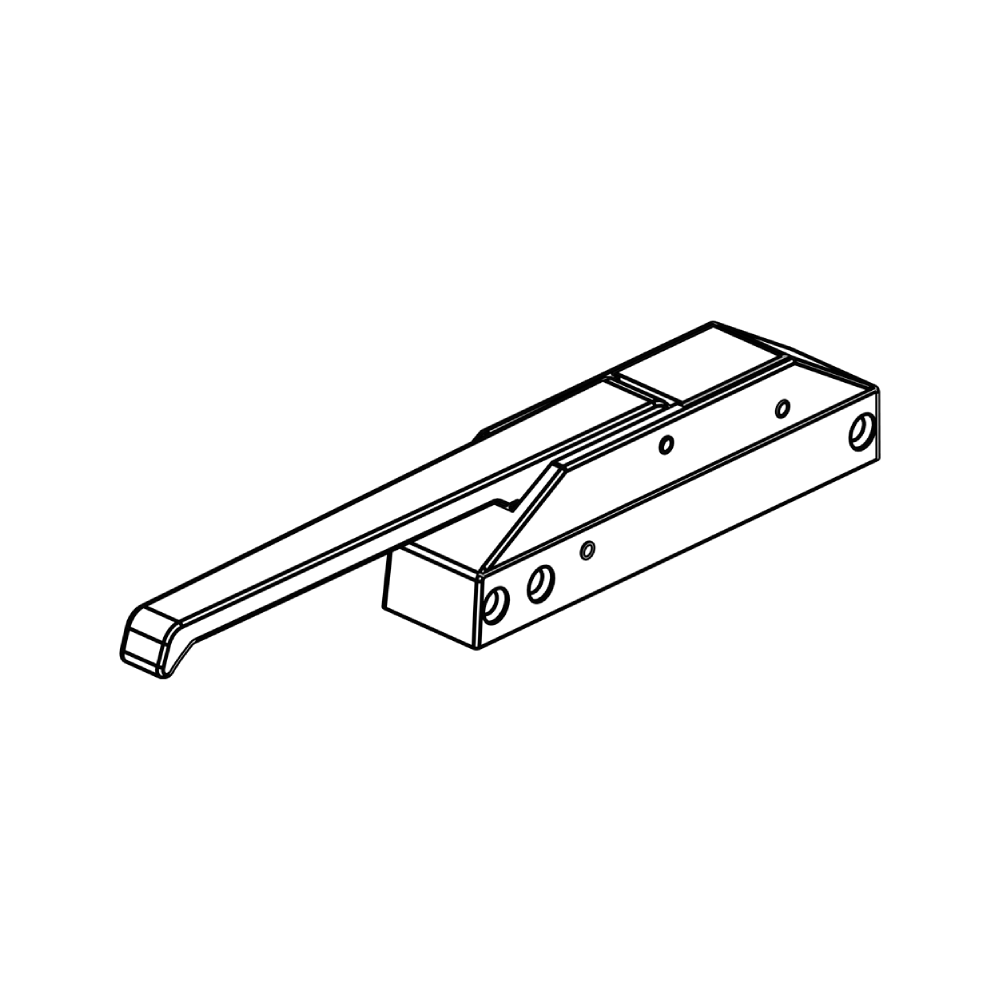
Effective evaluation begins with insulation density and core composition. Doors using high-pressure polyurethane panels within rigid aluminum profiles deliver superior thermal breaks compared to legacy foam-filled frames. Magnetic gasket integrity matters equally; even a 2mm seal gap can raise cooling load by up to 12 percent in continuous-use environments. İmamoğlu engineers industrial kitchen doors with compression-set resistant seals and stainless hardware, applying the same rigor used in frigorific group products and industrial cold room parts. For facilities integrating showcase cooler parts and walk-in units, this consistency simplifies specification.
Lifecycle cost analysis should weigh hinge-cycle ratings, surface coating durability, and ease of sanitation. Antibacterial finishes reduce cleaning chemical consumption, while self-closing mechanisms prevent the half-open failures common in fast-paced Moroccan catering operations. Energy modeling from R&D-supported production data shows that properly specified energy-efficient doors can cut refrigeration runtime by 8 to 15 percent annually. For service providers and cooling system suppliers, recommending certified durable cooling solutions also reduces warranty claims and strengthens client retention. The quality control protocol at İmamoğlu includes thermal imaging verification on sample units, ensuring the rated insulation value matches field performance.
Decision-makers sourcing for the Moroccan market should request third-party performance certificates and confirm export-oriented production capacity for consistent supply. İmamoğlu delivers high-performance equipment tailored to Mediterranean climate demands, backed by logistics reaching Casablanca, Rabat, and Agadir. Visit imamoglu.com.tr to configure door dimensions, insulation grade, and hardware options, and secure doors engineered for measurable energy savings and operational continuity.
What Makes Industrial Kitchen Doors Reliable in Morocco
Reliability in industrial kitchen doors is not accidental; it is engineered through material selection, joinery integrity, and validated performance data. Facilities across Morocco operating 16 to 20 hours daily cannot tolerate premature warping, hinge fatigue, or seal failure. A single compromised door compromises cold-chain integrity, risks regulatory penalties, and disrupts throughput in central kitchens serving tourism, healthcare, and large-scale catering sectors.
Reliability begins at the structural core. İmamoğlu builds industrial kitchen doors around precision-extruded aluminum profiles that resist corrosion in coastal humidity from Tangier to Agadir. Reinforced corner brackets and continuous-welded frames eliminate the stress fractures common in spot-welded competitors. The same engineering discipline governs industrial cold room parts and refrigerator spare parts, ensuring that hinge assemblies, latches, and panel skins share consistent tolerances. For large-scale businesses standardizing equipment across multiple sites, this uniformity simplifies training, spare inventory, and service scheduling.
Sealing technology separates premium doors from disposable alternatives. Triple-fin magnetic gaskets, EPDM edge buffers, and self-aligning cam-lock systems maintain compression across thousands of cycles. İmamoğlu subjects every batch to quality control protocols, including 100,000-cycle hinge testing and salt-spray exposure validation. The result is durable cooling solutions that protect downstream cooling systems and adjacent showcase cooler parts from thermal inefficiency. R&D-supported production further integrates antibacterial surface coatings that withstand repeated sanitation without degrading, a critical factor for HACCP-compliant operations.
Procurement teams sourcing for the Moroccan market should demand documented cycle-test certificates, material traceability, and proven export-oriented production capacity. İmamoğlu delivers high-performance equipment backed by decades of field data and customer satisfaction metrics across global destinations. Reach out via imamoglu.com.tr to specify load class, opening direction, and finish options, and secure industrial kitchen doors engineered for sustained operational reliability.
Why Should You Import Certified Kitchen Doors to Morocco
Importing certified kitchen doors to Morocco is a strategic decision that affects compliance, operating cost, and long-term asset value. Local fabricators often deliver short lead times, but their products frequently lack third-party validation, which becomes problematic when international hotel chains, pharmaceutical kitchens, and export-oriented food processors audit supplier documentation. A door without traceable certification can halt a project audit or trigger warranty disputes that dwarf any upfront savings.
Certified imports close that documentation gap. İmamoğlu supplies industrial kitchen doors tested against international thermal, mechanical, and food-safety benchmarks, with paperwork accepted by multinational quality teams. Each unit is built on precision-extruded aluminum profiles and paired with frigorific group products that meet the same compliance chain. For industrial kitchen manufacturers assembling turnkey projects, integrating pre-certified components accelerates commissioning and reduces on-site rework. The same logic applies to refrigerator spare parts and showcase cooler parts that must satisfy insurers and regulators.
Beyond paperwork, certified engineering delivers measurable performance. Energy-efficient door cores validated by independent laboratories help facilities qualify for green-building incentives and reduce compressor runtime. R&D-supported production ensures that hinges, gaskets, and panel surfaces withstand cycle counts well beyond local alternatives. This translates into reliable spare parts economics: fewer replacements, less downtime, and predictable maintenance budgets. For cooling system suppliers managing multi-site accounts, this predictability strengthens service contracts.
Import logistics for Morocco are simplified by İmamoğlu's export-oriented production infrastructure, which consolidates documentation, crating, and freight scheduling through established corridors to Casablanca and Tanger Med. The result is faster customs clearance and reduced demurrage exposure. Visit imamoglu.com.tr to request certification dossiers, configure door specifications, and secure certified industrial kitchen doors engineered for sustained operational reliability and customer satisfaction.
How to Reduce Downtime With Quality Kitchen Doors in Morocco
Unplanned downtime in industrial kitchens is rarely dramatic. It is a hinge that bends during a Friday banquet service, a gasket that tears under thermal stress, or a door closer that fails mid-shift. In Moroccan operations serving tourism peaks, Ramadan catering surges, and continuous food processing, every hour of halted refrigeration translates into spoiled inventory, missed contracts, and emergency repair premiums.
Reducing downtime starts with component engineering that anticipates real operating conditions. İmamoğlu manufactures industrial kitchen doors using precision-extruded aluminum profiles and stainless-reinforced hinge assemblies tested beyond 100,000 cycles. Self-lubricating cam-lift hinges and triple-seal magnetic gaskets eliminate the recurring failures that plague imported low-cost alternatives. This design discipline mirrors the R&D-supported production standards applied to industrial cold room parts and refrigerator spare parts, giving service providers a predictable maintenance profile across their client base.
Operational continuity also depends on compatibility. İmamoğlu designs doors to integrate seamlessly with adjacent cooling systems, showcase cooler parts, and modular frigorific group products, so replacement does not require cabinet modification or compressor recalibration. For large-scale businesses managing multi-site facilities, standardized high-performance equipment reduces spare-parts inventory complexity. Each unit passes quality control checks including thermal imaging, salt-spray exposure, and mechanical fatigue simulation, validating durable cooling solutions for high-humidity coastal and inland environments.
Procurement leaders in the Moroccan market should evaluate suppliers on documented MTBF data, spare-part availability, and export-oriented production capacity rather than headline price alone. İmamoğlu supports buyers with logistics reaching Casablanca, Marrakech, and Fès efficiently, minimizing lead-time volatility. Request a quote through imamoglu.com.tr to specify door dimensions, hardware grade, and finish, and secure industrial kitchen doors engineered for measurable downtime reduction and sustained productivity.

What Are the Best Materials for Industrial Kitchen Doors in Morocco
Material selection defines the lifecycle cost of industrial kitchen doors more than any other specification. In Moroccan facilities, doors endure coastal salt exposure, hard-water cleaning agents, repeated thermal cycling, and the mechanical abuse of high-traffic service windows. Choosing the wrong substrate invites corrosion, panel delamination, and thermal bridging that silently inflates compressor runtime.
The most effective industrial kitchen door assemblies combine a high-density polyurethane or polyisocyanurate core with rigid aluminum profiles for the perimeter frame. This pairing delivers low thermal conductivity, structural rigidity, and resistance to the humidity swings common between Essaouira's coastal air and Marrakech's dry inland climate. Stainless steel AISI 304 hardware, including hinges, latches, and closing arms, provides further protection against pitting corrosion. İmamoğlu applies this material stack across industrial cold room parts and refrigerator spare parts, ensuring quality control consistency throughout the assembly.
Surface finish is equally consequential. Antibacterial powder coatings or food-grade stainless skins withstand aggressive sanitation chemicals without flaking or harboring bacteria. For industrial kitchen manufacturers and service providers serving HACCP-audited clients, this finish integrity directly affects compliance scores. R&D-supported production further validates gaskets formulated from EPDM or silicone blends, which retain elasticity across temperature ranges that would harden vinyl alternatives. The result is durable cooling solutions that align with showcase cooler parts and adjacent frigorific group products, reducing the patchwork inventory that complicates multi-site maintenance.
Sourcing decision-makers evaluating the Moroccan market should request mill certificates for aluminum extrusions, density reports for insulation cores, and salt-spray validation for hardware. İmamoğlu's export-oriented production infrastructure supplies full documentation packets with each shipment, accelerating customs and quality audits. Visit imamoglu.com.tr to configure core thickness, profile grade, and finish options, and secure industrial kitchen doors built from materials engineered for sustained operational reliability.
How to Source Commercial Kitchen Doors Wholesale in Morocco
Wholesale sourcing of commercial kitchen doors in Morocco is rarely a simple catalog transaction. Procurement teams handling hotel chains, hospital catering contracts, and food processing expansions must balance unit cost against certification, lead time, and post-shipment support. A door that arrives under budget but fails thermal inspection three months later erodes the savings several times over through warranty disputes and operational disruption.
A disciplined wholesale strategy begins with supplier qualification. İmamoğlu operates export-oriented production lines that consolidate industrial cold room parts, refrigerator spare parts, and finished door assemblies under one quality control system. For industrial kitchen manufacturers running multi-unit rollouts, this consolidation reduces vendor count and simplifies incoming inspection. Each shipment is documented with mill certificates for aluminum profiles, density reports for insulation cores, and cycle-test data for hardware, satisfying the audit expectations of international hospitality groups operating in Casablanca and Marrakech.
Volume pricing must be evaluated alongside logistics economics. İmamoğlu leverages established freight corridors to Tanger Med and Casablanca ports, packaging doors in export-grade crating that reduces damage rates and demurrage exposure. For service providers and cooling system suppliers managing phased installations, predictable delivery windows matter as much as unit cost. The company's R&D-supported production model further allows specification flexibility, including custom dimensions, left or right hinging, and integrated viewing panels, without breaking minimum order thresholds. Frigorific group products and showcase cooler parts can be co-shipped to consolidate freight spend.
Buyers targeting the Moroccan wholesale market should request sample units, reference installations, and total-landed cost quotations rather than ex-works prices alone. İmamoğlu supports this evaluation with responsive quotation, technical submittals, and dedicated export coordinators. Submit your project specifications through imamoglu.com.tr to secure commercial kitchen doors engineered for scale, efficiency, and sustained operational reliability.
Why Are İmamoğlu Kitchen Doors Trusted Across Morocco
Trust in industrial equipment is built through repeated performance, not promotional claims. Facility managers across Morocco overseeing hotel central kitchens, industrial canteens, and seafood processing lines choose suppliers whose products survive multi-year duty cycles without unexpected failure. İmamoğlu has earned that trust through decades of documented field results and a manufacturing philosophy grounded in measurable engineering standards.
At the core of this reputation lies disciplined material selection. Every industrial kitchen door is built on precision-extruded aluminum profiles sourced for corrosion resistance and dimensional accuracy. Insulation cores are formulated to deliver consistent thermal performance, validated through laboratory testing rather than estimated from generic data sheets. This rigor extends to industrial cold room parts, refrigerator spare parts, and showcase cooler parts, giving cooling system suppliers a unified component family that simplifies warranty administration.
Operational trust is reinforced by R&D-supported production practices. Hinge assemblies are rated beyond 100,000 cycles; gaskets are validated for compression-set resistance under continuous temperature fluctuation; surface finishes are tested against aggressive sanitation chemicals. Each batch passes quality control protocols that mirror the standards applied to frigorific group products, producing high-performance equipment that withstands the humidity of coastal Morocco and the thermal demands of industrial cleaning. For large-scale businesses managing multi-site deployments, this consistency translates into predictable maintenance budgets and uninterrupted service.
Beyond product engineering, İmamoğlu supports the Moroccan market with export-oriented production capacity and logistics partnerships that reach Casablanca, Rabat, and Fès reliably. Documentation, crating, and after-sales coordination are managed by teams experienced in cross-border compliance. Visit imamoglu.com.tr to review reference installations, request a quotation, and source industrial kitchen doors backed by customer satisfaction data and decades of proven reliability.
How to Meet Hygiene Standards With Kitchen Doors in Morocco
Hygiene compliance in industrial kitchens is judged at the detail level: the seam where a door handle meets its base, the gasket that retains moisture after cleaning, the panel joint that hides biofilm from routine sanitation. Across Morocco, regulatory audits and international hospitality standards now apply the same scrutiny to door assemblies as they do to food-contact surfaces, making specification a compliance decision as much as a mechanical one.
İmamoğlu designs industrial kitchen doors with hygiene engineering embedded in every component. Smooth, non-porous surface finishes eliminate the micro-crevices where bacteria colonize. Coved transitions between panels and aluminum profiles prevent organic buildup at weld points, while EPDM gaskets resist the swelling and cracking that compromise seals on lower-grade doors. Antibacterial powder coatings reduce pathogen survival between cleaning cycles, a feature that supports HACCP documentation and on-site audit results. For industrial kitchen manufacturers and service providers, these details reduce the corrective-action workload that follows inspection visits.
Material integrity is reinforced by quality control protocols validated through R&D-supported production processes. Stainless steel hardware withstands repeated exposure to chlorinated cleaners without pitting, and the door's thermal envelope protects adjacent cooling systems from condensation that would otherwise create slip hazards and microbial reservoirs. Energy-efficient sealing also reduces frost formation on interior surfaces, cutting the frequency of defrost sanitation events. The same engineering discipline governs industrial cold room parts, refrigerator spare parts, showcase cooler parts, and frigorific group products, giving cooling system suppliers a consistent hygiene baseline across every installation.
Procurement teams operating in the Moroccan market should request surface-test certificates, gasket composition data, and validation of cleanability claims before approving any supplier. İmamoğlu supports this due diligence with full documentation and reference projects demonstrating sustained audit performance. Visit imamoglu.com.tr to configure door dimensions, finish grade, and hardware options, and secure industrial kitchen doors engineered for measurable hygiene compliance and customer satisfaction.
Where Can You Find Custom Industrial Kitchen Doors for Morocco
Standard catalog doors rarely fit the realities of Moroccan industrial kitchens. A heritage riad converted into a boutique hospitality kitchen, a fish-processing facility in Agadir, or a hospital catering unit in Rabat each presents non-standard openings, unique traffic patterns, and integration points with adjacent equipment. Custom specification is not a luxury; it is the difference between a smooth installation and weeks of field modification.
İmamoğlu operates as a custom manufacturing partner rather than a fixed-catalog vendor. Production lines accept variable dimensions, non-standard hinge placements, integrated viewing panels, and tailored insulation thicknesses without tooling penalties that smaller fabricators impose. Each build is engineered on precision-extruded aluminum profiles and validated through quality control procedures shared with industrial cold room parts, refrigerator spare parts, and showcase cooler parts. For industrial kitchen manufacturers executing turnkey projects, this flexibility eliminates the dimensional compromise that complicates on-site assembly.
Customization extends beyond geometry. Clients can specify antibacterial finishes for HACCP-sensitive zones, reinforced cores for high-traffic service areas, or specialized gasket compounds for freezer-to-cook-line transitions. R&D-supported production ensures that each variant maintains the same thermal and mechanical standards as standard units, delivering energy-efficient performance and durable cooling solutions regardless of configuration. Frigorific group products and adjacent cooling systems can be co-engineered to match the door specification, simplifying procurement for service providers and large-scale businesses.
Buyers seeking custom solutions for the Moroccan market should engage suppliers early in the design phase, sharing drawings, airflow data, and workflow constraints. İmamoğlu's export-oriented production team provides technical submittals, prototype validation, and dedicated logistics to Casablanca and Tanger Med. Submit your project specifications through imamoglu.com.tr to obtain a tailored quotation and secure custom industrial kitchen doors engineered for operational fit, regulatory compliance, and sustained reliability.