








Aluminum Profiles
Table of Contents
- Where Can You Source Durable Aluminum Profiles in Morocco?
- How Do İmamoğlu Aluminum Profiles Perform in Morocco's Climate?
- What Makes Aluminum Profiles Ideal for Morocco Industrial Kitchens?
- Why Should Morocco Manufacturers Choose İmamoğlu Aluminum Profiles?
- How to Verify Quality When Buying Aluminum Profiles in Morocco?
- Which Aluminum Profile Grades Suit Morocco Refrigeration Projects?
- Are İmamoğlu Aluminum Profiles Cost-Effective for Morocco Projects?
- How to Import Certified Aluminum Profiles Into Morocco?
- What Standards Apply to Aluminum Profiles Exported to Morocco?
- How Can Morocco Businesses Cut Downtime With Quality Profiles?
Where Can You Source Durable Aluminum Profiles in Morocco?
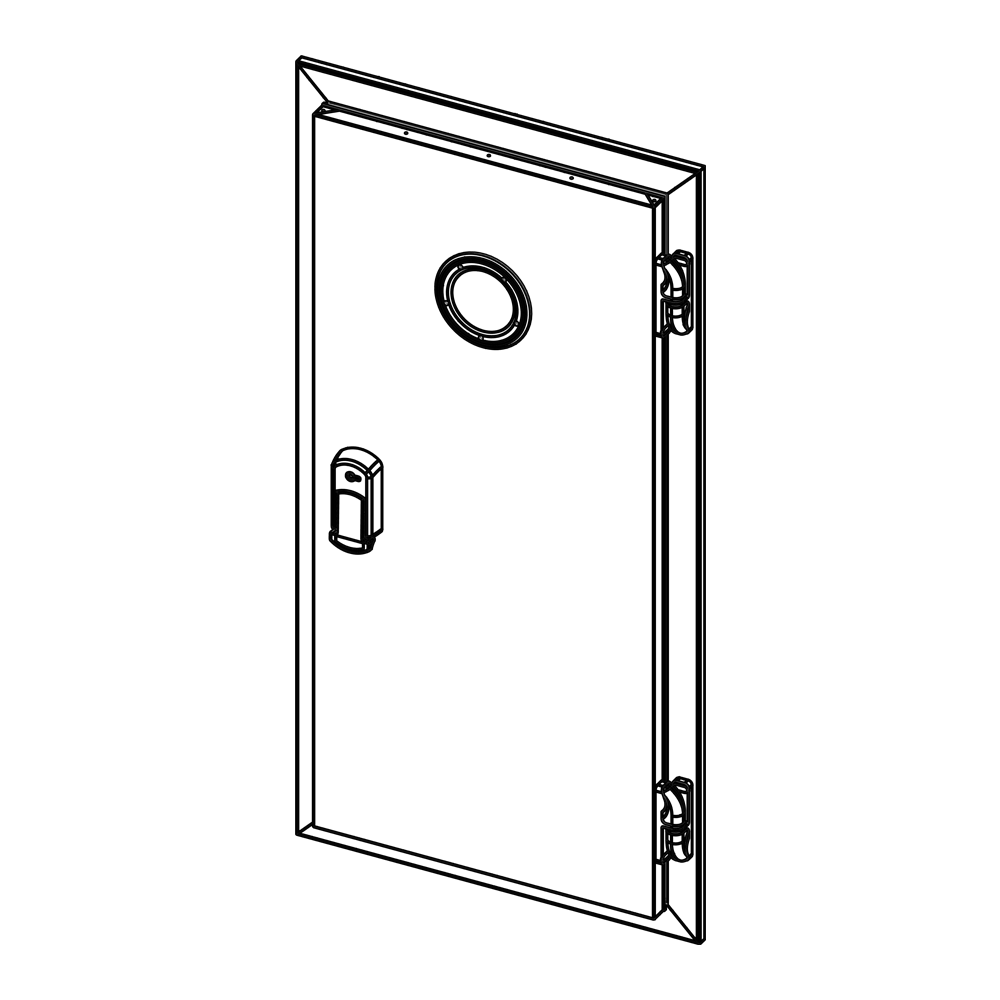
Industrial kitchen manufacturers and cooling system suppliers in the Moroccan export market frequently face a critical sourcing dilemma: where to obtain aluminum profiles that withstand continuous thermal cycling, moisture exposure, and heavy mechanical loads without premature deformation. Standard extrusions often fail within months under these conditions, triggering costly downtime and forcing operators to replace entire cold room door frames, display cabinet housings, and evaporator mounting rails. We engineer solutions specifically to eliminate this recurring pain point through precision-driven production.
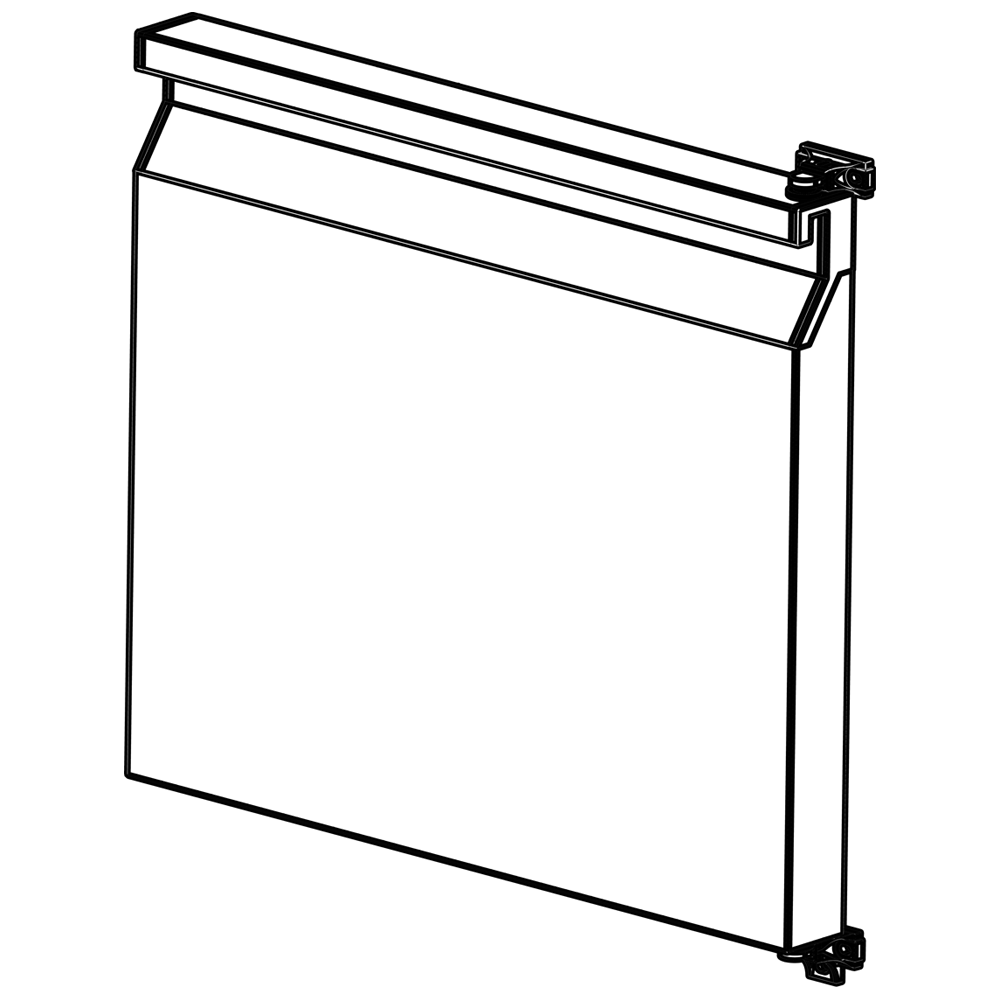
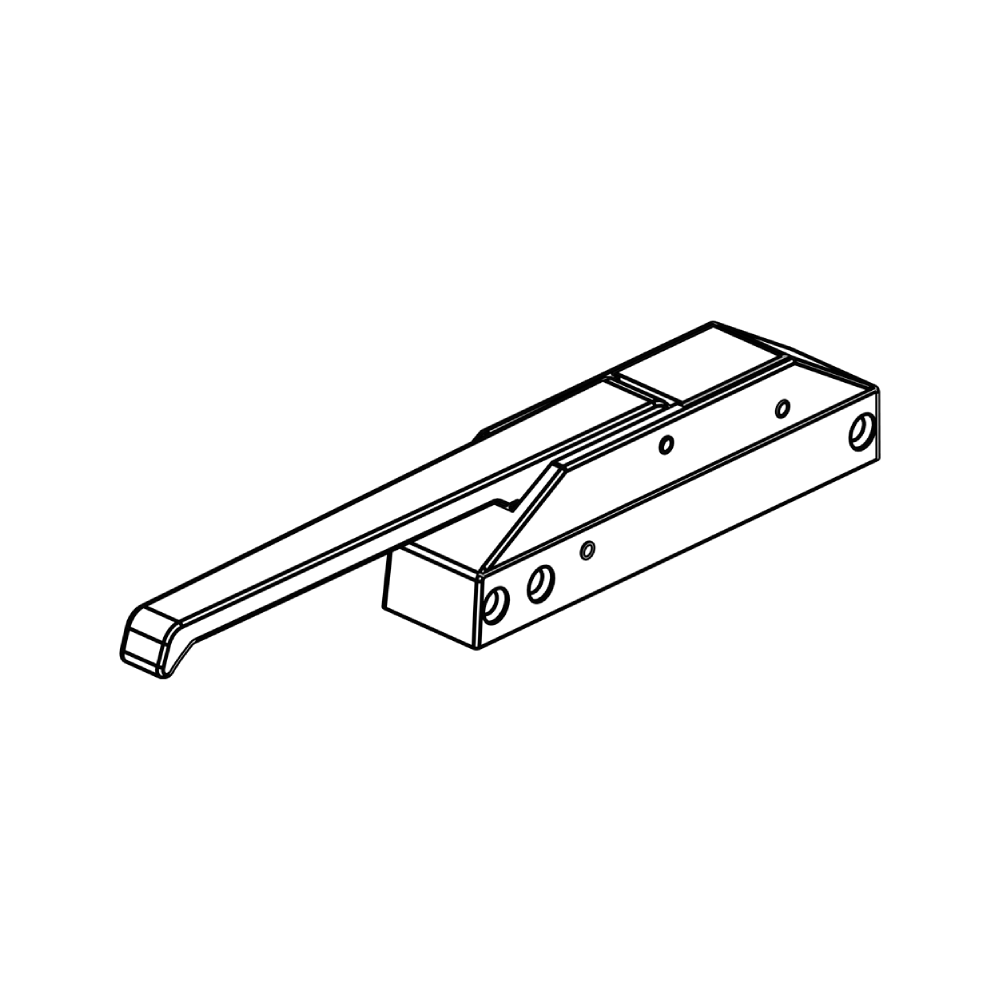
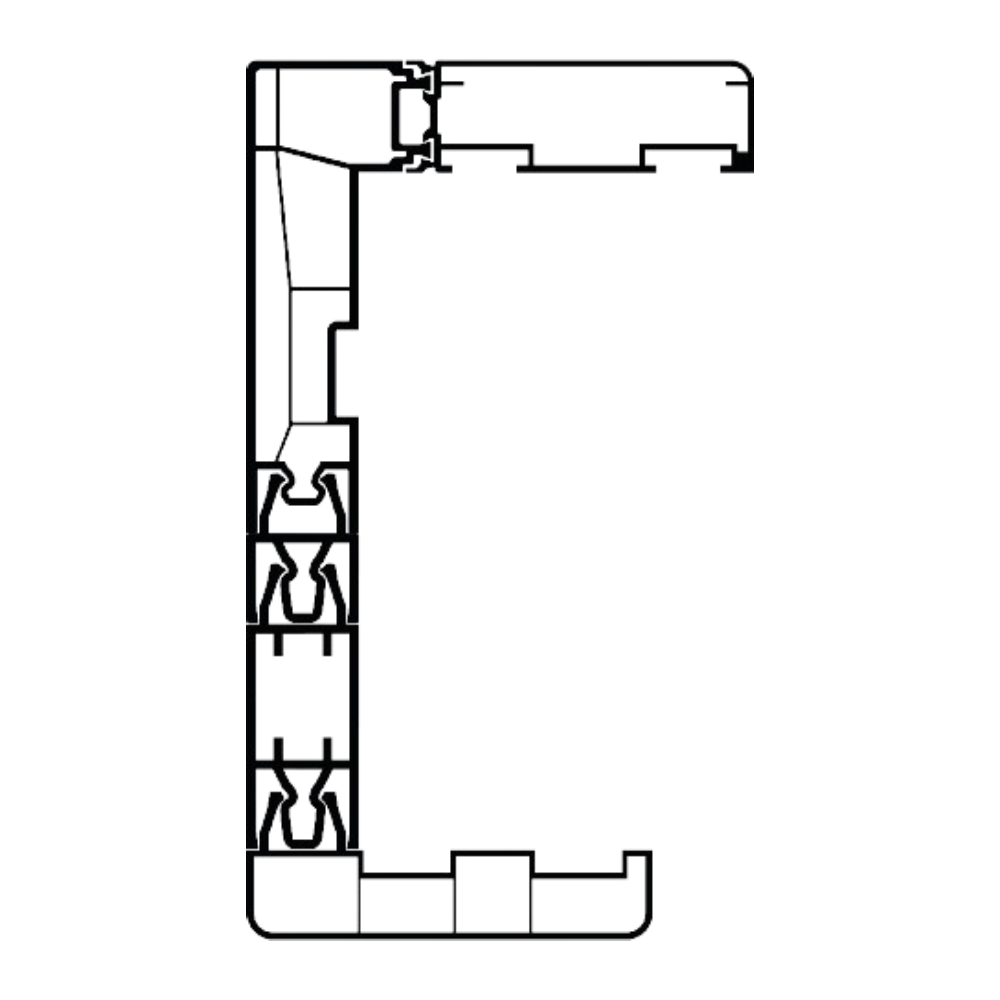
Our aluminum profiles are produced through R&D-supported extrusion processes that enforce tight dimensional tolerances, ensuring seamless integration with standard refrigerator spare parts and showroom cooler parts. Each profile undergoes rigorous quality control checks aligned with ISO and CE benchmarks, delivering durable structural performance across temperature ranges typical of commercial cold storage. For industrial kitchen equipment assembly lines, this translates directly into faster installation and fewer on-site adjustments during commissioning.
In real-world industrial scenarios, our frigorific group products integrate with these profiles to support evaporator coils, condenser brackets, and insulated panel joinery, sustaining energy-efficient thermal envelopes that reduce compressor runtime. Industrial kitchen manufacturers supplying the Moroccan market report measurable drops in warranty claims when specifying our profiles over generic alternatives. The result is sustained operational reliability and predictable maintenance scheduling, two outcomes that directly protect profit margins.
Service providers and large-scale businesses sourcing through İmamoğlu benefit from export-oriented logistics designed for rapid delivery into the Moroccan market, with consolidated shipments that simplify customs handling. We invite procurement teams to explore our catalog and request a tailored quote aligned with their project specifications, ensuring every component contributes to long-term efficiency.
How Do İmamoğlu Aluminum Profiles Perform in Morocco's Climate?
Coastal humidity, temperature swings, and airborne salinity create a uniquely aggressive environment for any aluminum profiles used in cold storage infrastructure across the Moroccan export market. Standard extrusions often oxidize at weld points, warp near evaporator housings, and lose mechanical integrity within compressed service windows. We address this performance gap with profiles engineered to operate reliably under precisely these conditions.
Our aluminum profiles are produced through R&D-supported extrusion techniques that optimize alloy composition for thermal stability and corrosion resistance. Each batch passes rigorous quality control validated against ISO and CE benchmarks, ensuring that industrial kitchen equipment assembly lines receive components that resist surface degradation even in coastal facilities. Cooling system suppliers integrating these profiles into cold room door frames and display cabinet structures report consistent gasket compression and alignment over extended service cycles.
In practical industrial scenarios, the profiles anchor evaporator brackets, condenser supports, and insulated panel joinery within frigorific group products, maintaining tight thermal seals that directly improve energy efficiency. Industrial cold room parts built on our profile geometry reduce compressor cycling frequency, a measurable outcome for large-scale businesses managing fleet-wide operational costs. The result is durable cooling infrastructure that delivers predictable performance and minimal unplanned interruption.
Operators sourcing from the Moroccan market can rely on our export-oriented logistics network to receive specification-matched profiles without delay. We invite service providers and procurement managers to request a quote today and secure long-term reliability for their cooling installations.
What Makes Aluminum Profiles Ideal for Morocco Industrial Kitchens?
High-volume catering operations and food processing facilities in the Moroccan export market demand structural components that endure constant thermal shock, wash-down exposure, and mechanical stress. Generic framing materials frequently corrode, deform, and contaminate food-safe zones, forcing industrial kitchen manufacturers into repeated replacement cycles. We engineer aluminum profiles that directly address these operational pressures.
The intrinsic value of aluminum lies in its strength-to-weight ratio, thermal conductivity, and natural corrosion resistance, properties we refine through R&D-supported extrusion. Our aluminum profiles are produced to tight dimensional tolerances, ensuring rapid assembly of workstation frames, ventilation ducts, and overhead mounting rails within industrial kitchen equipment. Each profile passes quality control procedures aligned with ISO and CE standards, delivering durable performance that service providers can specify with confidence.
In active kitchen scenarios, these profiles integrate with refrigerator spare parts and showcase cooler parts to support prep counters, ingredient wells, and blast chiller housings. The thermal efficiency of aluminum helps stabilize surface temperatures near cooking lines, contributing to energy-efficient operation across frigorific group products. Large-scale businesses sourcing for the Moroccan market benefit from reduced maintenance frequency and streamlined compliance with hygiene regulations.
Our export-oriented supply chain ensures consistent stock availability and specification-matched delivery. We invite procurement teams to explore our catalog and request a tailored quote, securing long-lasting structural integrity for every kitchen installation.
Why Should Morocco Manufacturers Choose İmamoğlu Aluminum Profiles?
Component inconsistency and supply uncertainty are persistent frustrations for industrial kitchen manufacturers and cooling system suppliers operating in the Moroccan export market. Off-spec extrusions disrupt production schedules, compromise certification documentation, and inflate assembly labor costs. We eliminate these friction points by delivering aluminum profiles built on engineering precision and verified quality.
Our manufacturing advantage stems from R&D-supported production lines that enforce strict alloy standards and dimensional accuracy across every batch. Each aluminum profile passes multi-stage quality control testing aligned with ISO and CE frameworks, giving procurement teams traceable documentation for their compliance records. This reliability allows service providers to standardize specifications across multiple projects without recalibrating tolerances or sourcing alternatives.
In assembly operations targeting the Moroccan market, our profiles slot directly into existing workflows for industrial kitchen equipment, cold room door fabrication, and showcase cooler construction. They integrate seamlessly with refrigerator spare parts and frigorific group products, supporting energy-efficient thermal envelopes that reduce compressor workload. Large-scale businesses consistently report fewer warranty interventions and improved uptime metrics after standardizing on our supply.
Our export-oriented logistics network consolidates shipments to minimize lead times and customs delays for the Moroccan market. We invite manufacturers to explore our catalog and request a quote, securing predictable supply and measurable performance gains.
How to Verify Quality When Buying Aluminum Profiles in Morocco?
Procurement teams sourcing aluminum profiles for the Moroccan export market routinely encounter inconsistent extrusions, undocumented alloy grades, and surface defects that compromise downstream assembly integrity. Without rigorous verification protocols, industrial kitchen manufacturers risk installing components that fail prematurely, triggering costly field replacements and eroding client trust. We provide a transparent quality framework that removes this uncertainty.
Effective verification begins with documented alloy certification and dimensional inspection against engineering drawings. Our aluminum profiles ship with full material traceability and quality control records validated against ISO and CE benchmarks. Each profile is produced through R&D-supported extrusion lines that enforce tight wall thickness and straightness tolerances, critical parameters for industrial kitchen equipment frames and cold room door assemblies. Cooling system suppliers benefit from batch-level documentation that simplifies their own audit trails.
Surface finish, anodizing consistency, and hardness testing form the second verification layer. Our profiles undergo salt-spray and mechanical load evaluations before dispatch, ensuring durable cooling performance in demanding environments. In practical scenarios, this verification prevents gasket leaks in showcase cooler parts and alignment shifts in refrigerator spare parts, two failure points that directly impact energy efficiency. Large-scale businesses report measurable reductions in warranty claims after standardizing on fully documented supply chains.
Our export-oriented documentation package supports seamless customs clearance into the Moroccan market. We invite buyers to explore our catalog and request a quote, securing verifiable quality from receipt to installation.

Which Aluminum Profile Grades Suit Morocco Refrigeration Projects?
Selecting the wrong alloy grade for aluminum profiles in refrigeration installations is a costly miscalculation, especially for projects exported to the Moroccan market where coastal humidity, temperature variance, and continuous compressor vibration create relentless stress. Inappropriate grades deform under load, compromise thermal seals, and accelerate corrosion at weld interfaces. We engineer grade-specific profiles that neutralize these risks.
For cold room door frames and insulated panel joinery, our 6063-T5 grade aluminum profiles deliver optimal thermal conductivity and surface finish, supporting tight gasket compression. For structural components bearing evaporator weight within frigorific group products, 6061-T6 profiles provide superior tensile strength. Each grade is produced through R&D-supported extrusion and validated under ISO-aligned quality control, ensuring industrial kitchen equipment manufacturers receive specification-matched material.
In active refrigeration scenarios across the Moroccan market, correctly graded profiles integrate seamlessly with refrigerator spare parts and showcase cooler parts, maintaining dimensional stability across thousands of thermal cycles. This precision supports energy-efficient operation by preserving seal integrity, reducing compressor runtime, and lowering energy consumption. Cooling system suppliers serving large-scale businesses report fewer service interventions when grade selection aligns with application demands.
Our technical team assists buyers in matching alloy grades to specific refrigeration configurations exported to the Moroccan market. We invite project managers to explore our catalog and request a consultation, securing the optimal profile grade for lasting performance.
Are İmamoğlu Aluminum Profiles Cost-Effective for Morocco Projects?
Procurement managers in the Moroccan export market often evaluate aluminum profiles on upfront unit price alone, overlooking the hidden costs of premature failure, repeated replacements, and production interruptions. This narrow calculation frequently inflates total project expenditure far beyond initial savings. We demonstrate measurable cost efficiency through engineering precision and lifecycle performance.
Our aluminum profiles are produced through R&D-supported extrusion processes that minimize material waste and reject rates. Each batch passes quality control aligned with ISO and CE standards, reducing the likelihood of defective shipments reaching industrial kitchen manufacturers and cooling system suppliers. The result is lower warranty exposure and predictable assembly timelines, both of which directly protect project margins.
In real-world refrigeration scenarios exported to the Moroccan market, the durability of our profiles extends service intervals for refrigerator spare parts and showcase cooler parts integration. Reduced thermal cycling stress maintains seal integrity within frigorific group products, supporting energy-efficient operation and lowering electricity costs across the equipment lifecycle. Large-scale businesses tracking total cost of ownership consistently confirm that premium-grade profiles outperform economy alternatives on multi-year financial metrics.
Our export-oriented logistics and consolidated shipping options further reduce landed costs for the Moroccan market. We invite decision-makers to explore our catalog and request a detailed quotation, securing verifiable cost efficiency from first installation through years of reliable service.
How to Import Certified Aluminum Profiles Into Morocco?
Importing aluminum profiles into the Moroccan market involves navigating certification requirements, customs documentation, and logistics coordination that frequently overwhelm first-time buyers. Documentation errors delay shipments, non-compliant materials trigger border rejections, and industrial kitchen manufacturers face production standstills while awaiting resolution. We streamline this entire process through pre-verified compliance and structured export support.
Our aluminum profiles ship with full ISO and CE certification packets, including mill test certificates, alloy traceability records, and dimensional inspection reports. Each batch is produced under R&D-supported processes with multi-stage quality control documentation, enabling cooling system suppliers and service providers to clear customs efficiently. This preparation eliminates the most common cause of import delays: incomplete or inconsistent paperwork.
For refrigeration projects bound for the Moroccan market, our profiles integrate directly with industrial cold room parts, refrigerator spare parts, and showcase cooler parts, reducing on-site adaptation work. Certified dimensional accuracy supports energy-efficient assembly of frigorific group products, and predictable material performance protects large-scale businesses from warranty escalations tied to substandard imports.
Our export-oriented logistics team coordinates consolidated shipments, Incoterms alignment, and destination handling for the Moroccan market. We invite importers to explore our catalog and request a logistics assessment, securing certified supply chains and uninterrupted production schedules.
What Standards Apply to Aluminum Profiles Exported to Morocco?
Compliance missteps on aluminum profiles entering the Moroccan market routinely stall projects, inflate inspection costs, and force industrial kitchen manufacturers into emergency requalification cycles. Without a clear understanding of applicable standards, procurement teams accept shipments that fail conformity assessments at destination. We address this gap by aligning every shipment with internationally recognized benchmarks before dispatch.
Our aluminum profiles comply with ISO 9001 quality management protocols and CE marking requirements applicable to refrigeration and kitchen equipment components. Each batch is produced through R&D-supported extrusion with documented quality control covering alloy chemistry, mechanical properties, and dimensional tolerances. Cooling system suppliers and service providers receive complete conformity files, enabling seamless interaction with conformity assessment bodies serving the Moroccan market.
In practical refrigeration applications, standards-compliant profiles anchor evaporator housings, cold room door frames, and insulated panel joinery within frigorific group products. This compliance supports predictable interaction with refrigerator spare parts and showcase cooler parts, maintaining thermal seal integrity and enabling energy-efficient performance. Large-scale businesses benefit from reduced audit friction and stronger compliance posture across their equipment portfolios.
Our export-oriented documentation system prepares every shipment for rapid clearance and post-installation verification. We invite compliance officers and procurement leaders to explore our catalog and request a conformity overview, securing standards-aligned supply for the Moroccan market.
How Can Morocco Businesses Cut Downtime With Quality Profiles?
Unplanned equipment shutdown remains the single largest profit leak for industrial kitchen manufacturers and cooling system suppliers serving the Moroccan market. Warped door frames, fractured mounting rails, and corroded panel joinery trigger cascading failures across connected refrigeration components. We counter this risk through aluminum profiles engineered for uninterrupted service life.
Our profiles are produced through R&D-supported extrusion that balances alloy strength, surface hardness, and dimensional precision. Multi-stage quality control testing aligned with ISO and CE standards eliminates weak batches before they reach industrial kitchen equipment assembly lines. Service providers report that specification-matched profiles reduce on-site rework and shorten commissioning timelines, two factors that directly compress project delivery windows.
For refrigeration operations in the Moroccan market, durable profiles stabilize evaporator supports, cold room hinges, and showcase cabinet structures within frigorific group products. Stable geometry protects refrigerator spare parts and showcase cooler parts from vibration-induced wear, sustaining energy-efficient thermal performance and reducing emergency service dispatches. Large-scale businesses managing multi-site portfolios see measurable uptime gains within the first operational year after standardizing on our supply.
Our export-oriented logistics and predictable lead times prevent stock-out scenarios that prolong downtime events. We invite operations leaders to explore our catalog and request a supply assessment, securing the structural reliability their installations demand.