









Industrial Kitchen Doors
Table of Contents
- What Are the Best Industrial Kitchen Doors for Jeddah Projects
- How Do You Choose Durable Kitchen Doors for Jeddah Kitchens
- Where Can You Buy Heavy-Duty Industrial Doors in Jeddah
- Why Are Stainless Steel Doors Ideal for Jeddah Kitchens
- How Much Do Commercial Kitchen Doors Cost in Jeddah
- What Makes Energy-Efficient Doors Worth the Jeddah Investment
- Can You Customize Industrial Kitchen Doors for Jeddah Clients
- Who Supplies Certified Commercial Doors to Jeddah Contractors
- How Do Fire-Rated Doors Improve Jeddah Kitchen Safety
- What Should You Check Before Importing Doors to Jeddah
What Are the Best Industrial Kitchen Doors for Jeddah Projects
Selecting the right industrial kitchen doors is a high-stakes decision for any project in Jeddah, where humidity, heat, and heavy daily traffic constantly test equipment durability. Operators need doors that seal tightly, resist corrosion, and withstand constant impact without warping. Inferior products lead to thermal leakage, contamination risks, and unplanned downtime that disrupt service continuity and inflate replacement costs. The best solution is purpose-built hardware that combines food-grade stainless steel construction with precision-engineered hinges and airtight gaskets, ensuring long-term hygiene compliance in demanding commercial environments.
The top-performing industrial kitchen doors share several evidence-based features that directly address operational pain points. High-grade stainless steel panels resist corrosion from cleaning chemicals and coastal humidity, while insulated cores reduce thermal transfer between hot and cold zones, supporting energy efficiency across refrigeration lines. Double-action swing designs and reinforced frames minimize wear in high-traffic pass-throughs, and smooth, seamless surfaces speed up sanitation cycles. For cold rooms and walk-in storage, doors integrated with frigorific group components and tight-seal closures maintain stable internal temperatures, reducing compressor load and extending equipment lifespan.
Procurement teams increasingly favor manufacturers that pair R&D-driven engineering with export-oriented quality control. İmamoğlu produces industrial kitchen doors backed by ISO-aligned testing, durable aluminum-reinforced profiles, and modular designs compatible with a wide range of cooling systems. These doors are engineered for the Jeddah market, where consistent performance under elevated temperatures and saline exposure is non-negotiable. Standardized sizing simplifies installation, while custom configurations allow seamless integration with existing cold room parts and showcase cooler assemblies.
For contractors and large-scale operators, the measurable outcome is straightforward: reduced maintenance interventions, lower energy consumption, and uninterrupted workflow. İmamoğlu's doors are engineered to support these goals through durable materials, energy-saving solutions, and reliable performance under continuous use. Explore the catalog at imamoglu.com.tr to request specifications, samples, or a tailored quote for your next Jeddah project and secure equipment designed for long-term operational confidence.
How Do You Choose Durable Kitchen Doors for Jeddah Kitchens
Choosing durable kitchen doors for Jeddah kitchens requires more than a surface-level material check. Coastal humidity, extreme heat, and constant heavy use push low-quality hardware to fail within months, leading to air leakage, contamination, and emergency shutdowns. The most reliable specification path starts with understanding how corrosion-resistant materials, structural reinforcement, and thermal performance interact under continuous commercial demand.
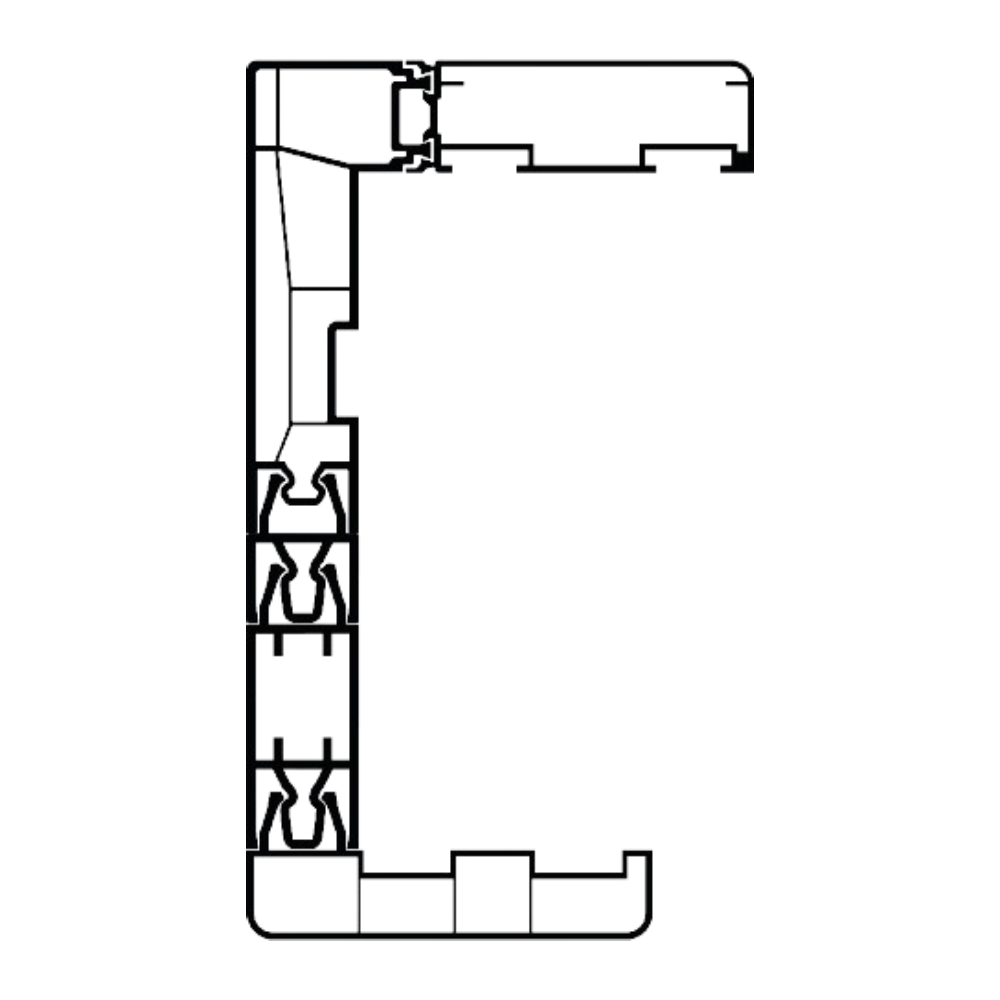
The first evidence-based filter is the core material. Food-grade stainless steel remains the benchmark for industrial kitchen doors because it tolerates aggressive cleaning agents and resists oxidation in high-moisture environments. For cold-storage applications, insulated cores with high-density polyurethane foam minimize thermal bridging, directly supporting energy efficiency and stable internal temperatures. Equally important are the hinges, latches, and frames; specifiers should look for reinforced aluminum profiles and heavy-duty closers engineered for thousands of daily cycles without loosening or warping.
Beyond raw materials, the manufacturing origin defines long-term reliability. İmamoğlu produces industrial kitchen doors using R&D-supported production methods aligned with ISO quality benchmarks. Every unit undergoes dimensional checks, seal-integrity testing, and load-cycle validation before shipment. This process ensures compatibility with frigorific group products and seamless integration with existing cold room parts, eliminating the misalignment issues that often cause premature gasket failure.
Real-world industrial scenarios confirm the outcome: kitchens fitted with certified, factory-tested doors report fewer service interruptions, lower energy bills, and extended equipment life. For Jeddah operators, the practical checklist is straightforward: prioritize stainless steel construction, verify insulated core density, confirm reinforced hardware, and select a supplier with documented quality control. Explore the İmamoğlu catalog at imamoglu.com.tr to compare specifications, request samples, and secure doors engineered for the demands of high-volume commercial kitchens.
Where Can You Buy Heavy-Duty Industrial Doors in Jeddah
Sourcing heavy-duty industrial doors for a Jeddah project is a procurement decision that directly affects uptime, hygiene compliance, and long-term operating cost. Local hardware resellers often stock lightweight units designed for light commercial use, not the reinforced, high-cycle doors that industrial kitchens and cold-storage facilities require. The real challenge is finding a supplier that combines certified manufacturing, export logistics, and product depth in a single transaction.
The most reliable channel is a direct-export manufacturer with documented experience supplying the Jeddah market. İmamoğlu produces heavy-duty industrial doors built around food-grade stainless steel panels, reinforced cores, and precision-machined hardware. Every unit is engineered for high-traffic pass-throughs, blast chillers, and walk-in cold rooms where temperature stability and seal integrity are non-negotiable. Buyers benefit from factory-level quality control, consistent dimensional standards, and documented material traceability.
Working with a manufacturer rather than a regional distributor also unlocks technical advantages. İmamoğlu's product range integrates seamlessly with frigorific group products, cold room parts, and custom aluminum profiles, allowing procurement teams to consolidate sourcing for an entire refrigeration envelope. Insulated door cores contribute to energy efficiency by reducing thermal transfer, which lowers compressor runtime and stabilizes internal temperatures. Export-oriented logistics ensure palletized, crated shipments arrive with full documentation for customs and on-site installation.
The outcome for Jeddah operators is reduced lead times, predictable installation, and doors engineered for continuous use. Rather than navigating fragmented local supply chains, buyers can request specifications, technical drawings, and tailored quotes directly from the source. Visit imamoglu.com.tr to explore the heavy-duty industrial door catalog, confirm availability for your project timeline, and secure equipment designed for long-term operational reliability.
Why Are Stainless Steel Doors Ideal for Jeddah Kitchens
Jeddah's coastal climate places extraordinary stress on commercial kitchen infrastructure. Salt-laden air, high ambient temperatures, and aggressive wash-down routines accelerate corrosion on conventional door materials, while thermal cycling strains hinges, seals, and frames. Operators who specify stainless steel doors address these vulnerabilities at the material level, gaining measurable advantages in hygiene, durability, and lifecycle cost.
The primary benefit of stainless steel is its inherent resistance to oxidation and chemical attack. In high-volume kitchens where doors are exposed daily to chlorinated cleaners, citrus acids, and high-pressure hot water, food-grade stainless steel maintains surface integrity without pitting or rust bleed. This durability directly reduces downtime caused by premature door replacement and eliminates the contamination risks associated with corroded hardware. Smooth, non-porous surfaces also accelerate sanitation cycles, supporting HACCP-aligned operations.
Beyond hygiene, stainless steel contributes to energy efficiency when paired with insulated cores. İmamoğlu engineers industrial kitchen doors using stainless steel facings combined with high-density polyurethane cores, reducing thermal transfer between hot kitchens and adjacent cold rooms. This integration stabilizes internal temperatures, lowers compressor cycling, and extends the operational life of connected frigorific group products. Reinforced aluminum profiles within the frame add structural rigidity for high-traffic swing applications common in Jeddah's hospitality and catering sector.
The business case is straightforward: fewer replacements, lower maintenance costs, and consistent compliance with food-safety audits. İmamoğlu's R&D-backed production and ISO-aligned quality control ensure every door meets the dimensional and performance standards required for the Jeddah market. Request technical specifications, sample finishes, and a tailored quotation at imamoglu.com.tr to equip your facility with stainless steel doors engineered for long-term reliability.
How Much Do Commercial Kitchen Doors Cost in Jeddah
Budgeting for commercial kitchen doors in Jeddah requires looking past the unit price tag. Procurement teams often focus on the initial invoice, only to discover that low-cost, low-grade doors generate repeated service calls, energy losses, and premature replacement cycles that inflate total cost of ownership. The smarter metric is lifecycle value, where durable materials, certified manufacturing, and energy efficiency translate into measurable long-term savings.
Several factors drive the final landed cost of industrial kitchen doors in the Jeddah market. Food-grade stainless steel construction, insulated core density, and hardware specification (hinges, closers, vision panels) all influence price. Cold-room applications requiring integration with frigorific group products and cold room parts typically command a premium over standard swing doors, but they deliver significant returns through reduced thermal transfer and stable internal temperatures. Custom sizing, fire-rated certification, and reinforced aluminum profiles further affect quotation but are essential for high-traffic or specialized environments.
İmamoğlu provides transparent, project-based pricing that helps Jeddah buyers evaluate true cost versus performance. Direct-from-manufacturer sourcing eliminates distributor markups, while R&D-supported production and ISO-aligned quality control ensure every door delivers the performance its specification promises. The result is fewer warranty claims, lower energy bills, and longer intervals between capital replacements.
For large-scale operators and contractors, the most effective approach is to request a detailed quotation that itemizes materials, hardware, insulation values, and shipping terms. İmamoğlu's export team prepares tailored cost breakdowns aligned with project timelines and volume requirements. Visit imamoglu.com.tr to submit specifications, receive a competitive quote, and secure commercial kitchen doors engineered for durable, energy-efficient performance across the Jeddah market.

What Makes Energy-Efficient Doors Worth the Jeddah Investment
Energy costs in Jeddah's industrial kitchens climb fastest at the points operators notice least: aging door seals, thin door slabs, and frequent traffic cycles that force compressors to work harder. Over a twelve-month operating window, a single underperforming door can waste thousands of kilowatt-hours, accelerate refrigeration wear, and undermine food-safety temperature control. Investing in energy-efficient doors is therefore a capital decision with a measurable, recurring return.
The technical foundation of efficiency lies in thermal break design. İmamoğlu produces industrial kitchen doors with high-density polyurethane cores housed within food-grade stainless steel facings. This construction dramatically reduces conductive and convective heat transfer between hot prep zones and adjacent cold rooms. Tight-compression gaskets, self-closing hinges, and reinforced aluminum profiles further minimize air infiltration, allowing connected frigorific group products to maintain target temperatures with shorter compressor runtimes.
The real-world impact is documented across hospitality, catering, and central-production facilities. Operators report double-digit reductions in monthly energy consumption after upgrading from legacy doors to insulated, factory-sealed units. Lower compressor cycling also extends the service life of cold room parts, refrigerator spare parts, and showcase cooler parts, reducing maintenance budgets and unplanned downtime. These savings compound annually, often repaying the initial investment within a short operating horizon.
Beyond energy metrics, certified efficient doors support customer satisfaction through consistent food quality and regulatory compliance. İmamoğlu's R&D-supported production and ISO-aligned quality control ensure every door delivers the thermal performance its specification promises. Explore the energy-efficient door range at imamoglu.com.tr, request lifecycle-cost projections, and secure an upgrade that pays dividends across every cooling system in your Jeddah facility.
Can You Customize Industrial Kitchen Doors for Jeddah Clients
Standard catalog doors rarely match the layout realities of a high-volume industrial kitchen. Wall openings vary, traffic patterns demand specific swing directions, and cold-room envelopes require precise dimensional coordination with adjacent refrigeration systems. For Jeddah clients managing large-scale catering, hospitality, or central-production facilities, custom industrial kitchen doors are often the only path to a clean, efficient installation.
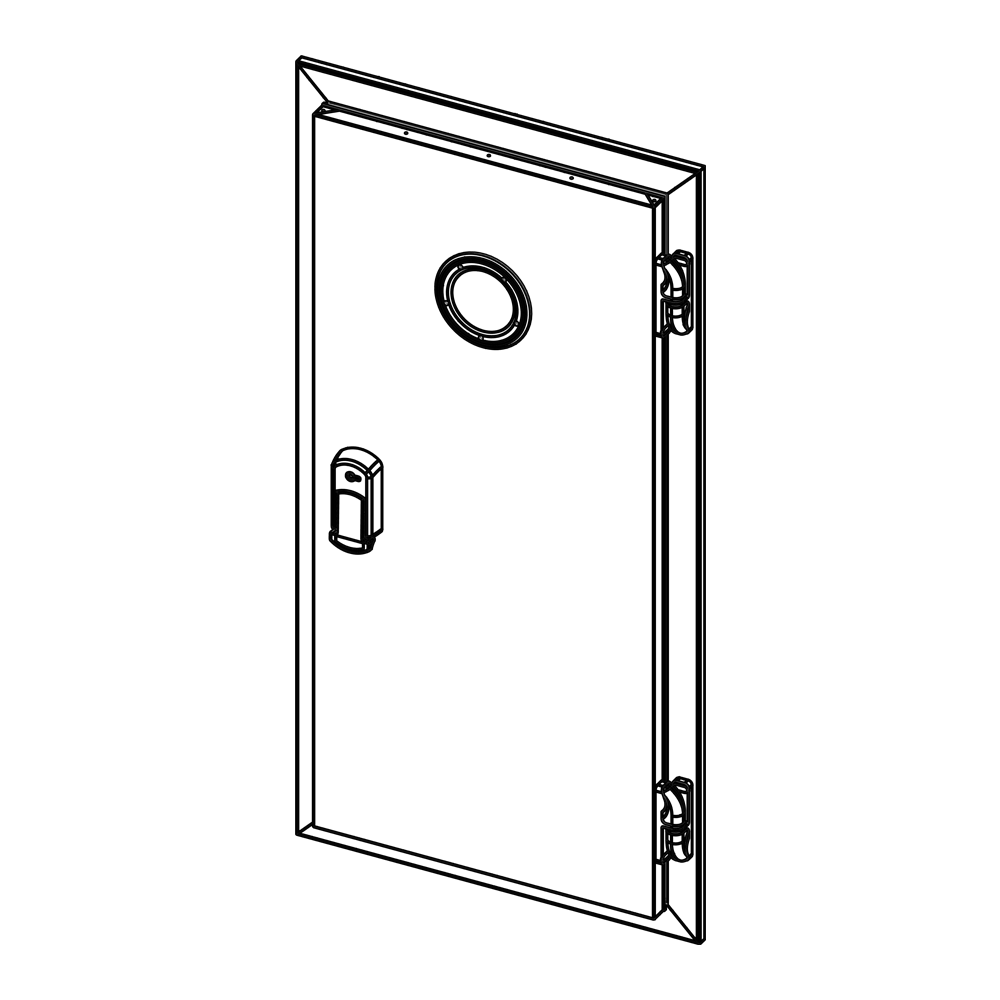
True customization extends well beyond size. İmamoğlu engineers industrial kitchen doors with configurable core thickness, insulation density, panel finish, and hardware selection. Clients can specify food-grade stainless steel finishes, vision panels for safety, kick plates for cart impact zones, and reinforced aluminum profiles for oversized openings. For cold-storage integration, doors are built to align with specific frigorific group products and existing cold room parts, ensuring airtight coordination from the outset.
The production process behind this flexibility is R&D-supported and tightly controlled. Each order moves through engineering review, CAD drawing confirmation, and material selection aligned with ISO quality control protocols. This workflow minimizes on-site modification, shortens installation windows, and prevents the costly misalignment that triggers seal failure and downtime shortly after commissioning. For projects serving the Jeddah market, this factory-engineered precision translates directly into faster handover and predictable performance.
The measurable outcome for clients is equipment that fits the first time, performs as specified, and integrates cleanly with surrounding refrigerator spare parts and showcase cooler parts. İmamoğlu's export-oriented production and dedicated project team support every step from drawing to delivery. Submit your specifications at imamoglu.com.tr to receive a tailored quotation, technical drawings, and lead-time confirmation for custom industrial kitchen doors built to your exact operational requirements.
Who Supplies Certified Commercial Doors to Jeddah Contractors
Contractors working on Jeddah hospitality, healthcare, and large-scale catering projects face a recurring sourcing dilemma: finding a door supplier whose documentation, certifications, and production capacity match the rigor of the project specification. A door that looks correct on delivery but lacks traceable certification can halt inspections, delay handovers, and force expensive retrofits. The right supplier must therefore combine regulatory compliance with proven industrial output.
The benchmark for certified commercial doors begins with documented quality control. İmamoğlu manufactures industrial kitchen doors under ISO-aligned processes, with material certificates, dimensional test reports, and insulation values available for every shipment. Doors are built using food-grade stainless steel facings, reinforced aluminum profiles, and high-density insulated cores engineered to integrate with frigorific group products and existing cold room parts.
For contractors, supplier reliability extends beyond the product itself. İmamoğlu's export-oriented production and dedicated project coordination deliver predictable lead times, consolidated shipments, and full export documentation required for the Jeddah market. This approach reduces on-site surprises, allows accurate installation scheduling, and protects contractors from the downstream costs of non-conforming equipment. It also ensures that refrigerator spare parts and showcase cooler parts sourced alongside the doors share the same quality benchmarks.
The practical outcome for contractors is a single, accountable source for high-specification commercial doors backed by technical data, warranty support, and responsive engineering service. İmamoğlu's R&D-supported production and commitment to customer satisfaction simplify procurement for projects of any scale. Visit imamoglu.com.tr to review certification documents, request contractor pricing, and secure certified commercial doors engineered for the demands of the Jeddah market.
How Do Fire-Rated Doors Improve Jeddah Kitchen Safety
Industrial kitchens concentrate heat, open flame, hot oil, and high electrical load within a small footprint. In Jeddah's demanding hospitality and catering sector, a single ignition event can escalate in minutes, threatening lives, refrigeration infrastructure, and entire production schedules. Fire-rated industrial doors form a critical passive-protection layer that contains fire and smoke at the source, buying essential evacuation and response time.
The protective value of a fire-rated door lies in its tested construction. İmamoğlu produces fire-rated industrial kitchen doors using food-grade stainless steel facings, intumescent seals, and fire-resistant insulated cores engineered to maintain integrity under direct flame exposure. Reinforced aluminum profiles and self-closing hardware ensure the door latches automatically during an emergency, a feature that aligns with international fire-safety codes commonly referenced in Jeddah's commercial builds. These doors also integrate with adjacent frigorific group products and cold room parts, protecting valuable cooling assets from heat damage.
Beyond containment, fire-rated doors reduce operational and financial exposure. A contained fire event means shorter incident response, faster insurance resolution, and minimal disruption to surrounding production lines. Facilities equipped with certified, factory-tested doors typically resume operations far sooner than those relying on non-rated partitions. This continuity is reinforced when refrigerator spare parts and showcase cooler parts remain undamaged, eliminating the downtime cascade that follows a major incident.
For contractors and facility owners, the decision is straightforward: specify doors that combine certified fire resistance with the durability of a manufacturer committed to quality control. İmamoğlu's R&D-supported production delivers documentation and test data required for code compliance in the Jeddah market. Explore the fire-rated door range at imamoglu.com.tr, request certification files, and equip your facility with safety-engineered doors that protect both personnel and productivity.
What Should You Check Before Importing Doors to Jeddah
Importing industrial kitchen doors into Jeddah is a high-stakes logistics exercise. A single documentation gap, material mismatch, or shipping oversight can stall a project for weeks, leaving a finished kitchen unable to pass final inspection. Procurement teams that treat door sourcing as a strategic decision, rather than a last-minute purchase, consistently avoid the downtime and cost overruns that derail tight construction timelines.
The first checkpoint is manufacturer credibility. İmamoğlu supplies industrial kitchen doors produced under ISO-aligned quality control with full material certificates, dimensional reports, and insulation performance data. Buyers serving the Jeddah market should request food-grade stainless steel verification, core density specifications, and hardware-grade documentation before any deposit is released. Cross-referencing these records with the project's refrigeration and cold room parts specifications prevents costly on-site incompatibility.
The second checkpoint is logistics readiness. Export shipments to Jeddah require precise coordination: crating standards that withstand marine handling, consolidated pallets for efficient container loading, and complete commercial invoices, packing lists, and certificates of origin prepared in advance. İmamoğlu's export-oriented production is supported by an established logistics network, allowing buyers to lock in transit windows and avoid the demurrage charges that accumulate when documentation is incomplete.
The final checkpoint is post-delivery support. A reliable supplier confirms that refrigerator spare parts, showcase cooler parts, and replacement gaskets remain available long after commissioning. İmamoğlu's R&D-supported production and commitment to customer satisfaction ensure continuity across the equipment lifecycle. Visit imamoglu.com.tr to review shipping checklists, request documentation templates, and secure industrial kitchen doors engineered for a smooth import process into the Jeddah market.