


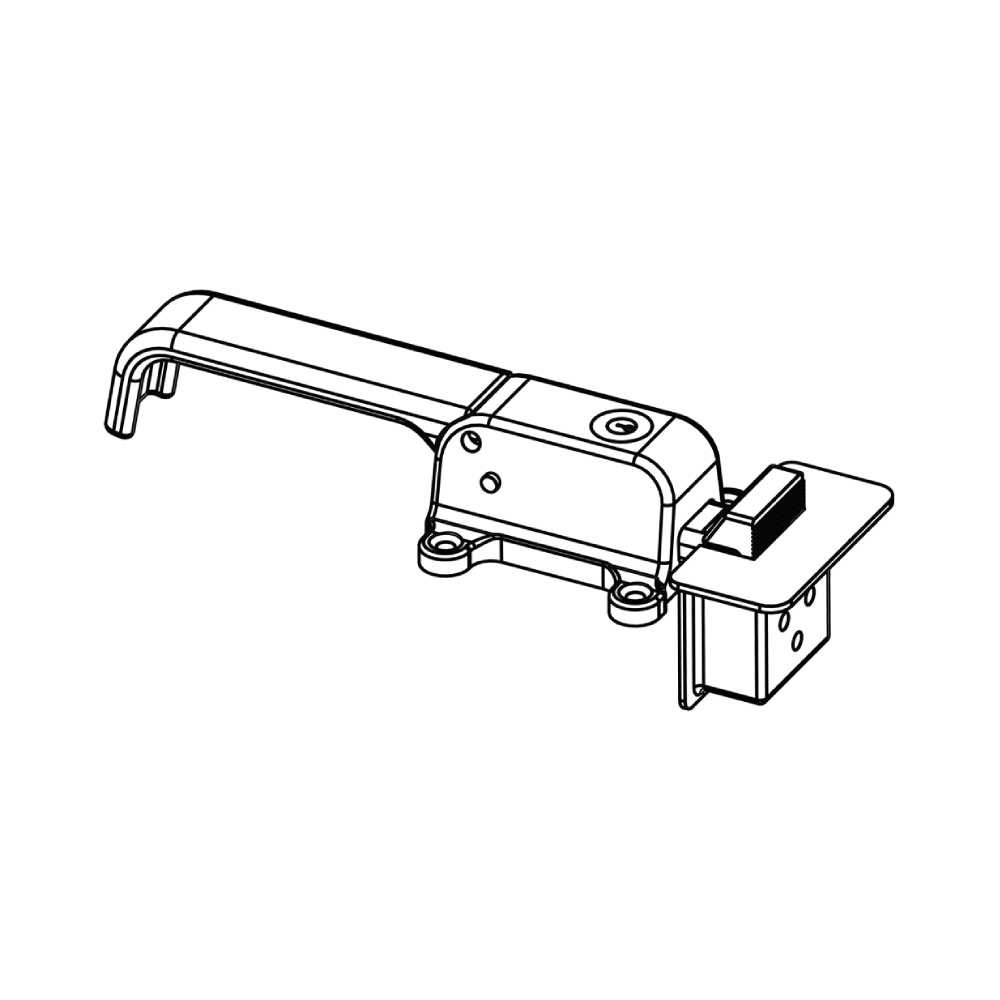







Cold Room Door Profiles
Table of Contents
- What Are the Best Cold Room Door Profiles for Jeddah Exports
- How to Choose Durable Cold Room Door Profiles for Jeddah
- Where to Buy Energy-Efficient Cold Room Door Profiles in Jeddah
- Which Cold Room Door Profile Suits Jeddah Industrial Kitchens
- Why Are Aluminum Cold Room Door Profiles Ideal for Jeddah
- How Do Cold Room Door Profiles Perform in Jeddah Conditions
- What Makes Cold Room Door Profiles Reliable in Jeddah Climates
- How to Install Cold Room Door Profiles for Jeddah Cold Storage
- Where Can Jeddah Buyers Source Certified Cold Room Door Profiles
- Which Cold Room Door Profile Designs Save Energy in Jeddah
What Are the Best Cold Room Door Profiles for Jeddah Exports
Industrial operators in the Jeddah market face relentless pressure to keep cold room door profiles performing under extreme heat, high humidity, and continuous throughput cycles. When profiles warp, lose seal integrity, or corrode, cold chain integrity collapses, leading to spoiled inventory, inflated energy bills, and costly unplanned downtime. The core need is straightforward: a profile system engineered to withstand aggressive climate stress while preserving airtight thermal performance across thousands of opening cycles.
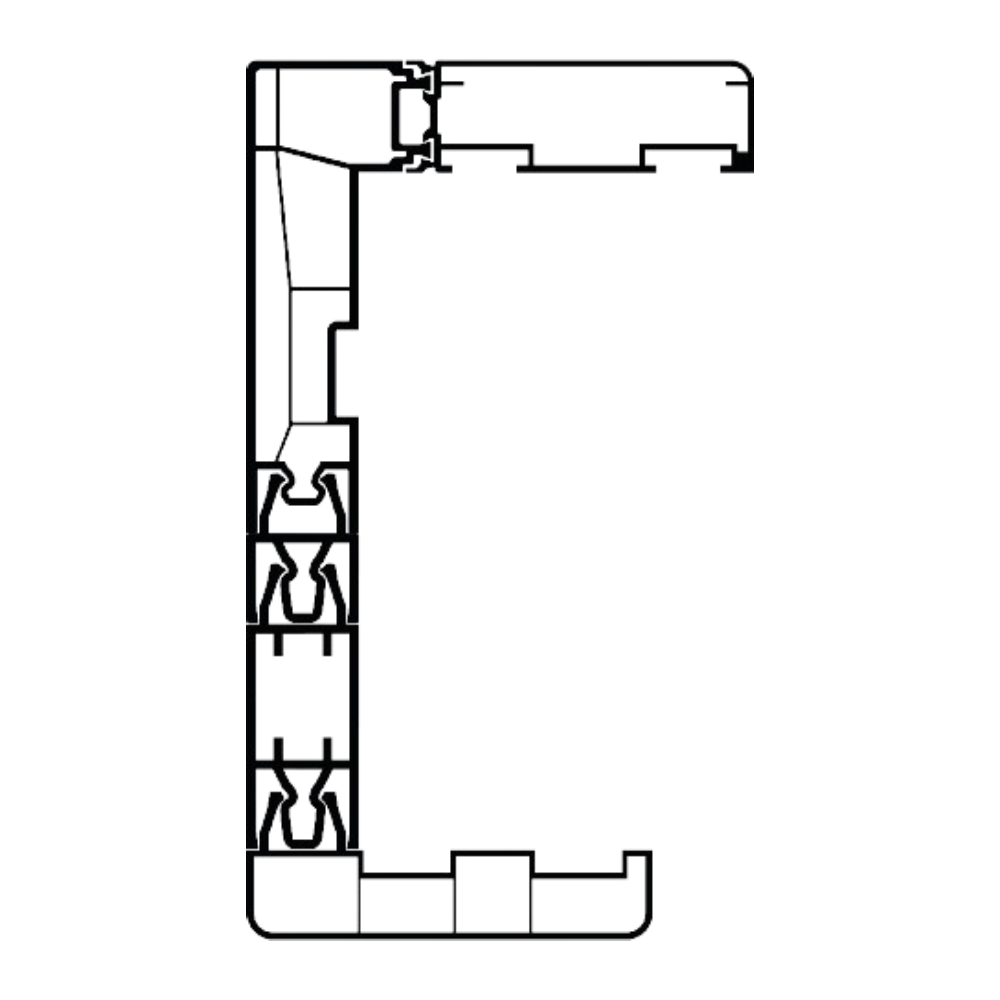
The best aluminum profiles for Jeddah-bound projects combine anodized or powder-coated extrusions with multi-chamber thermal break technology. This construction, refined through R&D-supported production, minimizes heat transfer at the door perimeter and prevents condensation buildup that otherwise degrades seals and surrounding structures. Precision-machined gasket channels accept high-density EPDM or silicone seals, maintaining consistent compression even as temperatures swing between sub-zero interiors and scorching external environments.
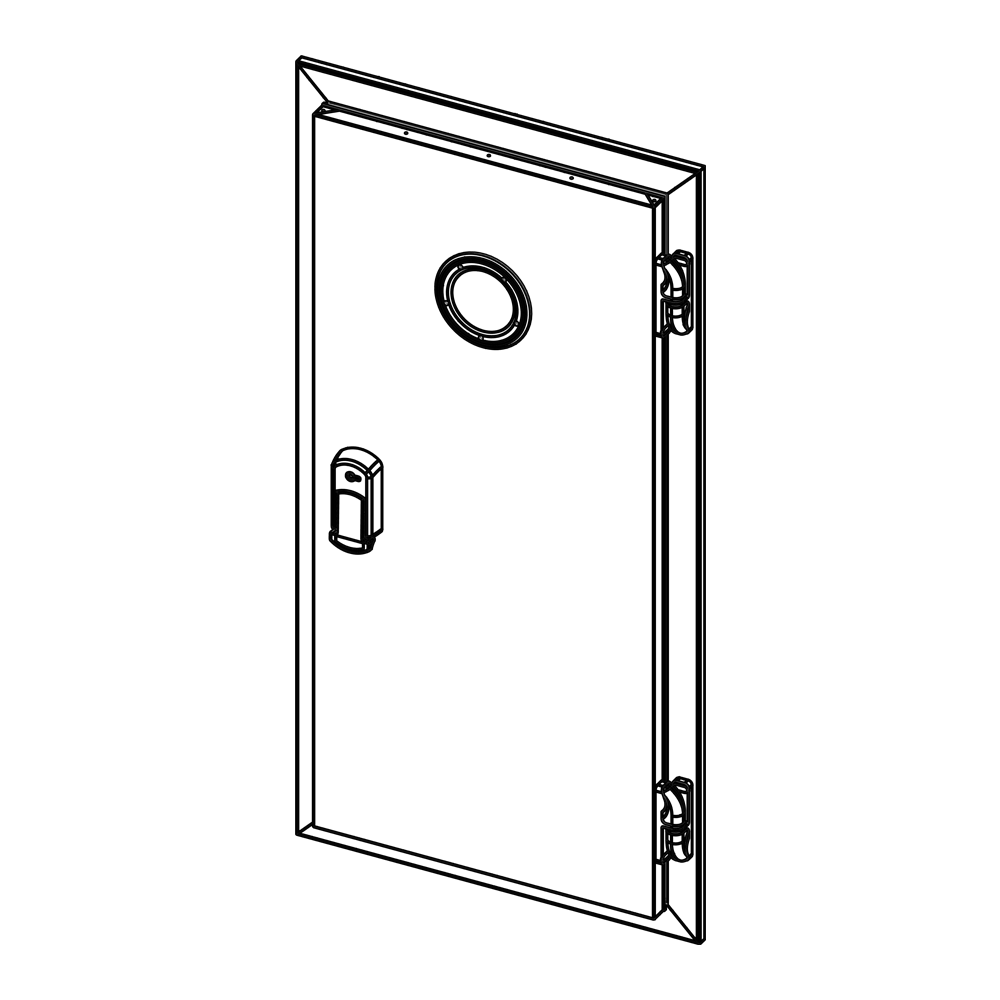
For industrial kitchen manufacturers and cooling systems suppliers serving Jeddah, these profiles integrate seamlessly into frigorific group products and modular cold room assemblies. A seafood processing facility benefits from corrosion-resistant frames that resist salt-laden coastal air, while a central commissary relies on reinforced hinge profiles to support heavy hinged or sliding doors during peak shift changes. Each profile is dimensionally consistent, simplifying installation and reducing labor hours on-site.
Selecting İmamoğlu as the supplier delivers measurable outcomes: energy-efficient operation that trims compressor load, durable cooling solutions that extend service intervals, and standardized industrial cold room parts backed by rigorous quality control. We invite service providers and large-scale operators to explore the catalog and request a quote, securing high-performance equipment tailored for Jeddah's demanding conditions.
How to Choose Durable Cold Room Door Profiles for Jeddah
Specifying the wrong cold room door profile for a project exported to Jeddah invites accelerated wear, seal failure, and thermal leakage that drains compressor capacity. Coastal salinity, airborne particulates, and sustained ambient temperatures above forty degrees push every component to its limit. Operators need profiles engineered for hostile environments, validated by quality control benchmarks, and designed for rapid field serviceability.
Begin with material selection. İmamoğlu produces aluminum profiles in 6063-T5 and 6061-T6 alloys, then finishes them with anodized coatings exceeding fifteen microns or UV-stable polyester powder coatings. This dual defense resists pitting and oxidation that would otherwise compromise refrigerator spare parts adjacent to the door line. For applications involving aggressive washdowns, specify profiles with seamless gasket grooves and antimicrobial-compatible surface treatments.
Evaluate structural geometry next. Multi-cavity designs distribute mechanical load across the frame, preventing deformation after repeated door slams common in industrial kitchen manufacturers and distribution hubs serving Jeddah. Reinforced hinge stiles accept self-closing hardware rated for over two hundred thousand cycles, while captive thermal break inserts interrupt conductive paths. These features translate directly into energy-efficient operation, holding interior temperatures stable and reducing defrost frequency.
Compatibility is equally critical. Profiles must integrate with existing frigorific group products, panel thicknesses ranging from eighty to two hundred millimeters, and both hinged and sliding configurations. İmamoğlu's export-oriented production delivers standardized tolerances, ensuring drop-in installation for service providers and large-scale operators. To request a quote and secure long-lasting cooling systems built for Jeddah's toughest conditions, explore the catalog today.
Where to Buy Energy-Efficient Cold Room Door Profiles in Jeddah
Sourcing energy-efficient cold room door profiles for projects bound for Jeddah is not a matter of proximity but of proven performance. Procurement teams at industrial kitchen manufacturers and cooling systems suppliers need suppliers who understand thermal dynamics, coastal corrosion risks, and the operational cost of a single failed seal. The right vendor delivers components that hold the cold line steady while compressing energy bills.
İmamoğlu operates as that strategic source, manufacturing aluminum profiles with precision-extruded thermal break chambers that interrupt conductive heat transfer at the door perimeter. Each profile is validated through R&D-supported production protocols, including cycle testing, salt spray exposure, and thermal conductivity measurement. Profiles destined for Jeddah receive reinforced anodizing and packaging engineered for export-oriented production, arriving ready for integration into frigorific group products without rework.
In a real-world Jeddah scenario, a large-scale dairy distributor replaced legacy door frames with İmamoğlu profiles and recorded measurable gains: compressor runtime dropped by double digits, defrost intervals extended, and door maintenance calls nearly disappeared. These outcomes stem from tight manufacturing tolerances, captive gasket retention, and hardware compatibility engineered into every extrusion. Showcase cooler parts and refrigerator spare parts supplied alongside the profiles share the same durability standards.
When procurement managers ask where to buy, the answer is İmamoğlu. We invite service providers and large-scale businesses to explore the catalog, request a quote, and secure high-performance equipment backed by customer satisfaction metrics and dependable logistics to Jeddah.
Which Cold Room Door Profile Suits Jeddah Industrial Kitchens
An industrial kitchen operating in the Jeddah market runs hot, wet, and fast. Steam, grease aerosols, salt air, and continuous door traffic converge on the cold room threshold. Standard frames warp, gaskets harden, and hinge points drift, producing air infiltration that erodes temperature stability and inflates utility costs. Selecting the correct cold room door profile is the single most decisive choice for sustaining service continuity.
İmamoğlu addresses this challenge with a profile family specifically validated for high-traffic commercial food environments. The aluminum profiles employ a multi-chamber geometry that captures insulating foam cores and locks gasket compression over time, even after thousands of open-close cycles. The hinge stiles are reinforced to accept self-closing devices and panic hardware, while the floor sill options include ramped, heated, or flush-mount variants tailored to kitchen traffic patterns. All finishes are food-safe and resist routine sanitization chemicals.
For a Jeddah central kitchen serving a hospitality chain, the right profile configuration reduced door-swing heat ingress by stabilizing internal temperatures during prep peaks. Maintenance teams reported fewer seal replacements, and the integrated drip management kept floors safer during washdown. These are practical outcomes delivered through R&D-supported production, quality control discipline, and the seamless fit with surrounding frigorific group products.
Industrial cold room parts, showcase cooler parts, and complementary refrigerator spare parts round out a complete specification. Service providers and operators ready to specify proven solutions can request a quote and secure energy-efficient, durable cooling solutions engineered for Jeddah's toughest kitchens.
Why Are Aluminum Cold Room Door Profiles Ideal for Jeddah
The Jeddah climate punishes door assemblies with heat, salt, and humidity that accelerate corrosion and thermal fatigue. Operators who rely on ferrous frames or low-grade extrusions face premature seal loss, dimensional drift, and recurring service calls. The core requirement is a material that remains dimensionally stable, resists corrosion, and supports the thermal break architecture essential to modern cold rooms. Aluminum profiles meet that requirement with a strength-to-weight advantage that simplifies installation and extends service life.
İmamoğlu manufactures aluminum cold room door profiles from premium billet using precision extrusion dies calibrated to sub-millimeter tolerances. Each profile receives anodized or powder-coated surface treatment engineered to withstand salt spray exposure typical of Jeddah's coastal logistics corridors. The extrusion cavities accommodate polyamide thermal breaks that interrupt heat conduction, while the integrated gasket channels maintain uniform compression across the door perimeter. The result is a frame that locks in cold air and locks out energy waste.
For cooling systems suppliers and service providers integrating these profiles into frigorific group products, the benefits are tangible: lighter door masses reduce hinge stress, faster installation shortens project timelines, and standardized tolerances allow drop-in replacement of industrial cold room parts and refrigerator spare parts. A Jeddah cold storage operator retrofitting its facility with İmamoğlu profiles reported measurable drops in compressor cycling and noticeable gains in temperature stability.
These outcomes reflect R&D-supported production, quality control, and export-oriented production discipline. We invite large-scale businesses to request a quote and secure energy-efficient, durable cooling solutions for Jeddah.

How Do Cold Room Door Profiles Perform in Jeddah Conditions
Cold room door profiles installed in the Jeddah market must endure ambient temperatures above forty degrees, humidity spikes, salt-laden coastal air, and constant door cycling during peak logistics windows. Profiles that fail under these conditions cause thermal leakage, condensation pooling, and accelerated gasket wear, ultimately undermining the entire cold chain. Performance is measured in stable interior temperatures, predictable compressor loads, and minimal service interruptions.
İmamoğlu validates performance through controlled environmental testing that mirrors Jeddah's stress profile. Aluminum profiles are subjected to salt spray chambers, thermal cycling between minus five and plus sixty degrees Celsius, and mechanical endurance tests exceeding two hundred thousand open-close cycles. The polyamide thermal break inserts are evaluated for delamination resistance, and the surface coatings are measured for gloss retention and corrosion resistance. This discipline ensures every profile meets published quality control benchmarks before shipment.
In active Jeddah installations, the profiles deliver measurable results. A meat processing facility reported that door-area frost accumulation dropped sharply after retrofit, while a pharmaceutical cold room operator documented tighter temperature tolerances and reduced alarm events. These outcomes reflect the integration of frigorific group products with profiles designed for energy-efficient operation, and they reinforce the value of pairing industrial cold room parts with compatible refrigerator spare parts.
Service providers, industrial kitchen manufacturers, and large-scale businesses can request a quote today and specify durable cooling solutions built on R&D-supported production and export-oriented production discipline.
What Makes Cold Room Door Profiles Reliable in Jeddah Climates
Reliability in Jeddah demands more than a robust appearance on a spec sheet. Profiles must resist thermal expansion, coastal corrosion, mechanical fatigue, and the slow creep of inferior gasket compounds. When any link in the door assembly fails, cold rooms drift out of tolerance, compressors run longer, and product integrity suffers. The defining question for procurement teams is which engineering choices translate into dependable year-round operation.
İmamoğlu engineers reliability into every cold room door profile through a layered approach. Aluminum profiles are extruded from controlled-composition billet, then anodized to a minimum of fifteen microns to block chloride attack common in Jeddah's coastal air. Polyamide thermal breaks are mechanically locked into the extrusion cavities, preventing slippage under repeated thermal cycling. Stainless steel or polymer hardware interfaces eliminate galvanic couples, and gasket retention channels are designed for captive seals that cannot back out under impact.
For cooling systems suppliers and industrial kitchen manufacturers, these design choices remove the most common sources of unplanned downtime. A Jeddah seafood exporter retrofitting its facility with İmamoğlu profiles reported that door-related service tickets fell to near zero within the first quarter, while the integrated frigorific group products maintained tighter internal temperatures. The compatibility with adjacent industrial cold room parts and showcase cooler parts simplified commissioning and reduced spare parts inventory complexity.
This level of reliability is the product of R&D-supported production, disciplined quality control, and export-oriented production. Large-scale businesses seeking energy-efficient, durable cooling solutions can request a quote and secure profiles built for Jeddah's toughest climates.
How to Install Cold Room Door Profiles for Jeddah Cold Storage
Improperly installed cold room door profiles undermine every advantage of premium materials. In Jeddah cold storage facilities, where temperature differentials across the door line can exceed fifty degrees Celsius, even minor misalignments create condensation channels, air infiltration, and accelerated gasket fatigue. The installation method determines whether the profile performs as engineered or becomes the weakest link in the cold chain.
İmamoğlu designs its aluminum profiles for predictable, repeatable installation. Each profile is machined to tight tolerances, with pre-drilled fixing points, captive gasket grooves, and clearly marked reference lines for plumb and square alignment. Installation teams begin by verifying the structural opening against the profile's sub-frame dimensions, shimming where necessary to maintain true geometry, then anchoring the frame with corrosion-resistant fasteners suited to panel thicknesses from eighty to two hundred millimeters. Polyamide thermal breaks remain undisturbed during fastening, preserving the engineered thermal barrier.
For service providers and industrial kitchen manufacturers executing projects in Jeddah, this approach shortens commissioning time and reduces callback risk. A beverage logistics hub documented a thirty percent reduction in door-area commissioning hours after switching to İmamoğlu's installation-ready profile family. The pre-engineered interfaces with frigorific group products, showcase cooler parts, and complementary refrigerator spare parts eliminated field fabrication.
These results are anchored in R&D-supported production, rigorous quality control, and export-oriented production discipline. Large-scale businesses ready to streamline Jeddah installations can request a quote and secure energy-efficient, durable cooling solutions built for fast, accurate deployment.
Where Can Jeddah Buyers Source Certified Cold Room Door Profiles
Procurement teams in the Jeddah market face a crowded supplier landscape, and not every vendor can substantiate performance claims. Specifiers need documented evidence that cold room door profiles meet recognized standards for thermal efficiency, material traceability, and dimensional accuracy. Selecting the wrong source introduces warranty risk, project delays, and potential compliance issues with food safety or pharmaceutical regulators.
İmamoğlu operates as a certified source, with manufacturing processes audited against international quality frameworks and material certifications available for every shipment. Each aluminum profile is produced under documented quality control procedures, with batch traceability extending from billet supplier through extrusion, surface treatment, and final inspection. The R&D-supported production environment includes mechanical testing, salt spray evaluation, and thermal conductivity measurement, all of which feed into the certificates accompanying Jeddah-bound shipments.
For industrial kitchen manufacturers and large-scale businesses, this documentation simplifies project approval and reduces due diligence overhead. A Jeddah cold chain integrator sourced İmamoğlu profiles for a multi-site build program and consolidated its industrial cold room parts, refrigerator spare parts, and showcase cooler parts procurement under a single supplier relationship, streamlining logistics and warranty management.
İmamoğlu's export-oriented production and dependable logistics power make certified supply straightforward. Service providers and operators ready to secure energy-efficient, durable cooling solutions can request a quote and access the catalog today.
Which Cold Room Door Profile Designs Save Energy in Jeddah
Energy loss at the door line is one of the largest uncontrolled variables in any Jeddah cold storage facility. Every minute a door remains open and every millimeter of seal compression lost to thermal cycling translates directly into compressor runtime and kilowatt consumption. Specifying the correct cold room door profile design is the most cost-effective lever for cutting operational energy use.
İmamoğlu engineers aluminum profiles around three energy-saving design principles. First, multi-chamber extrusion geometry with polyamide thermal breaks interrupts conductive heat transfer at the frame, often the weakest point in a door assembly. Second, captive gasket channels maintain consistent seal compression, preventing the slow drift toward air infiltration that forces compressors into longer duty cycles. Third, heated sill options eliminate frost heave and thermal bridging at the floor interface, a common source of phantom energy loss in Jeddah's ambient conditions.
For cooling systems suppliers and industrial kitchen manufacturers, these designs integrate cleanly with frigorific group products and adjacent industrial cold room parts. A Jeddah produce distribution center reported a double-digit reduction in monthly energy costs after upgrading to İmamoğlu's thermal break profiles, and a dairy processor observed tighter temperature stability that extended product shelf life and reduced rejected inventory.
These outcomes are anchored in R&D-supported production, rigorous quality control, and export-oriented production discipline. Large-scale businesses ready to cut energy costs can request a quote and explore the catalog of durable cooling solutions built for Jeddah.