



Why Hygienic Profiles Are Becoming the Standard
Table of Contents
- What Is a Hygienic Profile?
- Food Safety and the Risk of Biofilm
- Rounded Corners and Ease of Cleaning
- Material Choice: Stainless Steel and Alternatives
- Surface Roughness and Resistance to Soiling
- Hygienic Design of Frame and Panel Joints
- Inspection Expectations and Standards
- Life-Cycle Cost
- Conclusion
What Is a Hygienic Profile?
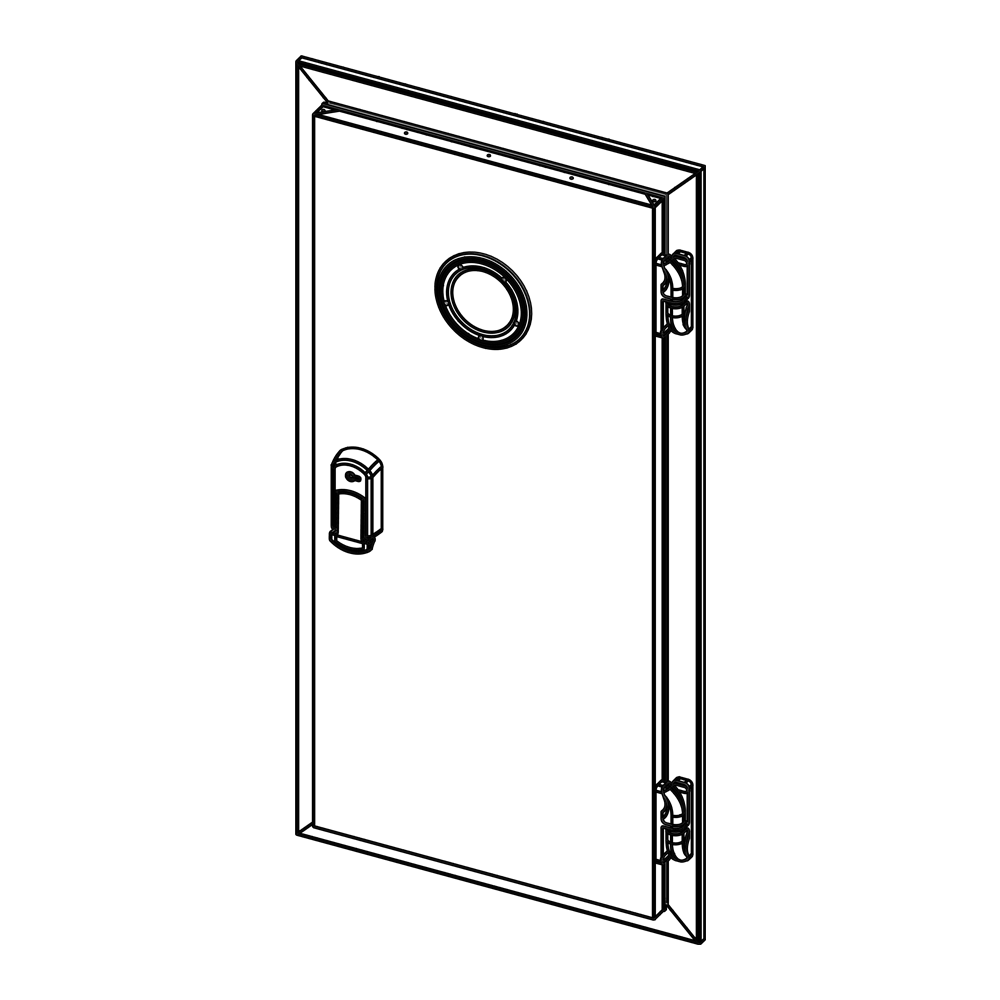
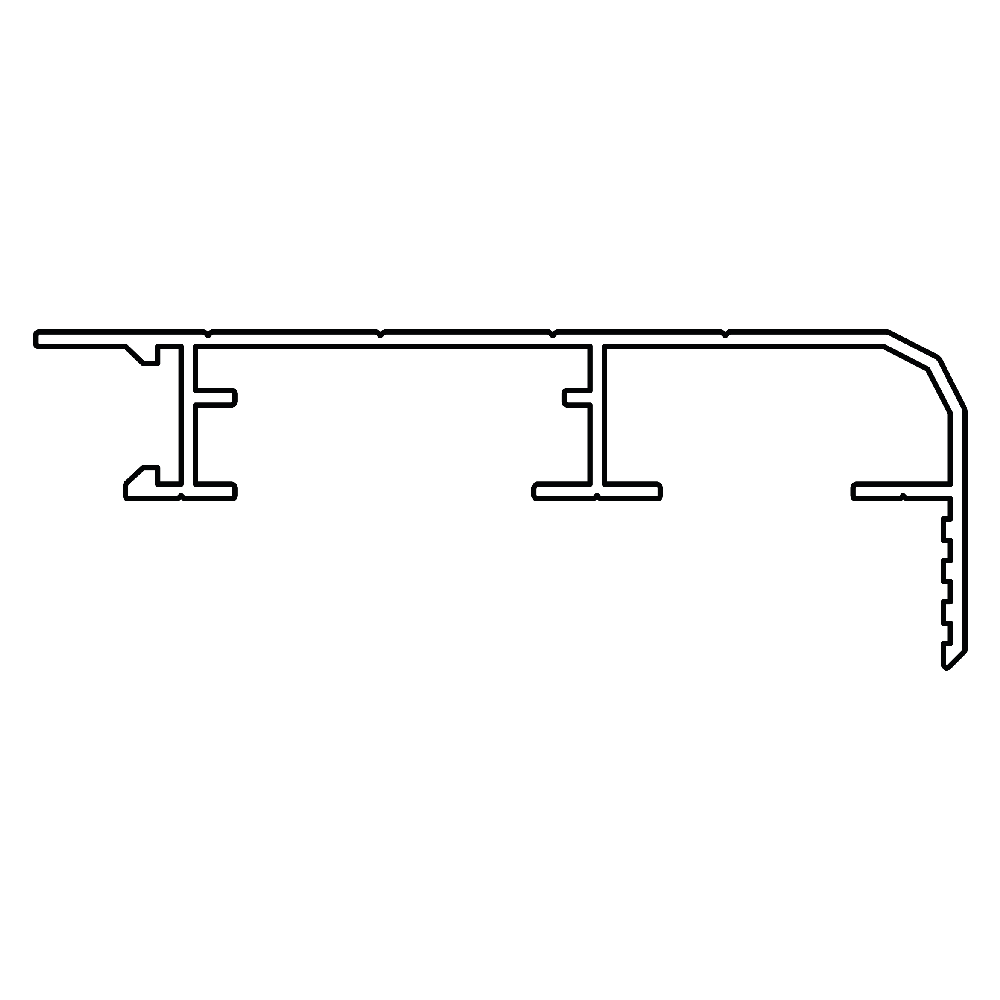
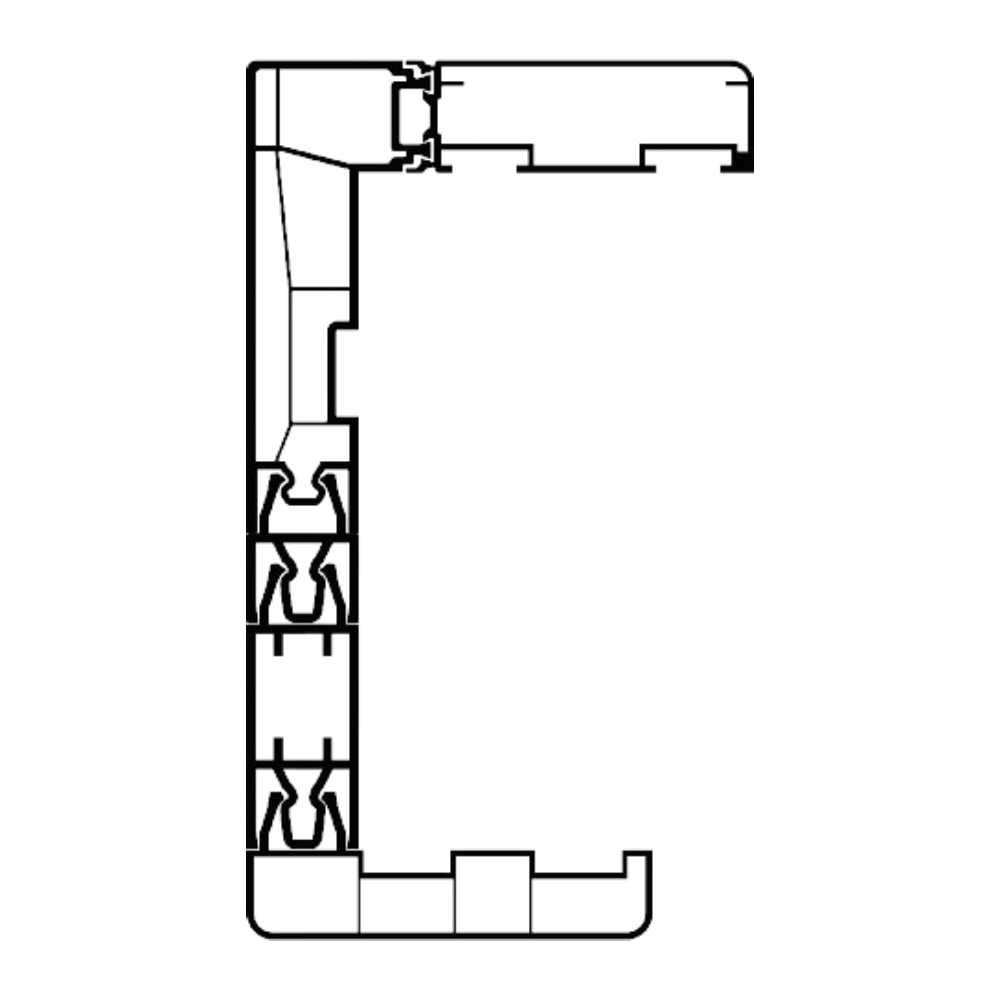
A hygienic profile is a section designed to make the cold room door and the surrounding structural elements easier to clean, to minimise the crevices where micro-organisms can take hold, and to offer smooth outer surfaces. It differs from a standard profile not only in appearance but also in how it is cleaned, what it is made from and how its joints are closed. In areas with high hygiene requirements, such as food and pharmaceutical facilities, this difference directly affects daily operations.
Traditional profiles can have sharp corners, open pockets at joints and surfaces with micro-cracks. These details create conditions in which dirt, moisture and organic residues gradually accumulate. Hygienic profile design aims to remove these locations or bring them under control.
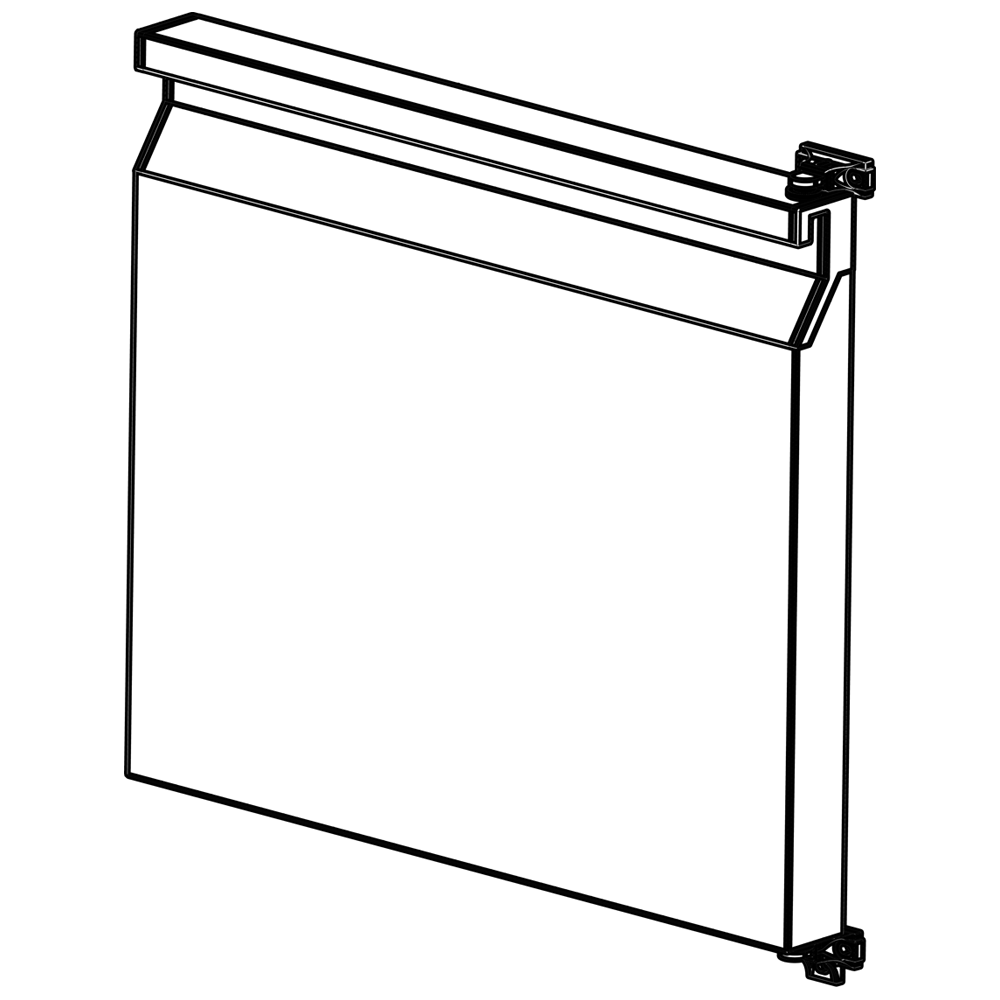
The concept of a hygienic profile is not limited to door manufacture. The same approach applies to shelving systems, worktop edges, wall panel joints and cladding around doors. This whole-system view makes the hygiene performance of a facility depend on the entire system rather than on a single component.
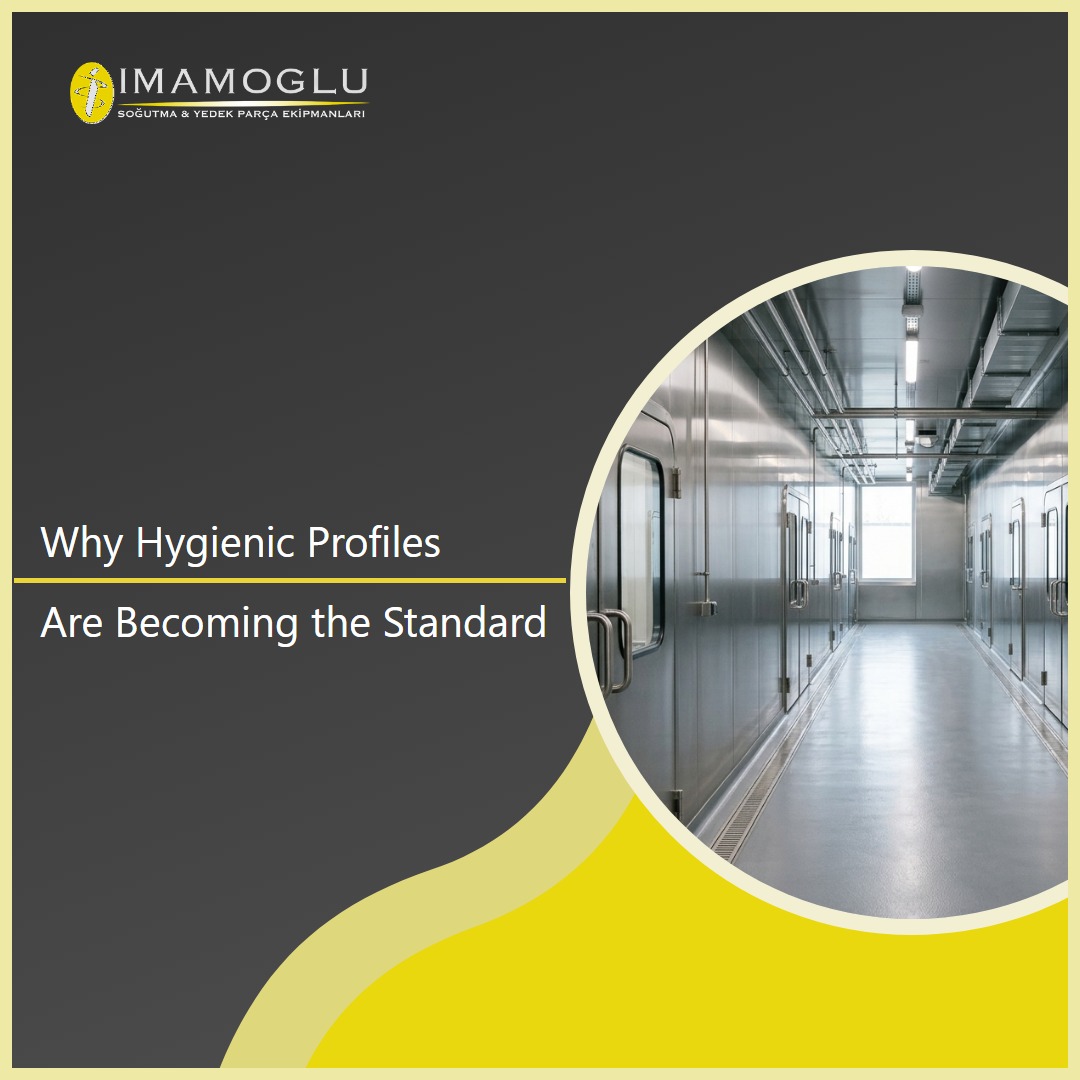
The main reason hygienic profiles are increasingly becoming the standard is the growing expectation of food safety and inspection. Facilities must now demonstrate not only that their products are safe but also that their infrastructure can be cleaned effectively. Profile selection has therefore become a matter of compliance rather than simply a design preference.
Hygienic profiles are special structural elements designed to minimize corners and joints where dirt, moisture and microorganisms can accumulate in cold rooms and food processing areas. Because they have fewer recesses and projections than standard profiles, cleaning is quicker and more effective. This positively affects both hygiene levels and the time spent on cleaning.
Food Safety and the Risk of Biofilm
One of the most significant risks in food processing and storage facilities is the formation of biofilm. A biofilm is a community of micro-organisms that attach to a surface and build up in layers, producing their own protective matrix. Once a biofilm has formed, it is difficult to remove completely with ordinary cleaning methods, and this threatens food safety.
Biofilm attaches most readily to rough surfaces, narrow crevices and joints. If the profile section is not smooth, these areas become places the cleaning team cannot reach and where moisture and residues collect. Controlling biofilm therefore depends largely on the geometry of the profile.
The formation of biofilm is also influenced by temperature and humidity. In a cold environment, inadequate cleaning and drying may reduce microbial activity but will not stop it entirely. Even in the cold chain, bacteria can multiply again when suitable conditions arise. A hygienic profile should therefore be designed so that it does not rely on the false sense of security that low temperature can create.
In food safety management systems, the cleanability of surfaces and the ease of maintenance are clearly assessed. Using hygienic profiles strengthens the facility's demonstrated commitment in this assessment and provides more reliable evidence during inspections.
Biofilm is a protective layer formed by microorganisms attaching to surfaces and is difficult to remove with standard cleaning methods. Surfaces with biofilm can become a constant source of contamination for food. Hygienic profiles help control this risk by reducing the areas where biofilm can attach.
Rounded Corners and Ease of Cleaning
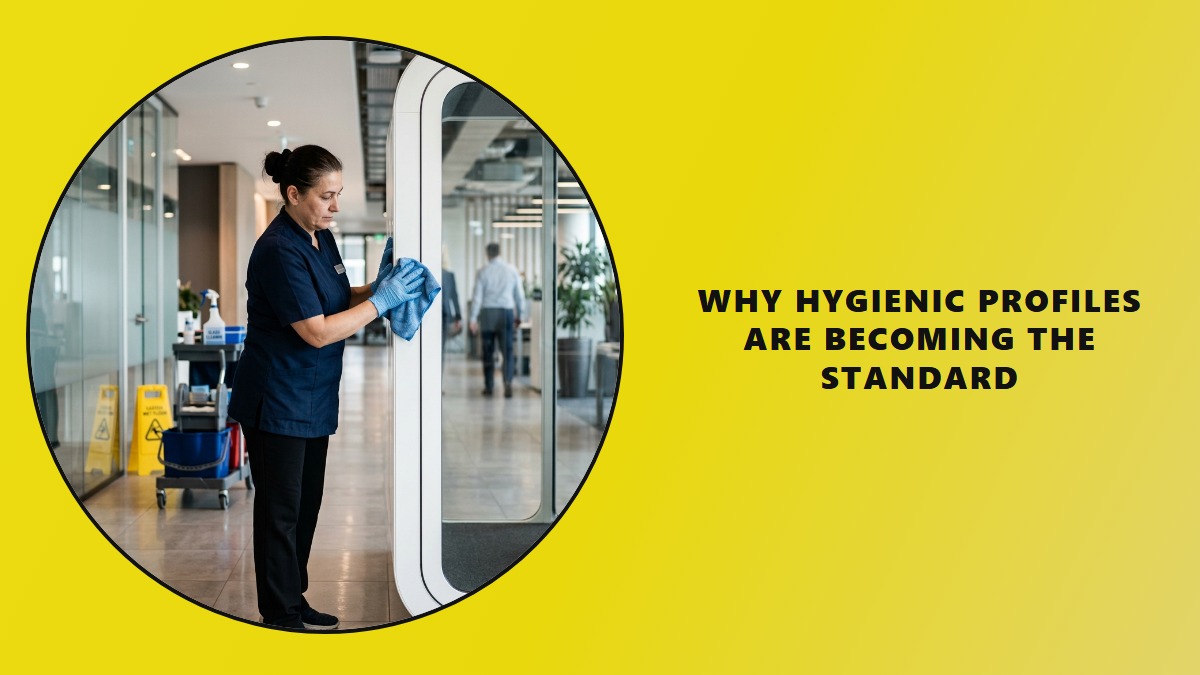
Rounded corners are one of the most distinctive features of hygienic profile design. Sharp corners create tight spots where dust, liquids and organic material can collect and where a brush or cloth cannot fully reach. Rounding the corners removes these spots and allows the whole surface to be covered during cleaning.
Pressurised water and chemical solutions used during cleaning can pool at sharp corners. A rounded corner, by contrast, lets liquid flow and leave the surface easily. This also speeds up drying and prevents moisture from lingering for long periods.
The size of the corner radius also matters. A radius that is too small does not provide adequate cleaning, while one that is too large can make installation and surface fit more difficult. A correctly designed corner balances cleanability with structural integrity. The corner geometry should therefore be determined carefully at the design stage.
Rounded corners offer a real convenience to cleaning teams in their daily routine. Cleaning time falls, no extra effort is needed to reach every part of the surface and the consistency of cleaning improves. This makes the facility's overall hygiene programme more predictable.
Rounded corners allow brushes and cloths to reach all surfaces easily during cleaning. Residue that builds up in sharp inside corners is often missed and over time paves the way for mold and bacteria. Rounded profiles at floor-to-wall joints are especially convenient in areas that are washed down.
Material Choice: Stainless Steel and Alternatives
The material of a hygienic profile is decisive for cleanability, corrosion resistance and chemical durability. Stainless steel is one of the most widely used materials in this field. Its passive protective layer on the surface resists corrosion and withstands frequent cleaning over long periods.
The grade of stainless steel should be selected according to the conditions of the environment. In demanding conditions, such as salty air, heavy use of disinfectants or acidic cleaning agents, more resistant alloys should be chosen. A material of the wrong grade may show pitting and signs of corrosion on the surface within a short time.
Alternative materials may also be considered in some applications. Certain polymer composites may be chosen for their lightness and chemical resistance. However, their temperature limits, surface hardness and long-term ageing behaviour must also be studied carefully. Material selection should be based on the overall requirements of the application rather than on a single property.
Obtaining material information in writing strengthens the reliability of the choice. Information such as alloy type, surface treatment and chemical compatibility should be requested from the manufacturer and included in the technical documents. The facility can then demonstrate the properties of the material during inspections.
Stainless steel is the most preferred material for hygienic profiles because of its corrosion resistance and ease of cleaning. In some applications, impact-resistant polymer profiles suitable for food contact can also be used as an alternative. Resistance to the cleaning chemicals used must always be considered when choosing materials.
Surface Roughness and Resistance to Soiling
Surface roughness directly affects the hygiene performance of a profile. Rough surfaces contain small pits and scratches where micro-organisms and dirt can take hold. Residues that build up on these surfaces cannot be removed completely during cleaning and gradually prepare the ground for biofilm.
A smooth, polished surface holds less dirt and increases the effectiveness of cleaning agents. Residues adhering to such surfaces dissolve more easily and can be removed completely during rinsing. Surface quality also reduces cleaning cost and time.
Resistance to scratching matters too. Cleaning with abrasive materials can create scratches on the surface, and these scratches gradually become areas of soiling. A durable surface keeps its hygienic properties over long periods of use.
Control of surface quality should be carried out during manufacture and installation. Factors such as the evenness of weld seams, the consistency of polishing and the integrity of the coating should be inspected. These checks help to predict the performance of the profile on site.
The rougher a surface is, the more area microorganisms have to attach to. Hygienic profile surfaces must therefore be smooth and non-porous. Since scratches and wear over time also reduce resistance to contamination, maintenance or replacement of damaged profiles should not be neglected.
Hygienic Design of Frame and Panel Joints
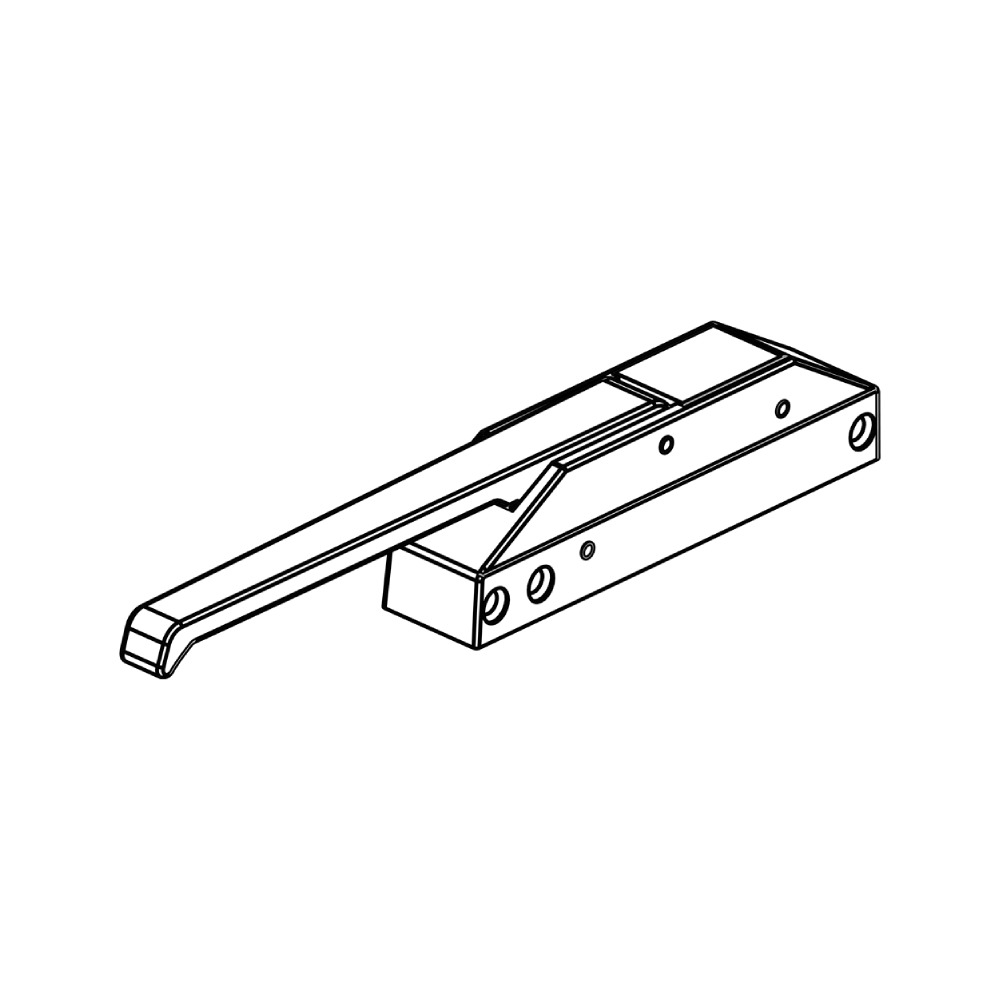
However well a hygienic profile is designed, the hygiene chain breaks if the joints are weak. The joint between frame and panel, the surfaces of screws and fasteners, weld seams and gasket grooves are all critical points for the build-up of bacteria and dirt.
Continuous, closed joints are the most effective way to prevent such build-up. Details such as screw heads sitting flush with the surface, open pockets filled with suitable filler and weld seams finished smooth make a joint hygienic. If these details are not considered at the design stage, they create problems that are difficult to solve on site.
The design of the gasket groove also matters for hygiene. The gasket should be fitted so that it does not come away from its groove and does not leave open edges. The groove should be easy to clean and should not leave gaps where dirt can collect.
Regular inspection of the joints is also necessary. Screws that loosen over time, worn fillers and cracked welds can create new weak points in the hygiene chain. For this reason, inspection of joints should feature clearly in the maintenance programme.
It is important that sealing materials used at frame and panel joints are food-safe and do not crack over time. Opened joints both weaken insulation and cause moisture and dirt to accumulate. These points should be checked periodically and renewed when necessary.
Inspection Expectations and Standards
Food and pharmaceutical production facilities must demonstrate the hygienic suitability of their infrastructure during inspections. Inspection teams assess the cleanability of surfaces, the closed nature of joints and the suitability of the materials used. The use of hygienic profiles shows that the facility has adopted a systematic approach to this assessment.
National and international standards set out principles for food-contact surfaces and hygienic design. These principles include detailed expectations on surface roughness, corner geometry, material suitability and cleanability. Facilities that choose products meeting these expectations find it easier to achieve compliance.
Inspections assess not only the current condition but also cleaning and maintenance records. Records showing that the hygienic profiles are regularly cleaned and checked reveal a facility's hygiene awareness. Profile management is therefore as important as profile selection.
Product certificates and technical documents also play an important role in compliance. Material certificates, surface treatment information and user manuals supplied by the manufacturer can be presented as evidence during inspections. A lack of these documents can make it harder to prove conformity.
In food safety inspections, having easily cleanable surfaces in production and storage areas is among the basic expectations. Using hygienic profiles makes it easier to meet these expectations and concretely demonstrates the business's approach to hygiene.
Life-Cycle Cost
The initial purchase cost of hygienic profiles may be higher than that of standard profiles. This comparison can be misleading, however, because the real assessment should be made on the basis of life-cycle cost. A more durable, easier-to-clean profile gives advantages over the long term by reducing cleaning time, chemical use and the frequency of repairs.
Cleaning cost is directly affected by the design of the surface. Surfaces that are easy to clean need less water, detergent and labour. These savings appear in the facility's daily operating costs and add up to a significant difference over the years.
Failure and repair costs also change with the choice of hygienic profile. A profile that resists corrosion and scratching needs replacing less often. This reduces both material and labour costs and shortens the facility's downtime.
The cost of hygiene-related risk should also be considered. A hygiene problem can lead to product recalls, production stoppages or loss of reputation. The cost of such risks can be far greater than the difference in profile price. Investing in hygienic profiles can therefore be seen as insurance against these risks.
The initial cost of hygienic profiles may be higher than standard profiles, but reduced cleaning time, lower chemical use and a lower risk of product losses cover this difference in the long run. When evaluated over their life cycle, hygienic profiles are often the more economical option.
Conclusion
Hygienic profiles are becoming the standard as expectations for food safety, cleanability and inspection continue to rise. Rounded corners, suitable material selection, good surface quality and closed joints are the basic elements that reduce the biofilm risk. Considering these elements as a whole strengthens the hygiene performance of the facility.
From the point of view of life-cycle cost, hygienic profiles bring long-term benefits by reducing cleaning, maintenance and repair expenses. Preventing hygiene-related risks also provides value beyond the initial investment.
İmamoğlu Soğutma and Yedek Parça Ekipmanları provides technical information and support on cold room doors and hygienic profile solutions. You can contact us to request a quotation for profile selection suited to your facility's hygiene requirements.
Hygiene is not a goal that is achieved once and then forgotten; it is a process that must be maintained continuously. With the right profile selection and regular maintenance, this process supports the reliability of your facility for years.