



When Should a Cold Room Door Gasket Be Replaced?
Table of Contents
- What Is the Role of a Cold Room Door Gasket?
- What Are the Signs of Wear?
- How to Test Sealing Performance
- Factors That Affect When a Gasket Should Be Replaced
- How to Choose the Right Gasket
- Gasket Replacement Step by Step
- The Cost of Delaying Replacement
- Maintenance Programme and Record Keeping
- Conclusion
What Is the Role of a Cold Room Door Gasket?
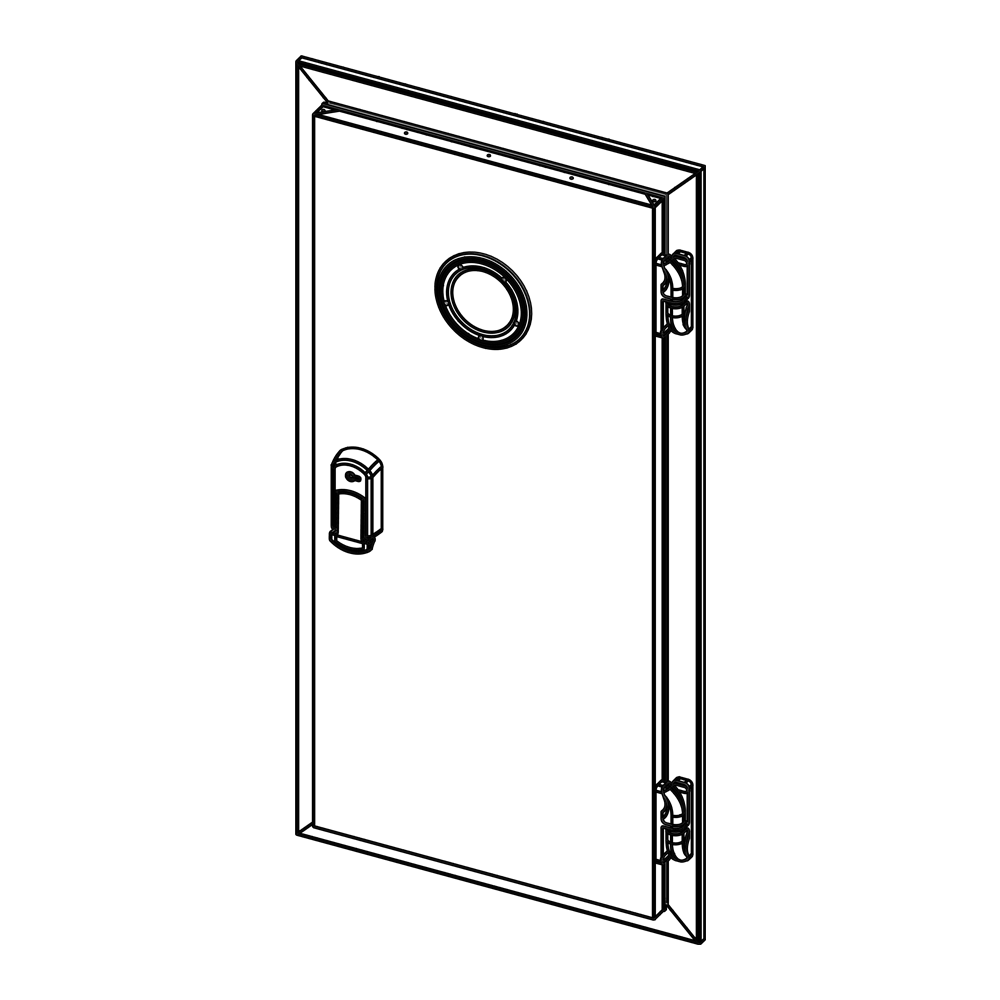
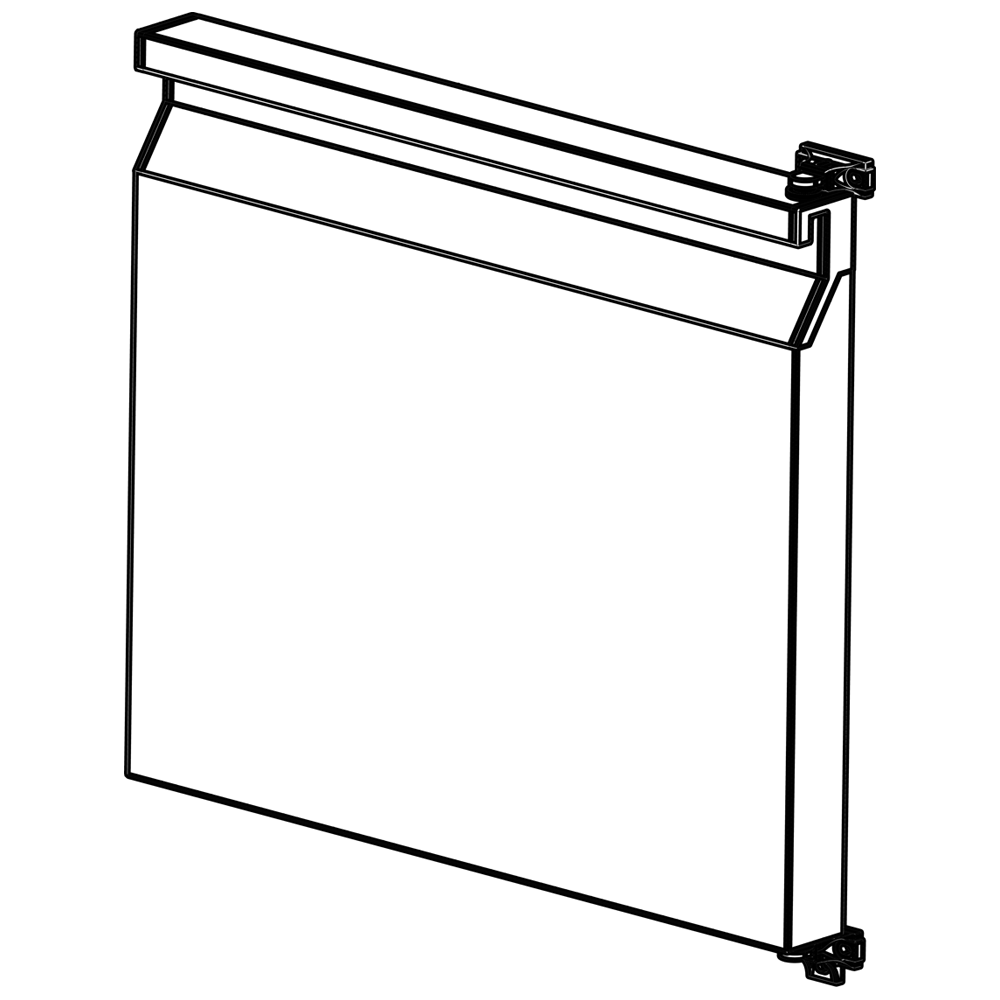
A cold room door gasket is the element that closes the gap between the door leaf and the frame and applies pressure when the door shuts. Its main purpose is to stop cold air from escaping from inside the room and to prevent warm, humid air from outside from entering. As long as the gasket continues to work, the temperature inside stays within the required range and the refrigeration system operates in a stable way. For this reason, the gasket is one of the smallest but most important parts of the door.
Another role of the gasket is to ensure that the door makes proper contact with the frame. Its flexible structure compensates for small differences in alignment and closes the space between the surfaces when the door is shut. This flexibility depends on the gasket keeping its properties at low temperatures without stiffening. Once the material loses this quality, the gasket can no longer do its job.
The gasket also helps to cushion the closing movement of the door. Before the door fully seats in the frame, it touches the gasket and meets a slight resistance. This resistance prevents the door from slamming shut and reduces the load on the hinges and the lock set. A sound gasket therefore also extends the life of the other parts of the door.
Finally, the surface of the gasket matters for hygiene. A porous or easily soiled gasket can, over time, provide an environment in which bacteria and mould grow. For this reason, the material should be cleanable and suitable for use in a food environment. A good gasket supports both sealing and cleanliness.
What Are the Signs of Wear?
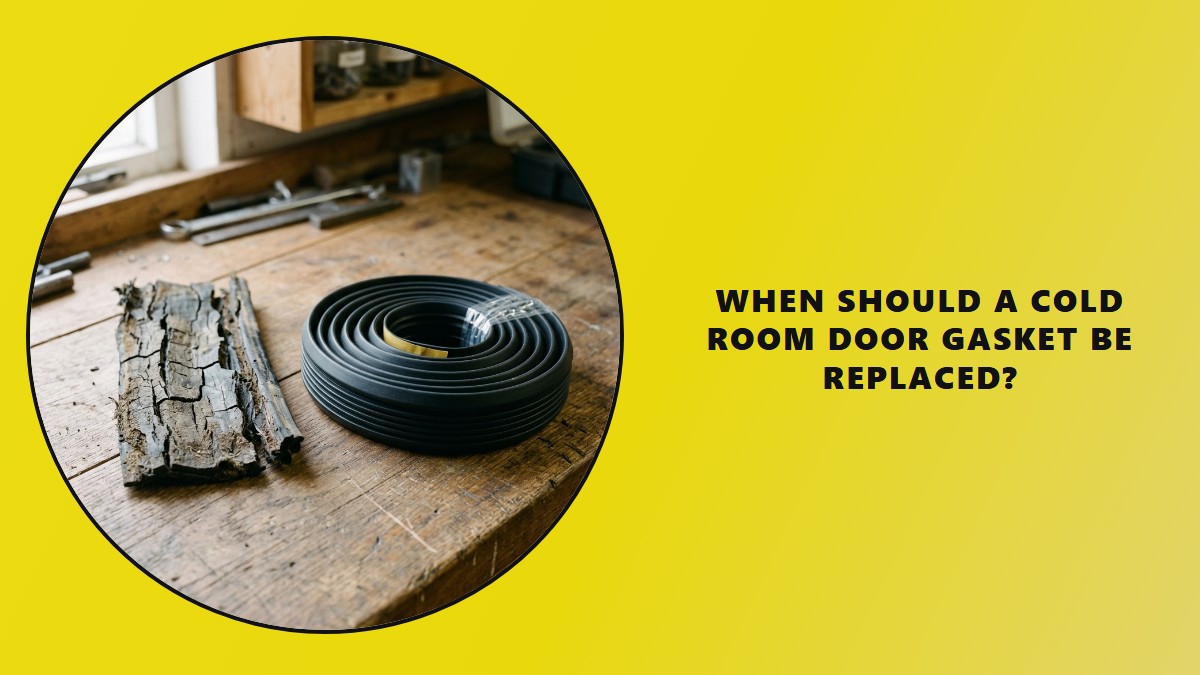
The clearest sign that a gasket needs replacing is cracking on its surface. Cracks usually start at the corners or at points where the gasket is constantly compressed, and they grow over time until the seal is broken. Even a small crack can let air leak when the door closes. For this reason, the surface of the gasket should be checked visually at regular intervals.
Hardening and loss of flexibility are also common signs. A stiff gasket does not deform when the door closes and does not make full contact with the frame. A gasket that returns slowly or incompletely when pressed by hand should be regarded as worn. This happens faster on doors that are opened frequently.
Deformation and flattening are further warning signs. If the gasket stays compressed in the same position for a long time, it can leave a permanent mark and lose its original profile. When this happens, the gasket no longer presses evenly on the frame when the door closes, and gaps appear. An irregular profile quickly breaks the seal.
Finally, a gasket that has come away from the door or slipped out of its groove is an obvious problem. If the adhesive fails or the groove loosens over time, the gasket can slide out of position. Both the seal and the closing action of the door are then disturbed, and prompt action is needed.
How to Test Sealing Performance
One of the simplest ways to assess a gasket is the light test. With the lights on inside the room, the door is closed from outside and the edges are checked for light coming through. In a dark environment, looking from inside outward gives a similar result. Wherever light leaks through, the gasket is not performing adequately.
The paper test is also widely used. A sheet of paper is placed between the door and the frame, the door is closed, and the paper is pulled. If the paper slides out easily, the seal at that point is weak. The test should be repeated at several points around the door and the results recorded.
Touch and observation are important checks too. If there is frost, condensation or water marks around the door, air may be leaking through the gasket or the joint with the frame. Lower corners and the area opposite the handle are often inspected first. Small signs in these areas can be early indicators of larger problems.
Carrying out the tests regularly and in the same way gives a more reliable picture of when replacement is needed. When the date and result of each check are recorded, the progress of gasket wear over time becomes visible. These records help ensure replacement happens at the right moment.
Factors That Affect When a Gasket Should Be Replaced
The life of a gasket depends on the material used and the conditions of the facility. How many times the door is opened in a day, how long it stays open and the temperature difference across the door all directly affect the rate of wear. Gaskets on heavily used doors wear out sooner than those on doors that are used less. The replacement schedule should therefore be set separately for each door.
Cleaning activities are another important factor. High-pressure washing, strong disinfectants and acidic or alkaline cleaning products can gradually damage the surface of a gasket. The material should be resistant to the chemicals used in the facility's cleaning programme. Otherwise the gasket may need replacing much earlier than expected.
Ambient humidity and temperature swings can also speed up replacement. Doors that go through repeated freezing and thawing lose flexibility and become more prone to cracking. In very humid environments, mould and dirt can build up on the surface. These conditions call for more frequent inspection.
Mechanical factors should not be overlooked either. A door that slams shut, a frame that is out of line or loose hinges cause excessive pressure at particular points on the gasket, and the gasket wears there first. For this reason, the overall alignment of the door should also be checked whenever a gasket is replaced.
How to Choose the Right Gasket
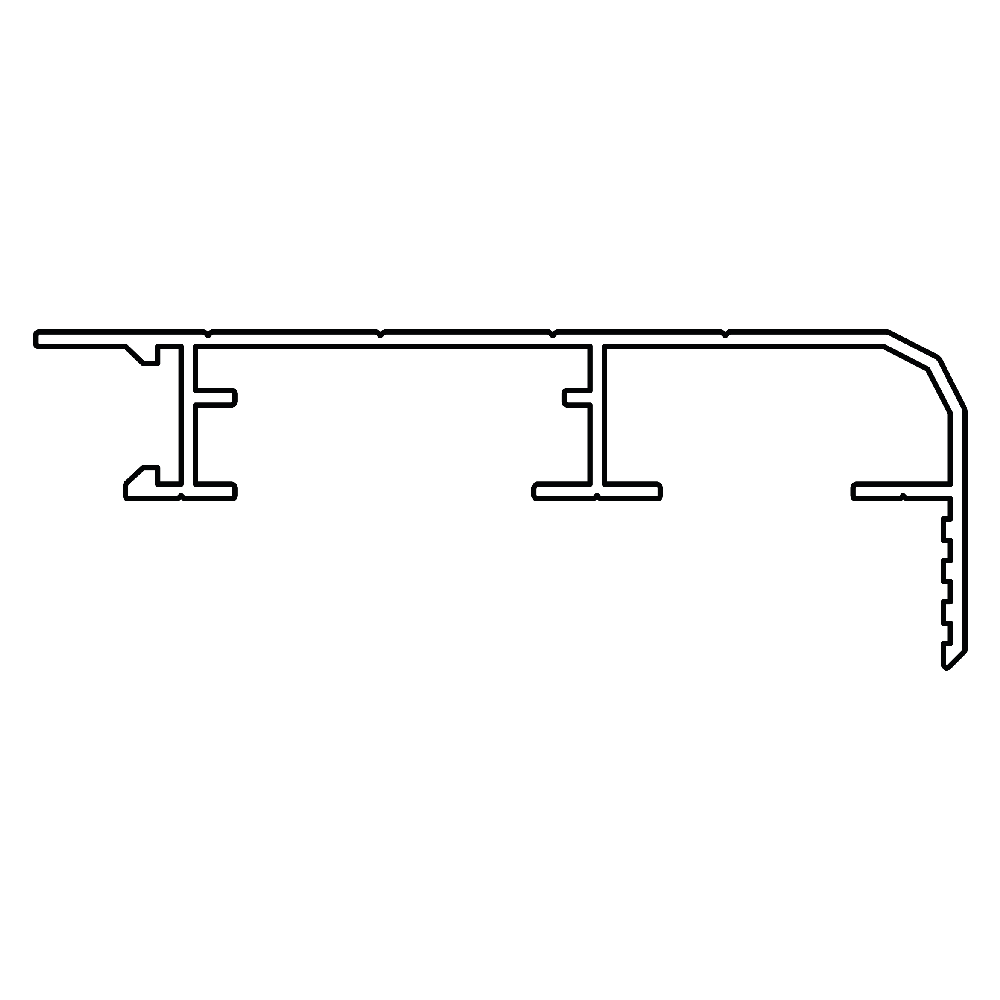
Choosing the right gasket starts with making sure it suits the door profile and the frame design. Each door may have a groove with a different cross-section. A gasket of the wrong profile may look as if it fits at first glance, but it will not seal properly. The size and profile of the existing gasket should therefore be determined carefully before replacement.
Material choice matters at least as much as profile. The gasket should be made from a material that keeps its flexibility at low temperatures, resists chemicals and can be cleaned easily. These properties should be clearly stated in the technical documents. A gasket for which the supplier cannot give clear answers may carry a risk.
It is also necessary to check whether the gasket design suits the structure of the door. Magnetic gaskets maintain continuous contact when the door closes and can be replaced easily during maintenance. In some designs the door panel must be removed first. The most practical option for the existing door structure should be chosen.
Finally, the warranty and the availability of spare parts for the chosen gasket should be considered. The same gasket should be obtainable again in the future. Otherwise a suitable replacement may not be found at the next change, and the facility could face problems for a long time. Continuity of supply is therefore an important part of the selection criteria.
Gasket Replacement Step by Step
Replacing a gasket should be done without taking the room out of service for longer than necessary. The first step is to remove the old gasket completely. Suitable tools should be used so that the door frame is not damaged during removal. Once the old gasket is out, the groove where the new one will sit must be cleaned.
Cleaning the groove is a critical step for the new gasket to sit properly. Old adhesive residue, dirt, oil and pieces of ice must be removed completely. After cleaning, the surface should be dry and degreased with a suitable cleaner. If the surface is poorly prepared, the new gasket may slip out of place within a short time.
When fitting the new gasket, it should be pressed into the groove evenly, starting from the corners. It should not be stretched or pulled tight, otherwise tension cracks may form later on. If adhesive is required, one recommended by the manufacturer should be used.
After fitting, the door should be opened and closed several times and contact along the whole gasket should be checked. The light and paper tests should be repeated at this stage. Once the replacement has been checked and recorded, the new gasket has a sound starting point for its service life.
The Cost of Delaying Replacement
Postponing the replacement of a worn gasket may look like a small saving at first. However, as the seal weakens, warm air entering the room makes the refrigeration system run for longer. This increases energy consumption and shows up on the electricity bill. The longer the delay, the more this extra cost builds up.
Continuous compressor operation also shortens the life of the equipment. A compressor that runs often wears faster and unexpected failures become more frequent. This can affect the facility's production or storage plans. The indirect cost of delaying gasket replacement can often be greater than the direct cost.
Condensation and icing can also damage the structural elements around the door. Moisture build-up can lead to deterioration of the door frame and wall cladding, and to mould. Repairs of this kind are much more expensive than a gasket change and also put the hygiene standards of the facility at risk.
Product loss is at least as important as the other risks. If the temperature drifts outside the required range, the quality of the stored products can fall and in some cases they may become unusable. A small gasket problem can turn into a large stock loss. Replacing the gasket on time is therefore important for both economic and safety reasons.
Maintenance Programme and Record Keeping
To plan gasket replacement in an orderly way, a maintenance programme should be set up for each door. The programme should be based on how intensively the door is used, the environment it is in and the manufacturer's recommendations. Regular checks allow the replacement date to be anticipated and sudden failures to be avoided.
Keeping records makes the programme more effective. The date of each inspection, the results of the tests, the parts replaced and the signs observed should all be logged. These records make it possible to follow the life of the gasket on a particular door over time. The data obtained supports more accurate planning for future replacements.
Stock of spare gaskets should also be part of the programme. Keeping spare gaskets for frequently used doors removes waiting time during replacement. Stock levels should be set according to the supply lead time and the frequency of use.
The programme should be completed by training the maintenance teams. When inspection methods and replacement steps are applied in the same way by everyone, results can be compared. Regular training and clear procedures raise both the quality and the reliability of maintenance.
Conclusion
The cold room door gasket is a fundamental part of sealing, energy efficiency and product safety. Noticing signs of wear early, using the right test methods and replacing the gasket on time reduce both the costs and the risks of a facility. The answer to the question of when a gasket should be replaced becomes clearer through regular inspection and the habit of keeping records.
When the right gasket is chosen and fitted correctly and maintained regularly, the life of the door is noticeably extended. This approach also brings lasting benefits in energy savings and hygiene.
İmamoğlu Soğutma and Yedek Parça Ekipmanları provides technical information and support on cold room door gaskets and related spare parts. To assess the condition of your existing gasket and determine the right size and material, you can contact us.
A small replacement carried out on time prevents larger repairs and losses. Check your gaskets regularly, replace them without delay when signs appear, and record every change.