









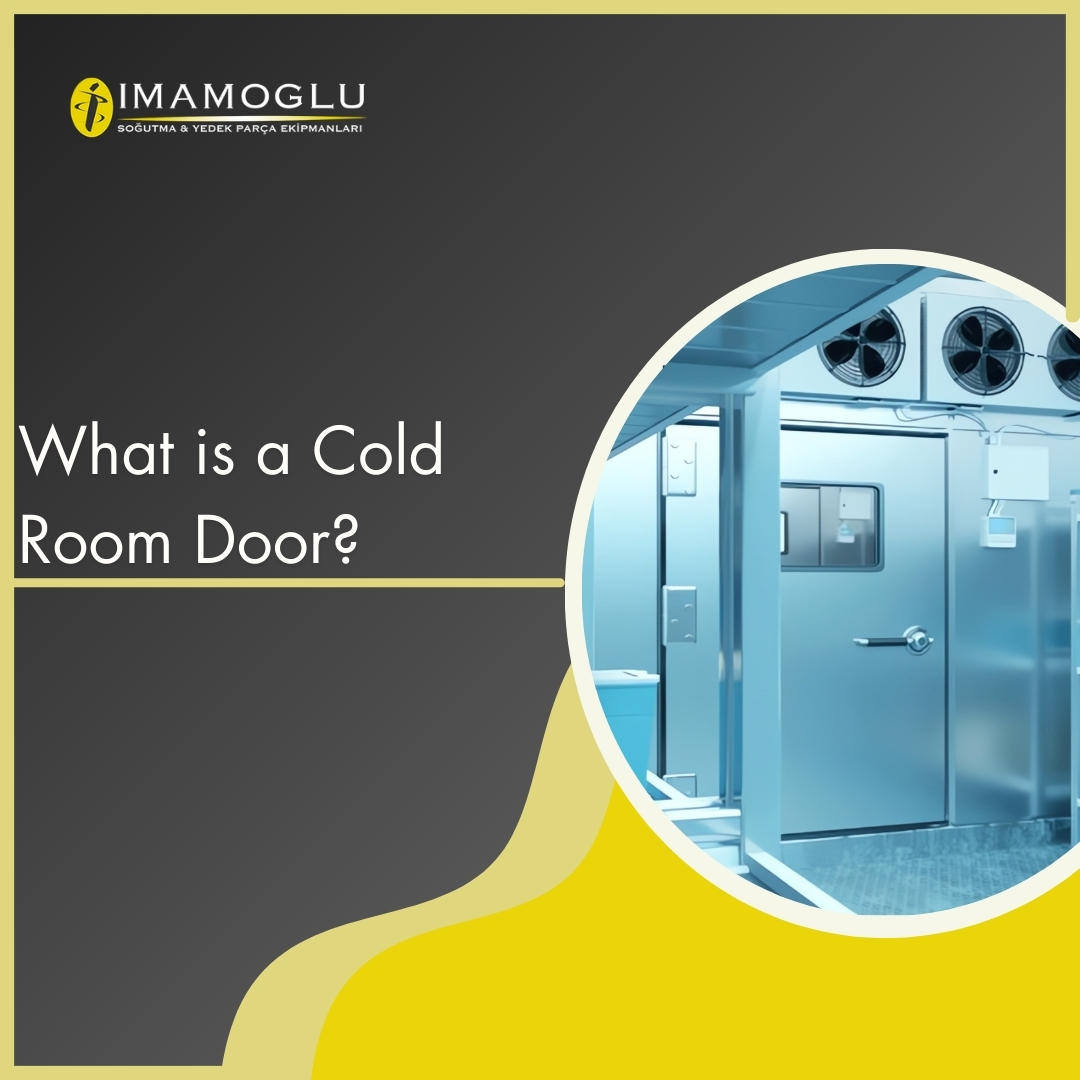
What is a Cold Room Door?
Table of Contents
- What Is An Industrial Cold Room Door Exactly
- How Does A Cold Room Door Improve Energy Savings
- What Makes A Cold Room Door Durable And Long-Lasting
- How To Choose The Right Cold Room Door For Your Needs
- What Are The Main Types Of Industrial Cold Room Doors
- How Does A Cold Room Door Ensure Temperature Control
- What Materials Make The Best Cold Room Doors
- How To Maintain Your Cold Room Door For Longevity
- What Is The Role Of A Cold Room Door Seal
- How To Install A High-Performance Cold Room Door
What Is An Industrial Cold Room Door Exactly
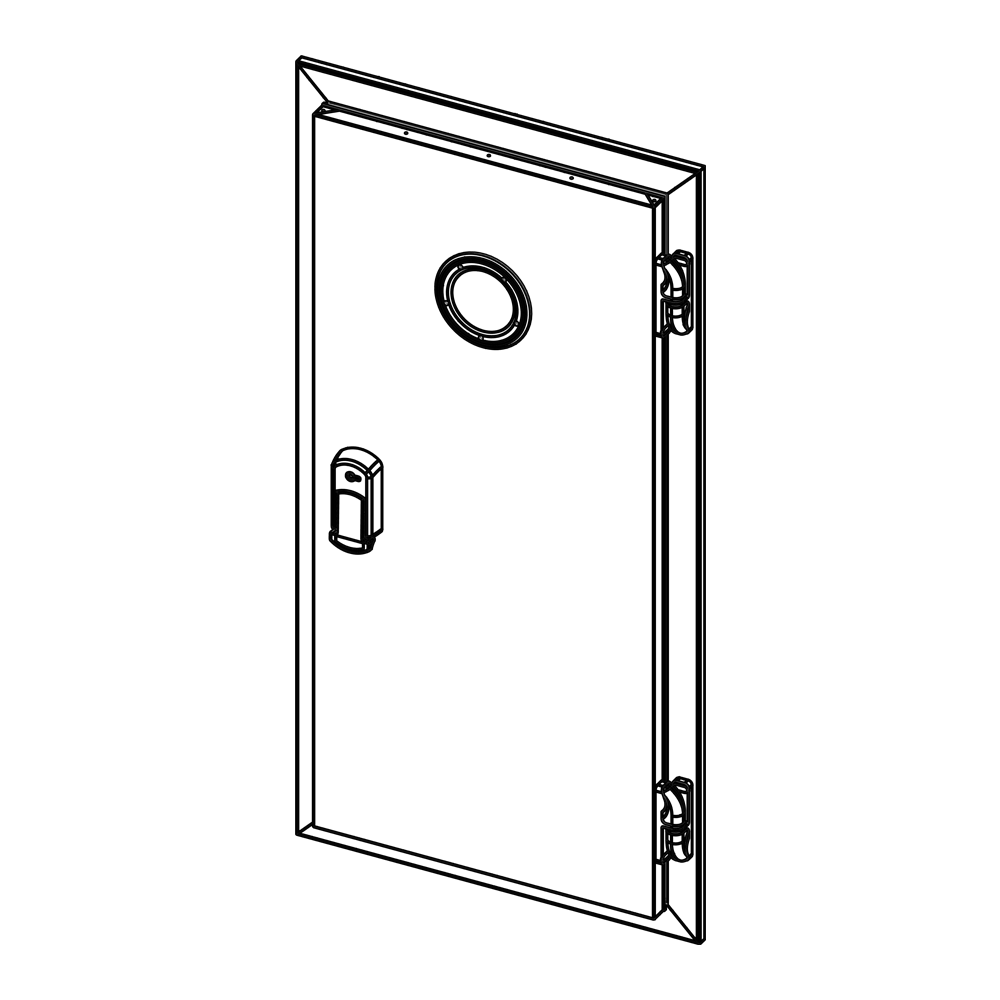
An industrial cold room door is far more than a simple access point; it is a critical engineered component responsible for maintaining precise thermal integrity within large-scale refrigeration systems. Unlike standard doors, a true cold room door acts as a dynamic thermal barrier, directly influencing energy consumption and operational stability. For businesses relying on energy-efficient refrigeration, selecting the right door is a primary determinant of long-term cost savings and system reliability, making it a key decision for any industrial kitchen or cold storage facility.
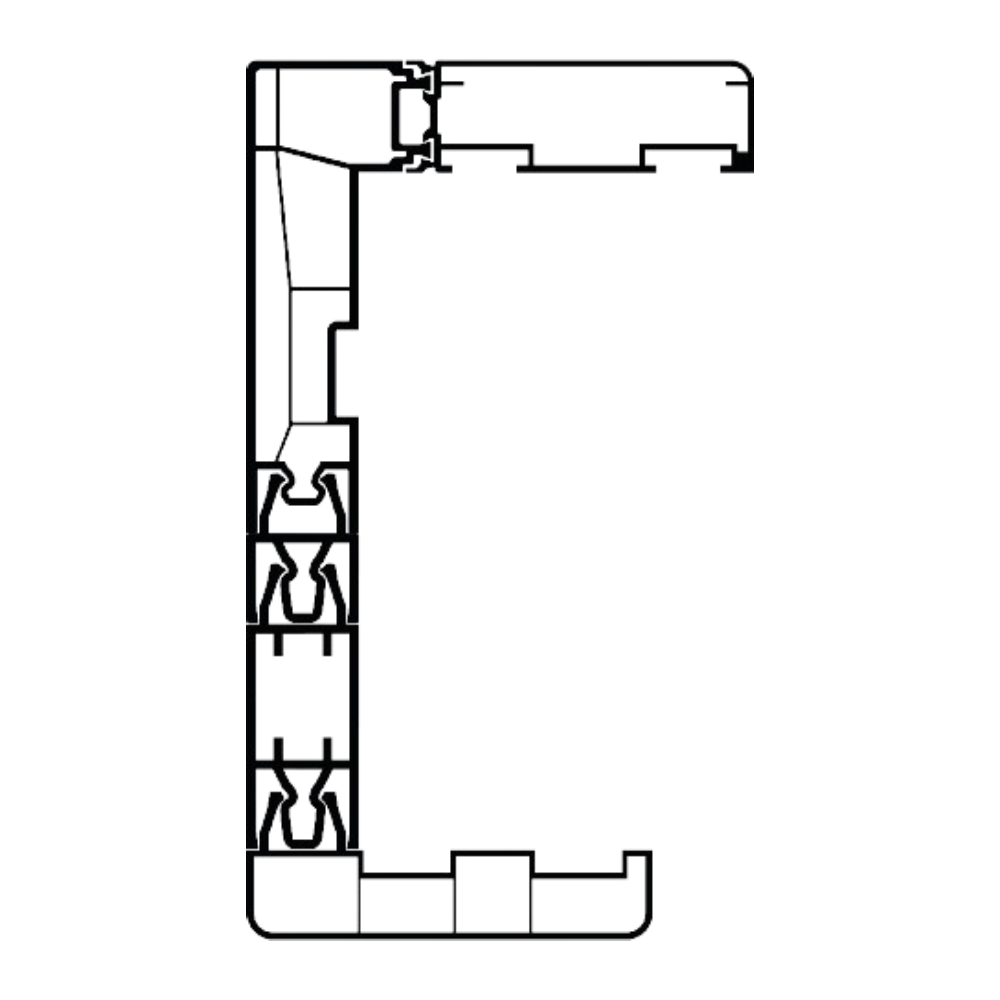
At its core, a high-performance door consists of several precision-engineered industrial cold room parts. The structural framework, often built from robust aluminum profiles, provides the necessary durability to withstand constant use in demanding environments. The integrity of the entire system hinges on the high-performance door seal, a component meticulously designed by manufacturers like İmamoğlu to prevent air infiltration and maintain consistent internal temperatures, thereby reducing the load on frigorific group compressors.
Manufacturers such as İmamoğlu bring decades of expertise to producing these durable cold storage doors, utilizing R&D-driven designs that prioritize longevity and environmental responsibility. This commitment to quality ensures that each door, much like their comprehensive range of refrigerator spare parts, is built to export-ready standards. The result is a product that minimizes downtime and extends the operational life of the entire cooling system, from walk-in coolers to large warehouse installations.
The practical application of these doors within industrial settings directly translates to measurable benefits for cooling system suppliers and large-scale operations. By ensuring a perfect seal and robust construction, these doors prevent energy loss, which significantly lowers electricity costs and supports sustainability goals. This reliability is crucial for maintaining the cold chain in food storage, pharmaceuticals, and logistics, where temperature fluctuations can lead to significant product loss.
Investing in a professionally engineered industrial cold room door is a strategic decision for achieving operational continuity and reducing total cost of ownership. By partnering with a specialized manufacturer that controls production from aluminum profiles to final assembly, businesses secure a solution designed for decades of reliable, energy-saving performance. This forward-thinking approach to critical industrial cold room parts ensures that cooling systems operate at peak efficiency, safeguarding valuable inventory and optimizing long-term operational expenditure.
How Does A Cold Room Door Improve Energy Savings
The primary function of an industrial cold room door in improving energy savings lies in its ability to act as an unwavering thermal barrier. Every time a door is opened, conditioned air escapes, forcing the frigorific group to work harder to restore the set temperature. A superior door minimizes this energy penalty through exceptional insulation and sealing, directly translating into significant reductions in electricity consumption and operational costs for large-scale facilities.
At the heart of this efficiency is the high-performance door seal, arguably the most critical of all industrial cold room parts. This component must create an airtight closure to prevent warm, moist air from infiltrating the space. Manufacturers like İmamoğlu engineer these seals with precision, ensuring they maintain their integrity against the frame, which is often constructed from thermally broken aluminum profiles to further inhibit heat transfer.
The construction quality of the door itself is paramount for long-term energy-efficient refrigeration. Durable cold storage doors from reputable producers are built with high-density insulation cores that resist degradation over time. This durability ensures that the door's thermal performance remains consistent for years, unlike inferior products that can slump or absorb moisture, leading to escalating energy costs and potential failure, much like unreliable refrigerator spare parts can compromise an entire system.
In practical terms, the energy savings are realized through reduced compressor runtime. A perfectly sealed cold room door minimizes the frequency and duration of cooling cycles required to maintain temperature. This not only lowers electricity bills but also reduces wear and tear on the entire refrigeration system, enhancing its longevity and reliability. For businesses, this means a lower total cost of ownership and greater operational predictability.
Selecting a door engineered for maximum energy efficiency is a strategic investment in operational sustainability and cost control. By choosing technologies developed by experienced manufacturers like İmamoğlu, businesses equip their facilities with components designed for peak performance. This commitment to superior industrial cold room parts ensures that every element, from the seal to the frame, contributes directly to a more efficient, reliable, and cost-effective cooling operation.
What Makes A Cold Room Door Durable And Long-Lasting
The durability of a cold room door is a direct result of its material selection, structural engineering, and manufacturing precision, all of which determine its ability to withstand years of constant use in harsh industrial environments. For businesses that depend on energy-efficient refrigeration, a long-lasting door is not a luxury but a necessity to avoid frequent replacements, costly downtime, and compromised thermal performance that strains the entire frigorific group.
The structural integrity begins with the frame, typically constructed from high-grade aluminum profiles that are both lightweight and exceptionally strong. These profiles provide the rigid skeleton that resists warping or sagging under the door's weight and the impact of daily operations. As a leading manufacturer, İmamoğlu utilizes advanced extrusion techniques to produce these critical industrial cold room parts, ensuring dimensional stability and corrosion resistance essential for longevity.
Beyond the frame, the door panel itself must be engineered to endure. True durable cold storage doors feature a core of high-density, moisture-resistant insulation encapsulated within robust facing materials. This construction prevents the core from absorbing humidity, which can lead to deterioration, loss of insulating value, and eventual structural failure. Equally critical is the endurance of the high-performance door seal, designed to maintain its flexibility and sealing capability through countless open-close cycles without cracking or losing its grip.
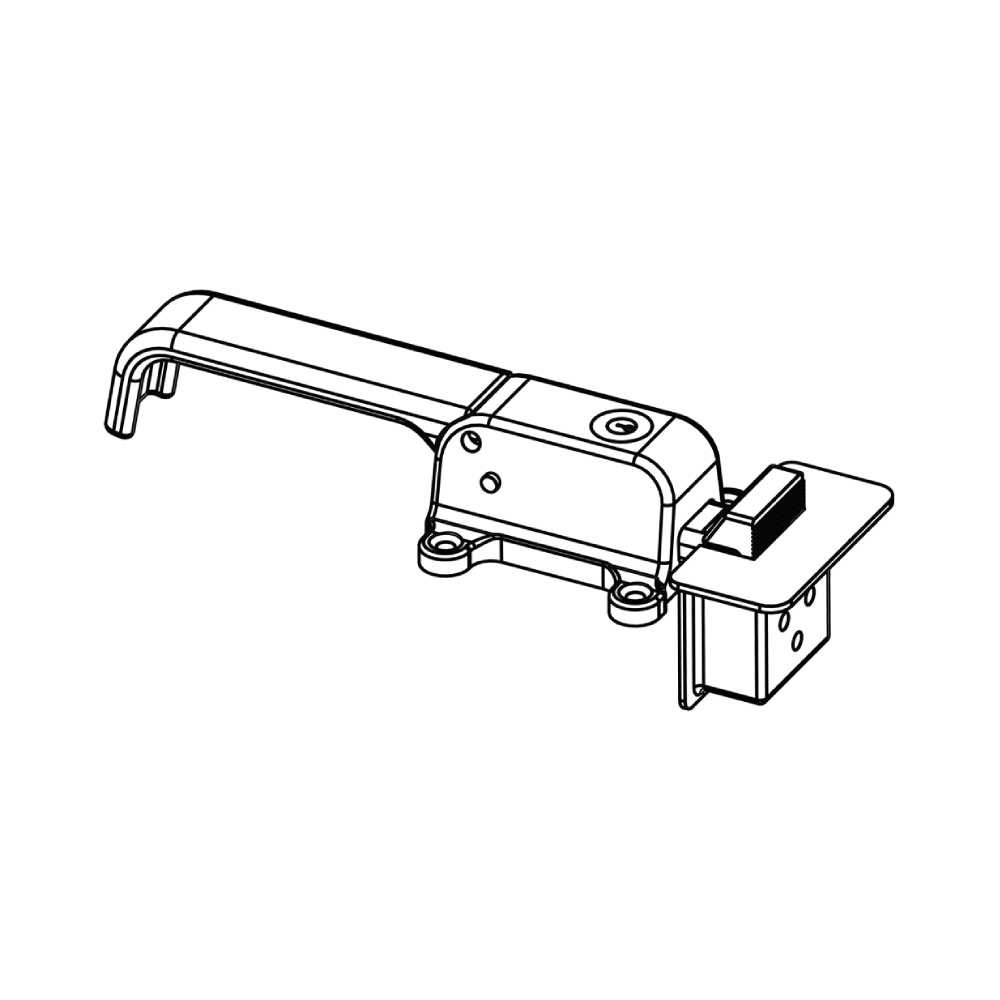
Durability also extends to the hardware and ancillary components. Hinges, handles, and closing mechanisms must be manufactured to the same rigorous standards as other critical refrigerator spare parts to ensure consistent operation. The hallmark of a door built by an expert like İmamoğlu is the seamless integration of all these elements, creating a unified system where every part contributes to the product's overall service life and reliability.
Investing in a genuinely durable cold room door translates directly into reduced total cost of ownership and enhanced operational stability. By selecting doors manufactured with an uncompromising focus on material quality and production control, businesses secure a component that protects their cold storage investment for decades. This commitment to superior industrial cold room parts ensures that energy efficiency and structural integrity remain high, minimizing maintenance interventions and safeguarding the products within.
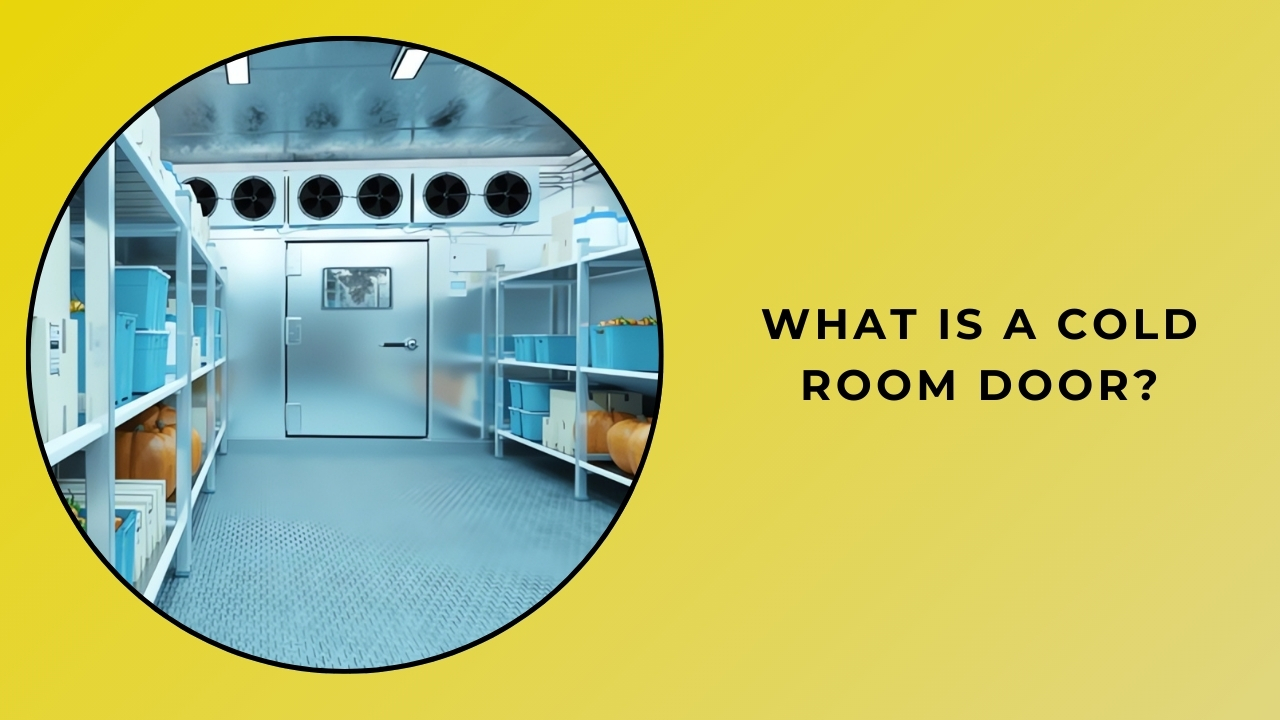
How To Choose The Right Cold Room Door For Your Needs
Selecting the right cold room door is a critical decision that directly impacts operational efficiency, energy consumption, and long-term reliability. The correct choice hinges on a detailed assessment of your specific application, traffic volume, and temperature requirements, ensuring the door functions as an integral, high-performing component of your overall energy-efficient refrigeration system rather than a weak point.
The first consideration is the operating environment, which dictates the necessary specifications for durable cold storage doors. For high-traffic areas like main kitchen access points, doors must withstand frequent use without compromising the high-performance door seal. The structural framework, typically built from robust aluminum profiles, must be engineered to handle this constant stress, a hallmark of quality industrial cold room parts from manufacturers like İmamoğlu.
Next, evaluate the temperature range and insulation requirements. A door intended for a deep freeze application demands a thicker insulation core and a more robust sealing system than one for a moderate chiller. This ensures minimal thermal transfer, reducing the workload on the frigorific group and leading to significant energy savings. The quality of these components should match the reliability expected from premium refrigerator spare parts to guarantee system-wide integrity.
Door type and automation features are also crucial. Sliding, hinged, or rapid roll-up doors each serve distinct purposes based on space constraints and workflow. For maximum efficiency in high-use scenarios, automated doors with motion sensors can drastically reduce the time the door is open, preserving the internal climate. Partnering with an experienced provider ensures access to a range of solutions tailored to specific industrial needs.
Ultimately, the right choice is a door that offers a perfect balance of durability, efficiency, and suitability for the application. By sourcing from a reputable manufacturer with a proven track record in R&D and export-quality production, businesses secure a long-term asset. This strategic investment in superior industrial cold room parts not only optimizes current performance but also future-proofs operations against unexpected downtime and escalating maintenance costs.
What Are The Main Types Of Industrial Cold Room Doors
Understanding the main types of industrial cold room door is essential for selecting the optimal solution for specific operational needs, as each design offers distinct advantages for energy management and workflow efficiency. The primary categories—hinged, sliding, and rapid roll-up—are engineered to address different space constraints, traffic volumes, and temperature requirements, all contributing directly to energy-efficient refrigeration performance.
Hinged doors are a common choice for standard access points with adequate clearance. Built with robust aluminum profiles and a reliable high-performance door seal, these durable cold storage doors provide an excellent seal and are ideal for lower-frequency use. As fundamental industrial cold room parts, their simplicity ensures long service life with minimal maintenance, much like other high-quality refrigerator spare parts sourced from manufacturers like İmamoğlu.
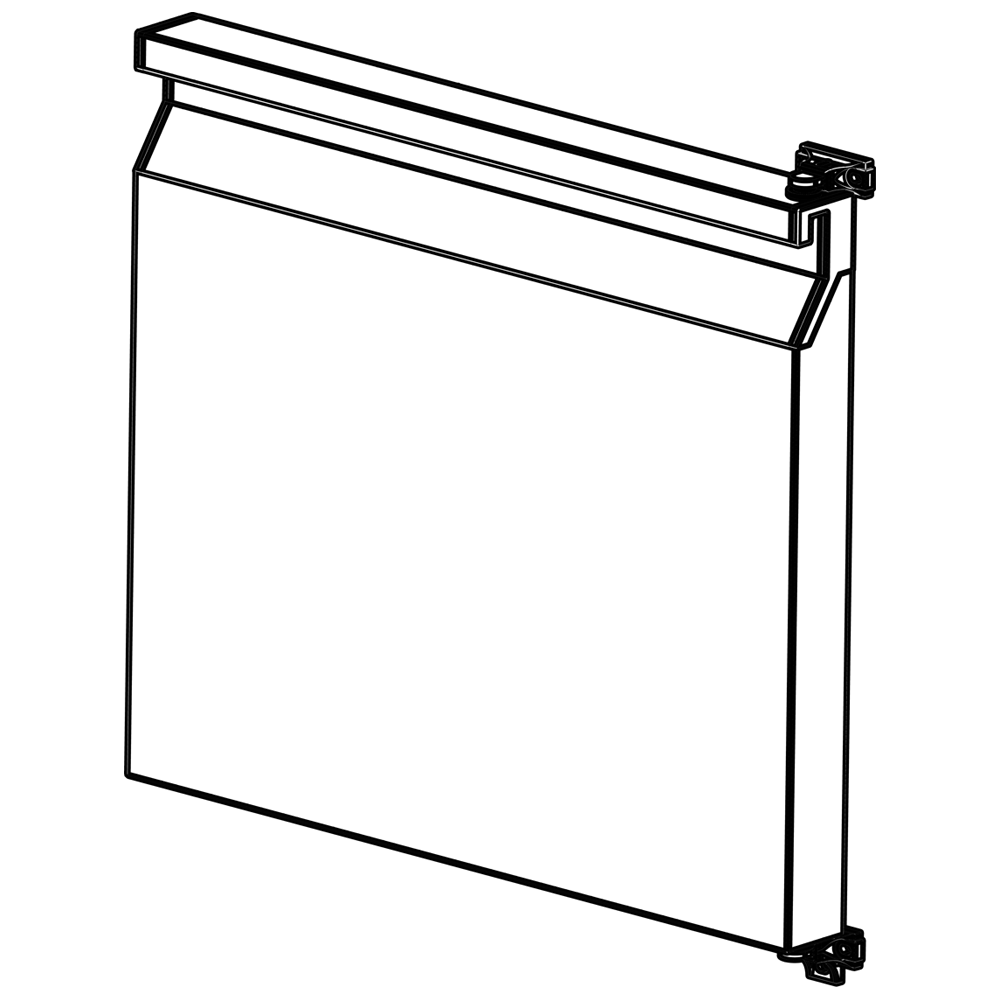
Sliding doors are the preferred solution where space outside the room is limited, as they open laterally without encroaching on access aisles. This design is critical in compact industrial kitchens or logistics areas. A well-engineered sliding door minimizes air exchange during operation, reducing the energy demand on the frigorific group and supporting overall system stability. The track and roller mechanism must be manufactured to the highest durability standards to ensure smooth, reliable operation under heavy use.
For environments requiring maximum efficiency and speed, rapid roll-up doors offer unparalleled performance. These doors open and close in seconds, drastically minimizing the duration of air exchange in high-traffic zones. This rapid operation is key to maintaining temperature integrity and achieving significant energy savings. The flexible curtain and high-speed mechanism represent advanced engineering, exemplifying the innovation found in modern industrial cold room parts designed for demanding applications.
The selection process must align the door type with the specific demands of the facility to optimize both performance and longevity. Choosing a door from a manufacturer with comprehensive R&D and production capabilities ensures that every component, from the frame to the seal, is built for reliability. This strategic approach guarantees that the cold room door will function as a durable, efficient asset, contributing to lower operational costs and enhanced cooling system performance for years to come.
How Does A Cold Room Door Ensure Temperature Control
A cold room door functions as the primary thermal barrier in an industrial refrigeration system, crucial for maintaining precise temperature control and achieving energy-efficient refrigeration. Its core role is to minimize heat ingress, which directly reduces the workload on the frigorific group, lowers energy consumption, and ensures the integrity of stored products. The effectiveness of this barrier relies entirely on the quality of its components and construction.
The most critical element for temperature integrity is the high-performance door seal, which creates an airtight closure between the door and its frame. This seal prevents warm, moist ambient air from entering the cold chamber, which is essential for preventing condensation, ice buildup, and temperature fluctuations. As fundamental industrial cold room parts, these seals, alongside robust aluminum profiles that form the structural frame, are engineered by manufacturers like İmamoğlu to withstand constant use while maintaining their insulating properties.
The insulation core within the door panel itself is another key factor. High-density foam insulation provides significant thermal resistance, reducing the rate of heat transfer through the door. When combined with durable cold storage doors construction, this ensures long-term performance without degradation that could compromise efficiency. This durability is comparable to that of reliable refrigerator spare parts, where consistency is paramount for system-wide reliability.
Proper installation and maintenance are the final pillars of effective temperature control. A door must be perfectly aligned to ensure the seal functions correctly, and regular inspections are necessary to check for wear or damage. A well-maintained door system prevents the refrigeration unit from cycling excessively, which extends its operational life and reduces energy costs. This proactive approach is a hallmark of a professional operation that values long-term asset performance.
Investing in a high-quality door system is a strategic decision for securing operational stability and cost management. By choosing industrial cold room parts from a manufacturer with a proven track record in R&D and export-quality production, businesses ensure their cold room door contributes positively to a sustainable, high-performance refrigeration environment, safeguarding both product quality and the bottom line.
What Materials Make The Best Cold Room Doors
The material composition of a cold room door is the fundamental determinant of its longevity, insulation performance, and overall contribution to energy-efficient refrigeration. Selecting the right materials ensures the door acts as a reliable thermal barrier, reducing the operational strain on the frigorific group and preventing costly energy losses that undermine system efficiency and product integrity.
The structural framework is most commonly constructed from high-strength aluminum profiles, chosen for their exceptional durability-to-weight ratio and inherent corrosion resistance. These profiles provide the rigid skeleton necessary to support the door's weight and withstand daily impact, forming the backbone of truly durable cold storage doors. As a key manufacturer, İmamoğlu leverages advanced extrusion techniques to produce these critical industrial cold room parts with precise tolerances for optimal performance.
Within the door panel, the insulation core is typically a closed-cell polyurethane foam, renowned for its high R-value and moisture resistance. This material effectively minimizes heat transfer, which is essential for maintaining stable internal temperatures and achieving energy savings. The core is sandwiched between durable facing materials, such as stainless steel or reinforced polymer, which protect it from physical damage and environmental factors, ensuring the door's integrity over its entire lifespan.
The high-performance door seal is typically made from flexible, food-grade PVC or silicone that remains pliable in extreme temperatures. This material must maintain a perfect seal against the frame to prevent air infiltration, a failure point in lesser quality doors. The quality of these materials is as critical as that of other precision refrigerator spare parts, where inferior components can lead to system-wide inefficiencies and premature failure.
Investing in a door engineered with superior materials from a trusted manufacturer is a direct investment in operational reliability and cost control. By choosing components produced with R&D-backed material science, businesses secure a long-term solution that minimizes maintenance and energy expenditure. This commitment to high-quality industrial cold room parts ensures the cold room door performs as a durable, efficient asset for years, protecting the cold chain and the business's bottom line.
How To Maintain Your Cold Room Door For Longevity
Proactive maintenance of your cold room door is a strategic practice that directly extends its service life and safeguards the efficiency of your entire refrigeration system. A well-maintained door ensures consistent temperature control, which is fundamental to achieving energy-efficient refrigeration and reducing the operational load on your frigorific group, leading to significant long-term cost savings.
The most critical maintenance task is the regular inspection and cleaning of the high-performance door seal. This component must be kept free of debris, ice buildup, and residue to ensure it can form an airtight seal against the frame. A compromised seal is the primary cause of energy loss, forcing the cooling system to work overtime. For durable cold storage doors, this simple routine is as vital as maintaining other critical refrigerator spare parts.
Regularly check the structural components, including the aluminum profiles that form the door frame, for signs of damage or misalignment. Ensure that hinges, handles, and automatic mechanisms operate smoothly without binding or unusual noise. For sliding doors, the tracks must be kept clean to prevent wear on the rollers. Addressing minor issues promptly prevents them from escalating into major failures that cause costly downtime, a principle that applies to all industrial cold room parts.
It is also essential to periodically inspect the door panel for any dents, cracks, or degradation of the facing material. Any damage to the panel can compromise the insulation's integrity, leading to reduced thermal efficiency. Using genuine replacement components from the original manufacturer, such as İmamoğlu, ensures compatibility and preserves the door's designed performance and longevity, maintaining its status as a reliable asset.
Establishing a scheduled maintenance program is the most effective way to guarantee the long-term performance of your cold room door. This proactive approach minimizes unexpected repairs, optimizes energy consumption, and protects your stored products. By prioritizing the care of these essential industrial cold room parts, businesses can ensure their cooling systems operate reliably for years, maximizing return on investment and operational continuity.
What Is The Role Of A Cold Room Door Seal
The high-performance door seal is the single most critical component for the functionality of an industrial cold room door, acting as the primary barrier against energy loss and humidity ingress. Its fundamental role is to create a continuous, airtight closure between the door panel and the frame, which is essential for maintaining precise temperature control and achieving true energy-efficient refrigeration. Without an effective seal, even the most robust door structure fails to protect the internal environment.
An optimal seal prevents warm, moisture-laden air from entering the cold chamber, which is vital for several reasons. First, it stops condensation and ice formation on the door and surrounding aluminum profiles, which can lead to corrosion and mechanical failure. Second, by minimizing air exchange, it significantly reduces the workload on the frigorific group, leading to lower energy consumption and extended equipment life. This makes the seal as indispensable as other precision refrigerator spare parts.
The material and design of the seal are paramount for its longevity and performance. High-quality seals from manufacturers like İmamoğlu are made from flexible, durable compounds like food-grade silicone or PVC that remain pliable across a wide temperature range. They are engineered to withstand constant compression and decompression without losing their shape or sealing ability, a key factor in the reliability of durable cold storage doors. As essential industrial cold room parts, their failure directly compromises the entire system's integrity.
In practice, a compromised seal forces the refrigeration system to cycle more frequently to compensate for the influx of warm air. This not only increases energy costs but also accelerates wear on compressors and other components, leading to more frequent repairs and potential downtime. Regular inspection and timely replacement of the seal are therefore critical maintenance activities for any facility prioritizing operational continuity and cost control.
Investing in a superior quality door seal is a direct investment in the efficiency and longevity of your cold storage operation. By specifying seals from a manufacturer renowned for R&D and rigorous quality control, businesses ensure this vital component performs flawlessly. This focus on high-caliber industrial cold room parts guarantees that the cold room door fulfills its role as a dependable, energy-saving asset for years to come.
How To Install A High-Performance Cold Room Door
Proper installation of a high-performance cold room door is a critical procedure that directly impacts its ability to deliver energy-efficient refrigeration and long-term reliability. A flawless installation ensures the door functions as an integral part of the thermal envelope, preventing energy loss and reducing the operational strain on the frigorific group. The process begins with meticulous preparation of the opening and precise assembly of all components.
The first step involves preparing the door aperture, ensuring it is square, plumb, and structurally sound to accept the frame. The structural integrity of the aluminum profiles that form the frame relies on a stable foundation. The frame must be securely anchored, often with through-bolts, to prevent any movement that could compromise the seal or alignment over time. This foundational precision is essential for all industrial cold room parts to perform as designed by manufacturers like İmamoğlu.
Once the frame is fixed, the door leaf is carefully hung and adjusted. Hinges must be aligned to allow the door to swing smoothly and settle perfectly into the closed position. The most critical adjustment involves the high-performance door seal, which must make uniform contact with the entire perimeter of the frame without gaps or excessive compression. A proper seal is as vital to a cold room door as quality refrigerator spare parts are to the overall system, ensuring an airtight closure that blocks thermal transfer.
For automated or specialized doors, the installation includes integrating electrical components, sensors, and safety mechanisms according to the manufacturer's specifications. These systems must be calibrated to minimize the door's open time, further enhancing energy savings. The goal is to create a fully integrated assembly where the door operates seamlessly as part of the durable cold storage doors system, contributing to operational efficiency from day one.
Investing in a professional installation for your cold room door guarantees that its engineered performance is fully realized. A correctly installed door maximizes energy savings, minimizes future maintenance, and extends the service life of the entire refrigeration system. This careful approach to integrating high-quality industrial cold room parts ensures your facility benefits from reliable, cost-effective temperature control for years to come.