









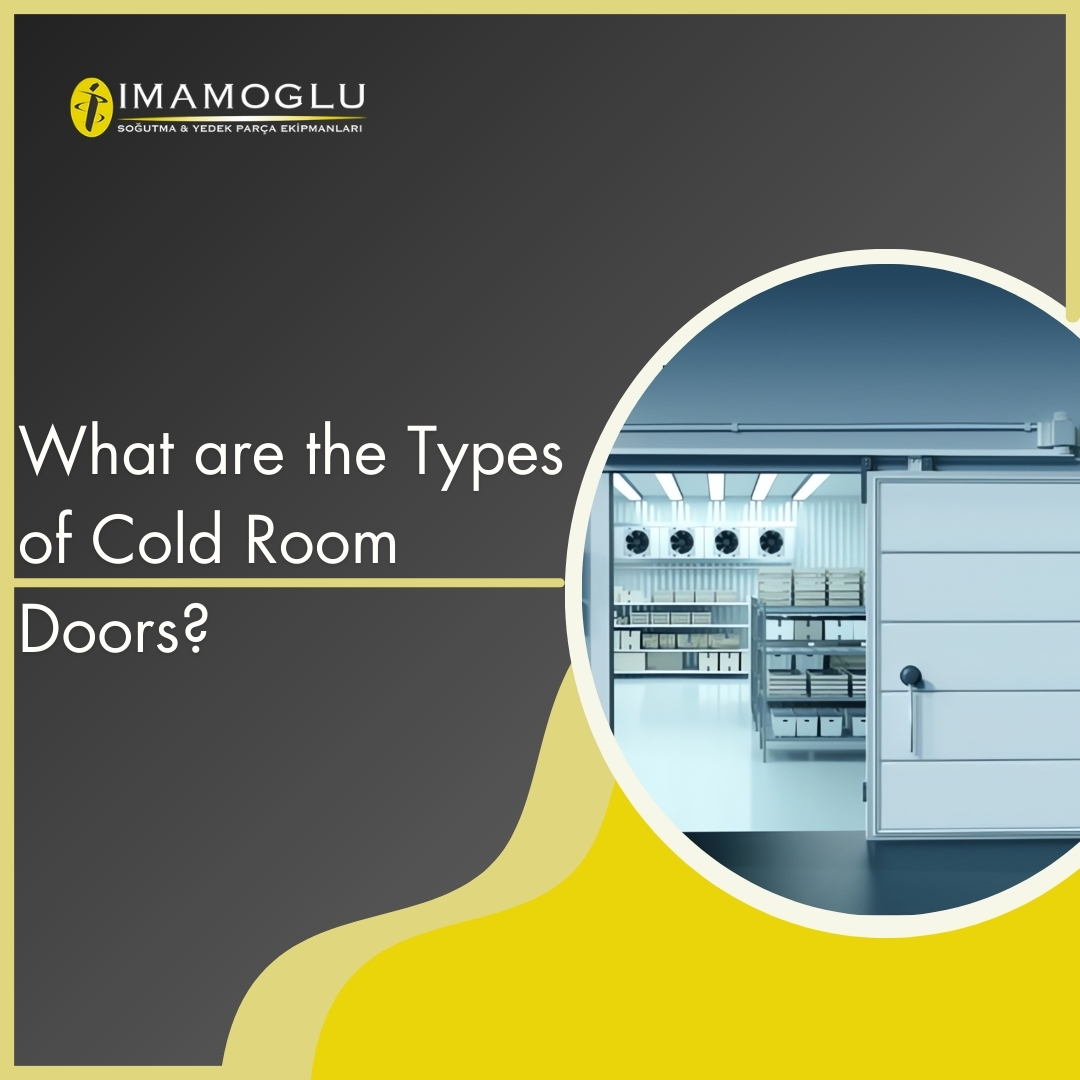
What Are the Types of Cold Room Doors?
Table of Contents
- What Types Of Cold Room Doors Are Available
- How To Choose The Right Cold Room Door Type
- What Is A Strip Door For Cold Rooms
- Which Cold Room Door Offers Maximum Energy Efficiency
- What Are The Different Cold Room Door Materials
- How Do Insulated Cold Room Doors Work
- Which Cold Room Door Is Best For My Needs
- What Are The Benefits Of A Sliding Cold Room Door
- How To Specify Cold Room Doors For Industrial Kitchens
- What Is The Most Durable Cold Room Door Type
What Types Of Cold Room Doors Are Available
Choosing the right cold room doors is a critical decision that directly impacts operational efficiency and energy consumption in industrial settings. Selection directly influences energy containment, temperature stability, and workflow efficiency for industrial kitchen manufacturers and large-scale cold storage operations. Opting for high-quality durable cold room equipment is not merely a purchase but a strategic investment in long-term operational continuity and significant energy savings.
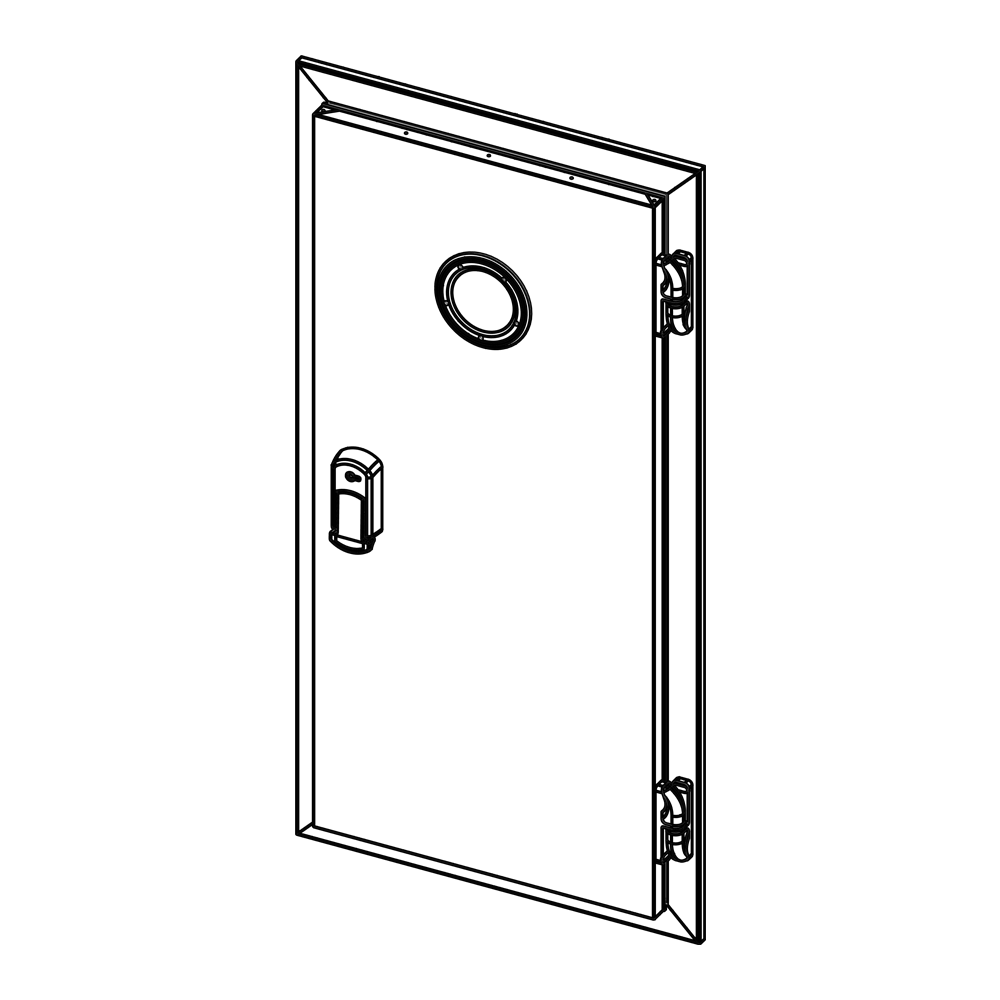
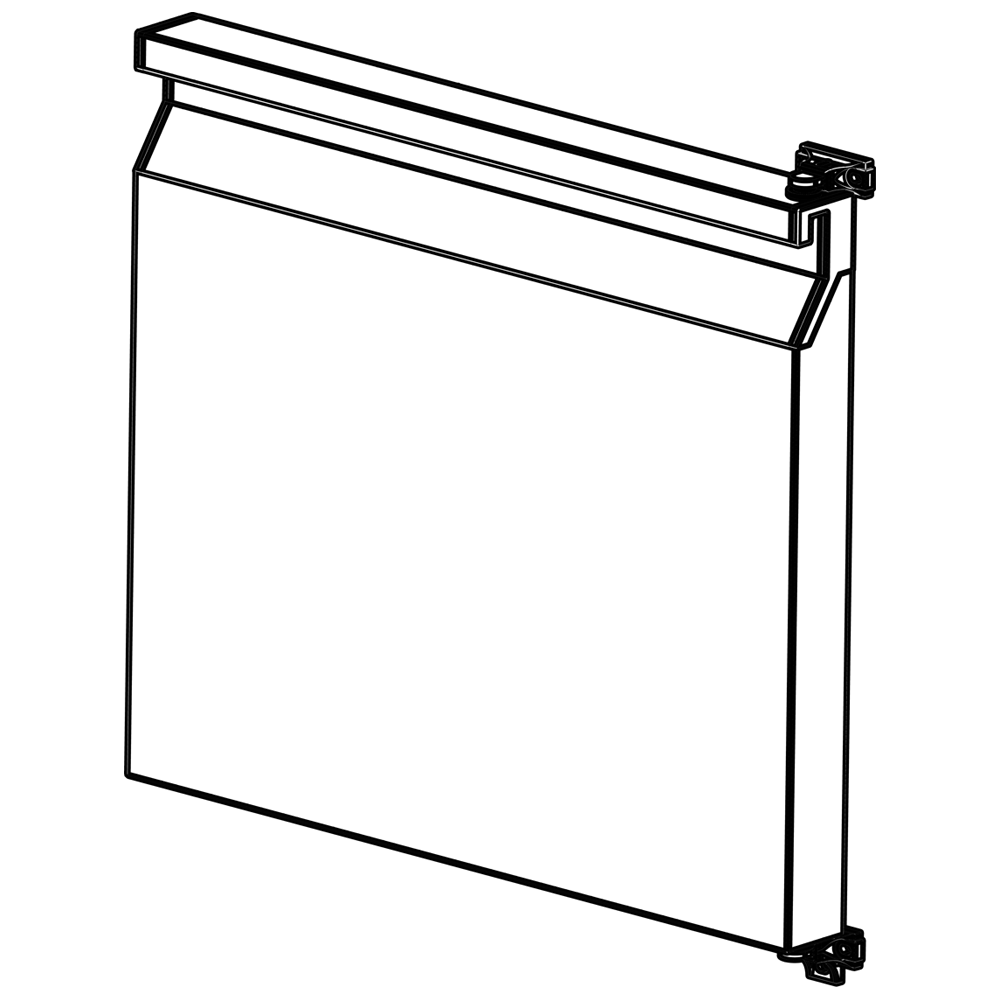
The primary types of cold room doors include hinged, sliding, and flexible strip doors, each engineered for specific operational demands and spatial constraints. Hinged doors offer robust sealing for smaller access points, while sliding doors maximize space efficiency in high-traffic areas. These essential industrial cold room parts are designed with advanced insulation cores and specialized gaskets to create an airtight seal, minimizing thermal exchange. This focus on thermal integrity is what defines truly energy-efficient cold doors, which are fundamental to reducing the workload on refrigeration systems.
Manufacturers like İmamoğlu cooling prioritize R&D-supported design and stringent quality control to produce reliable refrigeration components that withstand constant use. Their export-oriented production standards ensure that every door meets the rigorous demands of global industrial applications, from food processing plants to pharmaceutical storage facilities. This commitment to durability and precision engineering results in durable cold room equipment that extends the lifespan of the entire cooling system by ensuring consistent performance.
Integrating high-performance doors is crucial for maintaining temperature-sensitive environments and protecting valuable inventory. For service providers and cooling system suppliers, specifying superior doors translates directly into minimized downtime and enhanced client satisfaction. The right selection of these critical industrial cold room parts ensures that energy costs are kept in check while equipment longevity is maximized. Partnering with an established manufacturer guarantees access to reliable refrigeration components that are built for endurance and backed by decades of industry expertise.
How To Choose The Right Cold Room Door Type
Selecting the optimal cold room doors requires a systematic evaluation of operational needs, traffic patterns, and energy efficiency targets. For industrial kitchen manufacturers and large-scale cold storage operators, this decision directly influences daily workflow, thermal efficiency, and long-term operational costs. Choosing the correct type is the first step toward achieving a reliable, energy-conscious refrigeration environment with minimal downtime.
A thorough assessment begins with analyzing traffic frequency and the type of material handling equipment used, such as pallet jacks or forklifts. High-traffic zones benefit from sliding or power-operated doors that maintain an effective seal while facilitating smooth ingress and egress, preserving the integrity of the durable cold room equipment. The required temperature range is another critical factor; lower temperatures demand doors with superior insulation properties and robust gasketing to ensure they function as truly energy-efficient cold doors.
The quality of construction and materials separates superior industrial cold room parts from standard offerings. Doors from manufacturers like İmamoğlu cooling are engineered with R&D-supported designs, featuring high-density insulation cores and corrosion-resistant finishes. This focus on manufacturing excellence results in reliable refrigeration components that endure harsh conditions, ensuring long-term performance and reducing the frequency of replacements.
Ultimately, the right choice balances initial investment with total cost of ownership, where energy savings and reduced maintenance from high-quality doors offer a rapid return. Partnering with an export-oriented manufacturer guarantees access to durable cold room equipment that meets international standards for safety and efficiency. Specifying the correct cold room doors is a strategic move that safeguards product integrity, optimizes energy use, and strengthens the overall reliability of your cooling infrastructure.
What Is A Strip Door For Cold Rooms
A strip door for cold rooms is a specialized type of cold room doors consisting of overlapping transparent PVC strips that form a flexible barrier. This design is particularly effective in areas requiring constant access, such as passageways for staff in facilities managed by industrial kitchen manufacturers. They are a key component in achieving significant energy savings by minimizing the loss of cooled air, making them a prime example of energy-efficient cold doors.
The primary function of these doors is to allow unimpeded personnel and light cart traffic while creating a thermal seal that swiftly closes after each passage. This continuous barrier drastically reduces the infiltration of warm, moist air, which is a major contributor to compressor strain and frost buildup. As essential industrial cold room parts, high-quality strip doors are manufactured from durable, low-temperature grade PVC that remains flexible and transparent even in sub-zero environments. This durability is crucial for maintaining their performance as part of a suite of reliable refrigeration components.
Manufacturers like İmamoğlu cooling engineer these solutions with R&D-supported precision, ensuring the strips offer the correct overlap and weight for optimal sealing and longevity. This focus on quality control results in durable cold room equipment that withstands constant impact and abrasion, extending the operational life of the entire refrigeration system. The use of high-grade materials prevents cracking and clouding, ensuring clear visibility and safety.
For any business prioritizing operational fluidity and energy conservation, integrating high-performance strip doors is a strategic decision. They are a cost-effective solution that directly contributes to lower energy bills and reduced wear on cooling units. By choosing strip doors from a proven manufacturer, you invest in durable cold room equipment that supports continuous workflow while safeguarding your energy investment and ensuring long-term, reliable performance for your critical cooling infrastructure.
Which Cold Room Door Offers Maximum Energy Efficiency
Identifying the most energy-efficient cold room doors is paramount for businesses focused on slashing operational costs and enhancing sustainability. The efficiency of these critical industrial cold room parts directly dictates the thermal stability and electrical consumption of the entire refrigeration system. For industrial kitchen manufacturers and large-scale storage facilities, this translates into significant long-term savings and improved environmental performance.
Modern rapid roll-up doors are widely regarded as offering maximum efficiency due to their swift operation and superior sealing mechanisms. Their high-speed opening and closing drastically minimize the duration of air exchange, preventing the significant energy loss associated with traditional doors. When constructed as part of a comprehensive system of durable cold room equipment, these doors feature insulated panels, robust perimeter seals, and advanced gaskets that create an almost hermetic closure. This meticulous engineering is what defines true energy-efficient cold doors.
The quality of construction is non-negotiable for achieving peak performance. Manufacturers like İmamoğlu cooling utilize R&D-driven designs and stringent production controls to ensure every component functions optimally. From the density of the insulation core to the integrity of the seals, these doors are built as reliable refrigeration components designed for export-grade durability. This focus on precision manufacturing ensures that the door maintains its insulating properties over years of heavy use, which is essential for protecting the integrity of durable cold room equipment.
Ultimately, the most efficient door is the one that perfectly balances rapid access with impeccable thermal integrity, reducing the workload on compressors and extending their operational life. Investing in high-performance, rapid-action doors is a strategic decision that pays for itself through lower utility bills and reduced maintenance. By selecting advanced doors from a trusted manufacturer, businesses secure a cornerstone of their energy-saving strategy, ensuring their cooling systems operate at peak efficiency with unwavering reliability.
What Are The Different Cold Room Door Materials
The material selection for cold room doors fundamentally determines their thermal performance, durability, and overall lifecycle cost. For industrial kitchen manufacturers and large-scale cold storage operators, choosing the correct material is critical for ensuring energy containment and achieving the status of energy-efficient cold doors. The right material directly impacts the efficiency and longevity of these essential industrial cold room parts.
The most common materials include galvanized steel, stainless steel, and aluminum, each offering distinct advantages for different environments. Galvanized steel provides a cost-effective, corrosion-resistant solution for standard temperature applications, forming the core of robust durable cold room equipment. For high-humidity or corrosive environments, such as fish processing plants, stainless steel doors are indispensable due to their superior resistance, ensuring they remain reliable refrigeration components for years. Aluminum is prized for its lightweight properties and natural rust resistance, making it ideal for specific applications.
Beyond the outer cladding, the insulation core is equally vital. High-density polyurethane (PUR) or polyisocyanurate (PIR) foam is injected between the panels, creating a rigid, moisture-resistant barrier with excellent thermal properties. Manufacturers like İmamoğlu cooling apply rigorous quality control to this lamination process, ensuring consistent foam density and a perfect bond. This meticulous manufacturing results in durable cold room equipment that maintains its insulating integrity, preventing thermal bridging and energy loss.
Selecting a door material is a strategic decision that balances initial cost with long-term performance in corrosion resistance, hygiene, and structural strength. Partnering with a manufacturer that masters material science and advanced production techniques is key to obtaining reliable refrigeration components that stand the test of time. The right material choice, backed by expert manufacturing, ensures your cold room doors contribute directly to lower energy consumption, reduced maintenance, and sustained operational reliability.
How Do Insulated Cold Room Doors Work
Insulated cold room doors function as a critical thermal barrier, engineered to minimize heat transfer between the cold interior and the external environment. Their performance is fundamental for industrial kitchen manufacturers and logistics centers seeking to maintain precise temperatures efficiently. By effectively containing cooled air, these essential industrial cold room parts reduce the workload on refrigeration systems, directly translating into lower energy consumption and operational costs.
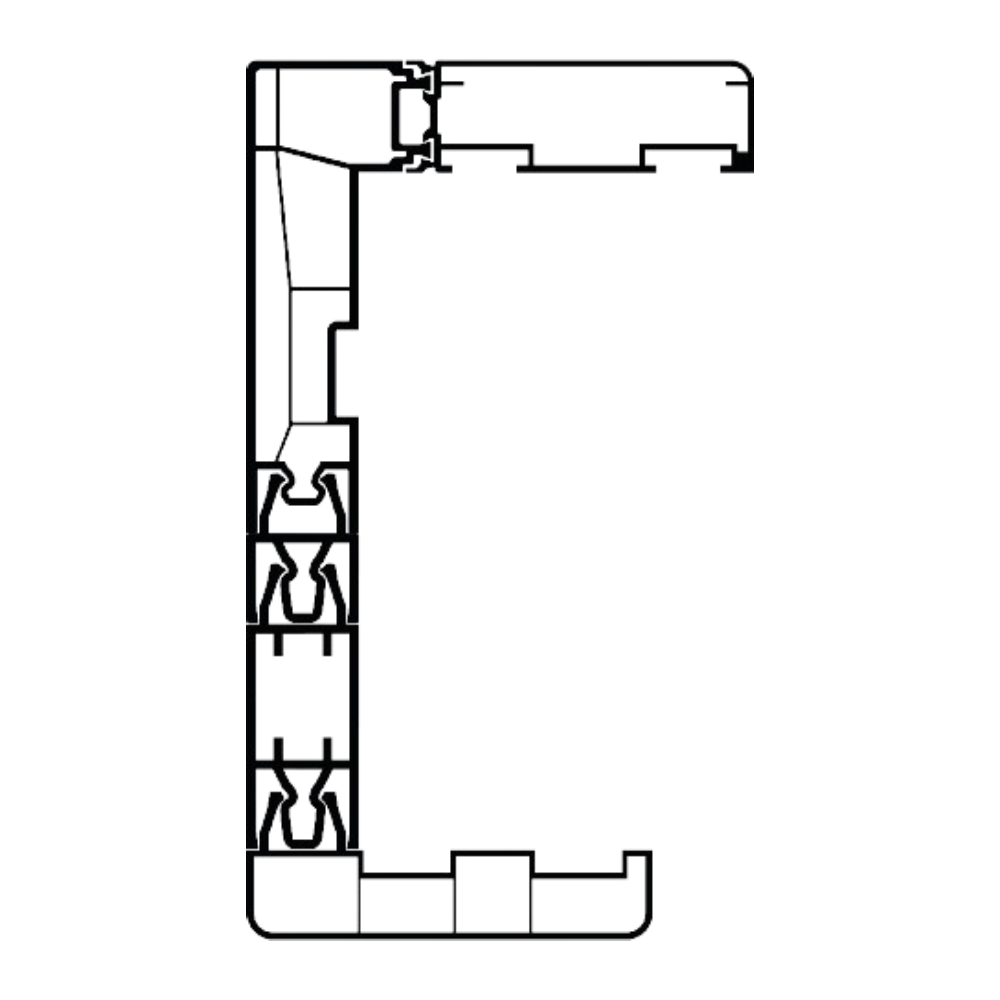
The core principle involves a high-performance insulation material, typically polyurethane foam, injected under pressure between two metal skins. This foam expands to fill the entire cavity, creating a solid, monolithic core with exceptionally low thermal conductivity. The integrity of this core is what separates standard doors from truly energy-efficient cold doors. Sealing is achieved through a system of magnetic gaskets or compression seals around the perimeter that create an airtight closure when the door is shut, preventing energy-wasting air infiltration.
Manufacturing precision is paramount for this system to work reliably over time. Producers like İmamoğlu cooling employ R&D-supported processes to ensure uniform foam density and perfect adhesion between the core and the cladding. This rigorous quality control guarantees that each door performs as a reliable refrigeration component, maintaining its insulating properties and structural integrity for years. The result is durable cold room equipment that withstands the physical demands of an industrial setting without compromising thermal efficiency.
Ultimately, the sophisticated operation of insulated doors provides a direct return on investment by stabilizing internal temperatures and protecting product quality. This thermal stability allows compressors to cycle less frequently, which extends their operational lifespan and reduces maintenance needs. Investing in high-quality insulated doors from a trusted manufacturer is a strategic decision that safeguards your energy investment and ensures the long-term reliability of your entire refrigeration system, making them indispensable industrial cold room parts for any serious operation.
Which Cold Room Door Is Best For My Needs
Determining the best cold room doors for your facility requires a detailed analysis of specific operational parameters to maximize efficiency and durability. The ideal choice is not a one-size-fits-all solution but a precise match to your workflow, temperature requirements, and traffic patterns. For industrial kitchen manufacturers and logistics hubs, this decision directly impacts energy savings and the long-term reliability of durable cold room equipment.
The selection process must begin with a clear assessment of access frequency and the type of traffic. High-frequency areas with forklift access demand robust rapid-roll doors or heavy-duty sliding doors designed for impact resistance and speed. Conversely, areas with infrequent personnel access may be optimally served by well-sealed hinged doors. The operating temperature is critical; deep-freeze applications necessitate energy-efficient cold doors with superior insulation and specialized low-temperature gaskets to prevent ice formation and energy loss.
Material selection is equally vital for ensuring the door functions as a reliable refrigeration component. Corrosive environments, such as those in food processing, require stainless steel construction, while standard applications may utilize galvanized steel. Manufacturers like İmamoğlu cooling offer a range of these essential industrial cold room parts, each engineered with R&D-supported designs to meet specific industrial challenges. Their export-oriented quality control ensures that every door provides long-lasting performance.
Ultimately, the best door is the one that delivers the lowest total cost of ownership by balancing energy conservation with minimal maintenance needs. Partnering with an experienced manufacturer allows you to specify a solution that perfectly aligns with your operational demands. This strategic approach ensures you invest in durable cold room equipment that enhances operational continuity, reduces energy costs, and extends the life of your entire refrigeration system, securing a solid return on investment.
What Are The Benefits Of A Sliding Cold Room Door
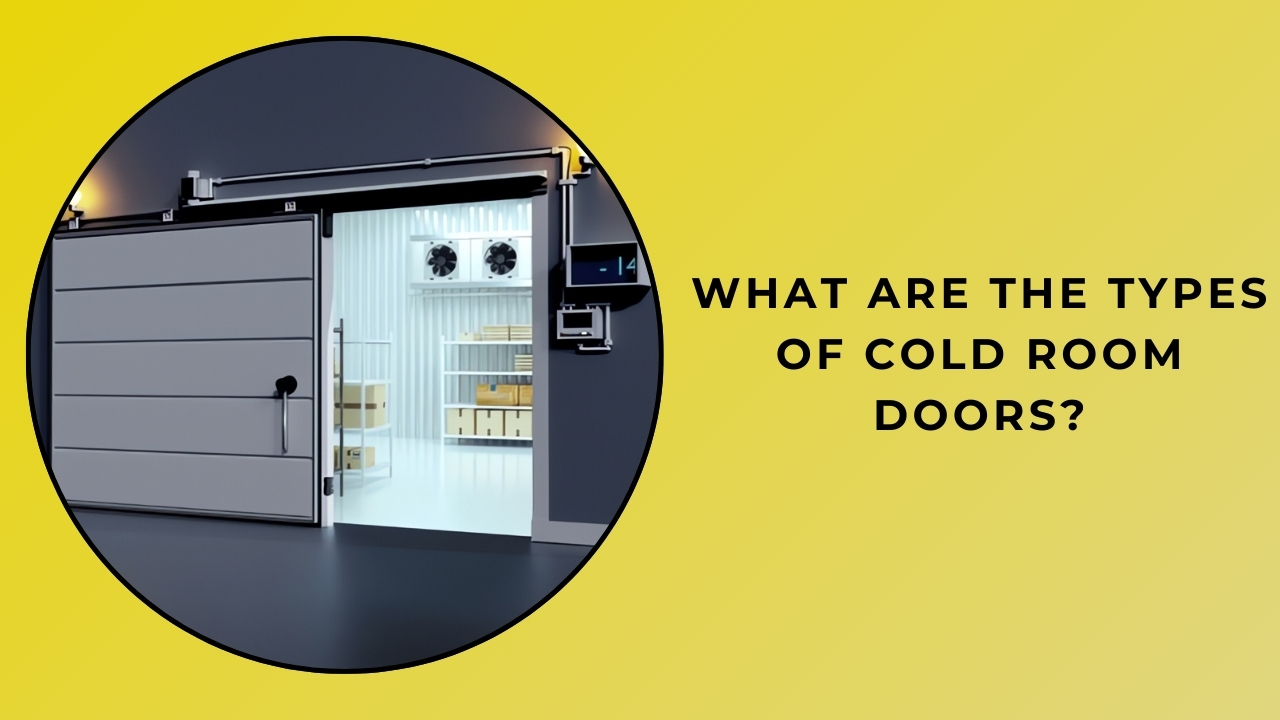
Sliding cold room doors offer significant operational advantages in facilities where floor space conservation is critical. By operating parallel to the wall, these industrial cold room parts eliminate the swing radius required by hinged models, maximizing usable area for storage and material handling. This space efficiency is a primary benefit for industrial kitchen manufacturers and warehouses where every square meter directly impacts layout and workflow optimization.
The design of sliding doors inherently supports their function as energy-efficient cold doors. When properly engineered with robust perimeter seals and insulated panels, they provide an excellent thermal barrier. The sliding mechanism allows for a tight, consistent seal against the frame, minimizing air leakage and reducing the thermal load on the refrigeration system. This efficiency is a hallmark of high-quality durable cold room equipment, leading to measurable reductions in energy consumption.
Durability is another key benefit, especially in high-traffic industrial settings. The robust track and roller systems are designed to withstand frequent use, making them reliable refrigeration components for demanding applications. Manufacturers like İmamoğlu cooling construct these doors with heavy-duty materials and precision engineering, ensuring smooth operation and long service life even under constant use. This commitment to quality results in truly durable cold room equipment that minimizes downtime and maintenance costs.
Ultimately, the combination of space optimization, thermal efficiency, and rugged construction makes sliding doors an intelligent investment for businesses focused on operational excellence. By choosing a sliding door system from a trusted manufacturer, you secure a reliable refrigeration component that enhances workflow, protects your energy investment, and contributes to the long-term stability of your cooling infrastructure. This strategic choice directly supports reduced operational costs and sustained performance for industrial kitchen manufacturers and other large-scale operations.
How To Specify Cold Room Doors For Industrial Kitchens
Specifying the correct cold room doors for an industrial kitchen requires a meticulous approach that balances operational demand with energy efficiency. For industrial kitchen manufacturers and facility planners, precise specification is the foundation for achieving thermal integrity and workflow optimization. The process ensures these critical industrial cold room parts deliver the expected performance, directly impacting energy consumption and operational continuity.
The first step involves a detailed analysis of the kitchen's operational flow, including traffic frequency, peak usage periods, and the type of movement—whether manual carts or heavier equipment are used. This assessment dictates the door type; high-traffic receiving areas may require rapid-action doors, while storage walk-ins might use swing or sliding models. The required temperature zone is equally critical, as it determines the necessary insulation thickness and seal type to achieve energy-efficient cold doors. Hygiene standards often mandate specific, easy-to-clean materials like stainless steel for food-contact environments.
Material and construction quality are non-negotiable for ensuring longevity. The specification must call for robust materials that resist corrosion, impact, and constant use, making them reliable refrigeration components. Manufacturers like İmamoğlu cooling provide detailed technical data, including U-values and pressure ratings, allowing for precise specification of durable cold room equipment. This data-driven approach ensures the selected door meets the exact performance criteria for the application.
A well-specified door minimizes energy loss, reduces strain on the refrigeration system, and withstands the rigors of a commercial kitchen environment. Partnering with an experienced manufacturer who understands the unique demands of industrial kitchen manufacturers is essential. This collaboration guarantees that the specified cold room doors will function as effective, long-lasting components, delivering reliable performance, energy savings, and a strong return on investment for years to come.
What Is The Most Durable Cold Room Door Type
When specifying for maximum longevity in demanding industrial environments, heavy-duty sliding cold room doors are often considered the most durable option. Their robust construction and operating mechanism are specifically engineered to withstand the high-impact, frequent-use cycles typical in facilities managed by industrial kitchen manufacturers and large logistics centers. This inherent durability makes them a cornerstone of reliable durable cold room equipment.
The primary durability advantage lies in the sliding door's track-and-roller system, which absorbs impacts laterally and distributes operational stress across a robust structural frame. Unlike hinged doors that can suffer from hinge wear or impact damage on the swing arc, sliding doors move laterally on a reinforced track. This design, when manufactured with high-grade materials, creates exceptionally reliable refrigeration components capable of enduring decades of heavy use without significant degradation in performance.
Material selection is paramount for achieving this level of endurance. For the most corrosive environments, such as food processing plants, doors constructed from 304 or 316 stainless steel offer unparalleled resistance to moisture and chemical exposure. Manufacturers like İmamoğlu cooling employ R&D-supported designs that ensure uniform panel strength and optimal roller mechanics, resulting in premium industrial cold room parts. The integration of high-density insulation ensures these doors also function as energy-efficient cold doors, maintaining thermal performance throughout their extended lifespan.
Ultimately, the most durable door type minimizes lifecycle costs by drastically reducing maintenance, repair, and replacement frequency. Investing in a heavy-duty sliding door from a manufacturer with a proven track record in durable cold room equipment is a strategic decision for any serious operation. This choice ensures uninterrupted workflow, protects your energy investment, and guarantees that your cold room doors remain operational and efficient for the long term, delivering a superior return on investment.