

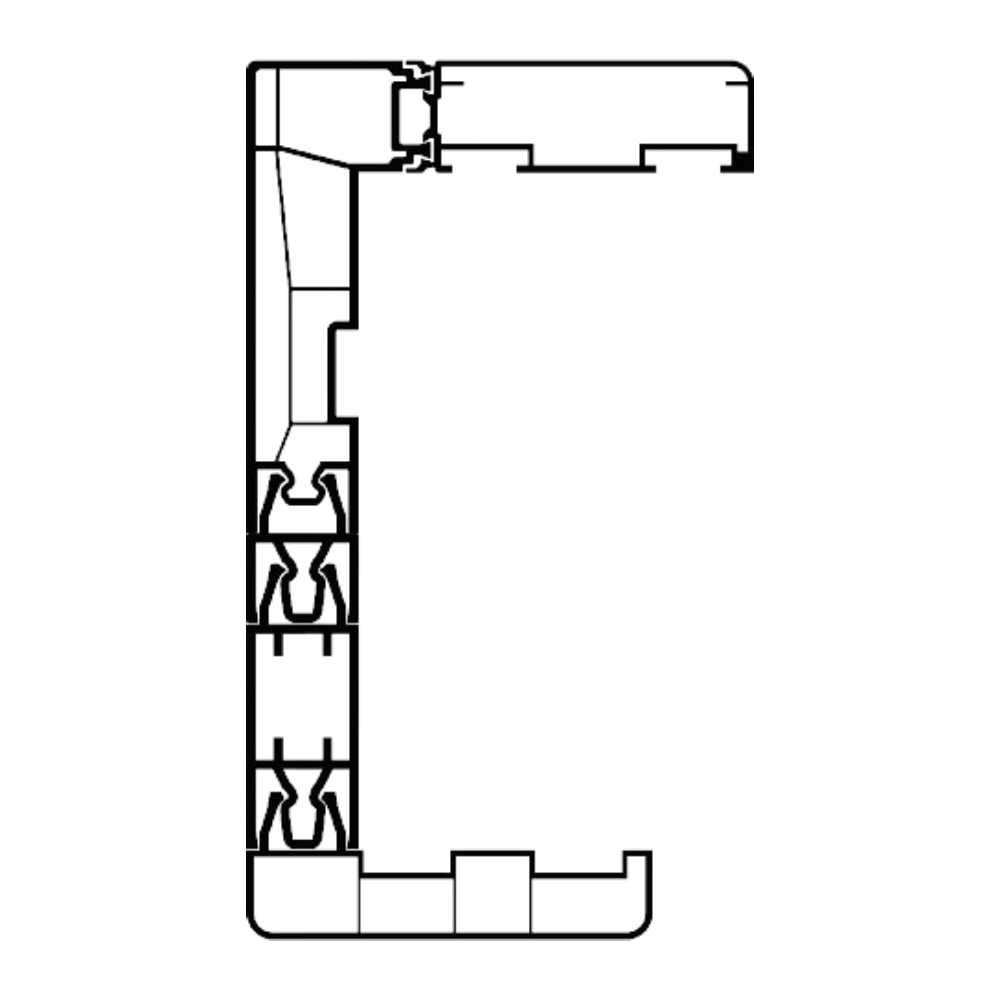
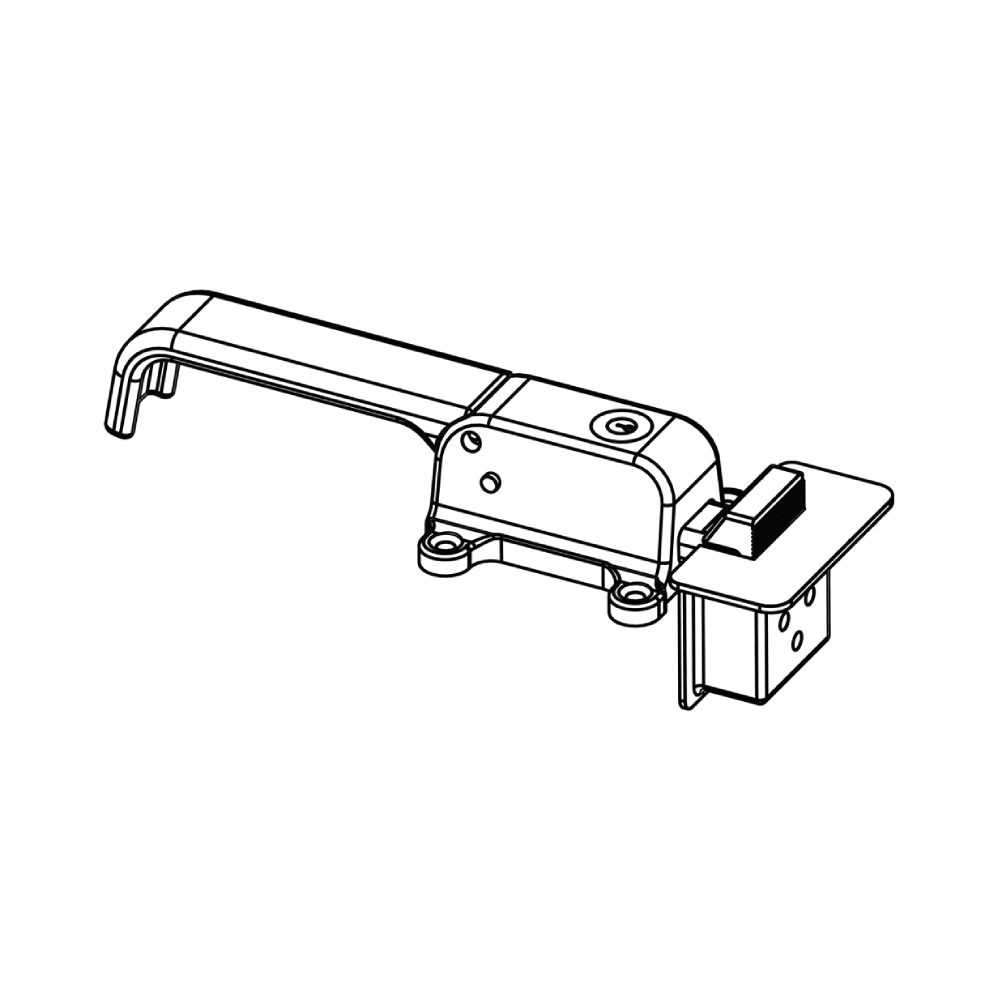


Threshold-Free Cold Room Door
Table of Contents
- What Is a Threshold-Free Cold Room Door?
- How Is Sealing Achieved Without a Threshold?
- Which Cold Rooms Is a Threshold-Free Door Suitable For?
- Floor Preparation: What to Know Before Installation
- Maintenance and Long Service Life of Threshold-Free Doors
What Is a Threshold-Free Cold Room Door?
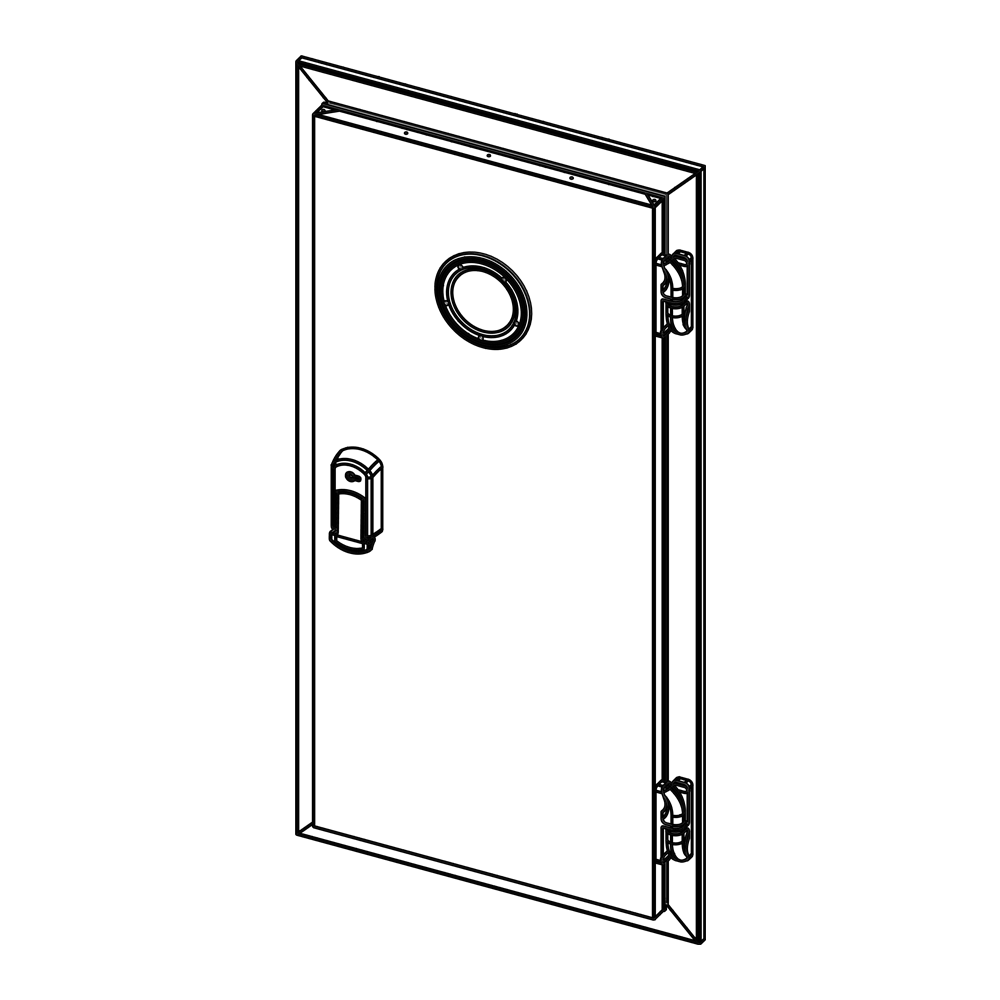
A threshold-free cold room door is a door with no raised threshold profile at the bottom of the opening, so the cold room floor and the outside floor meet at the same level. Pallet trucks, forklifts, rack trolleys and wheeled crates pass through without catching, and staff carrying loads no longer risk tripping.
The second major benefit is cleaning. There are no hard-to-clean edges where water, dirt and product residue collect along a threshold profile; the floor can be washed and disinfected continuously across the door opening. This is why threshold-free doors are widely preferred in food production, storage and dispatch areas.
On the other hand, the job a threshold normally does, sealing the bottom edge of the door, has to be handled in other ways. Choosing the right threshold-free door therefore means looking not only at the door leaf, but also at the bottom seal system and the floor on which the door will be installed.
How Is Sealing Achieved Without a Threshold?
On threshold-free doors, the gap at the bottom edge is closed with flexible floor seals fitted under the leaf. A common solution is an automatic drop-down floor seal, which lowers as the door closes and lifts as it opens. It presses against the floor when the door is closed and, because it does not drag on the floor while the door is open, it wears more slowly.
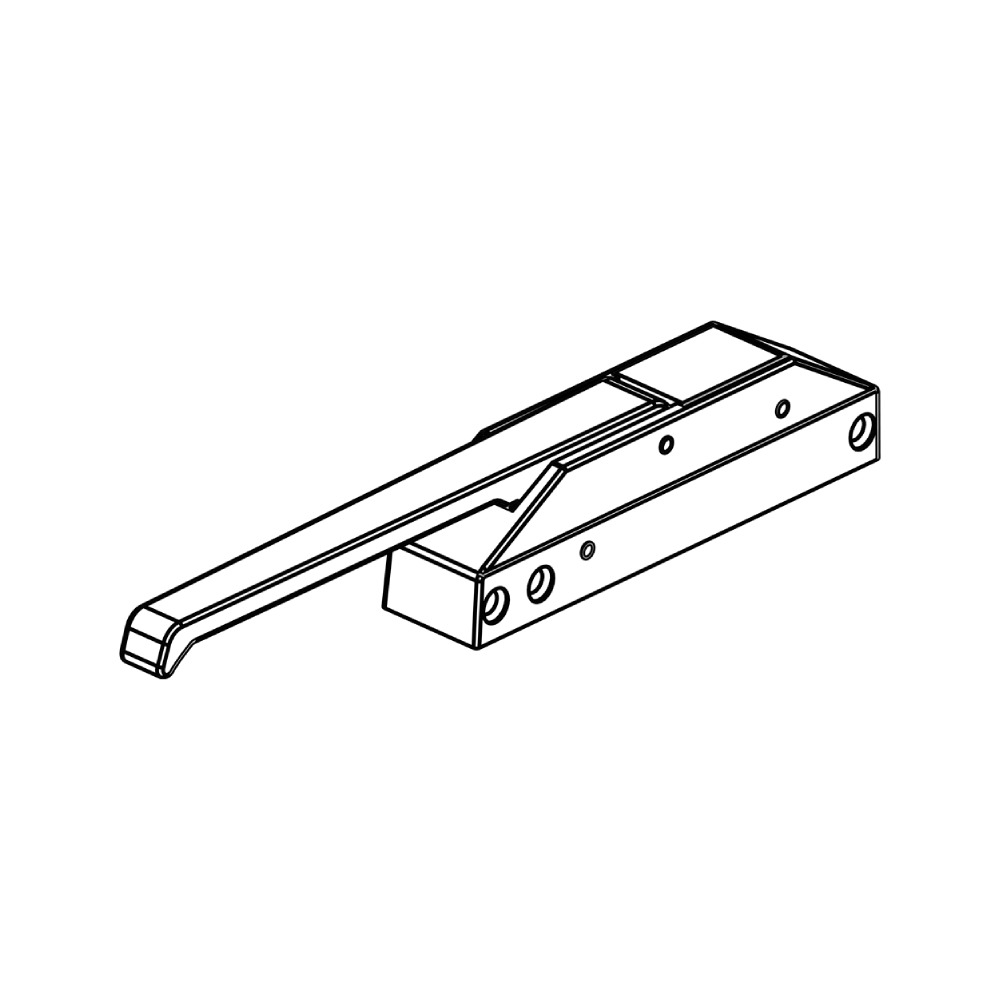
Along the top and side edges of the leaf, gaskets seat against the frame. For the leaf to seat with even pressure at every point, the closing mechanism must be correctly adjusted; if the leaf does not close fully at one corner, leakage usually starts there.
Seal quality has a direct impact on energy consumption. Cold air escaping at the bottom edge makes the refrigeration unit run longer and causes condensation and wet floors in front of the door. When choosing a door, it is therefore worth asking about the type and material of the bottom seal and how easily it can be replaced.
Which Cold Rooms Is a Threshold-Free Door Suitable For?
Threshold-free doors perform best in chilled (positive-temperature) cold rooms where the room stays above zero. In high-traffic rooms such as fruit and vegetable, dairy, meat pre-cooling and dispatch staging rooms, removing the threshold noticeably speeds up daily operations.
The situation is different in freezer (negative-temperature) rooms. Moisture near the floor at the door line can freeze, sticking the bottom seal to the floor and making the door hard to open. If a threshold-free door is planned for such a room, floor heating along the door line and continuous floor insulation should be included in the project from the start; where this is not possible, a heated frame with a threshold may be the safer choice.
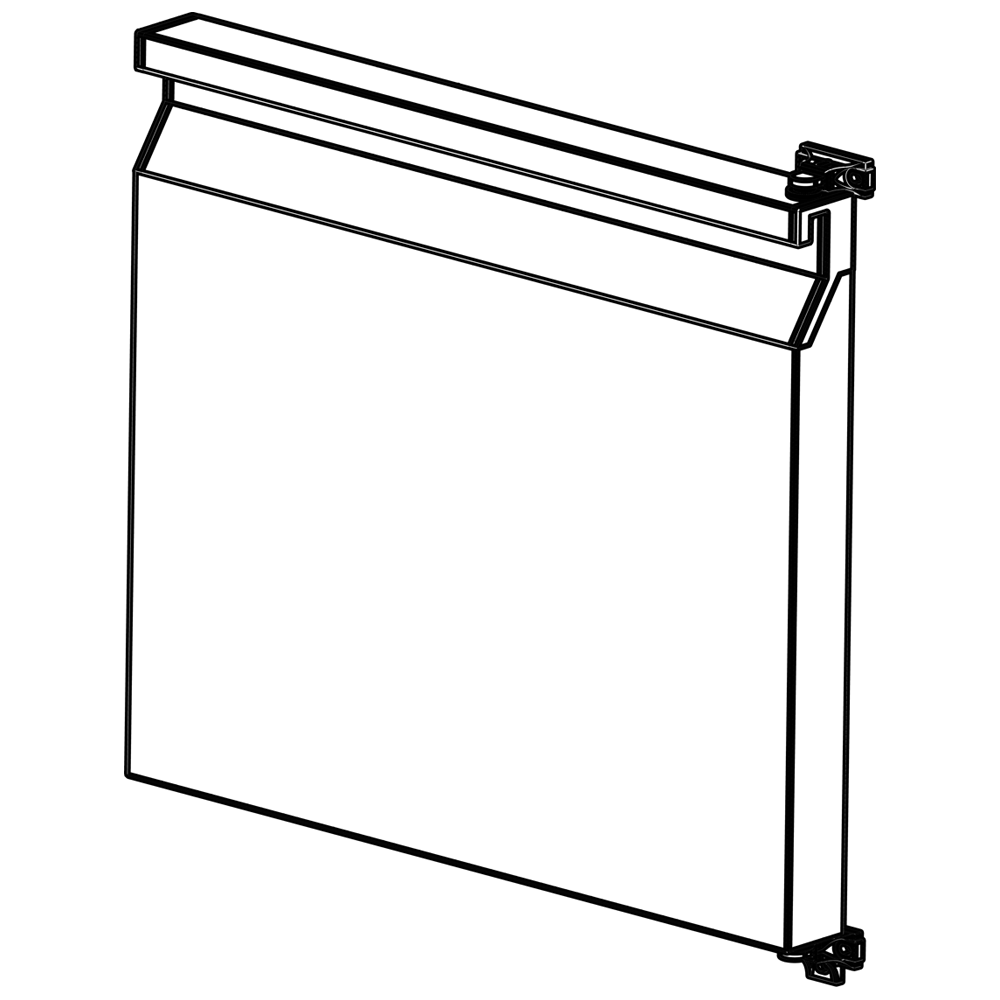
The door type also depends on how the room is used: hinged doors are more practical where staff traffic dominates, while sliding doors suit rooms with wide vehicle traffic and enough wall space beside the opening. Both types can be supplied threshold-free.

Floor Preparation: What to Know Before Installation
The performance of a threshold-free door depends largely on the floor. The bottom seal can only seal when it presses against a flat surface; dips, level differences or joints along the door opening leave points where the seal does not touch the floor.
Before installation, the floor along the door line must therefore be level and smooth, with the cold room floor and the outside floor finished at the same height. In new buildings, running the cold room floor insulation continuously up to the door opening prevents a thermal bridge at the door line.
If a cold room is being added to an existing building, the floor condition should be checked during the site survey. Levelling the door line where necessary prevents sealing and icing problems from the outset.
Maintenance and Long Service Life of Threshold-Free Doors
The part that wears most on a threshold-free door is the bottom seal, as it is closest to the floor and most exposed to vehicle traffic. Replacing it promptly once tears, hardening or permanent compression appear keeps energy losses from growing.
Periodic checks should cover whether the leaf seats properly against the frame, whether the automatic floor seal drops fully, and how the closing mechanism is adjusted. A simple test is to look for light leaking along the bottom edge while the door is closed.
For cleaning, use products recommended by the manufacturer that do not damage the gaskets or the leaf surface. For a solution matched to your door type, seal system and floor conditions, you can get technical advice from the Imamoğlu team.