




Thermal Break Profiles
Table of Contents
- What Is a Thermal Bridge?
- How Thermal Bridging Affects a Cold Room
- Structure of a Thermal Break Profile
- Material Selection and Insulation Value
- Thermal Breaks in Door and Frame Design
- Installation and Joint Details
- Performance and Test Evaluation
- Common Mistakes
- Conclusion
What Is a Thermal Bridge?
A thermal bridge is a point in a structure where heat passes easily between the inner and outer surfaces, because the insulation is weakened there. These points are usually sections made of materials with high thermal conductivity, such as metal profiles. Heat bypasses the insulating layer through these conductive paths and reduces the overall insulation performance of the structure.
Thermal bridging is especially important in cold room doors and frames. Areas such as the perimeter of the door frame, the edges of the door leaf and the hinge zones can form a direct heat bridge between the outside and the inside. These bridges lead to problems such as surface condensation, frost and energy loss.
The concept of thermal bridging is not limited to doors. Similar problems appear in many building elements, such as wall junctions, roof edges and window frames. In cold room doors, however, the effect is more pronounced because of the size of the temperature difference.
Thermal break profiles slow the flow of heat by placing a low-conductivity material between conductive sections. This design approach raises the temperature of the inner surface and reduces the risk of condensation.
How Thermal Bridging Affects a Cold Room
Thermal bridging creates two main problems in a cold room. The first is energy loss. Heat passing through a thermal bridge forces the cooling system to work harder and increases electricity consumption. This loss can become a significant cost, especially in large doors and in designs with many thermal bridges.
The second is a drop in surface temperature. The inner surface of the door frame or leaf becomes colder than expected because of the bridge. Moisture from the outside air can condense on this cold surface and form water or ice. This causes hygiene problems as well as frost that prevents the door from working.
Condensation and frost also cause material deterioration over time. Mould and mildew can grow on surfaces that stay damp. Freeze-thaw cycles can crack joints. Keeping thermal bridging under control is therefore important for extending the life of the structure.
The effect of thermal bridging also varies with how often the room is used. On doors that open frequently, the influence of outside air is more pronounced and the condensation risk rises. Profile selection should therefore take the intensity of use into account.
Structure of a Thermal Break Profile
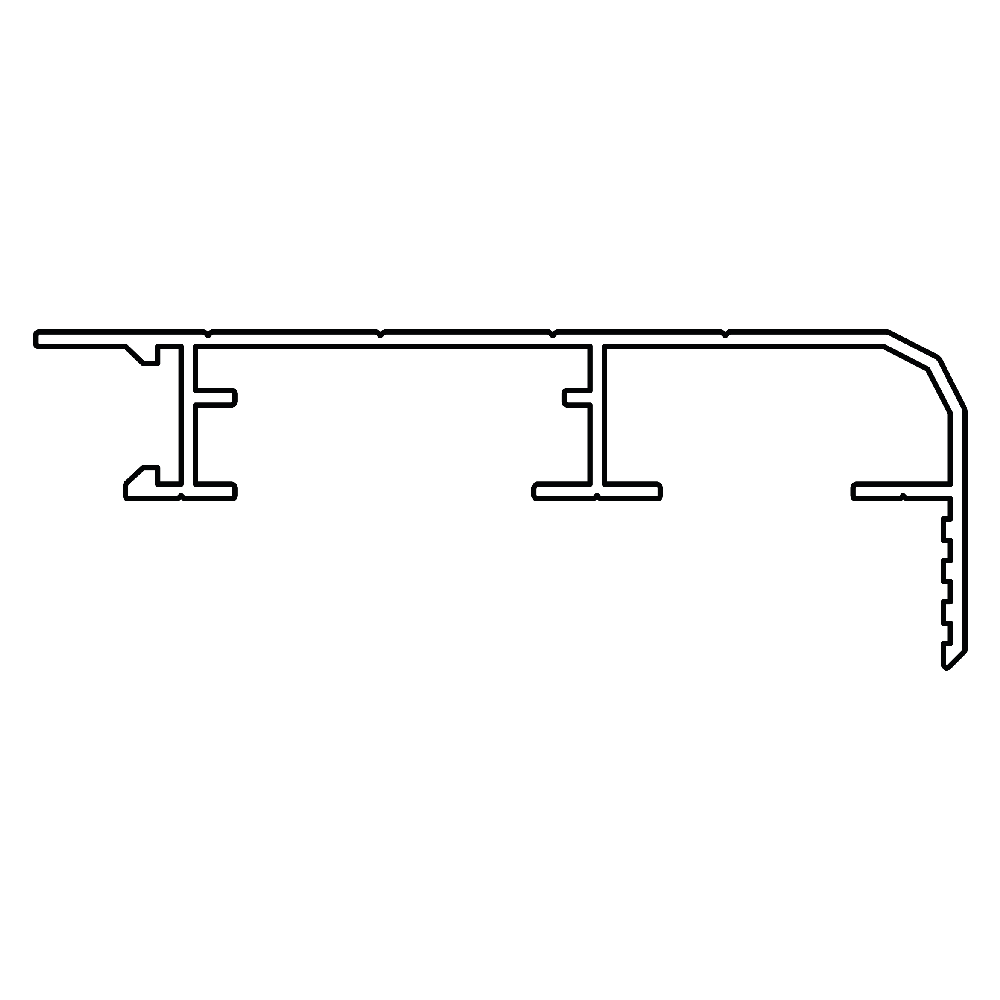
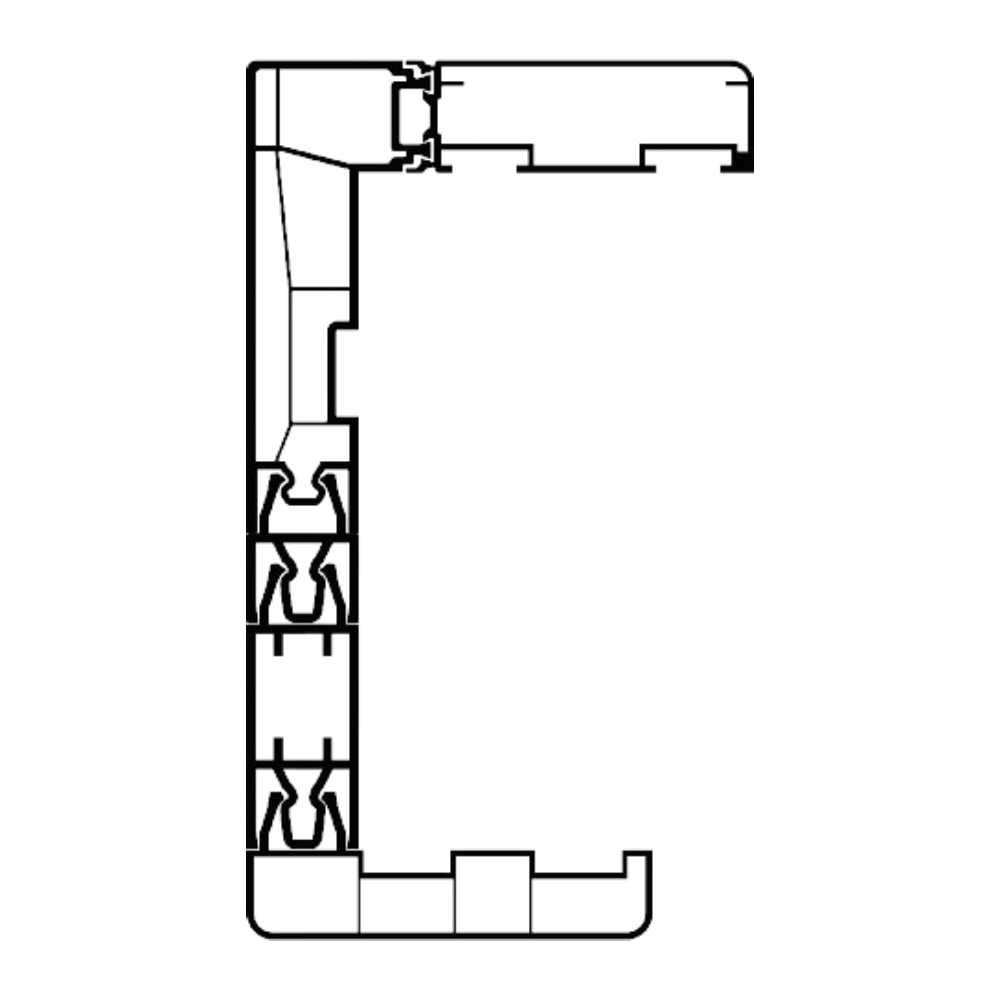
Thermal break profiles usually consist of a low-conductivity intermediate material placed between two metal sections. This intermediate material thermally separates the inner and outer metal surfaces. Heat is then forced to pass through the insulating material rather than travelling directly across the metal bridge.
The geometry of the profile also matters. The thickness of the intermediate material, the design of the cavities and the joint details determine how much heat flow is reduced. A well-designed profile lengthens and narrows the heat path to form an effective barrier. A simple design may give only a superficial improvement.
Mechanical strength must not be overlooked. Even if the intermediate material insulates well, it must carry the weight of the door and the forces of opening and closing. The profile should therefore be designed to meet both thermal and mechanical requirements.
Manufacturing quality also affects performance. Firm bonding of the intermediate material to the metal surface and correct filling of the cavities are the basis of long-term performance. Profiles produced without quality control may separate or develop voids.
Material Selection and Insulation Value
Material selection directly determines the performance of a thermal break profile. Polymer and composite materials used as intermediate layers behave differently across temperature ranges. They must keep their flexibility and bonding properties in cold conditions.
The thermal conductivity of the material is the main measure of the profile's overall insulation performance. Technical data supplied by the manufacturer should be checked to confirm the value was obtained with a correct measurement method. A low figure alone is not enough; the measurement conditions must also be checked.
Moisture resistance is another important selection criterion. Moisture is always present in a cold room environment, and the material must not absorb it and lose its properties. An absorbent material can gradually reduce the insulation value.
Fire behaviour and compatibility with a food environment should also be considered. Compliance of the materials used with the relevant standards is required for both safety and regulation.
Thermal Breaks in Door and Frame Design
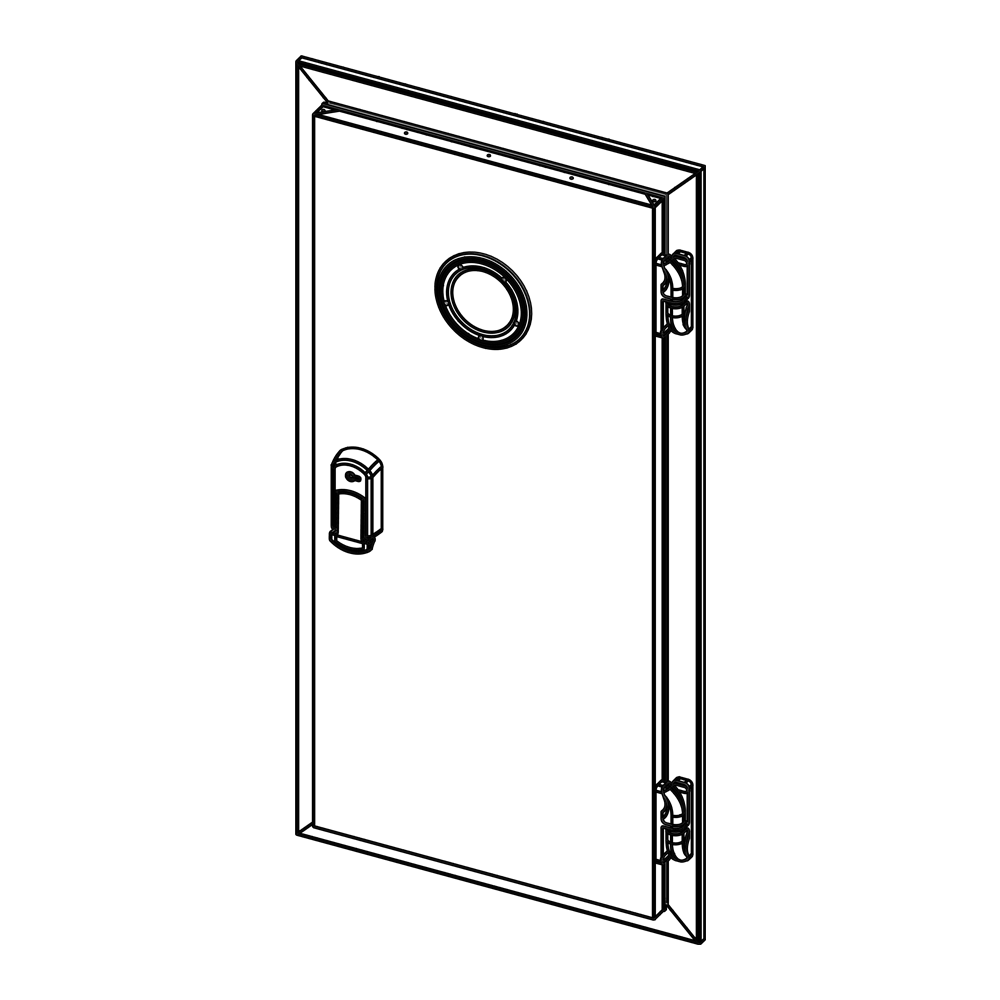
The door frame is a direct transition point between the external wall and the internal environment. Thermal break profiles placed around the frame reduce heat flow at this transition. In frame design, metal connection points that could form a heat bridge should be kept to a minimum.
In door leaf design, the edges and internal structure matter. The connection between the insulation inside the leaf and the metal surfaces is a zone at risk of thermal bridging. Using the right profile in this zone significantly reduces heat loss from the leaf edges.
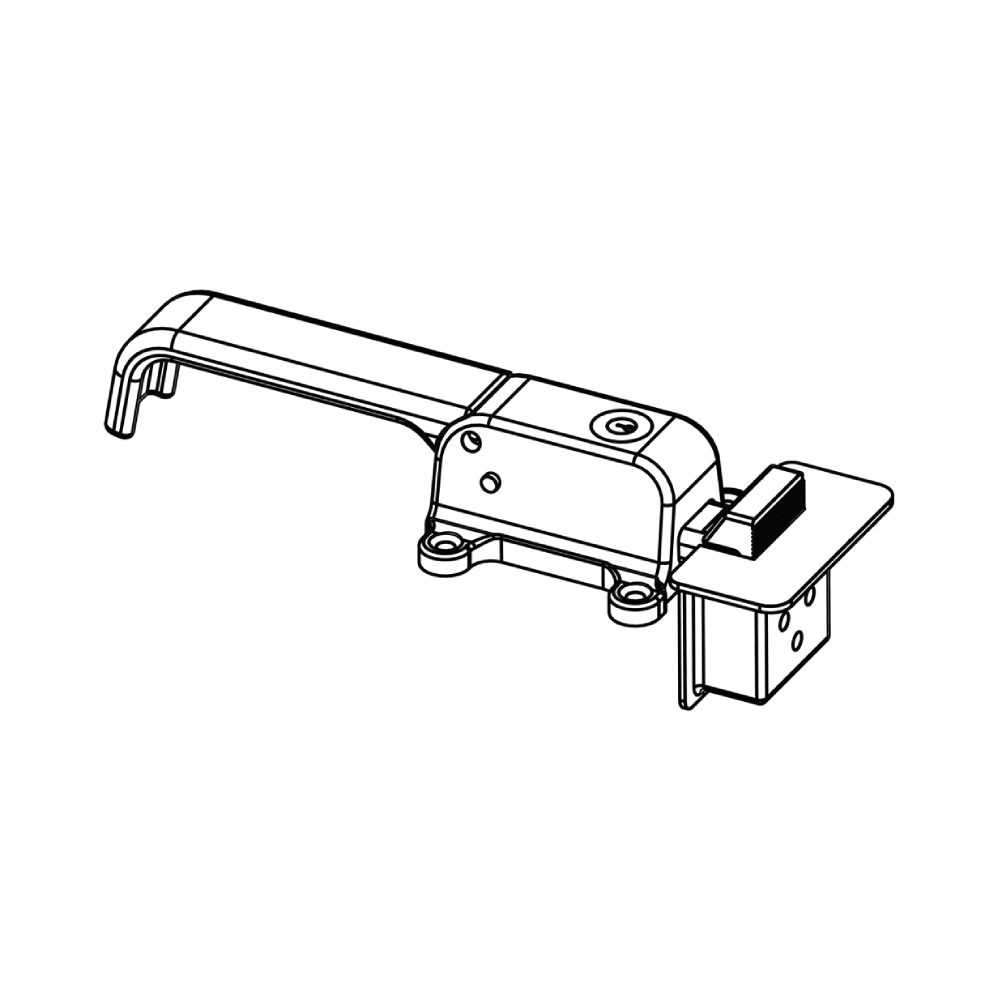
Hinge and lock zones also need attention. Fixings used at these points often create a metal bridge. Fasteners must be selected and positioned so that they do not compromise the thermal insulation.
The sealing gasket between door and frame is also part of the thermal integrity. The gasket prevents both air leakage and heat leakage. Considering the profile and gasket together gives a more consistent result.
Installation and Joint Details
The performance of a thermal break profile depends on the quality of installation. Correct positioning of the profile and continuity at joints ensure that the theoretical performance is actually achieved. Even a small installation error can create a thermal bridge.
Joints need particularly careful treatment. Connections between profiles, corners and the junction of the door frame with the wall are where heat flow is easiest. These points must be detailed to keep the insulation continuous.
Screws and fixings used in installation can also create thermal bridges. A metal screw that pierces the insulation layer creates a local weakness at that point. The number and type of fasteners should therefore be considered as part of the design.
Checking after installation is also important. Joints should be inspected for gaps, separation or damage. Infrared thermal camera surveys make thermal bridges visible and help detect installation faults.
Performance and Test Evaluation
The performance of a thermal break profile should not be judged from the technical data sheet alone. How it behaves under real operating conditions should be supported by test results. Standard tests and independent laboratory reports provide a reliable basis for comparing performance.
Surface temperature measurement is a simple method that directly shows the effect of a thermal bridge. Temperature differences on the inner surfaces of the door frame and leaf reveal the presence and size of thermal bridges. These measurements can also be used to compare different profile options.
Condensation testing is also important. Whether condensation forms on the surface under cold room conditions shows how effective the profile is. If condensation is seen, the insulation design should be reviewed.
Long-term durability should also be tested. Whether the profile keeps its properties under temperature cycles, moisture exposure and mechanical loading determines the actual service life of the product.
Common Mistakes
The most frequent mistake is choosing on the basis of profile price alone. A cheap profile with low material quality and weak manufacturing control may not deliver the expected performance. In such cases energy loss and condensation problems appear quickly.
Another mistake is neglecting joint details during installation. Even with the right profile, an error at a joint creates a thermal bridge and reduces performance.
Overlooking that metal fasteners create thermal bridges is also a common error. Installation that ignores the number and type of screws can undo the work done to prevent thermal bridging.
Finally, not inspecting after installation lets faults go unnoticed. Even a simple surface temperature measurement can reveal many problems early.
Conclusion
Thermal break profiles are an effective solution for reducing energy loss on cold room doors and frames, lowering the risk of condensation and frost, and extending the life of the structure. These benefits are fully achieved when correct material selection, well-designed geometry, quality manufacturing and careful installation are considered together.
When choosing, it is necessary to look beyond the initial cost to the thermal and mechanical performance of the profile, its moisture resistance and its long-term durability. Test data and installation quality are the most important evidence supporting that decision.
İmamoğlu Soğutma and Yedek Parça Ekipmanları offers solutions for thermal break profile selection and technical support for cold room door and frame systems. You can share the dimensions of your project and its operating conditions to request a suitable recommendation and a quotation.