









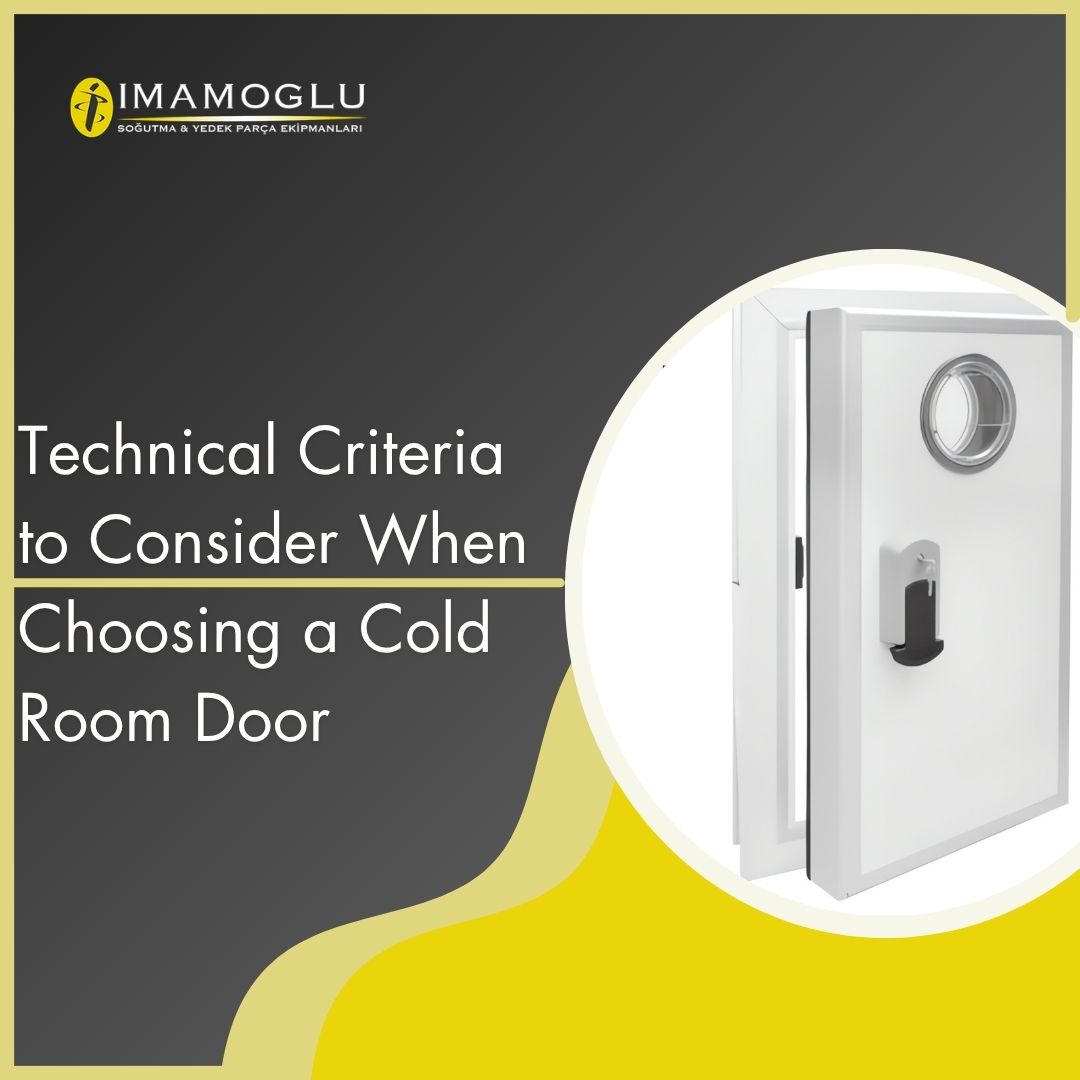
Technical Criteria to Consider When Selecting a Cold Room Door
Table of Contents
- What Technical Specs Matter Most for Cold Room Doors
- How to Choose the Right Cold Room Door Insulation
- What Door Material Works Best for Industrial Cold Rooms
- How to Ensure Cold Room Door Energy Efficiency
- What Safety Features Do Cold Room Doors Need
- How to Select Cold Room Doors for Heavy Traffic
- What Door Size Fits Your Cold Storage Needs
- How to Maintain Cold Room Door Seals Properly
- What Certifications Should Cold Room Doors Have
- How to Install Cold Room Doors Correctly
What Technical Specs Matter Most for Cold Room Doors
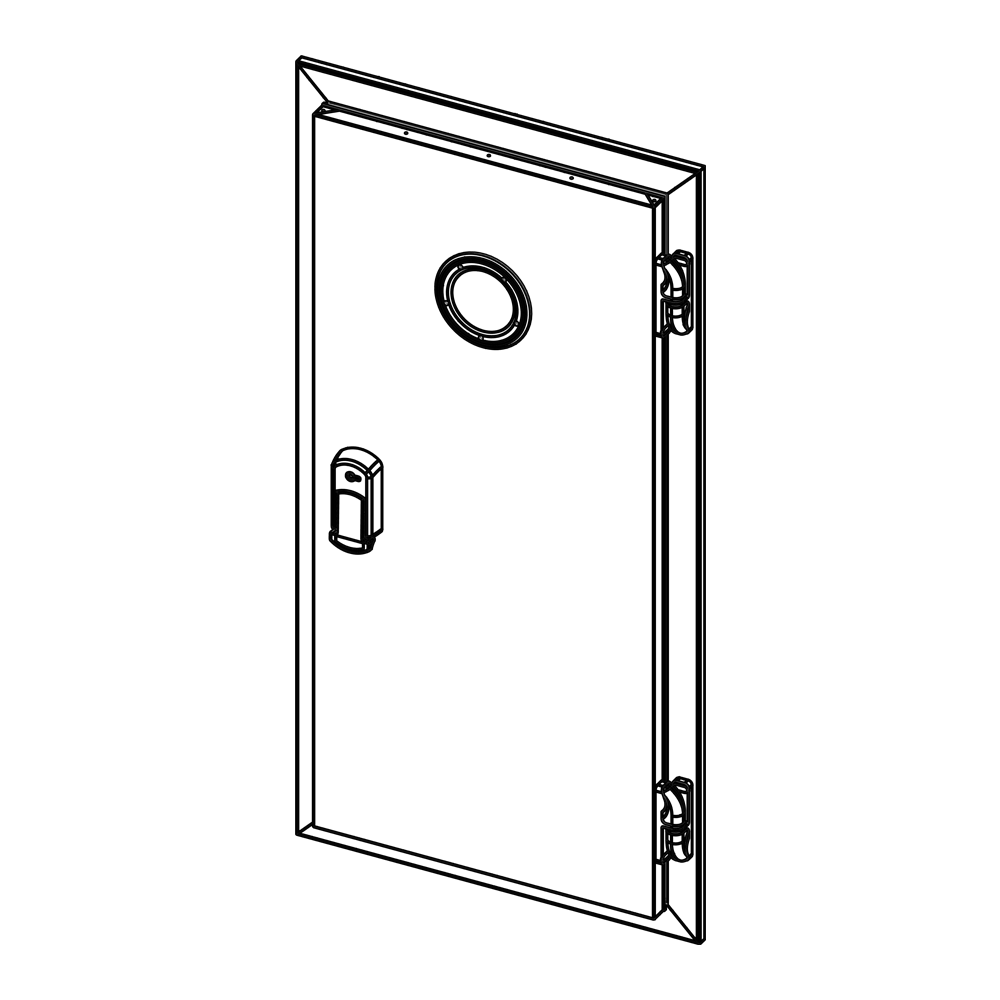
Selecting the right cold room door demands careful evaluation of technical specifications that directly impact operational efficiency and energy consumption. Industrial facilities face significant losses when doors fail to maintain consistent temperatures, leading to product spoilage and increased energy costs. The thermal insulation rating, measured in R-value, forms the foundation of door performance, with higher values ensuring minimal heat transfer and reduced compressor workload.
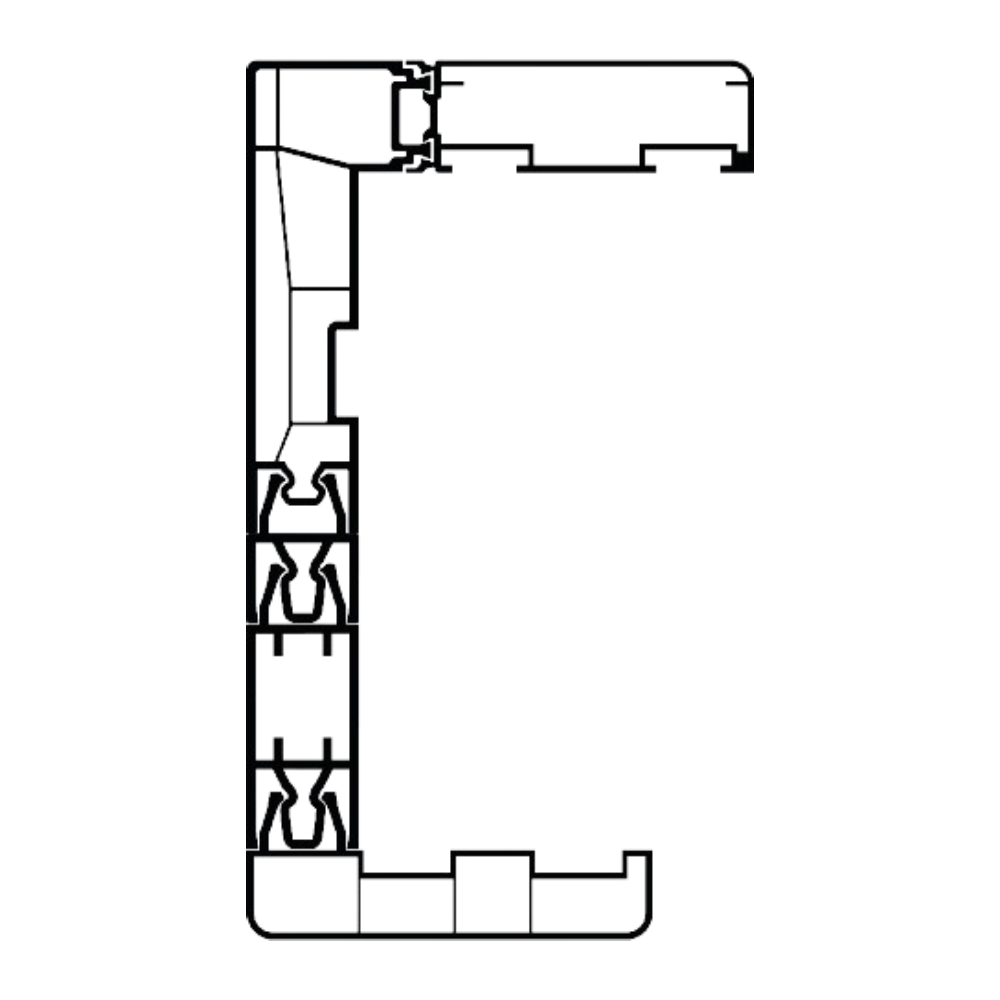
Door construction materials significantly influence durability and maintenance requirements. Aluminum profiles with thermal breaks prevent condensation while offering structural integrity in high-traffic environments. The door seal system must create an airtight closure, with magnetic or inflatable gaskets maintaining consistent temperatures even during frequent access cycles. İmamoglu's R&D-backed designs incorporate these elements to deliver doors that withstand rigorous daily use without compromising performance.
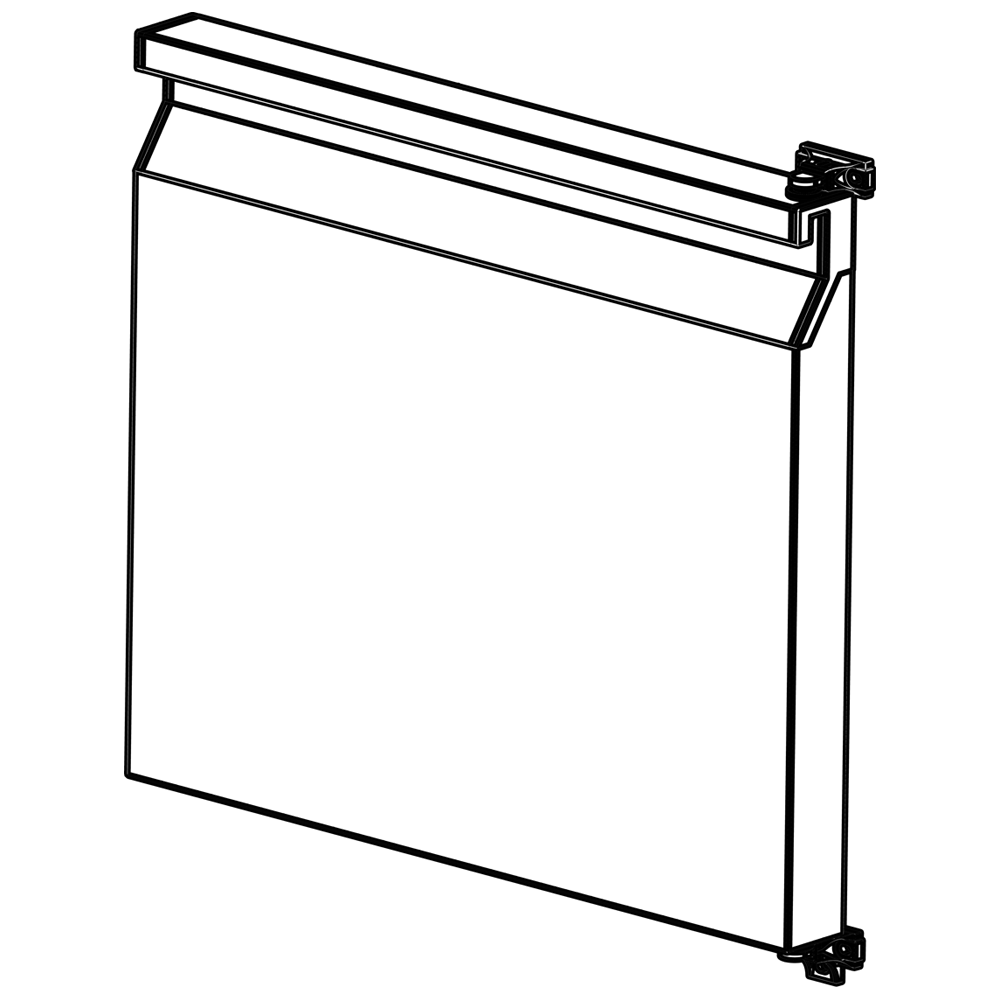
Advanced energy-efficient equipment features like automatic door closers and strip curtains further optimize temperature retention. For facilities requiring frequent access, rapid-roll doors with high-speed operation minimize cold air loss while maintaining workflow efficiency. The integration of frigorific group products ensures seamless compatibility with existing cooling systems, reducing installation complexity and future maintenance challenges.
Safety and compliance cannot be overlooked in industrial settings. Doors must incorporate safety mechanisms such as emergency release systems and transparent panels for visibility. İmamoglu's commitment to quality control ensures every door meets international standards, providing peace of mind for facilities handling temperature-sensitive inventory. These technical specifications translate directly into measurable benefits: reduced energy consumption, extended equipment lifespan, and uninterrupted cold chain integrity.
Forward-thinking facilities prioritize doors with smart monitoring capabilities, allowing real-time tracking of temperature fluctuations and access patterns. This data-driven approach enables predictive maintenance, preventing unexpected failures before they disrupt operations. By selecting doors that combine robust construction with intelligent features, businesses can achieve optimal performance while minimizing total cost of ownership. Explore our range of high-performance cold room solutions designed to meet the most demanding industrial requirements.
How to Choose the Right Cold Room Door Insulation
Selecting optimal cold room door insulation directly impacts energy consumption and operational costs in industrial facilities. Inadequate insulation leads to excessive thermal transfer, forcing refrigeration systems to work harder and increasing energy bills by up to 30 percent. The right insulation maintains consistent temperatures while reducing mechanical strain on cooling systems, extending equipment lifespan and minimizing maintenance requirements.
Core insulation performance hinges on material composition and thickness. High-density polyurethane foam provides superior thermal efficiency with minimal thickness, while fiberglass alternatives offer cost-effective solutions for moderate-temperature applications. İmamoglu's R&D-supported production ensures precise foam density and uniform cell structure, eliminating cold bridges that compromise insulation integrity. The aluminum profiles surrounding the insulation must incorporate thermal breaks to prevent condensation and frost formation.
Industrial environments demand insulation that withstands frequent door operation and cleaning protocols. Closed-cell structures resist moisture absorption, preventing mold growth and maintaining hygienic conditions in food processing facilities. For facilities with high-traffic patterns, impact-resistant facings protect the insulation core from damage during loading operations. The integration of energy-efficient equipment like automatic door closers further enhances insulation performance by minimizing air exchange duration.
Advanced insulation solutions now incorporate smart monitoring capabilities, allowing facilities to track thermal performance in real-time. These systems alert operators to potential insulation failures before they impact operations, supporting predictive maintenance strategies. İmamoglu's commitment to quality control ensures every door meets stringent thermal performance standards, with third-party testing validating insulation values. This attention to detail translates into measurable energy savings and reduced carbon footprint for environmentally conscious operations.
Choosing the right insulation requires balancing initial investment against long-term operational savings. Facilities can achieve up to 40 percent reduction in energy costs by selecting doors with optimal insulation properties matched to their specific temperature requirements. Request a consultation to evaluate your facility's needs and discover how advanced insulation solutions can enhance your operation's efficiency and reliability.
What Door Material Works Best for Industrial Cold Rooms
Selecting the optimal door material for industrial cold rooms directly influences operational efficiency and maintenance costs. The right material must withstand extreme temperature fluctuations, frequent cleaning cycles, and physical impacts while maintaining superior thermal insulation properties. Facilities that prioritize material quality experience fewer breakdowns and lower energy consumption, directly impacting their bottom line.
Stainless steel remains the gold standard for industrial cold room applications, offering exceptional durability and corrosion resistance. Its non-porous surface supports hygienic conditions in food processing environments, while its structural integrity ensures long-term reliability. İmamoglu's precision-engineered doors incorporate 304-grade stainless steel with reinforced aluminum profiles for enhanced rigidity and thermal break efficiency.
For facilities requiring lighter alternatives, fiberglass-reinforced polyester provides excellent insulation properties with reduced weight. This material resists chemical corrosion and maintains dimensional stability across temperature extremes, making it ideal for pharmaceutical storage applications. The integration of frigorific group products ensures seamless compatibility with existing cooling infrastructure, minimizing installation complexity and future maintenance requirements.
Advanced composite materials now offer superior performance characteristics, combining multiple layers for optimal thermal and structural properties. These high-performance equipment solutions feature closed-cell foam cores encapsulated between durable facings, creating an impenetrable barrier against heat transfer. İmamoglu's commitment to R&D-supported production ensures continuous improvement in material science, resulting in doors that exceed industry standards for energy efficiency and longevity.
The selection of appropriate door materials directly impacts operational costs, with premium options delivering rapid return on investment through reduced energy consumption and maintenance expenses. Facilities can achieve up to 35 percent improvement in thermal efficiency by choosing doors constructed with advanced materials and precision engineering. Contact our technical team to evaluate your specific requirements and discover how the right material selection can optimize your cold room performance.
How to Ensure Cold Room Door Energy Efficiency
Maximizing cold room door energy efficiency requires a systematic approach to design, installation, and maintenance. Poorly performing doors can account for up to 30 percent of a facility's cooling energy loss, making door efficiency a critical factor in operational costs. Implementing energy-efficient equipment with advanced sealing systems and insulation properties directly reduces compressor workload and energy consumption.
The foundation of door efficiency lies in superior thermal insulation materials and construction techniques. High-density polyurethane foam cores with minimal thermal bridging prevent heat transfer, while aluminum profiles featuring thermal breaks eliminate cold spots and condensation. İmamoglu's R&D-supported production ensures precise engineering of these components, creating doors that maintain consistent temperatures with minimal energy input.
Advanced sealing systems play a crucial role in preventing air infiltration, with magnetic gaskets and inflatable seals providing superior closure compared to traditional rubber gaskets. Automatic door closers and high-speed operation mechanisms minimize the duration of door openings, significantly reducing cold air loss in high-traffic areas. The integration of frigorific group products ensures optimal compatibility with existing refrigeration systems, enhancing overall energy performance.
Smart monitoring technologies now enable real-time tracking of door performance, identifying inefficiencies before they impact energy consumption. These systems provide data on door opening frequency, duration, and temperature fluctuations, enabling predictive maintenance and operational optimization. İmamoglu's commitment to quality control ensures every door meets stringent energy efficiency standards, with third-party testing validating performance claims.
Facilities implementing comprehensive energy efficiency measures can achieve up to 40 percent reduction in cooling costs while extending equipment lifespan. The combination of advanced materials, precision engineering, and smart technology creates a robust solution for sustainable cold storage operations. Request an energy audit to identify optimization opportunities and discover how modern door solutions can transform your facility's efficiency and profitability.
What Safety Features Do Cold Room Doors Need
Industrial cold room doors must incorporate comprehensive safety features to protect personnel and maintain operational continuity. The absence of proper safety mechanisms can lead to accidents, product loss, and regulatory non-compliance, making door safety a critical consideration in facility design. Modern safety systems integrate multiple layers of protection while maintaining energy efficiency and operational reliability.
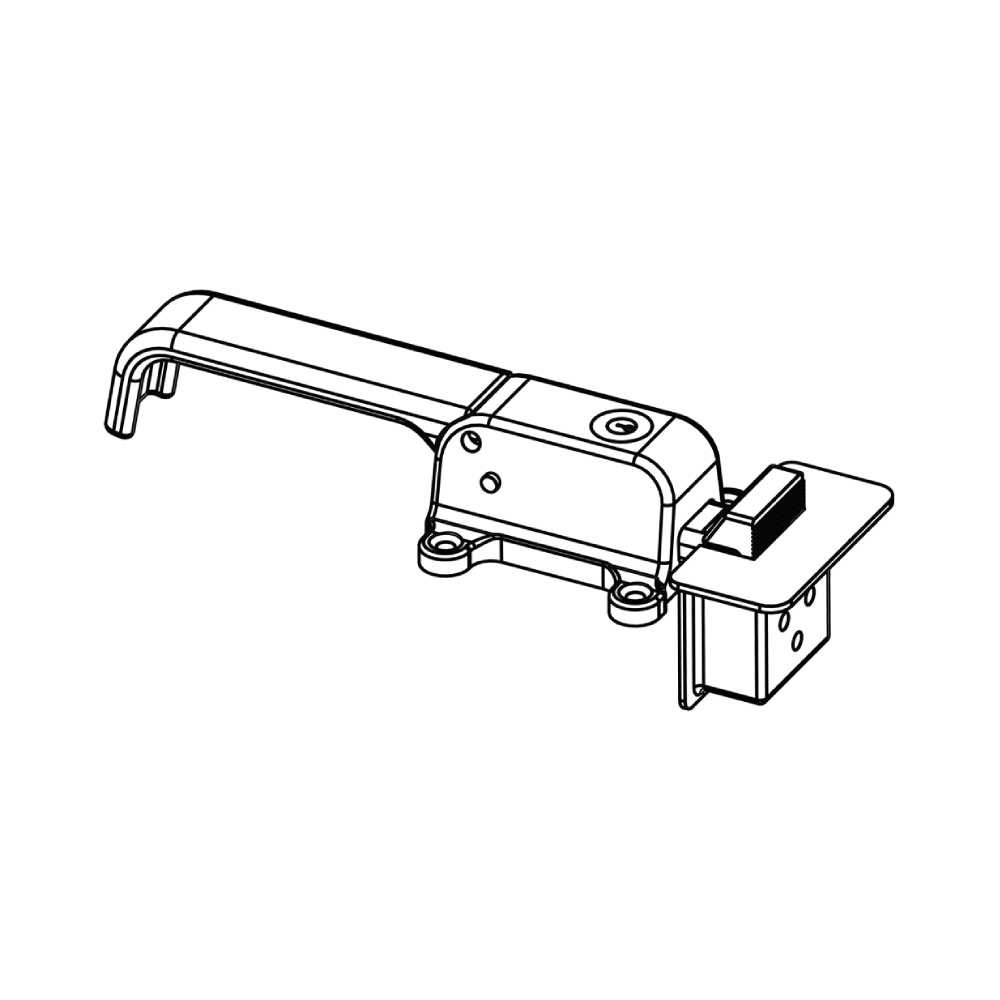
Emergency release mechanisms form the foundation of cold room door safety, allowing trapped personnel to exit from either side without special tools. These systems must function reliably even in power outages or extreme temperatures, with durable components that withstand frequent use. İmamoglu's doors incorporate fail-safe magnetic releases and mechanical override systems that meet international safety standards, ensuring compliance and peace of mind for facility managers.
Visibility features prevent collisions and improve workflow efficiency in busy industrial environments. Full-height safety windows with anti-fog properties provide clear sightlines, while LED lighting strips enhance visibility in low-light conditions. The integration of motion sensors and warning signals alerts personnel to door movement, reducing the risk of accidents during operation. These features work in harmony with frigorific group products to maintain temperature integrity while ensuring safe access.
Advanced safety systems now incorporate smart technology for enhanced protection and monitoring. Automatic door reversal mechanisms detect obstructions and prevent entrapment, while integrated alarm systems notify supervisors of potential safety breaches. İmamoglu's commitment to R&D-supported production ensures continuous improvement of safety features, with rigorous testing protocols validating performance under extreme conditions. These innovations contribute to creating safe working environments while maintaining optimal cold chain integrity.
Implementing comprehensive safety features reduces workplace accidents by up to 70 percent while minimizing liability risks and operational disruptions. Facilities that prioritize door safety experience fewer incidents, lower insurance premiums, and improved regulatory compliance. Contact our safety specialists to evaluate your facility's requirements and discover how advanced safety solutions can protect your most valuable assets-your people and products.
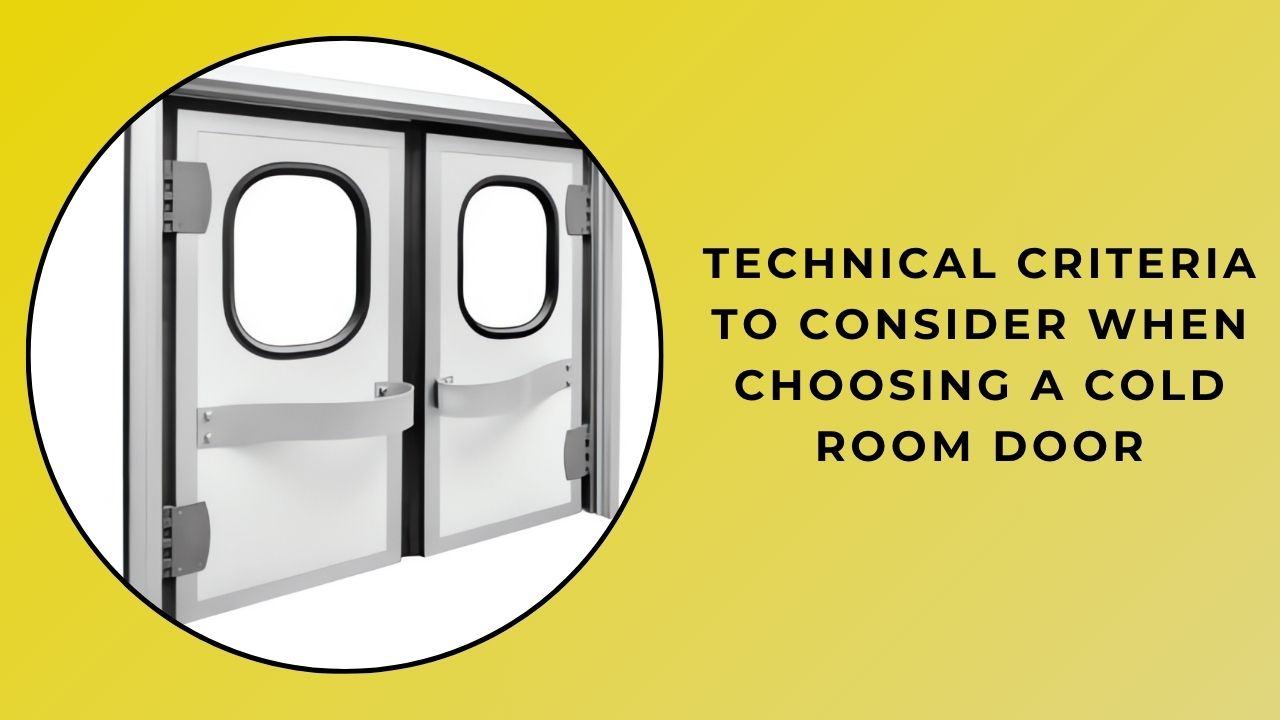
How to Select Cold Room Doors for Heavy Traffic
Selecting cold room doors for heavy traffic environments requires careful consideration of durability, speed, and thermal efficiency. Facilities with frequent door cycles face unique challenges, including increased energy loss, wear and tear, and potential operational bottlenecks. The right door solution must balance rapid access with energy efficiency to maintain temperature integrity while accommodating continuous workflow demands.
High-speed roll-up doors offer optimal performance in high-traffic areas, with cycle times as low as 1.2 seconds minimizing air exchange. These doors feature robust aluminum profiles and impact-resistant curtain materials that withstand frequent operation without compromising thermal performance. İmamoglu's R&D-supported production ensures precise engineering of these components, delivering doors that maintain reliability through millions of cycles while reducing energy consumption by up to 30 percent compared to conventional models.
Advanced sealing systems are crucial for maintaining temperature stability in busy environments. Magnetic or inflatable seals create an airtight closure, while thermal breaks in the frame prevent condensation and ice formation. The integration of frigorific group products ensures seamless compatibility with existing cooling infrastructure, optimizing overall system performance. These features work together to create a robust solution that maintains temperature control even during peak operational hours.
Smart traffic management systems enhance door performance in high-activity areas. Motion sensors, traffic light indicators, and automated opening sequences regulate flow while maintaining safety and efficiency. İmamoglu's commitment to quality control ensures every door meets stringent performance standards, with rigorous testing simulating years of heavy use. These high-performance equipment solutions reduce maintenance requirements and extend service life, even in the most demanding industrial settings.
Facilities implementing purpose-built doors for heavy traffic report up to 45 percent reduction in energy costs and 60 percent fewer maintenance incidents. The combination of speed, durability, and efficiency creates a rapid return on investment while ensuring uninterrupted operations. Contact our technical team to assess your facility's traffic patterns and discover how optimized door solutions can enhance your operational efficiency and bottom line.
What Door Size Fits Your Cold Storage Needs
Determining the optimal door size for cold storage facilities requires careful analysis of operational requirements and spatial constraints. Incorrect sizing leads to energy waste, workflow inefficiencies, and increased equipment strain, directly impacting operational costs. The right dimensions must accommodate material handling equipment while minimizing air exchange to maintain temperature control and energy efficiency.
Standard sizing considerations begin with evaluating the largest equipment that must pass through the doorway, adding appropriate clearance for safe operation. For facilities using pallet jacks or forklifts, doors should provide at least 12 inches of clearance on all sides beyond the equipment dimensions. İmamoglu's custom solutions address unique spatial challenges, with aluminum profiles engineered to maintain structural integrity across various opening sizes while preventing thermal bridging.
Height and width directly influence energy performance, with oversized doors increasing cooling loss and undersized options creating operational bottlenecks. Advanced energy-efficient equipment incorporates rapid-operating mechanisms that minimize door open time, particularly important for larger openings. The integration of frigorific group products ensures proper coordination between door size and refrigeration capacity, maintaining optimal performance across all operational conditions.
Facilities with space constraints benefit from innovative door designs that maximize usable opening area while minimizing structural impact. High-lift and vertical-lift configurations optimize vertical clearance, while sliding or folding options preserve valuable floor space. İmamoglu's R&D-supported production enables precise engineering of these solutions, with computer-aided design ensuring perfect fit and function for each application. These high-performance equipment options maintain thermal efficiency regardless of size or configuration.
Properly sized doors can reduce energy consumption by up to 35 percent while improving workflow efficiency and reducing equipment wear. Facilities that invest in correctly dimensioned solutions report faster material handling and fewer temperature excursions, protecting product integrity. Request a site assessment to determine the ideal door size for your specific requirements and discover how optimized dimensions can enhance your cold storage operations.
How to Maintain Cold Room Door Seals Properly
Proper maintenance of cold room door seals is essential for maintaining energy efficiency and preventing costly temperature fluctuations. Damaged or worn seals can increase energy consumption by up to 30 percent while compromising product integrity in temperature-sensitive environments. Regular inspection and maintenance protocols ensure optimal performance of energy-efficient equipment while extending the lifespan of door components.
Weekly visual inspections should check for visible damage, compression loss, or ice formation around the seal system. The dollar bill test remains an effective method for assessing seal integrity-a bill should resist removal when closed in the door. İmamoglu's high-performance equipment features durable magnetic or inflatable seals designed for easy inspection and replacement, minimizing downtime during maintenance procedures.
Cleaning protocols play a crucial role in seal longevity, with food-grade silicone-based cleaners recommended for removing debris without degrading the material. Harsh chemicals or abrasive tools should never be used, as they can compromise the thermal insulation properties and flexibility of the seals. Regular lubrication of moving parts, including hinges and automatic door mechanisms, prevents excessive strain on the seal system and ensures proper alignment.
Advanced monitoring systems now provide real-time data on seal performance, alerting maintenance teams to potential issues before they impact operations. These smart solutions integrate with frigorific group products to optimize overall system efficiency. İmamoglu's commitment to quality control ensures replacement seals maintain the same high standards as original components, with precise dimensions and material composition for perfect fit and function.
Proactive seal maintenance can reduce energy costs by up to 25 percent while preventing unexpected failures that disrupt cold chain operations. Facilities implementing regular maintenance schedules report significantly fewer temperature excursions and extended equipment lifespan. Contact our technical support team for a comprehensive seal assessment and discover how proper maintenance can optimize your cold room's performance and reliability.
What Certifications Should Cold Room Doors Have
Selecting cold room doors with proper certifications ensures compliance with international standards and guarantees performance reliability. Uncertified products may compromise food safety, energy efficiency, and workplace safety, leading to regulatory penalties and operational risks. Third-party validation provides assurance that doors meet stringent requirements for thermal insulation and structural integrity.
The CE marking represents the minimum requirement for European markets, indicating conformity with health, safety, and environmental protection standards. For food safety applications, NSF/ANSI 7 certification verifies that materials and construction meet hygienic requirements for food processing environments. İmamoglu's quality control processes ensure all products exceed these baseline certifications, with regular audits maintaining compliance across production lines.
Energy performance certifications like Eurovent Certified Performance provide quantifiable data on thermal efficiency and air leakage rates. These metrics directly impact operational costs, with certified energy-efficient equipment reducing energy consumption by up to 40 percent compared to non-certified alternatives. The integration of certified frigorific group products ensures system-wide optimization, maximizing the benefits of individual component certifications.
International standards such as ISO 9001 for quality management and ISO 14001 for environmental management demonstrate a manufacturer's commitment to continuous improvement and sustainability. İmamoglu's R&D-supported production facilities maintain these certifications, with regular third-party verification ensuring ongoing compliance. Additional certifications for specific applications, such as fire resistance ratings or cleanroom compatibility, provide specialized assurance for unique operational requirements.
Facilities using certified cold room doors experience fewer compliance issues and reduced liability risks while achieving significant energy savings. The investment in properly certified equipment typically pays for itself within 18-24 months through reduced utility costs and maintenance expenses. Request certification documentation for your specific application requirements and discover how verified performance standards can enhance your facility's efficiency and reliability.
How to Install Cold Room Doors Correctly
Proper cold room door installation is critical for achieving optimal performance and energy efficiency in industrial refrigeration systems. Incorrect installation can lead to air leaks, temperature fluctuations, and premature equipment failure, significantly increasing operational costs. Following precise installation protocols ensures that thermal insulation properties are maintained and door mechanisms function as designed.
The installation process begins with careful preparation of the door opening, ensuring it is square, level, and properly reinforced to support the door's weight. Aluminum profiles must be securely anchored using appropriate fasteners, with thermal breaks properly positioned to prevent cold bridging. İmamoglu's R&D-supported production includes detailed installation guides and precision-engineered components that simplify the assembly process while ensuring perfect alignment and seal integrity.
Sealing the perimeter with appropriate vapor barriers and insulation materials prevents condensation and maintains the energy efficiency of the entire cold room system. The integration of frigorific group products requires careful coordination between door installation and refrigeration system setup, ensuring optimal performance across all components. Properly installed doors should operate smoothly without binding or excessive resistance, with all safety features functioning as intended.
Advanced installation techniques now incorporate laser leveling and digital measurement tools to achieve precise alignment, particularly important for large or automated door systems. These methods ensure that high-performance equipment operates at peak efficiency, with minimal air leakage and maximum durability. İmamoglu's commitment to quality control extends to installation support, with technical documentation and expert guidance available for complex projects.
Correctly installed cold room doors can reduce energy consumption by up to 35 percent while extending equipment lifespan and minimizing maintenance requirements. Facilities that invest in professional installation report fewer operational issues and more consistent temperature control. Contact our installation specialists to ensure your cold room doors are installed to the highest standards, maximizing performance and return on investment from day one.