



How to Choose the Right Lock Set
Table of Contents
- The Role of a Cold Room Lock Set
- Safety Requirements and the Interior Release
- Materials and Resistance in Cold Conditions
- Lever and Handle Design
- Locking Mechanism and Key System
- Use with Gloves and Ergonomics
- Mounting Position and Door Fit
- Maintenance, Testing and Spare Parts
- Conclusion
The Role of a Cold Room Lock Set
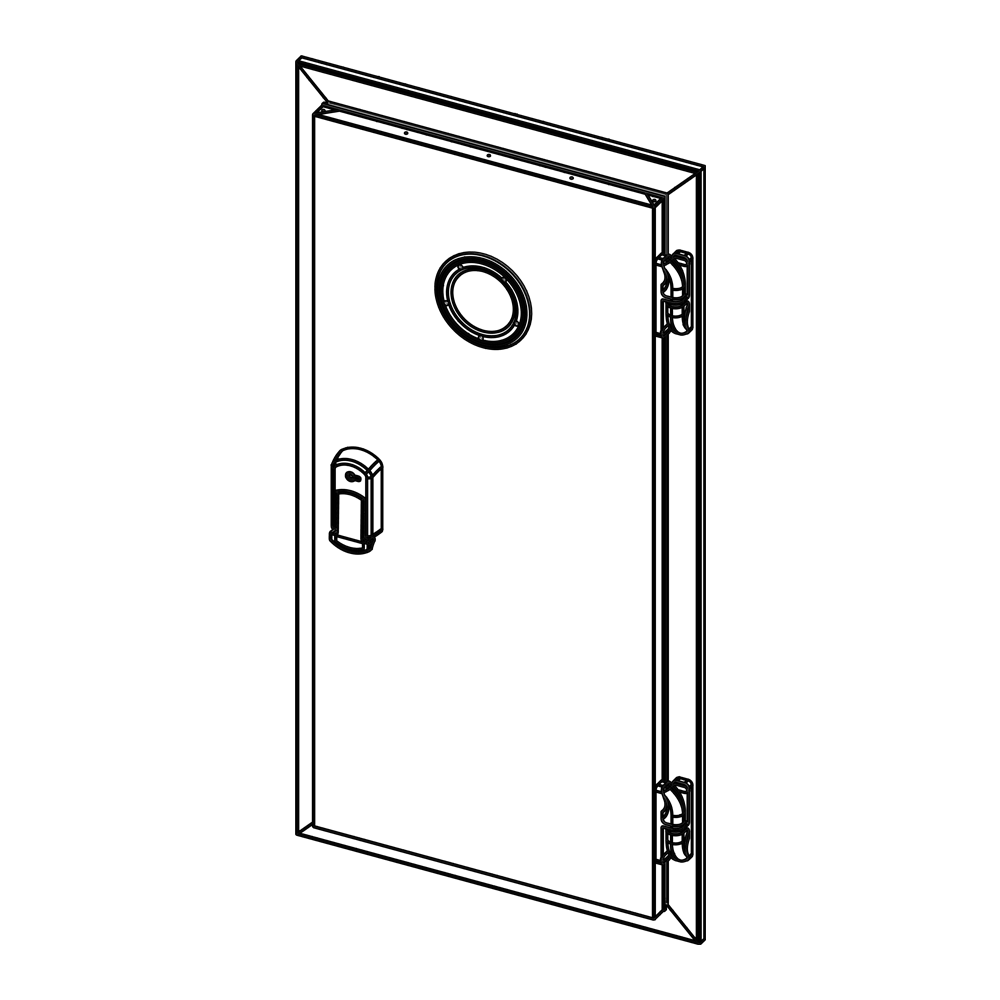
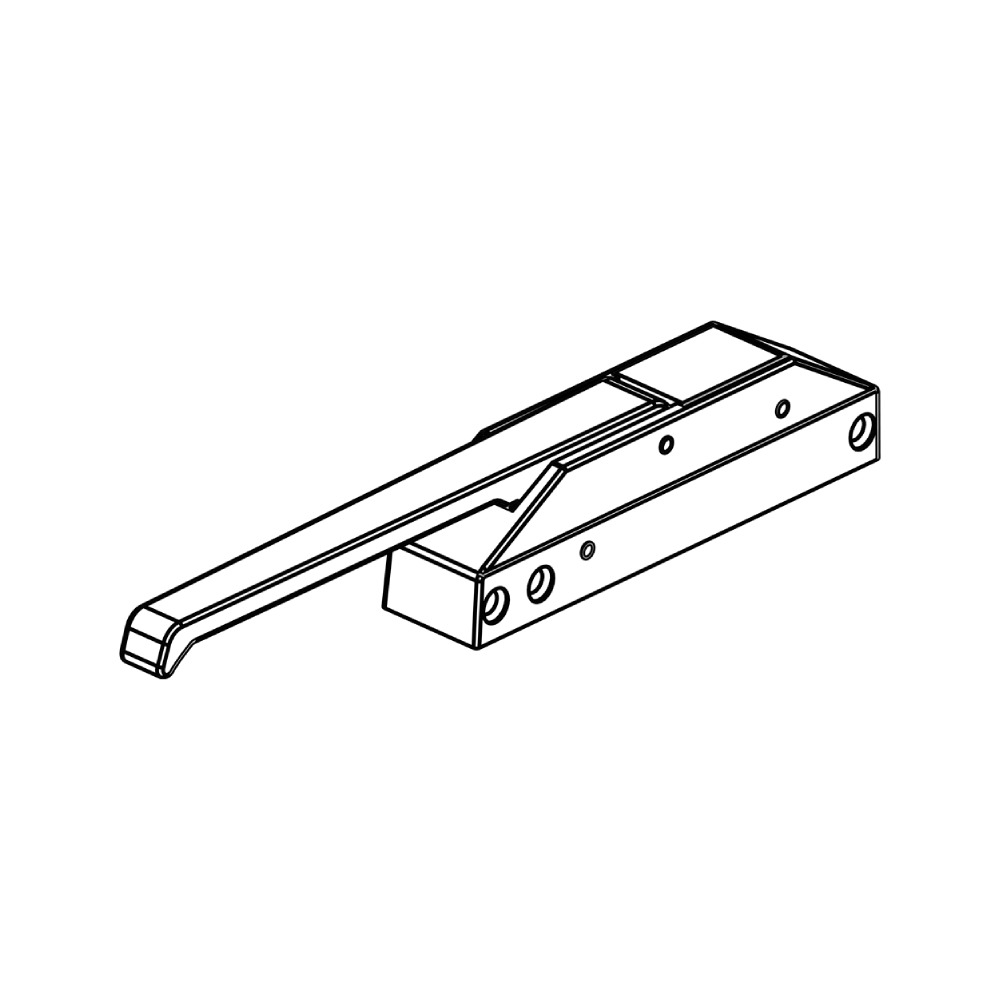
A cold room lock set is the complete group of hardware that holds the door securely against the frame, prevents it from being opened without permission and allows it to be opened safely when needed. Its parts include the lever, the mechanism, the lock body, the interior release arrangement and, in some cases, a key system. The lock set plays a key role both in protecting the products stored inside and in safeguarding the people who work there. For this reason it should be selected on the basis of function and safety criteria, not on appearance or price alone.
The lock set is one of the most frequently used fittings on a cold room door. It is opened and closed many times a day, is sometimes operated with gloved hands and works in a cold, often damp environment. These conditions require hardware that is robust, simple to use and long-lasting. An inadequate lock set can disrupt daily operations and can also create serious safety risks.
Another role of the lock set is to contribute to the sealing of the door. The operation of the lever and the locking point determines how firmly the door presses onto the frame. If the locking point does not work properly, the door does not close fully and the gasket loses its effect. The lock set is therefore part of the overall performance of the door.
The choice of lock set should also match the security policy of the facility. Questions about who may enter the room, how the door is locked and how it can be opened in an emergency determine the features the chosen hardware must have. Technical specifications should be evaluated only after these questions have been answered.
The lock set is one of the parts of a cold room door that is used many times a day and wears the most. By ensuring the door closes tightly, it helps the gaskets seat fully and prevents loss of cold air. Choosing the lock set is therefore important not only for safety but also for energy efficiency.
Safety Requirements and the Interior Release
The ability of a person who has been locked inside a cold room to get out unaided is the highest priority in choosing a lock set. The inside of the door must have an emergency release that works even when the door is locked from outside. This may be a simple lever or a mechanism linked to the lock. What matters is that the mechanism is uncomplicated and can be used easily even in a moment of panic.
The reliability of the interior release should be tested periodically. The test should confirm that the inside lever or arrangement works correctly while the door is locked. If wear, jamming or looseness is seen in the mechanism, action should be taken immediately. Safety hardware that fails at the critical moment has no value.
Local safety regulations and internal company procedures may also set requirements. These can include interior lighting, audible or visual alarm systems, or mechanisms that prevent the door from being left open under certain conditions. These requirements should be taken into account in the selection.
Teaching staff how to use the emergency release is an inseparable part of safety. A person who is trapped inside should be able to make the right movement without panicking. A short training session and clear visual instructions significantly improve the level of safety.
The inside release mechanism must always work from the inside, even when the door is locked from outside. It is recommended that this mechanism be brightly colored or luminous so it can be found easily in the dark, and that it be tested at regular intervals. It is also vital that staff know where the mechanism is and how to use it.
Materials and Resistance in Cold Conditions
The material of the lock set determines its durability and reliability in a cold environment. At low temperatures some materials become brittle, while others can allow ice to form on the metal surface. For this reason, the choice of material must suit the particular conditions of a cold environment. Stainless steel and suitable alloyed metals are commonly preferred in this field.
Corrosion resistance is especially important in damp environments and areas that are cleaned with chemicals. During washing and disinfection the surface of the lock set is constantly exposed to moisture and chemical action. Rust on the surface spoils its appearance and can also cause the mechanism to stiffen.
The materials used for the internal parts of the mechanism should also be chosen with care. Springs, shafts and gears must keep their flexibility and dimensional stability at low temperatures. Parts that need lubrication should be treated with lubricants that resist cold. Otherwise the mechanism may gradually become stiff.
Obtaining material information in writing from the manufacturer strengthens the reliability of the selection. Information such as alloy type, surface treatment and low-temperature performance should be included in the technical documents. This information is also valuable for understanding the source of problems in the field.
Low temperatures can increase brittleness in metal and plastic materials, so the materials used in the lock set must retain their properties in cold environments. Stainless steel and engineering plastics suitable for cold environments offer long-lasting and reliable use. Resistance to moisture and cleaning chemicals should also be considered.
Lever and Handle Design
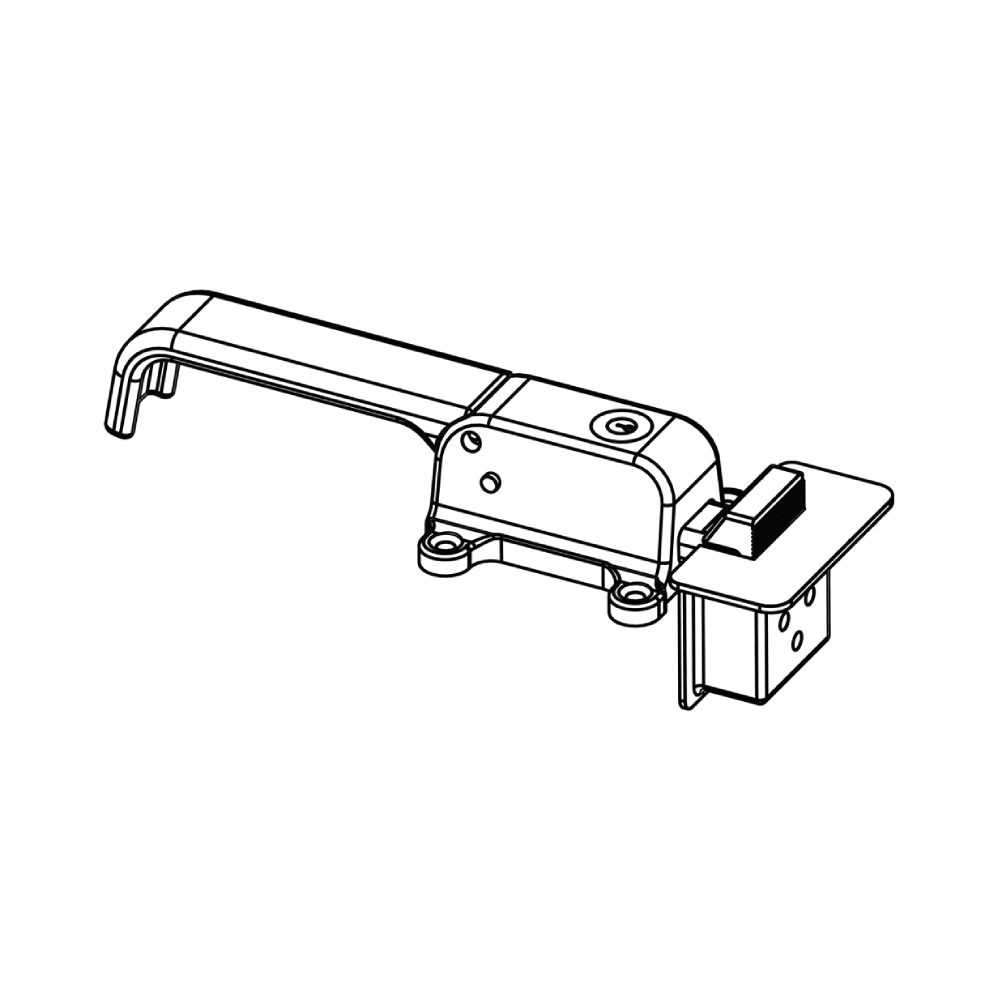
The lever and handle are the main point at which the user makes contact with the door. Their design directly affects ease of use and safety. The lever should be a size that the hand can grip comfortably and should have a surface that is easy to hold. Sharp or hard edges create a risk of injury and can make it harder to grip with warm or damp hands.
The durability of the handle is also important. The lever is pulled and pushed firmly many times a day. A weak lever can break or loosen over time. The thickness and material of the lever, and the strength of its fixing points, determine this durability.
The position and height of the lever on the door matter as well. It should be at a height that adults and staff of different heights can reach comfortably. Its position should make the movement of opening the door natural, otherwise the person may have to strain unnecessarily.
The design should also make locking easy. Being able to lock the door in one movement is preferred for both safety and efficiency. Locks that require complicated movements waste time and also increase the risk of locking incorrectly.
The weight of the door and gasket pressure should be considered in handle and grip design. On heavy doors, long handles with high leverage allow opening with less force. A non-slip grip surface supports safe use in wet and icy conditions.
Locking Mechanism and Key System
The locking mechanism determines how the door is held against the frame. Simple mechanisms are easy to use but may offer limited protection against unauthorised access. More advanced mechanisms give greater security but may need more complex maintenance. The choice should therefore be made according to the security needs of the facility.
The key system is also an important part of the selection. Who will hold the keys, how spare keys will be kept and what will be done if a key is lost should all be planned in advance. When key management is weak, a security gap can appear.
In systems with keys, it is important that the key turns easily in the cold. If ice or moisture collects in the keyway, the key may be difficult to turn. For this reason, the design of the keyway and additional features such as a protective cover can be considered.
When choosing the locking mechanism, the possibility of replacing the lock and the availability of spare parts should also be taken into account. Over the long term, the sustainability of the system is as important as the initial choice.
The key system used in the lock mechanism should match the facility's security needs. In facilities with several cold rooms, a master key system makes it easier for authorized people to access all rooms while other staff can enter only the relevant room. Designs compatible with padlocks also offer extra security.
Use with Gloves and Ergonomics
Staff working in cold rooms often wear gloves. For this reason, being able to use the lock set comfortably with gloves is an important criterion. Small, thin handles can be hard to grip with gloved hands. A wide, easy-to-grip lever design largely solves this problem.
Ergonomics matter not only for gloves but also for general ease of use. The movement of the lever should be short and controlled and should not require force. The user should not have to strain the body when turning, pushing or pulling the lever.
Another important point in gloved use is that the lever should be easy to identify. When a quick reaction is needed in an emergency, being able to find the lever at once can be critical. Differences in colour and shape can make the lever stand out from the other components.
A design suited to gloved use supports the safety and productivity of staff. For this reason, when choosing a lock set, it is advisable to carry out a trial that reflects real working conditions.
Staff working in cold rooms usually wear thick gloves, which makes small buttons or narrow handles difficult to use. Lock sets with a wide grip area that can be operated with one hand and little force speed up workflow and reduce fatigue.
Mounting Position and Door Fit
Correct mounting of the lock set in the right place and at the right angle determines both its function and its safety. Incorrect mounting can prevent the locking point from aligning properly with the frame and can cause the lock to be forced over time. The condition of the door leaf and the frame should be checked before mounting.
The weight and alignment of the door leaf affect the performance of the lock set. If the leaf has sagged, the locking point does not meet the frame exactly and the lock is strained over time. The mounting of the lock set should therefore be considered together with correcting the alignment of the door.
The connection points between the door and the lock set must be sound and durable. Screws and fixings must not loosen under vibration or temperature change. Regular inspection helps to keep these connections secure.
During mounting, care should be taken not to damage the insulation and gasket structure around the lock set. Cold air should not escape through the keyhole or the lever opening. This detail is also important for energy efficiency.
The lock set must be suitable for the door thickness, hinge structure and gasket type. An incompatible lock set can prevent the door from closing fully and cause gasket deformation over time. Door dimensions and manufacturer recommendations must be checked before installation.
Maintenance, Testing and Spare Parts
Regular maintenance is needed for a long service life of the lock set. Lever movement, operation of the locking point, testing of the interior release and tightness of the fixings should be checked periodically. These checks allow faults to be noticed before they grow.
The moving parts of the mechanism should be kept regularly lubricated with a suitable oil. However, oils not designed for cold conditions can stiffen at low temperatures and make movement harder. The choice of oil should therefore also be part of the maintenance plan.
Spare parts management is important for a quick response when a fault occurs. Keeping in stock parts that wear or are lost frequently, such as levers, springs, mechanism components and keys, shortens downtime. Keeping a record of the dimensions and model of spare parts also makes this process easier.
Keeping maintenance records allows the way the lock set behaves over time to be monitored. Information about which part was replaced and when, and which fault recurred, is a valuable data source for future selections.
For regular maintenance, it is recommended to lubricate the moving parts of the lock mechanism with lubricants suitable for cold environments and to check screws and connection points. Replacing worn or broken parts quickly with original spare parts keeps the door operating safely and efficiently.
Conclusion
Choosing the right cold room lock set requires considering many factors together, including safety, material resistance, lever design, mechanism and ease of use. The reliability of the interior release in particular is the most critical requirement and must never be neglected.
Use with gloves, the effect of the cold environment on the material and the fit with the door also directly influence the choice. Considering these elements together ensures that the lock set works both safely and efficiently.
İmamoğlu Soğutma and Yedek Parça Ekipmanları provides technical information and support on cold room lock sets and related spare parts. You can contact us to choose a lock set that meets your facility's safety requirements.
Although a lock set may look like a small piece of hardware, it is an important part of safety and efficiency. With the right choice and regular maintenance, this hardware serves reliably for years.