



Hinge Failure Signs and Solutions
Table of Contents
- The Role of a Cold Room Hinge and Load Distribution
- Early Signs of Hinge Failure
- Misalignment and Its Causes
- Rust and Corrosion
- Pivot and Bearing Wear
- Loosening Fasteners
- Solutions: Adjustment, Lubrication and Part Replacement
- Preventive Maintenance and Spare Parts Management
- Conclusion
The Role of a Cold Room Hinge and Load Distribution
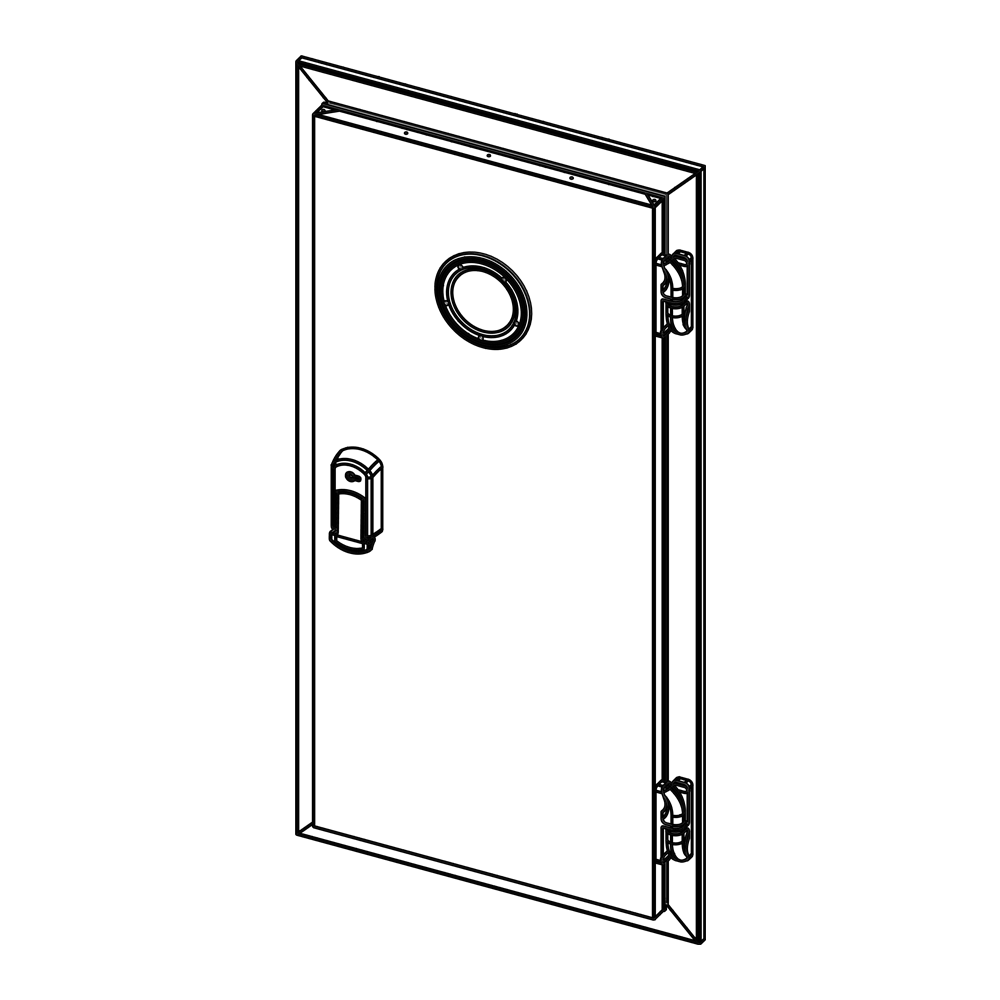
The hinge is the component that keeps a cold room door correctly positioned on its frame and allows it to move in a controlled way when it opens and closes. It carries the weight of the door leaf, balances the force generated during closing and helps the door meet the gasket evenly. Because it works in a cold environment, the hinge is exposed to mechanical load as well as low temperature and humidity at the same time. The condition of the hinge therefore has a direct effect on the overall performance of the door.
Load distribution is one of the most important causes of hinge failure. If the weight of the door leaf is not shared evenly between the hinges, the hinge carrying the most load wears out early. This becomes more pronounced as the width and height of the door increase. Using the correct number of hinges in the correct positions is a basic requirement for a long-lasting door.
The moving parts of a hinge, the pivot and bearing surfaces, work under constant friction. This friction is directly linked to the state of lubrication and the quality of the material. In cold conditions, lubricants can change consistency and make movement harder. Taking these conditions into account in the hinge design ensures reliable operation in the real environment of use.
The hinge is a hidden but critical part of the door system. It is often noticed only when a problem appears. If its condition is monitored regularly, however, symptoms can be caught before serious failure occurs and unnecessary downtime can be avoided.
Early Signs of Hinge Failure
The most common early sign of hinge failure is squeaking or unusual noise. A high-pitched or harsh sound from the hinge as the door opens and closes usually points to a lack of lubrication or to worn surfaces rubbing together. Hearing this sound is an important opportunity to act before serious damage develops.
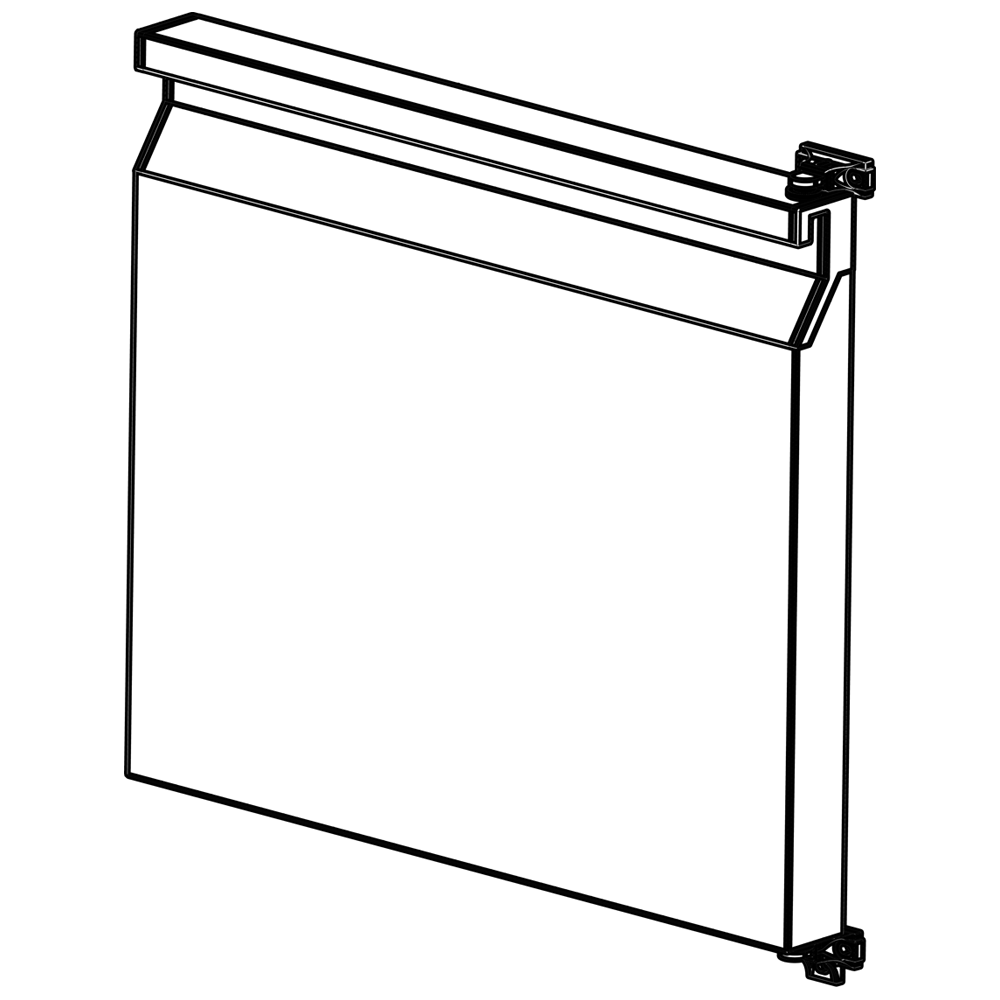
Sagging of the door leaf is another significant warning. When the lower corner of the door starts to drop towards the frame, the door tends to close under its own weight and contact with the gasket is disturbed. Sagging may indicate wear in the hinge pivot or loosening of the hinge connections. In this case the closing alignment should be checked and the cause identified.
Catching or resistance when opening and closing the door can also point to a hinge problem. If the movement jumps at one point or a stiff resistance is felt, the cause may be a rubbing surface, a bent part or a dirty pivot. Ignoring this symptom leads to the door being forced and other parts being damaged.
Rust marks, cracks or blistering paint around the hinge are also early warning signs. They may indicate that the material is not protected against moisture and chemical effects. When visual checks are carried out regularly, such problems are noticed at an early stage and are easier to correct.
Misalignment and Its Causes
Misalignment is the shifting of the door leaf away from the position it should hold relative to the frame. When the door moves up, down, sideways or in and out, the gasket does not press evenly, the door does not close fully and the hinges are overstressed. This problem often develops slowly and may not be noticed by users at first.
There are many causes of misalignment. Errors made during installation, settling of the floor over time, movement of structural elements and stresses created in the panels by temperature changes are among the most common. A door that slams shut frequently and hard can also gradually loosen the hinge connections. Identifying the cause correctly is what makes the solution lasting.
When checking alignment, the gap between the door and the frame should be compared all the way round. If the gap is larger in one place, the hinge or frame connection on that side may be the problem. This finding indicates where the correction should be made and reduces unnecessary intervention.
Alignment corrections are usually made by adjusting the hinges. Before any adjustment, however, the hinge mounting points should be checked to make sure they are sound. An adjustment made to a weak connection can quickly come out of position again. Adjustment should therefore be considered together with repair of the connections.
To confirm that the alignment is correct, the door should be opened and closed several times and the closing action observed to be smooth. After the correction, checking gasket contact is also needed to confirm the job is complete.
Rust and Corrosion
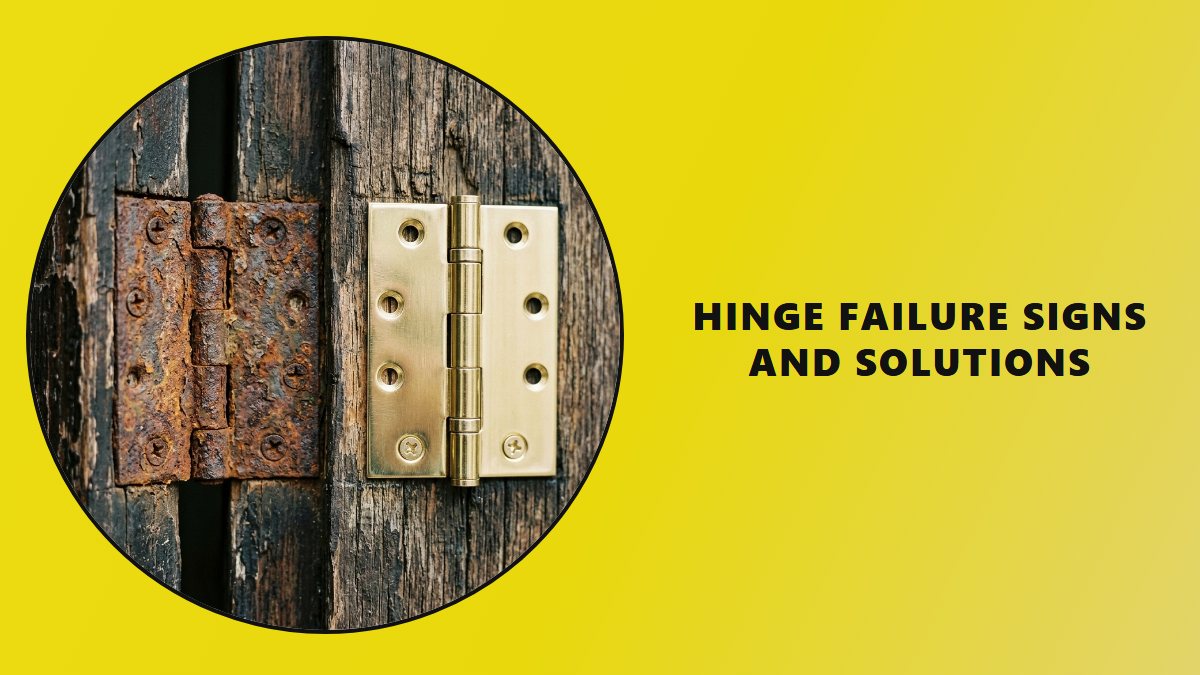
In a cold environment, moisture and condensation can make the hinge material prone to corrosion. Metal surfaces whose protective coating has been damaged gradually rust. Rust gets between moving parts, increases friction and prevents the hinge from working freely. Rusted surfaces also reduce the strength of the part.
The speed of corrosion depends on the material used, the quality of the coating and the moisture and chemical load of the environment. In facilities where washing and disinfection are frequent, chemical action can accelerate corrosion. Suitability of the material for this environment is a critical selection criterion for long-term performance.
Early action matters a great deal once rust begins. Light surface rust can be prevented with a suitable cleaning method and a protective coating. Deep rust, however, may have weakened the structural strength of the part, and in that case replacement is needed. Trying to repair a hinge whose surface has been weakened often does not give a lasting result.
The best way to prevent corrosion is through correct material selection, regular inspection and cleaning. Keeping the hinge surface dry, removing dirt and chemical residues, using a protective coating and checking it periodically significantly extend the life of the part.
Pivot and Bearing Wear
The pivot and bearing surfaces that allow the hinge to move wear under constant friction. Over time this wear creates play between the surfaces. As the play increases, the door leaf begins to move sideways, the alignment is disturbed and sagging becomes more noticeable. As wear progresses, the hinge loses its ability to hold the door properly.
The rate of wear depends on how often the door is used, the load it carries and how well it is lubricated. Doors that open frequently and have heavy leaves wear faster. Lack of lubrication increases friction and speeds up wear. It is therefore important to set up a maintenance programme suited to the intensity of use.
A worn pivot or bearing usually needs to be replaced rather than repaired. Temporary repairs on worn surfaces can cause new problems in a short time. When signs of wear appear, spare parts supply and a replacement plan should therefore be put in place.
Early detection of wear requires regular checking of hinge movement. Play in the door leaf when it is moved by hand, a movement that is stiff or irregular, or a change in the closing speed of the door can all be signs of wear.
Loosening Fasteners
The screws, bolts and nuts that fix the hinge to the frame and to the door leaf can loosen over time. This loosening is accelerated by vibration, frequent closing and movement of materials caused by temperature changes. A loose connection disturbs the position of the hinge and changes the alignment of the door.
Signs of a loose connection include one side of the door sagging, dust or swarf around the hinge, and knocking sounds during movement. When these signs are seen, the tightness of the fasteners should be checked. However, simply tightening them may not be enough, because the screw hole may have enlarged or the surface may have been damaged.
If the screw hole has enlarged, the connection can be strengthened by using a larger screw or a suitable filler material. This ensures the part is fixed in the right place and in the right direction. If the material at the connection point has weakened, the point should be redesigned or reinforced.
Checking the fasteners at regular intervals is one of the simplest and most effective maintenance steps. At every check, the tightness of the fasteners, their condition and any signs of rust should be reviewed. When these checks are recorded, any tendency to loosen can be seen over time.
Solutions: Adjustment, Lubrication and Part Replacement
Solving hinge problems depends on identifying correctly both the symptom and its cause. For slight misalignment, a hinge adjustment is often enough. The adjustment corrects the closing pattern by changing the height of the door leaf, its lateral position and its pressure on the frame. This should be done in small steps and checked as it goes.
Lubrication is a basic maintenance step that reduces friction and smooths movement. The lubricant chosen must suit cold conditions, otherwise it stiffens at low temperatures and makes movement harder. When lubricating, care should be taken that excess oil does not spread onto surrounding surfaces or collect dust.
Part replacement becomes necessary when there is wear, deep corrosion or permanent deformation. When replacing, the size of the existing hinge, its load capacity and the mounting points must be correctly identified. A hinge of the wrong size can cause new problems in a short time.
When choosing a solution it is essential to address the source of the problem, not only its symptom. Adjustment, lubrication and part replacement do not substitute for each other, but when applied in the right order they give a lasting result. After each intervention the door should be tested and the result recorded.
Preventive Maintenance and Spare Parts Management
Most hinge failures can be prevented by a regular preventive maintenance programme. The programme should cover movement checks, lubrication, tightness of fasteners, observation of corrosion and checks of alignment. These checks should be carried out at set intervals according to how intensively the door is used.
The effectiveness of preventive maintenance depends on keeping records. When the date of each check, the work done and the condition observed are recorded, the way a hinge behaves over time becomes visible. These records help to estimate when parts will need replacing and support spare parts planning.
Spare parts management is also an important part of preventive maintenance. Keeping in stock the hinge components and fasteners that are replaced often allows a quick response when a fault occurs. Stock levels should be set according to supply lead time and the number of doors.
Finally, the teams doing the maintenance need to know the correct methods. When adjustment, lubrication and part replacement follow standard procedures, results are consistent and the working environment is safe.
Conclusion
The cold room hinge is a critical component that keeps the door in the correct position and allows it to work reliably. Early signs such as squeaking, sagging, catching and rust can be the warning of major failures. Noticing these symptoms in time and identifying their cause correctly ensures that the problem is solved permanently.
Problems such as misalignment, corrosion, wear and loosening can be resolved with correct adjustment, lubrication and, where necessary, part replacement. Preventive maintenance and regular record keeping prevent these problems from recurring.
İmamoğlu Soğutma and Yedek Parça Ekipmanları provides technical information and support on cold room hinges and related spare parts. If you are experiencing hinge problems or need spare parts, you can contact us to request a solution suited to your door's dimensions.
Small attention paid to the hinge extends the life of the door and prevents unexpected downtime. Regular checks, correct lubrication and timely intervention keep your door working safely for many years.