



Fast Repair Solutions for Cold Room Doors
Table of Contents
- Why Fast Repair Matters for a Cold Room Door
- Initial Diagnosis: Defining the Problem Correctly
- Temporary Fixes and Their Limits
- Gasket Repair and Replacement
- Repairing Hinges and the Closing Mechanism
- Approach to Panel and Frame Damage
- Spare Parts Preparation and Stock Management
- Common Repair Mistakes
- Conclusion
Why Fast Repair Matters for a Cold Room Door
A fault in a cold room door does not only mean the door does not close or does not close properly. When the door stays open, the room temperature rises quickly, the compressor works harder than necessary and products are put at risk. A door fault should therefore usually be treated as an urgent operational problem.
The value of a fast repair lies in stopping the damage before it grows. A slightly worn gasket or a loose hinge, if not addressed in time, can lead to panel damage, a distorted door frame or loss of insulation. Early action reduces both the repair cost and the downtime.
Speed, however, must not mean careless work. A rushed repair can hide the symptom temporarily while a bigger fault develops underneath. The right approach is a repair that is both quick and lasting.
Fast repair also requires preparation. When a spare parts list, fault records and the contact details of responsible people are ready, the time lost at the moment of failure is greatly reduced.
Initial Diagnosis: Defining the Problem Correctly
The success of a repair depends on identifying the problem correctly. A door that does not seal fully, frost along the door edge, a door that is hard to open or moisture marks around the frame can all have different causes. The same symptom may come from the gasket, a hinge or the closing mechanism.
During diagnosis, note whether the door closes, where the gap is and when the gap appeared. A paper test along the door edge can quickly check gasket sealing. If the paper slides out easily, the gasket has probably loosened at that point.
The condition of the hinges and the door frame should also be checked. Loose screws, rust or distortion will throw the door out of alignment. If the alignment is off, replacing only the gasket will not give a lasting solution.
The diagnosis should be recorded in writing. This record makes it easier to track how long the repair took, which part was replaced and whether the problem recurs.
Temporary Fixes and Their Limits
Until a permanent repair is carried out, temporary measures can keep the room safe. Suitable tape can reduce gaps around the door, an air curtain can be fitted at the doorway, or products can be moved further inside. These measures reduce temperature loss to some extent.
The limits of temporary fixes must be clearly understood. Temporary tape does not seal completely and may lose its grip if used for a long period. Tape residue also creates cleaning and hygiene problems. A temporary fix should therefore never replace the permanent repair.
The duration of a temporary fix should also be limited. Set a date by which the temporary measure ends and decide what will happen before that date. Open-ended temporary measures lead to the problem being forgotten.
The effect of temporary fixes should be monitored with temperature records. The records show whether the measure is sufficient and how urgent the permanent repair is.
Gasket Repair and Replacement
The gasket is the part that wears out most often on a cold room door. Constant opening and closing, temperature differences and moisture gradually reduce its flexibility. A cracked, hardened or partly crushed gasket is the main cause of heat leakage.
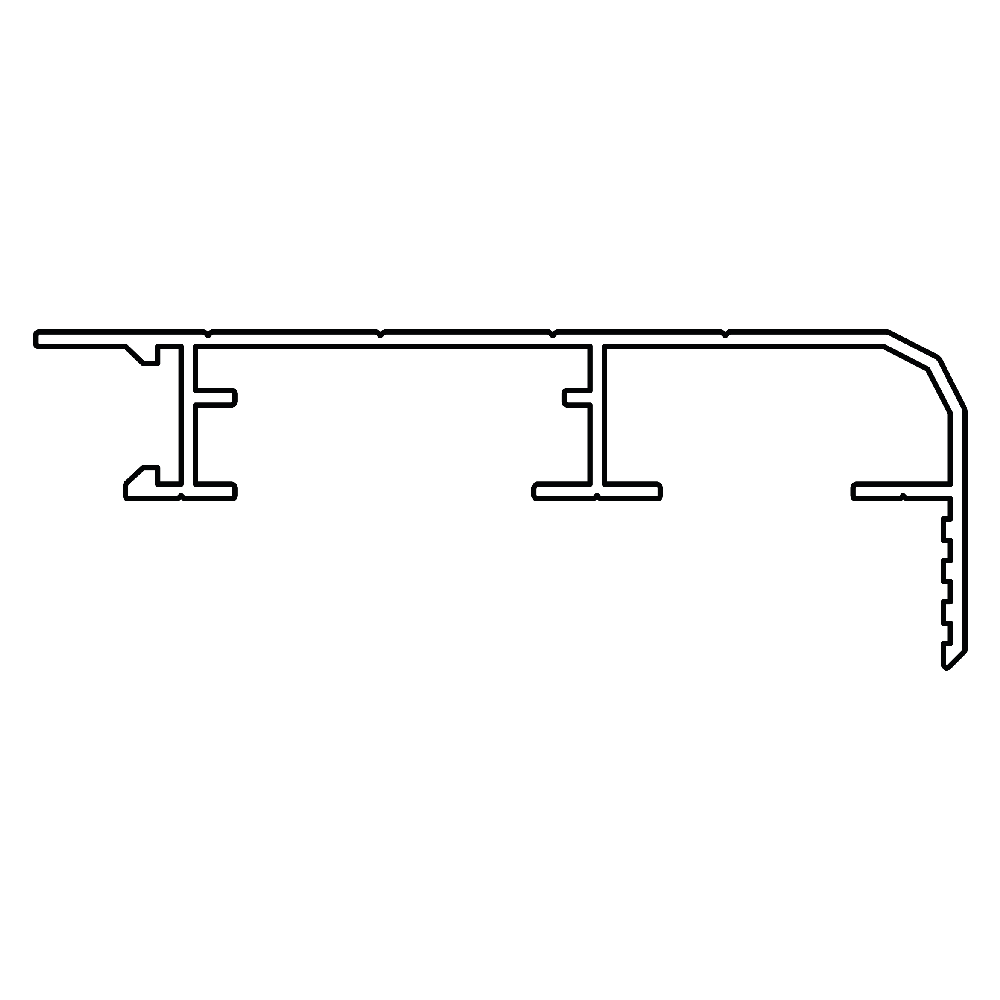
Gasket replacement must use a part of the correct size and profile. The wrong profile or size prevents the door from sitting properly and breaks the seal. The gasket should be selected to the dimensions and material specified by the manufacturer.
Old adhesive residue must be completely removed before a new gasket is fitted. If the surface is not clean and dry, the new gasket will not bond properly. The channel on the door edge should also be checked for damage.
After the gasket has been replaced, open and close the door several times and retest the seal. Make sure the door closes with even pressure at every point.
Repairing Hinges and the Closing Mechanism
Hinges carry the weight of the door and keep it aligned. A loose or worn hinge causes the door to sag, so the gasket is pressed tight on one side and leaves a gap on the other. Checking the hinge screws periodically prevents this problem.
If screws have loosened, it is better to use a screw of the right size, or a reinforcing plate on the overloaded area, than to enlarge the hole. A stripped screw hole makes the repair more expensive.
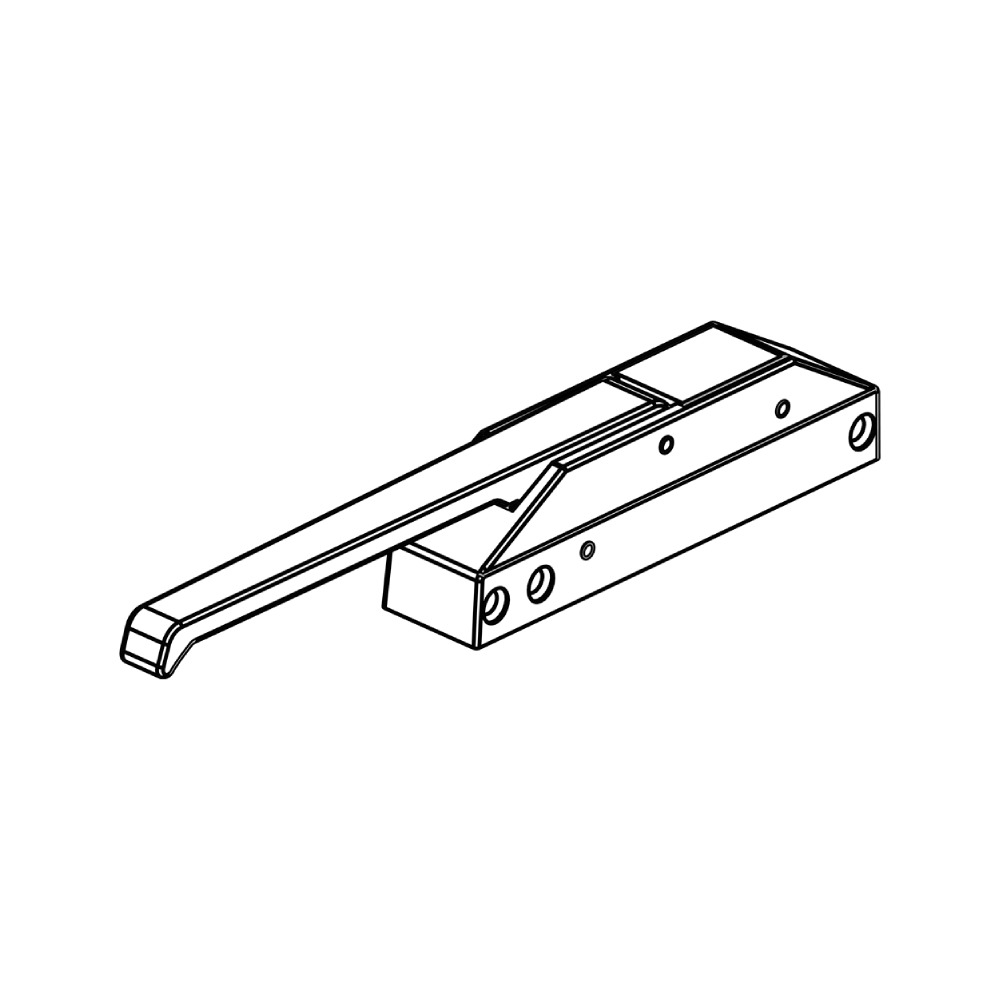
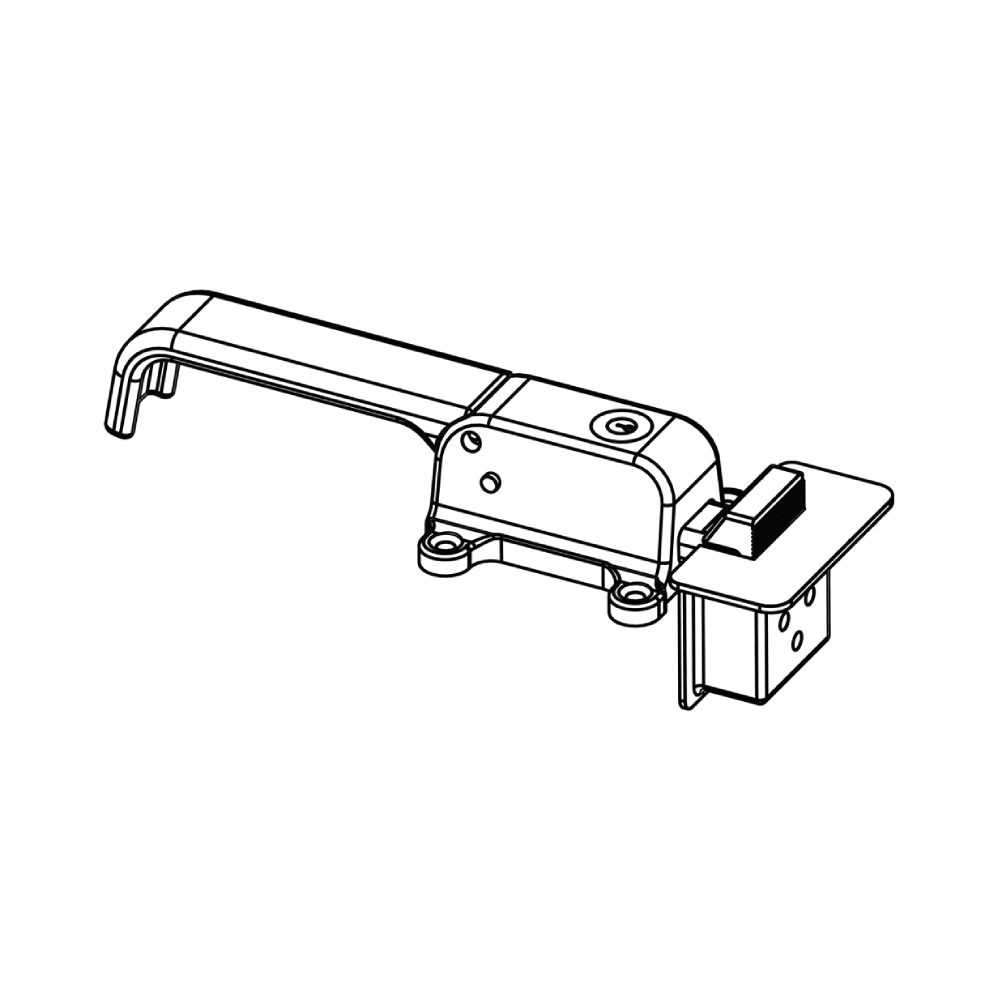
The closing mechanism, meaning the door closer or spring system, makes sure the door closes with a set force. If the force has fallen, the door will not close fully. If the force is too high, the door may slam repeatedly and damage the panel and frame. Adjustment should follow the manufacturer's values.
Lubricating moving parts is also important. In a food area, however, the lubricant used must be food-compatible. Over-lubrication can attract dust and dirt and make the problem worse.
Approach to Panel and Frame Damage
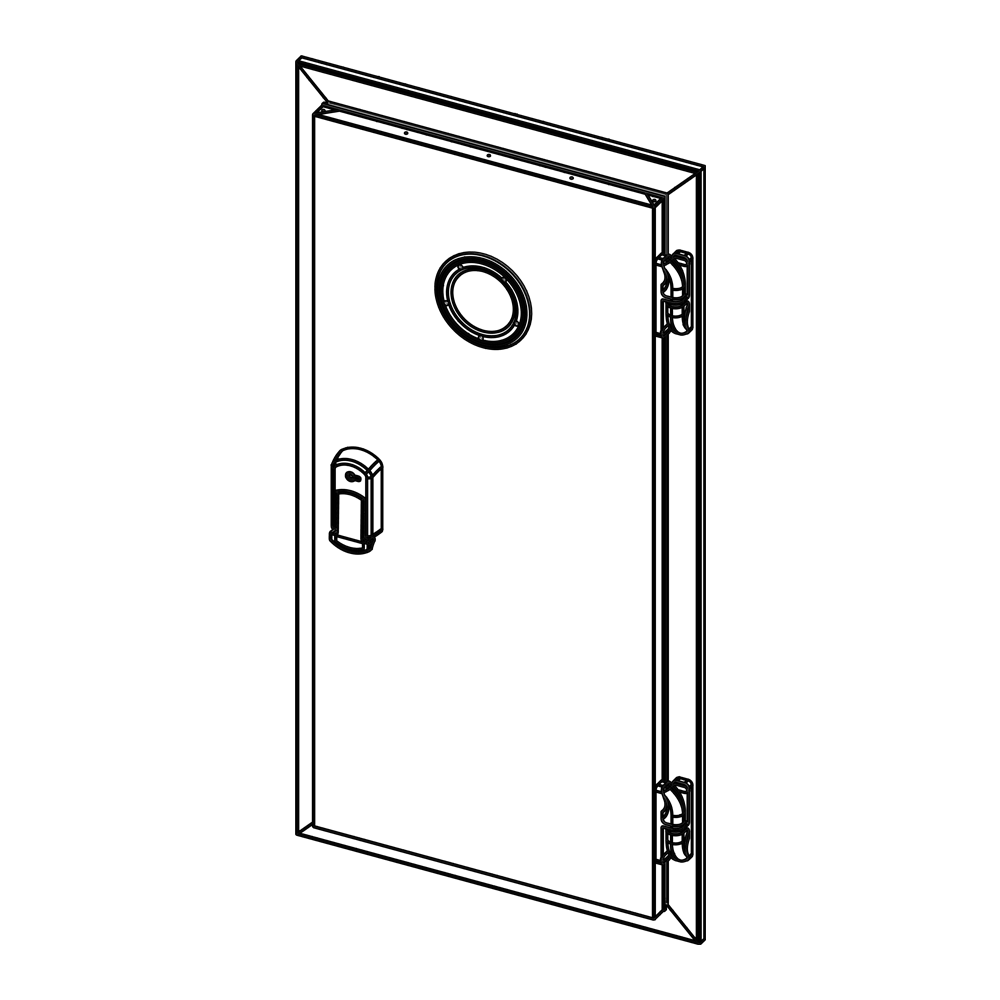
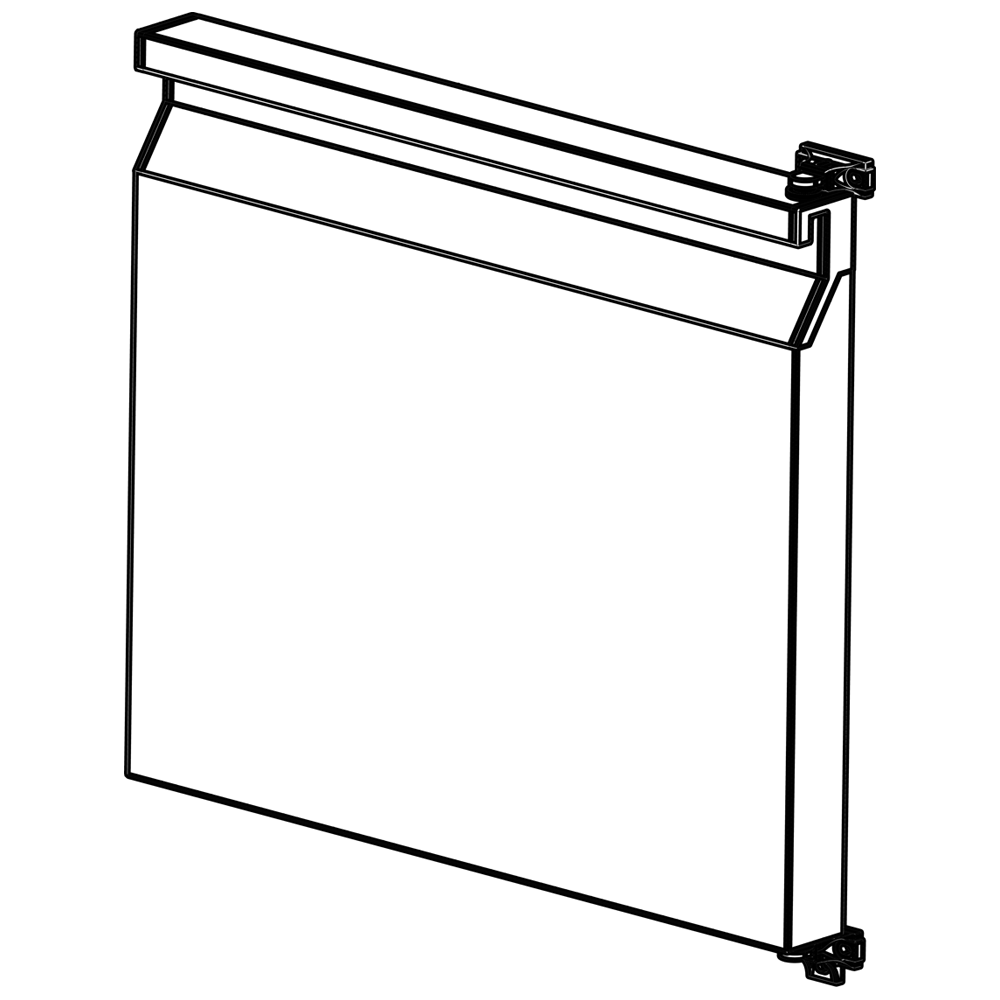
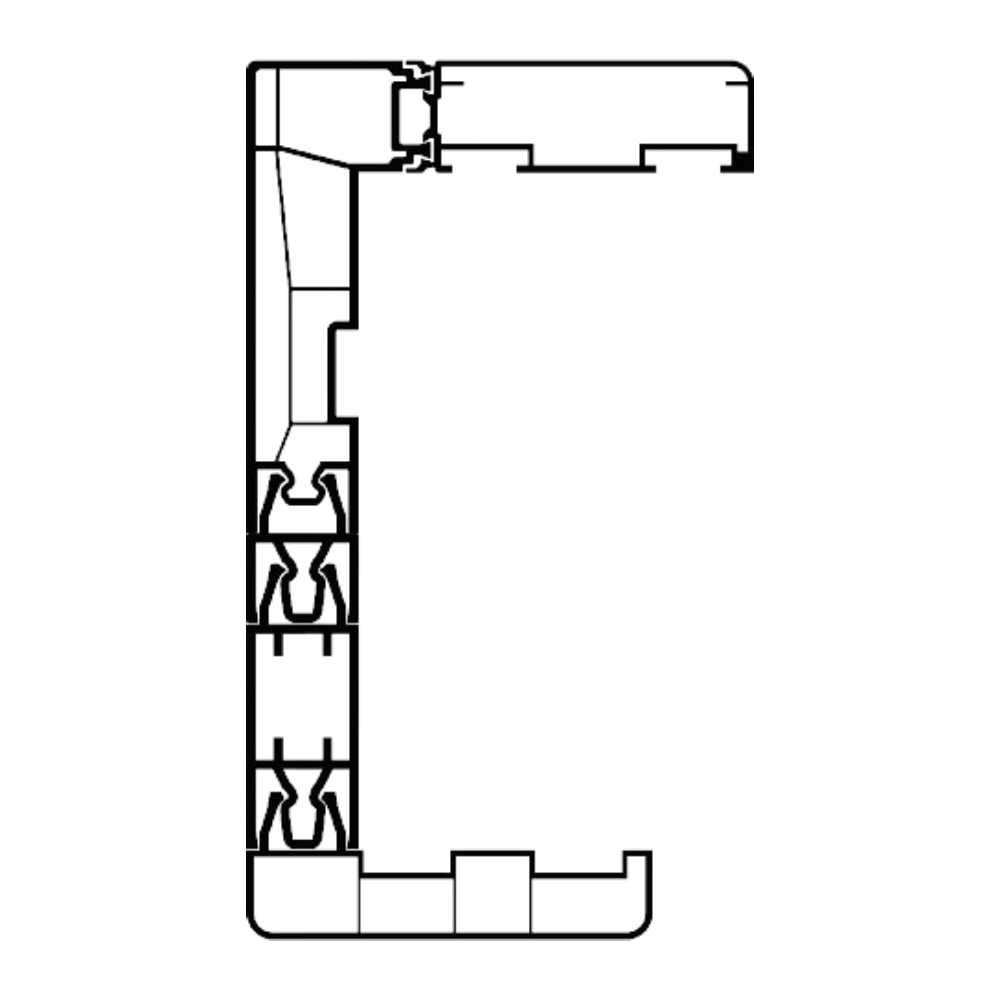
When a door panel or frame shows cracks, punctures or distortion, the problem is no longer limited to the gasket or hinge. Panel damage leads to loss of insulation and moisture ingress. Such damage is usually solved by replacing the panel rather than by a local patch.
For small surface damage a temporary repair may be made, but check whether the insulation core has been affected. If the insulation is wet, sealing the surface traps the moisture inside and the problem grows.
A bent frame permanently disturbs the alignment of the door. In that case replacing the door alone may not be enough. The condition of the frame must be examined and it should be repaired or replaced if necessary.
The quality of panel and frame repairs determines the room's long-term performance. These jobs should therefore be carried out by an experienced team or with manufacturer support.
Spare Parts Preparation and Stock Management
One of the biggest obstacles to fast repair is not being able to find the required part. Keeping frequently replaced parts such as gaskets, hinges, closers and sensors on a stock list saves time at the moment of failure.
The stock list must match the door models and dimensions at the facility. A gasket or hinge of the wrong size can affect the whole system. The size and supplier details of every door should be kept on record.
Stock levels should be set according to consumption history. A minimum stock should be defined for frequently replaced parts, while lead time should be considered for rarely used parts.
Contacting the spare parts supplier in advance is also useful. If it is known through which channel and how quickly parts can be obtained in an emergency, the repair plan becomes more realistic.
Common Repair Mistakes
The most frequent mistake is repairing only the visible part of the symptom. The gap is sealed with a gasket, but the real cause, a hinge or alignment problem, is not solved. The fault returns within a few weeks.
Another mistake is failing to test after the repair. Returning the door to service without confirming that it closes and seals allows the problem to continue unnoticed.
Using the wrong part is also common. An incompatible gasket or closer soon leads to a new fault.
Finally, not keeping repair records makes it harder to spot recurring problems. If it is not known which door fails how often, it becomes difficult to find a lasting solution.
Conclusion
Fast repair of a cold room door is one of the most effective ways to protect product safety and energy efficiency. When correct diagnosis, short-term temporary measures where needed, permanent repair with the right parts and testing after repair are applied together, the recurrence of faults is largely prevented.
A prepared approach, with spare parts stock, record keeping and written procedures, saves time at the moment of failure. This preparation makes both emergencies and planned maintenance more controlled.
İmamoğlu Soğutma and Yedek Parça Ekipmanları provides parts and technical support for cold room door gaskets, hinges, closers and panel repairs. You can share your door's condition and model to receive the right parts and a quotation.