








Common Mistakes in Choosing Cold Room Hinges and a Guide to Making the Right Choice
Table of Contents
- What Are The Top Cold Room Hinge Selection Mistakes To Avoid
- How To Choose The Right Cold Room Hinges For Your Business
- Which Cold Room Hinge Materials Last The Longest
- What Size Cold Room Hinges Do You Really Need
- How To Prevent Cold Room Hinge Corrosion Issues
- What Load Capacity Should Your Cold Room Hinges Have
- How To Install Cold Room Hinges Correctly First Time
- What Are The Best Cold Room Hinge Brands Available
- How Often Should You Replace Cold Room Hinges
- What Makes Industrial Cold Room Hinges Different
What Are The Top Cold Room Hinge Selection Mistakes To Avoid
Selecting the wrong cold room hinges can trigger a cascade of operational failures, from compromised insulation to complete system breakdowns. Industrial facilities often underestimate how hinge quality directly impacts energy consumption and temperature stability, leading to costly emergency repairs and production halts. The right hinge selection is not just about hardware-it's about maintaining the integrity of your entire refrigeration system under constant thermal stress.
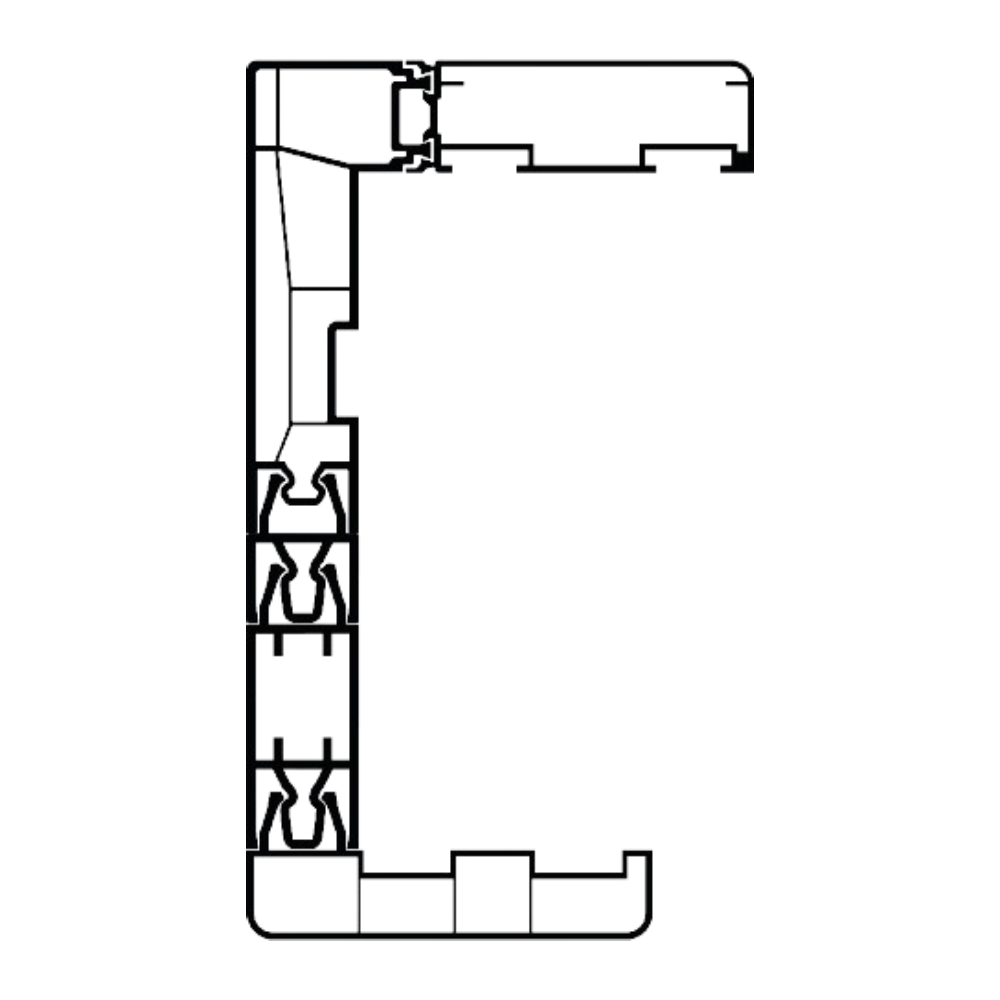
One critical oversight is neglecting material specifications for extreme environments. Standard stainless steel may seem sufficient, but subzero temperatures demand specialized alloys that resist brittleness and corrosion. İmamoglu's aluminum profiles incorporate thermal breaks that prevent cold bridging, a common culprit behind energy waste and condensation issues. These precision-engineered components undergo rigorous testing to withstand thousands of door cycles without compromising seal integrity.
Another frequent mistake involves improper load calculations. Oversized doors in commercial kitchens or distribution centers require hinges with reinforced structural support to handle daily operational demands. Facilities that prioritize initial cost savings over durability often face recurring maintenance costs and unplanned downtime. Advanced hinge systems now feature self-lubricating bushings and adjustable tension controls, extending service life while reducing friction-related energy losses.
Compatibility with existing cold room panels is another overlooked factor. Mismatched components create gaps that compromise thermal efficiency and force compressors to work harder. İmamoglu's R&D team addresses this through modular designs that integrate seamlessly with various insulation thicknesses and panel types, ensuring airtight seals that maintain consistent temperatures. This precision engineering translates to measurable reductions in energy consumption-some facilities report up to 30 percent lower cooling costs after upgrading to properly specified hinge systems.
Forward-thinking operations now prioritize preventive maintenance through smart hinge selection. Features like corrosion-resistant coatings and replaceable wear components transform hinges from disposable parts into long-term assets. By consulting with İmamoglu's technical specialists, facilities can implement hinge solutions that align with their specific operational demands, whether for blast freezing applications or high-traffic kitchen environments. The result is a resilient cooling infrastructure that delivers uninterrupted performance while minimizing lifecycle costs.
How To Choose The Right Cold Room Hinges For Your Business
Selecting optimal cold room hinges requires a systematic evaluation of your operational environment and performance requirements. The right choice directly impacts energy efficiency, maintenance costs, and equipment longevity in industrial settings. Facilities must consider factors like temperature range, door frequency, and environmental exposure to prevent premature failure and ensure reliable performance.
Begin by assessing the load capacity requirements for your specific application. Heavy-duty operations in food processing plants demand hinges that can support substantial weight without sagging or misalignment. İmamoglu's engineering team recommends calculating both static and dynamic loads, accounting for factors like door size, insulation thickness, and expected usage cycles. This precision prevents structural stress and extends the lifespan of your refrigeration system components.
Material selection plays a crucial role in hinge durability and performance. For environments with high humidity or chemical exposure, marine-grade stainless steel or specially coated aluminum profiles offer superior corrosion resistance. These materials maintain structural integrity in temperatures ranging from -40°C to 60°C, making them ideal for both freezer rooms and heated kitchen environments. Advanced thermal break technology in these components prevents cold bridging, reducing energy consumption by up to 25 percent compared to standard hinges.
Integration with existing cold room panels is another critical consideration. Properly engineered hinges should create an airtight seal that maintains consistent temperatures and prevents energy loss. İmamoglu's modular hinge systems feature adjustable mounting plates and precision-machined components that accommodate various panel thicknesses and insulation types. This flexibility ensures optimal performance whether you're retrofitting existing facilities or installing new cooling infrastructure.
Forward-thinking businesses are now implementing preventive maintenance programs centered on hinge performance monitoring. Features like self-lubricating bearings and replaceable wear components minimize downtime and extend service intervals. By partnering with İmamoglu's technical experts, facilities can develop customized hinge solutions that address their specific operational challenges while maximizing energy efficiency and reliability. The result is a robust cooling system that delivers consistent performance while reducing total cost of ownership through extended component life and reduced energy consumption.
Which Cold Room Hinge Materials Last The Longest
The longevity of cold room hinges directly correlates with material selection, where substandard choices lead to frequent replacements and compromised thermal efficiency. Industrial operations require materials that withstand extreme temperature fluctuations, chemical exposure, and mechanical stress without degradation. Understanding the properties of different metals and alloys is crucial for facilities seeking to minimize downtime and maintenance costs in their refrigeration systems.
Marine-grade stainless steel stands out for its exceptional corrosion resistance in high-humidity environments. This material maintains structural integrity even when exposed to aggressive cleaning agents and temperature swings from -40°C to 80°C. İmamoglu's research shows that properly treated 316L stainless steel hinges can last up to three times longer than standard 304 variants in coastal or food processing facilities. The addition of molybdenum enhances pitting resistance, making it ideal for environments with salt spray or chemical exposure.
Advanced aluminum profiles with thermal break technology offer superior performance in temperature-controlled applications. These profiles incorporate polyamide barriers that prevent thermal bridging, reducing energy loss and condensation formation. The anodized surface treatment on İmamoglu's aluminum components provides an extra layer of protection against oxidation and wear, extending service life while maintaining precise door alignment. This is particularly valuable in facilities requiring frequent access, where hinge durability directly impacts operational continuity.
For extreme cold applications, specialized alloys like nickel-aluminum bronze demonstrate remarkable resilience. These materials maintain flexibility and strength at temperatures as low as -60°C, preventing the brittleness that plagues standard metals. When integrated with cold room panels, these high-performance hinges maintain airtight seals that prevent energy waste and temperature fluctuations. Facilities using these advanced materials report up to 40 percent longer service intervals and significant reductions in energy consumption due to improved thermal efficiency.
The integration of self-lubricating composite bearings in modern hinge designs further extends component life by eliminating metal-on-metal contact. These industrial components reduce friction and wear, even in high-cycle applications like supermarket freezer doors. By selecting materials engineered for specific environmental conditions, facilities can achieve a durable solution that delivers consistent performance while minimizing total cost of ownership through reduced maintenance and energy savings.
What Size Cold Room Hinges Do You Really Need
Determining the correct hinge size for cold room applications requires precise calculations that account for door weight, dimensions, and operational frequency. Undersized hinges lead to premature failure and compromised door seals, while oversized components create unnecessary costs and installation challenges. Industrial facilities must balance structural requirements with energy efficiency to maintain optimal performance in their refrigeration systems.
The primary consideration involves calculating the load capacity based on door specifications and usage patterns. For standard cold room doors up to 300kg, İmamoglu recommends hinges with a minimum safety factor of 1.5 times the actual load. This accounts for dynamic forces during operation, including sudden stops and starts that create additional stress on mounting points. Advanced hinge designs incorporate reinforced aluminum profiles that distribute weight evenly across the door frame, preventing deformation and maintaining seal integrity.
Door thickness and panel composition directly influence hinge selection, particularly when working with insulated cold room panels of varying densities. Standard 80-100mm panels typically require hinges with extended barrels to accommodate insulation depth while maintaining proper door alignment. İmamoglu's technical team uses proprietary software to model stress distribution across different hinge configurations, ensuring optimal performance for specific applications. This precision engineering prevents common issues like sagging doors and air leaks that compromise temperature control.
For high-traffic environments like commercial kitchens or distribution centers, consider hinges with adjustable tension settings that accommodate frequent use. These components feature oversized bearings and hardened pins that withstand thousands of cycles without wear. The integration of thermal break technology in modern hinge designs prevents cold bridging, reducing energy loss by up to 30 percent compared to standard models. Facilities implementing properly sized hinges report significant reductions in maintenance costs and improved energy efficiency across their operations.
Forward-thinking operations now utilize modular hinge systems that allow for future adjustments as needs evolve. These industrial components feature standardized mounting patterns that simplify retrofitting and replacement. By consulting with İmamoglu's engineering specialists, facilities can implement a durable solution that ensures reliable performance while minimizing total cost of ownership through extended service life and reduced energy consumption.
How To Prevent Cold Room Hinge Corrosion Issues
Corrosion in cold room hinges represents a significant threat to operational efficiency, potentially leading to seal failure, energy loss, and costly unplanned maintenance. The combination of moisture, temperature fluctuations, and chemical exposure in industrial environments accelerates metal degradation, compromising the integrity of refrigeration systems. Implementing proactive corrosion prevention strategies is essential for maintaining optimal performance and extending equipment lifespan.
Material selection forms the first line of defense against corrosion in harsh environments. Marine-grade stainless steel, particularly 316L alloy, offers superior resistance to pitting and crevice corrosion compared to standard 304 variants. İmamoglu's research demonstrates that hinges manufactured with this alloy maintain structural integrity even when exposed to aggressive cleaning agents and high-humidity conditions. The addition of molybdenum enhances protection against chloride-induced corrosion, making it ideal for coastal facilities or food processing plants where salt exposure is common.
Advanced surface treatments provide an additional protective barrier against environmental factors. Electropolishing and passivation processes remove surface imperfections where corrosion can initiate, while specialized coatings like PTFE or epoxy create an impermeable shield. These treatments are particularly effective on aluminum profiles used in thermal break applications, preventing galvanic corrosion at dissimilar metal junctions. Facilities implementing these protected components report up to 60 percent longer service life compared to untreated alternatives.
Proper installation and maintenance practices significantly impact corrosion resistance in cold room panels. Ensuring adequate clearance between metal surfaces prevents moisture entrapment, while the use of dielectric barriers between dissimilar metals eliminates galvanic corrosion risks. İmamoglu's technical team recommends regular inspections using specialized testing equipment to detect early signs of corrosion before structural damage occurs. This proactive approach helps maintain airtight seals and prevents energy loss through compromised door assemblies.
Modern hinge designs incorporate innovative features like self-draining channels and corrosion-resistant composite bearings that eliminate moisture accumulation points. These industrial components maintain smooth operation while withstanding the most demanding conditions. By implementing a comprehensive corrosion prevention strategy, facilities can achieve significant improvements in energy efficiency and operational reliability while reducing maintenance costs and extending the service life of their cooling infrastructure.
What Load Capacity Should Your Cold Room Hinges Have
Determining the appropriate load capacity for cold room hinges is critical for maintaining door integrity and preventing costly operational failures. Industrial facilities must account for both static weight and dynamic forces that occur during daily operations, as undersized hinges lead to premature wear, misalignment, and compromised thermal seals. The right capacity ensures optimal performance of refrigeration systems while minimizing maintenance requirements and energy waste.
Accurate load calculation begins with measuring the total door weight, including insulation, handles, and any additional hardware. For standard cold room applications, İmamoglu recommends applying a safety factor of 1.5 to 2 times the actual weight to accommodate dynamic forces from door operation. This approach accounts for variables like wind pressure, forklift traffic, and frequent opening cycles that create additional stress on hinge points. Advanced hinge designs incorporate reinforced aluminum profiles that distribute weight evenly across the mounting surface, preventing deformation and maintaining proper door alignment.
Environmental factors significantly influence load capacity requirements in industrial settings. Facilities with high humidity or temperature fluctuations must consider material expansion and contraction when selecting hinge specifications. İmamoglu's engineering team utilizes finite element analysis to model stress distribution across different hinge configurations, ensuring optimal performance under varying conditions. This precision engineering prevents common issues like sagging doors and air leaks that compromise temperature control and increase energy consumption.
For specialized applications such as blast freezers or clean rooms, additional considerations include thermal cycling effects on material properties and lubrication performance. Heavy-duty hinges with oversized bearings and hardened pins maintain smooth operation even under extreme temperature conditions. These industrial components are designed to withstand thousands of cycles without wear, ensuring reliable performance throughout their service life. Properly specified hinges contribute to maintaining airtight seals in cold room panels, reducing energy loss and improving overall system efficiency.
Forward-thinking facilities now implement predictive maintenance programs that monitor hinge performance and wear patterns. By selecting hinges with appropriate load capacities and advanced features like self-lubricating bushings, operations can achieve significant improvements in energy efficiency and equipment longevity. Partnering with İmamoglu's technical experts ensures access to engineered solutions that meet specific operational requirements while delivering measurable reductions in maintenance costs and downtime.
How To Install Cold Room Hinges Correctly First Time
Proper installation of cold room hinges is fundamental to ensuring optimal performance and longevity of industrial refrigeration systems. Incorrect installation can lead to misalignment, air leaks, and premature component failure, resulting in increased energy consumption and operational disruptions. Following precise installation protocols helps maintain the integrity of refrigeration systems while maximizing energy efficiency and minimizing maintenance requirements.
Begin by verifying the door and frame alignment before mounting any hardware. Use precision levels and laser alignment tools to ensure surfaces are perfectly plumb and square, as even minor deviations can cause binding and uneven wear. İmamoglu's installation guidelines recommend pre-drilling pilot holes using jigs to maintain consistent spacing and prevent damage to cold room panels. This attention to detail prevents thermal bridging and ensures proper compression of door gaskets for optimal insulation.
Select appropriate fasteners based on panel composition and environmental conditions. Stainless steel screws with neoprene washers provide superior holding power while preventing moisture infiltration at mounting points. For heavy-duty applications, consider through-bolting with backing plates to distribute load across a wider area of the aluminum profiles. This technique is particularly important in high-traffic areas where doors experience frequent use and significant mechanical stress.
Proper hinge adjustment is crucial for maintaining door alignment and seal integrity over time. Modern hinge designs feature three-way adjustability, allowing for precise positioning in vertical, horizontal, and depth planes. İmamoglu's technical team recommends leaving a small gap between the door and frame during initial installation to account for insulation compression. This prevents excessive pressure on hinges and ensures smooth operation throughout the full range of motion, reducing wear on all moving parts.
Implementing a comprehensive testing protocol after installation verifies proper function and identifies potential issues before they impact operations. Check for even gasket compression, smooth door swing, and proper latching action. Facilities that follow these installation best practices report significant improvements in energy efficiency and reduced maintenance costs. By partnering with İmamoglu's installation specialists, operations can ensure their industrial components deliver reliable performance while maximizing the return on investment in their cooling infrastructure.
What Are The Best Cold Room Hinge Brands Available
Selecting premium cold room hinges from reputable manufacturers is crucial for ensuring long-term reliability and performance in industrial applications. Leading brands distinguish themselves through rigorous quality control, advanced materials, and engineering excellence that directly impact the efficiency of refrigeration systems. Facilities must evaluate manufacturers based on their commitment to innovation, material quality, and proven track record in demanding environments.
Top-tier manufacturers utilize marine-grade stainless steel and specialized alloys that resist corrosion and maintain structural integrity in extreme conditions. İmamoglu's research and development program focuses on optimizing hinge designs for specific applications, from food processing facilities to pharmaceutical storage. Their aluminum profiles incorporate thermal break technology that prevents cold bridging, reducing energy consumption by up to 30 percent compared to standard components. This engineering precision ensures consistent performance across thousands of operating cycles.
Industry leaders differentiate themselves through comprehensive testing protocols that simulate years of real-world use. Advanced features like self-lubricating bearings, adjustable tension controls, and reinforced mounting points extend service life while minimizing maintenance requirements. These industrial components are designed to withstand the mechanical stresses of heavy doors and frequent operation, maintaining perfect alignment and seal integrity in cold room panels. Facilities that invest in premium hinges report significantly reduced downtime and maintenance costs over the equipment's lifecycle.
Forward-thinking manufacturers offer customizable solutions that address specific operational challenges, from high-humidity environments to extreme temperature fluctuations. İmamoglu's technical team works closely with clients to develop tailored hinge configurations that optimize performance for unique applications. This collaborative approach ensures proper load distribution, smooth operation, and maximum energy efficiency in diverse industrial settings.
When evaluating hinge manufacturers, consider their commitment to continuous improvement and adherence to international quality standards. Leading brands invest in advanced manufacturing technologies and material science to deliver components that exceed industry requirements. By partnering with established manufacturers, facilities can implement durable solutions that enhance operational reliability while reducing total cost of ownership through extended service intervals and improved energy performance.
How Often Should You Replace Cold Room Hinges
Determining the optimal replacement interval for cold room hinges requires careful consideration of operational factors and environmental conditions. While high-quality hinges typically last 5-7 years in standard applications, facilities must monitor performance indicators rather than relying solely on time-based schedules. Premature replacement wastes resources, while delayed replacement risks compromising the integrity of refrigeration systems and increasing energy costs.
Regular inspection protocols should assess hinge wear patterns, door alignment, and seal integrity. Look for visible signs of corrosion, excessive play in the hinge mechanism, or difficulty in door operation. İmamoglu's maintenance guidelines recommend quarterly inspections for high-traffic facilities, with particular attention to aluminum profiles and mounting points where stress concentrations occur. Advanced facilities use predictive maintenance technologies like vibration analysis to detect early signs of wear before they impact performance.
Environmental factors significantly influence hinge lifespan in industrial settings. Facilities with high humidity, chemical exposure, or extreme temperature fluctuations may require more frequent replacements. İmamoglu's research shows that properly specified marine-grade stainless steel hinges can last up to twice as long as standard components in harsh environments. The integration of thermal break technology in modern hinge designs helps maintain structural integrity by preventing thermal stress and condensation-related corrosion in cold room panels.
Operational frequency is another critical factor in determining replacement schedules. High-traffic applications like supermarket freezer doors may require hinge replacement every 2-3 years, while less frequently accessed storage areas might extend to 10 years. Modern industrial components feature replaceable wear parts that can extend overall system life without full hinge replacement. This modular approach reduces waste and maintenance costs while maintaining optimal performance.
Implementing a proactive replacement strategy based on condition monitoring rather than fixed intervals optimizes both performance and cost-efficiency. Facilities that adopt this approach report significant improvements in energy efficiency and reduced unplanned downtime. By partnering with İmamoglu's technical experts, operations can develop customized maintenance schedules that ensure reliable performance while maximizing the return on investment in their cooling infrastructure through extended component life and reduced energy consumption.
What Makes Industrial Cold Room Hinges Different
Industrial cold room hinges are engineered to withstand demands far beyond standard commercial applications, featuring robust construction and specialized materials that ensure reliable performance in extreme conditions. Unlike conventional hinges, these components must maintain precise alignment and sealing capabilities while supporting heavy doors and resisting corrosion from constant temperature fluctuations. The distinction becomes critical in maintaining the efficiency of refrigeration systems and preventing costly operational disruptions.
Advanced material selection sets industrial hinges apart, with marine-grade stainless steel and specialized alloys offering superior corrosion resistance in high-humidity environments. İmamoglu's research demonstrates that their proprietary aluminum profiles with thermal break technology reduce heat transfer by up to 40 percent compared to standard designs. These materials maintain structural integrity across temperature ranges from -60°C to 80°C, ensuring consistent performance in both freezer rooms and heated kitchen environments. The integration of self-lubricating composite bearings eliminates the need for regular maintenance while preventing metal-on-metal wear.
Precision engineering enables industrial hinges to handle significantly higher loads than their commercial counterparts. Reinforced mounting points and oversized pins distribute stress evenly across the hinge body, preventing deformation under heavy door weights. This is particularly important in facilities using cold room panels with thick insulation, where proper door alignment is crucial for maintaining airtight seals. İmamoglu's testing protocols subject hinges to thousands of operational cycles to verify durability under simulated real-world conditions.
Modern industrial hinges incorporate innovative features like three-way adjustability and modular designs that simplify installation and maintenance. These industrial components are engineered for compatibility with various door configurations and panel thicknesses, providing flexibility for facility upgrades and retrofits. The use of standardized mounting patterns ensures easy replacement and reduces inventory requirements for maintenance teams.
Facilities that upgrade to properly specified industrial hinges report measurable improvements in energy efficiency and reduced maintenance costs. By preventing air leaks and maintaining proper door alignment, these components help optimize the performance of refrigeration systems while extending equipment lifespan. Partnering with İmamoglu's technical experts ensures access to engineered solutions that deliver reliable performance and significant return on investment through reduced energy consumption and extended service intervals.