



Cold Room Door Locks: Common Problems And Safety
Table of Contents
- What Does a Cold Room Door Lock Do?
- The Lock Does Not Close the Door Fully: Sealing Problems
- Freezing and Stiff Opening
- Inside Safety Release and Security
- Maintenance, Adjustment and When to Replace
What Does a Cold Room Door Lock Do?
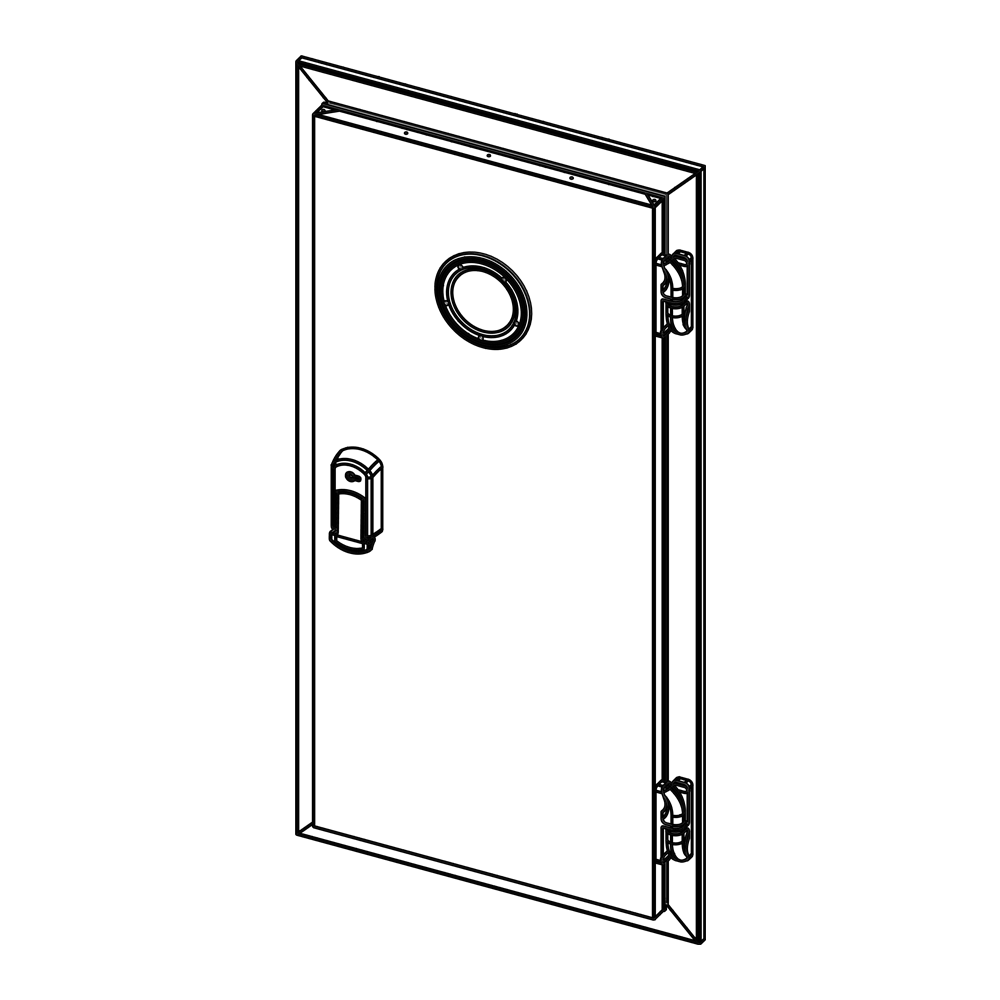
A cold room door lock does more than lock the door: when the door closes, it pulls the leaf against the frame so that the gaskets are compressed and the room is sealed. A lock problem therefore often shows up first as a cold air leak.
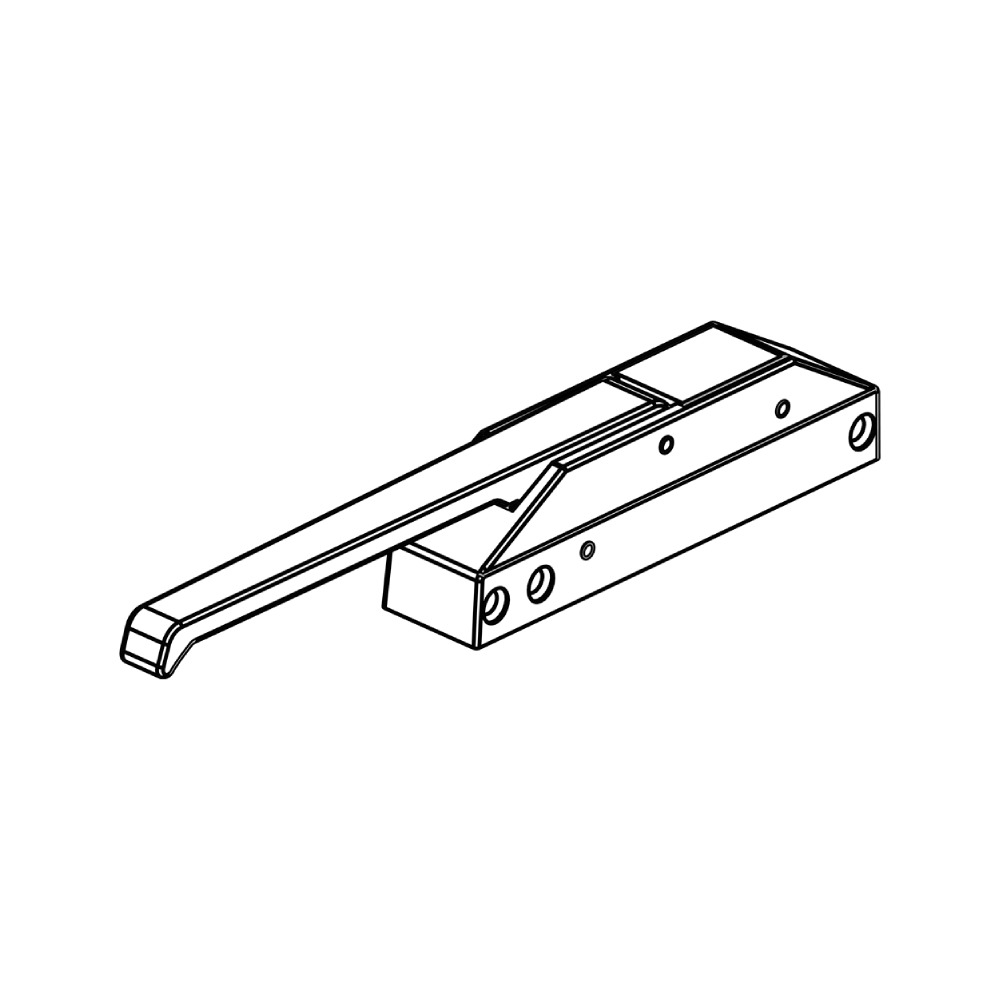
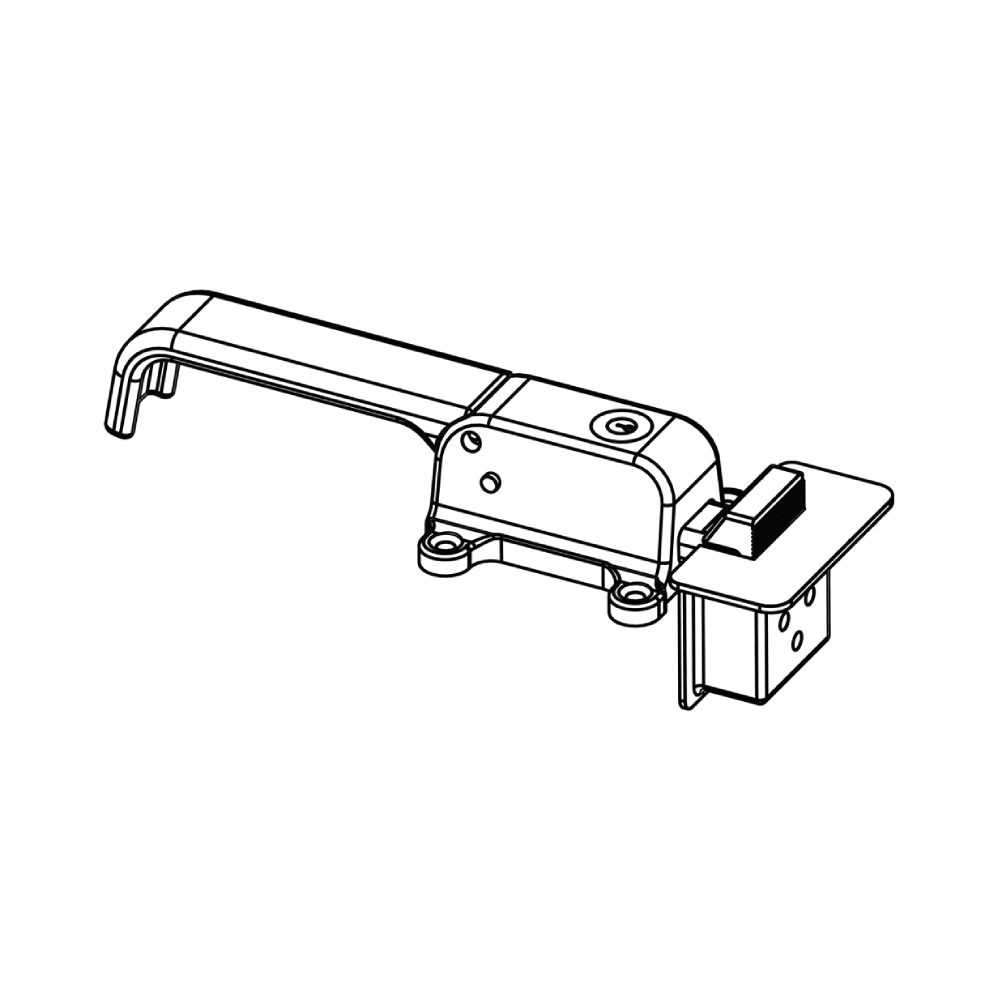
Its second job is safety: it prevents unauthorised access from outside, while an inside safety release ensures no one can be trapped in the room. Handle-type, horizontal and digital locks perform these tasks with different mechanisms.
This article focuses less on lock types and more on problems that arise in use, their likely causes, and adjustment and maintenance tips.
The Lock Does Not Close the Door Fully: Sealing Problems
If light shows around the edges even when the door is locked, or ice forms around the door, the lock may not be pulling the leaf firmly enough against the frame. The most common cause is that the adjustment between the strike plate on the frame and the lock mechanism on the leaf has drifted over time.
For a simple check, place a strip of paper in the door gap, lock the door and pull the paper. If it slides out easily, pressure at that point is insufficient. Repeat the check at several heights on the lock side.
Adjusting the position of the strike plate usually restores the pressure. If the door still does not seat fully after adjustment, the cause may be hardened gaskets or a sagging leaf, so the hinges and gaskets should also be checked.
Freezing and Stiff Opening
In rooms operating below zero, moisture getting into the lock mechanism or strike area can freeze, jamming the handle and making the door hard to open. Ice in this area usually indicates that the frame heater is not working or that the door is not closing fully.
Forcing a jammed lock can break the handle or internal parts. Lubricating the mechanism periodically with a manufacturer-recommended lubricant that does not freeze at low temperatures, and checking the frame heater, largely prevents this problem.
Another cause of stiff opening is a pressure difference in the room. If the door is hard to open just after it has been closed, the problem may lie with room pressure rather than the lock, and the pressure relief valve should be checked.

Inside Safety Release and Security
The most important safety feature of a cold room lock is the inside safety release, which allows the room to be opened from inside even when the door is locked from outside. It should be tested regularly, kept clear of stored goods and easy to see.
If an additional lock or padlock is used on the outside, make sure it does not stop the inside release from working. Staff knowing where the inside release is and how to use it is just as important as the lock itself.
For digital or electronic locks, how the door opens from inside and outside during a power cut or fault should be clarified with the supplier at the purchasing stage.
Maintenance, Adjustment and When to Replace
During periodic maintenance, check the fixing screws of the lock and strike plate and tighten any that have loosened. Play in the handle or the lock opening by itself are the first signs of loose fixings.
If the latch hook is clearly worn, the handle or body is cracked or broken, or the door soon stops closing fully again despite adjustment, the lock needs to be replaced. Choosing a new lock that matches the door thickness, opening direction and existing fixing holes makes installation easier.
Because the lock, hinges and gaskets affect each other, the best results come from checking all three together. For locks and spare parts suited to your door, you can contact the Imamoğlu team.