



Cold Room Door Hinges: Fault Signs And Adjustment
Table of Contents
- How Do Hinge Problems Affect the Door?
- Sagging Leaf and Gasket Not Seating Fully
- The Door Does Not Close by Itself or Stays Open
- Stiff Opening, Squeaking and Ice on the Hinge Side
- When to Adjust and When to Replace?
How Do Hinge Problems Affect the Door?
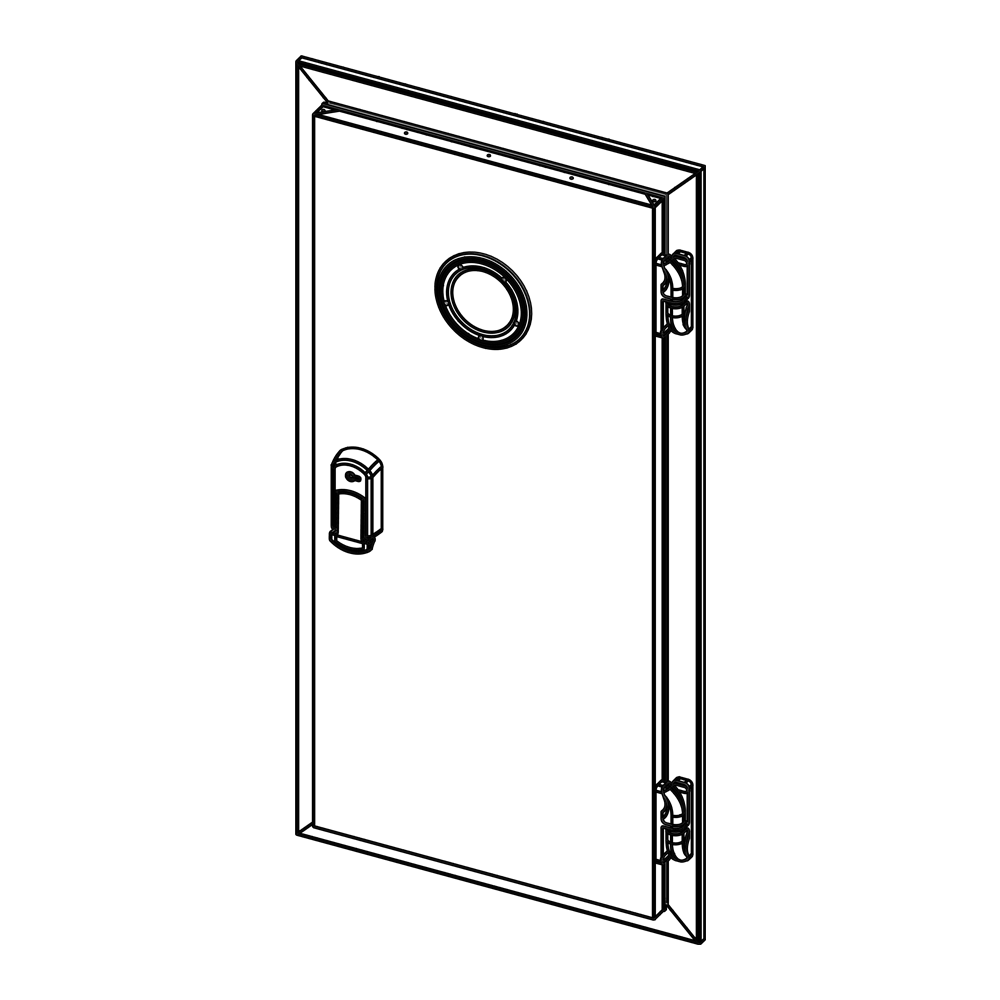
Cold room door hinges carry the full weight of the leaf and make sure it sits in the right position against the frame when closed. Even a small amount of loosening or wear in a hinge shifts the leaf by a few millimetres, which usually shows up first as a sealing problem.
Many door complaints therefore actually start at the hinge: cold air escaping past the gasket, a door that is hard to close, a latch that does not engage, or ice forming around the door.
The sections below cover the most common symptoms, their likely causes and the first checks to make. Hinge selection and replacement steps are covered in our separate articles.
Sagging Leaf and Gasket Not Seating Fully
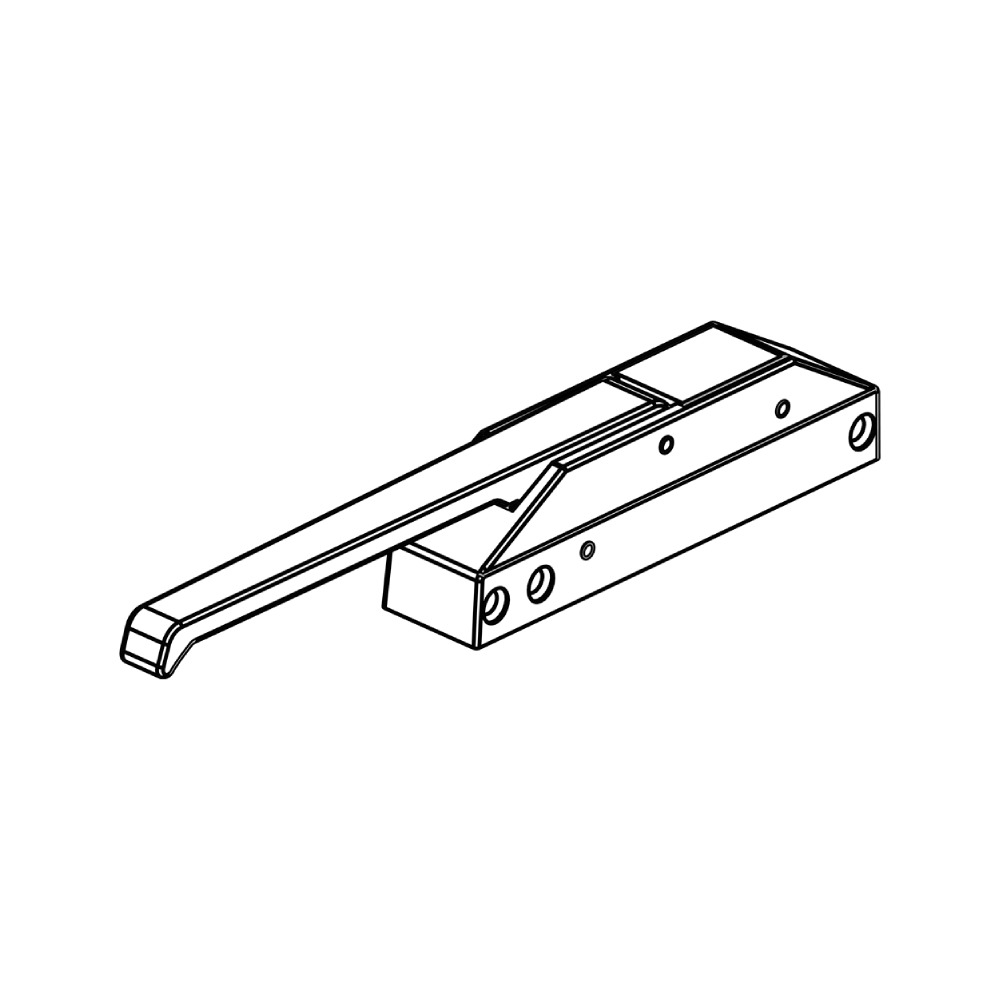
The clearest sign of a sagging leaf is the bottom corner on the lock side rubbing on the floor or threshold, with the handle struggling to engage. Light showing at the top corner on the lock side when the door is closed also indicates sagging.
The most common cause is loose fixing screws. On doors that open and close frequently, screws loosen over time and the leaf drops on the hinge side. Checking and tightening the screws fixes the problem in most cases.
If the sagging continues with the screws tight, the number or load capacity of the hinges may be insufficient for the leaf weight, or the panel area where the hinge is fixed may be damaged. In that case, the hinge type and fixing point should be assessed by a technical team.
The Door Does Not Close by Itself or Stays Open
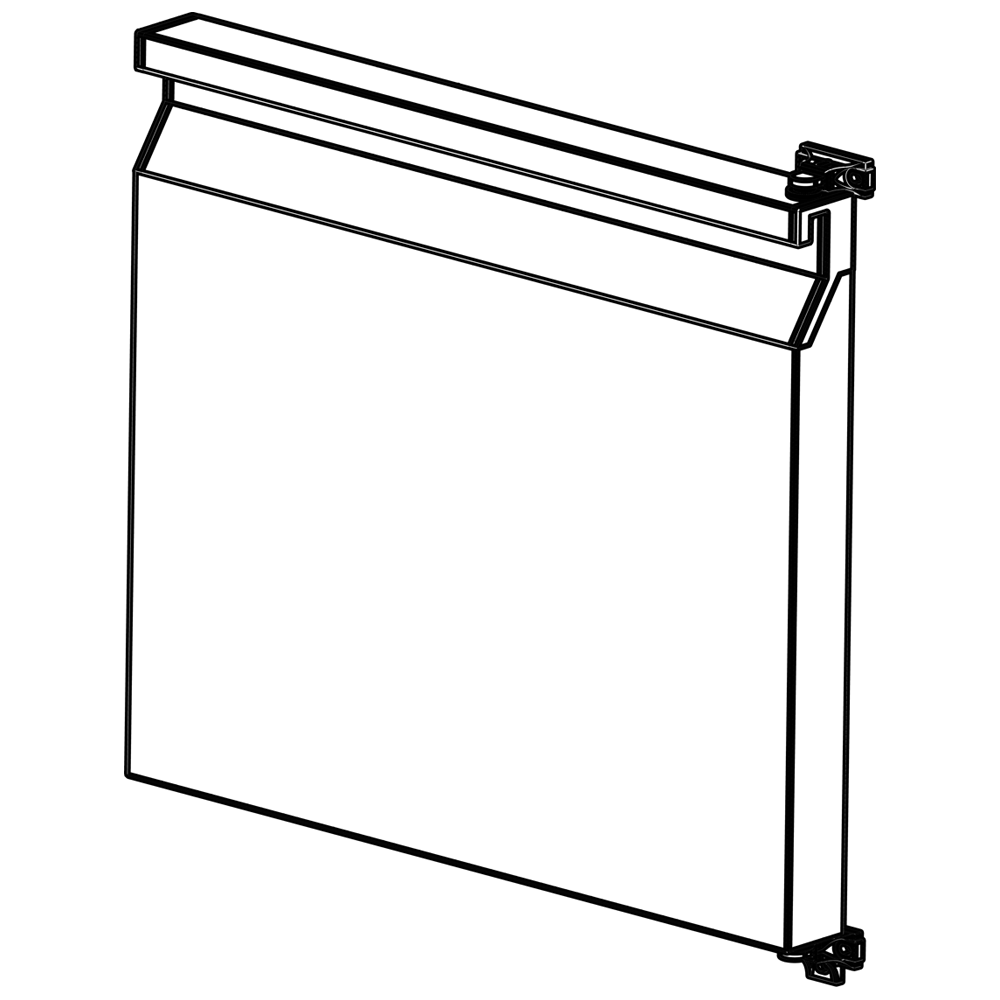
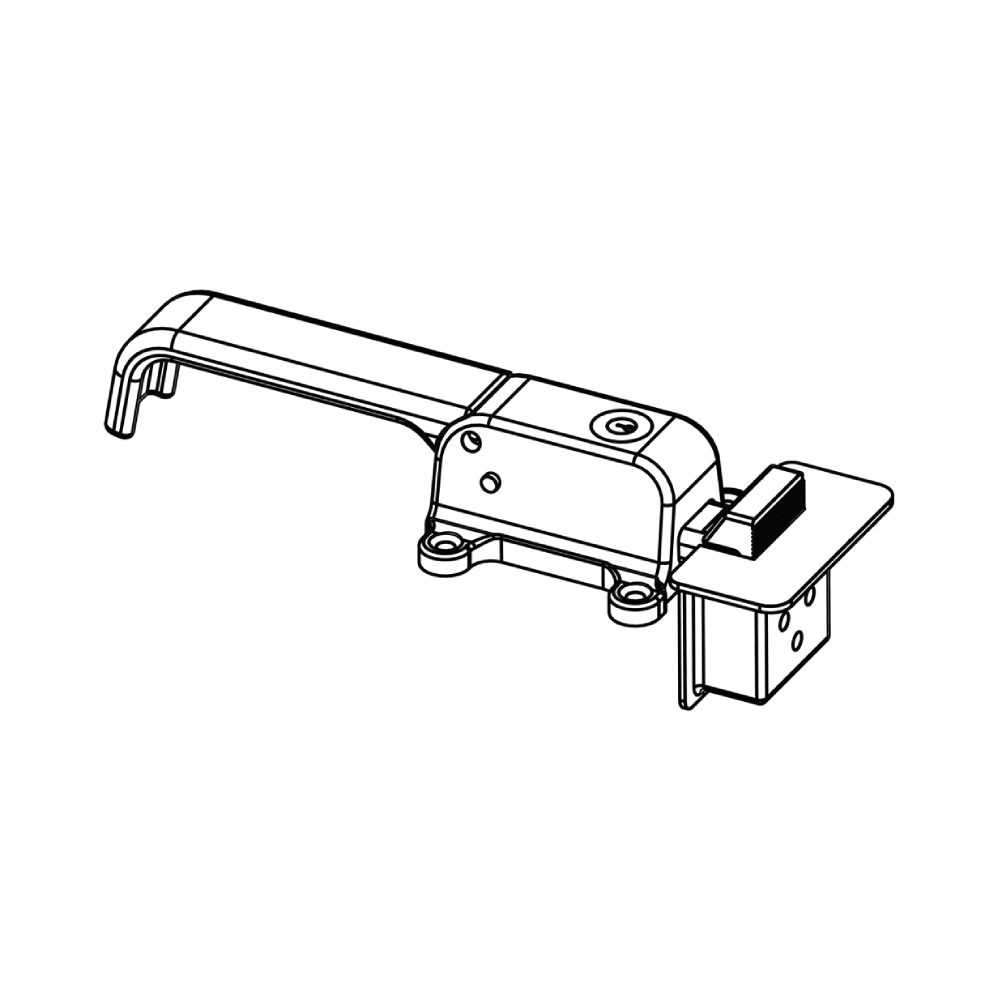
Rising (ramp) hinges, common on cold room doors, lift the leaf slightly as it opens and guide it closed under its own weight when released. If the door no longer closes by itself as it used to, the ramp surfaces in the hinge may be worn or dirty.
Other factors can also hinder closing: a sloping floor in front of the door, hardened gaskets pushing the leaf back, or incorrect leaf adjustment. Before working on the hinge, check the gaskets and the floor as well.
A door left open quickly causes heavy cold air loss and icing inside the room. Until the problem is fixed, make sure staff close the door by hand.

Stiff Opening, Squeaking and Ice on the Hinge Side
A door that is hard to open or squeaks indicates increased friction between the hinge pin and its bushing. Lubricating with a product recommended by the hinge manufacturer that stays effective at low temperatures and is suitable for food areas is usually enough. Unsuitable lubricants can stiffen in the cold and make things worse.
If ice or condensation regularly forms on the hinge side of the frame, the leaf is not seating fully on that edge. This is usually caused by hinge misadjustment or a crushed gasket on the hinge side.
In freezer rooms, a faulty frame heater causes similar symptoms, so when icing appears it is advisable to check the heater as well as the hinge adjustment.
When to Adjust and When to Replace?
Loose screws, dirty or dry hinge surfaces and slight leaf misalignment can usually be fixed by adjustment and maintenance. Adding these checks to the periodic maintenance schedule helps catch problems before they grow.
If the hinge body is cracked, broken or visibly deformed, if the pin and bushing are worn and loose, or if the leaf sags again soon after adjustment, the hinge needs to be replaced.
Because cold room door leaves are heavy, hinge adjustment and replacement should not be done by one person alone, and the leaf must be safely supported. For information on suitable hinges and spare parts for your door, you can contact the Imamoğlu team.