

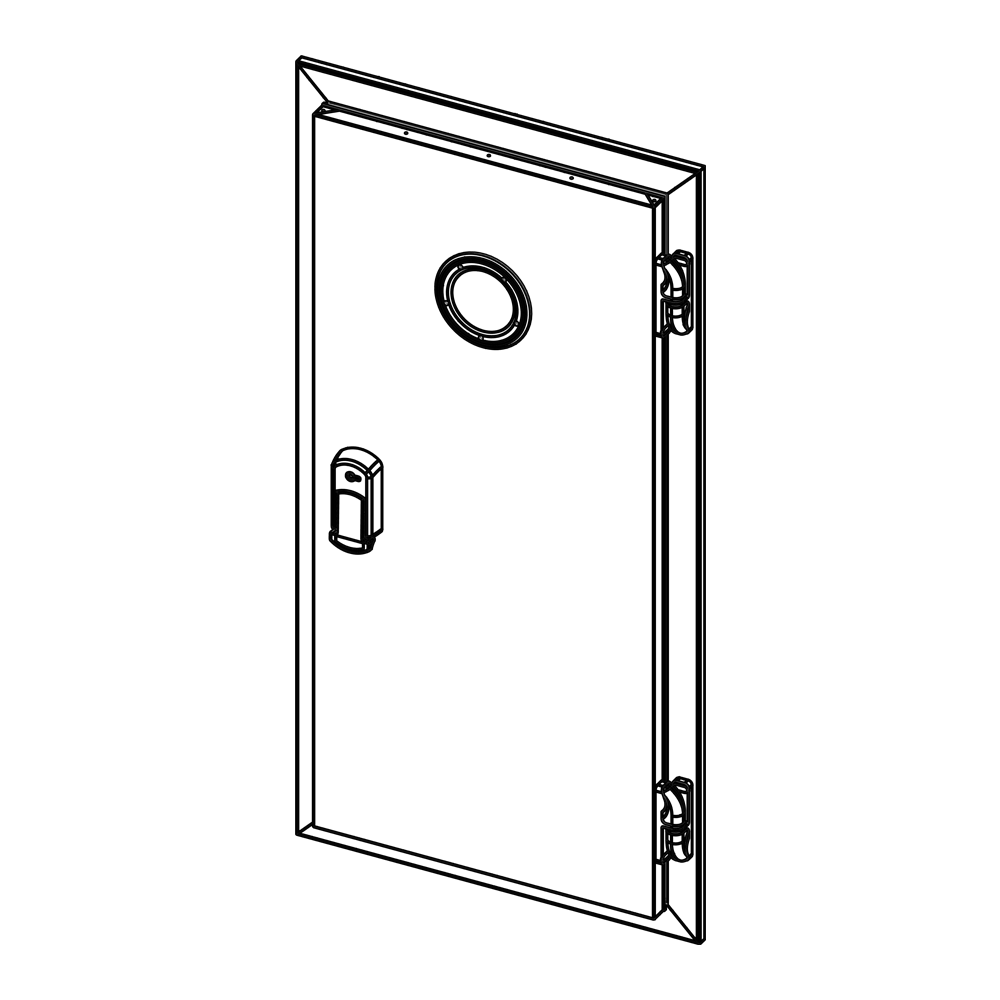
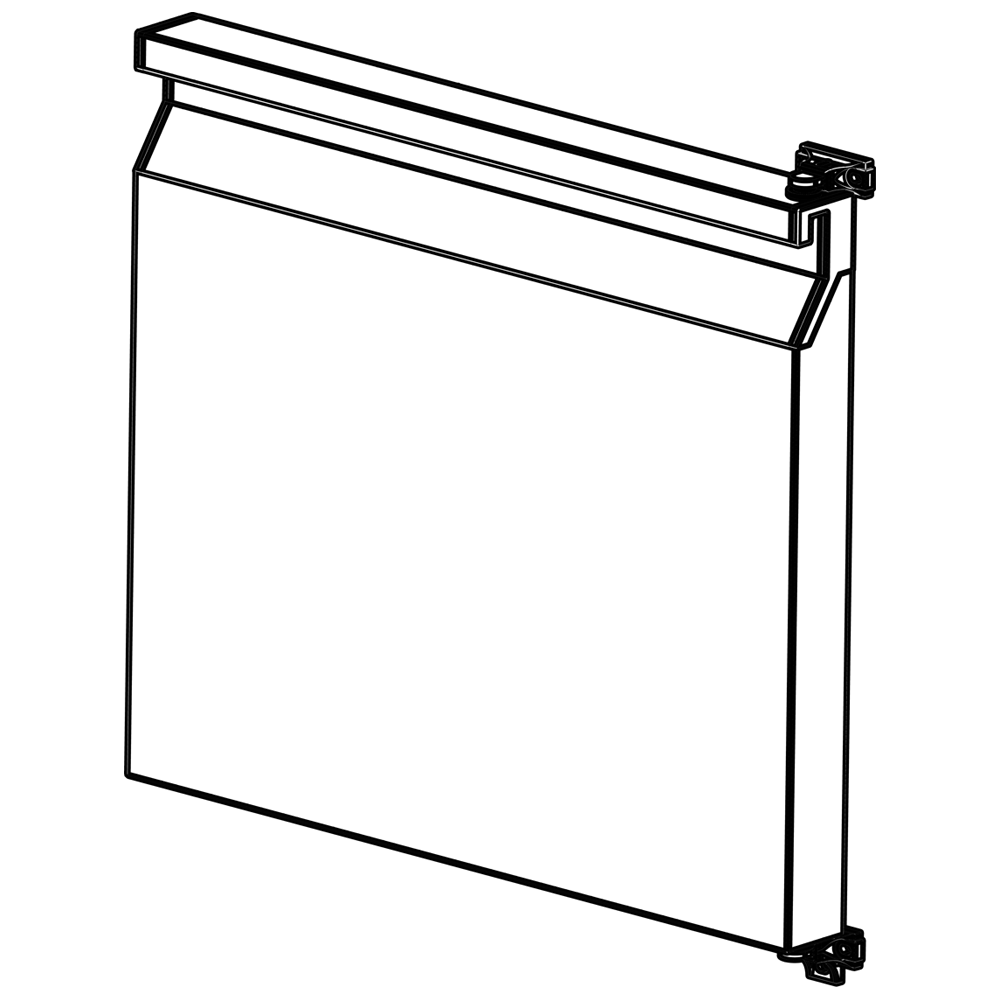


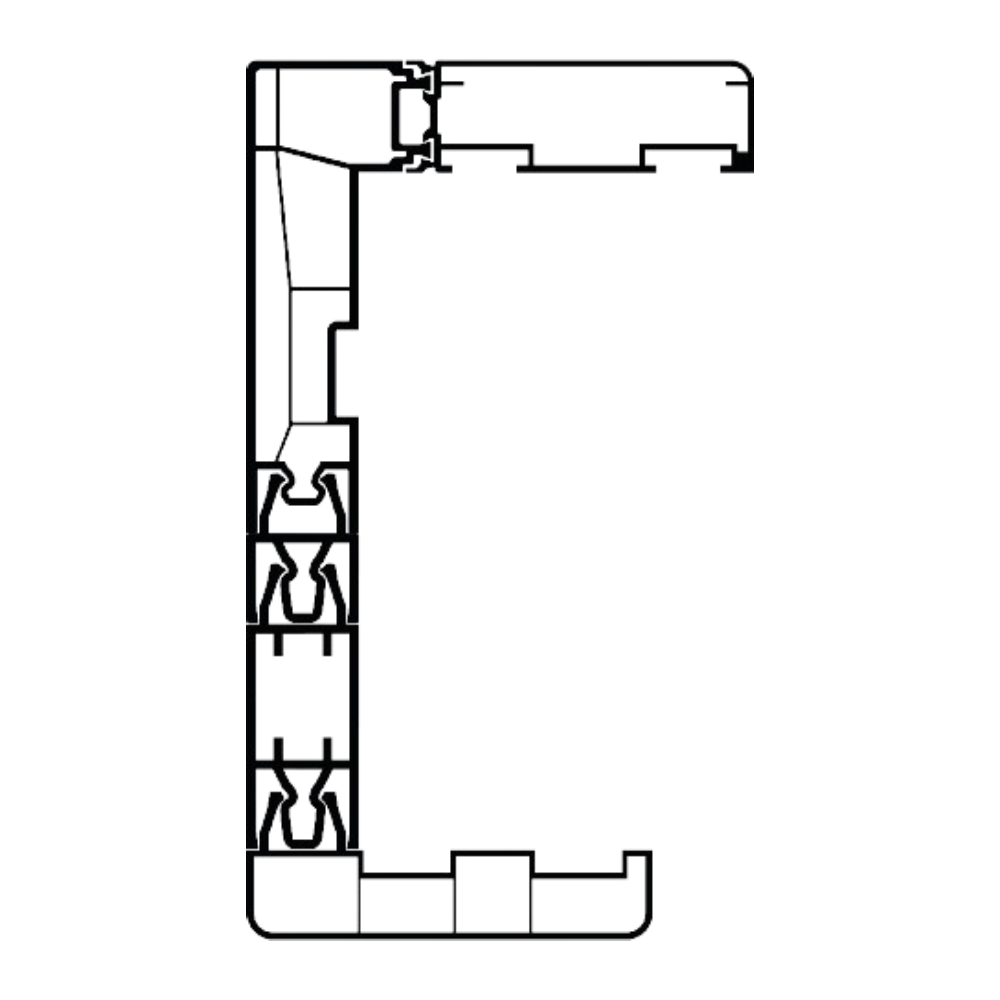
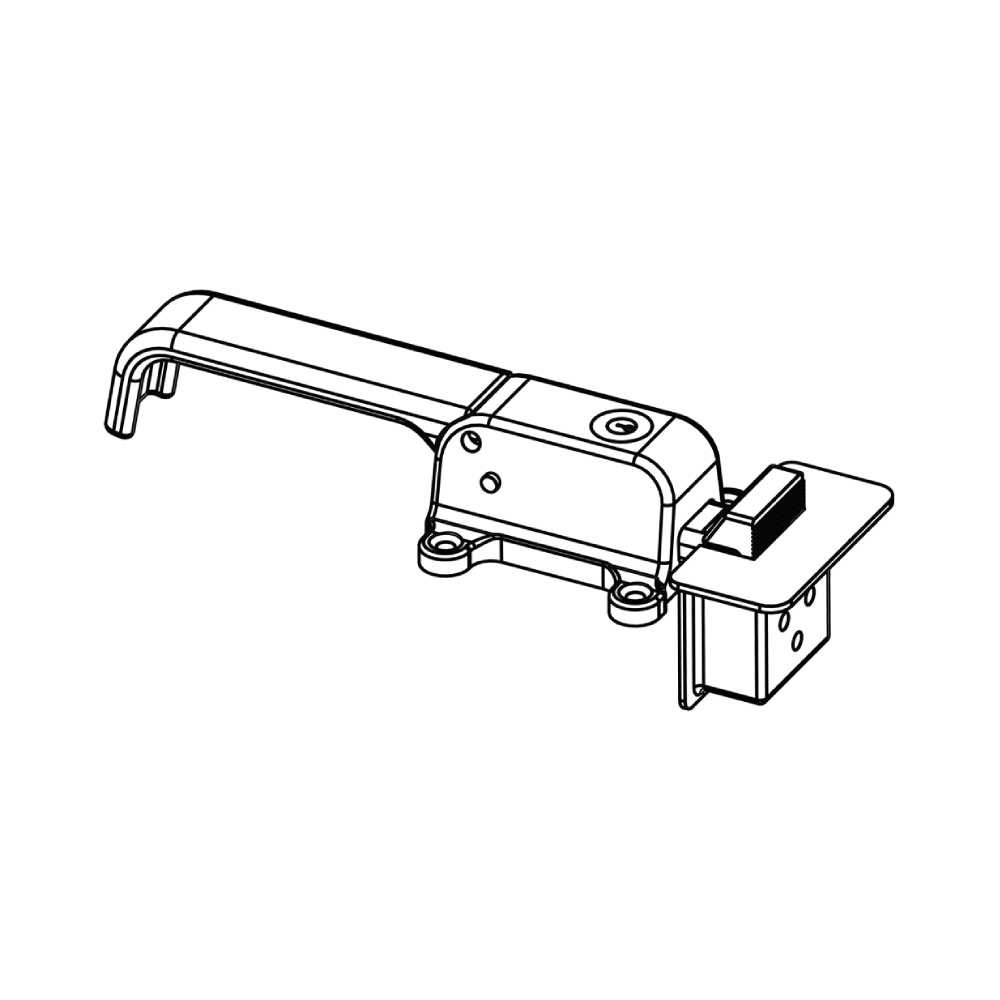






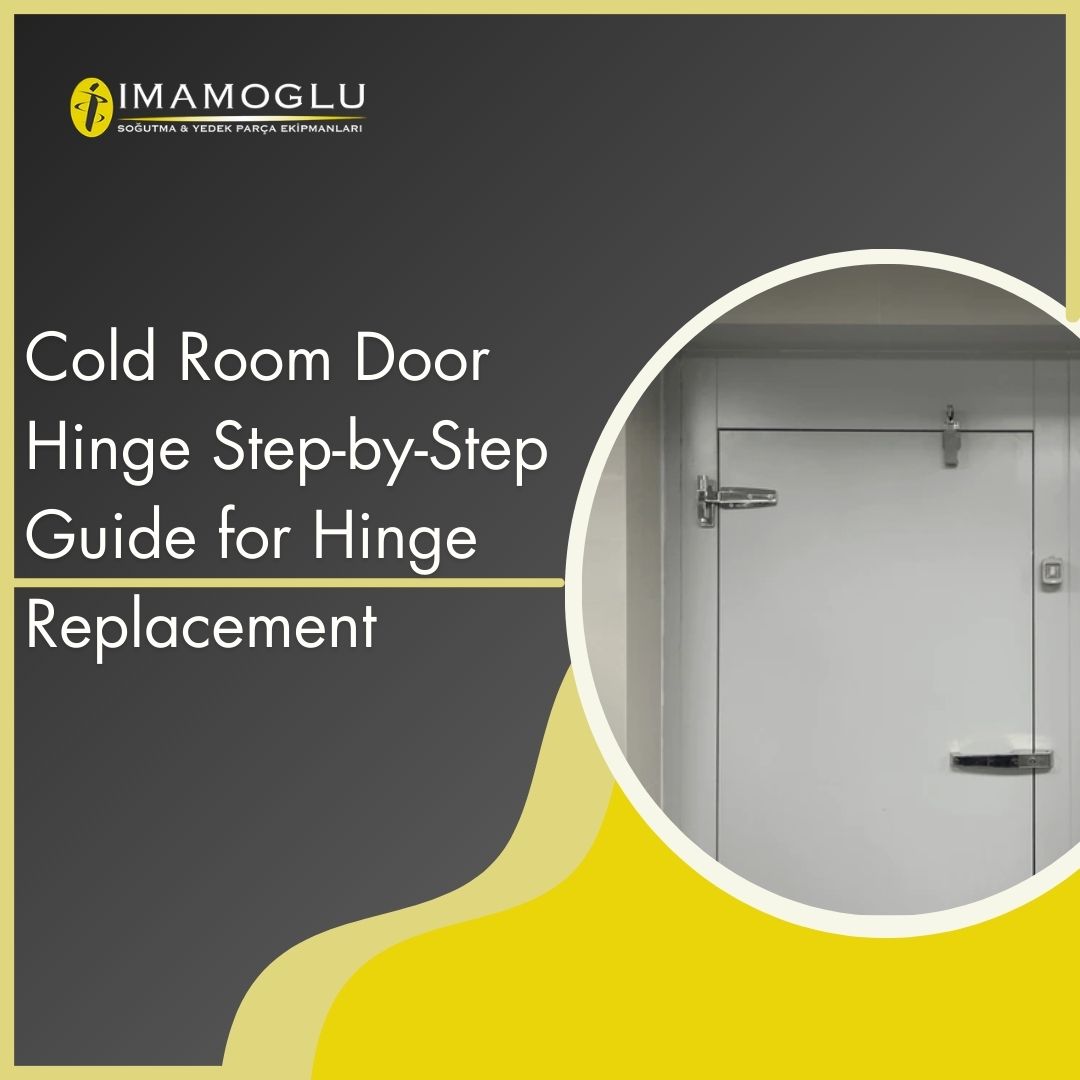
Cold Room Door Hinge Step by Step Guide for Hinge Replacement
Table of Contents
- Step-by-Step Cold Room Door Hinge Replacement Guide
- How to Replace Hinges to Reduce Energy Loss
- Steps for Efficient Cold Room Door Hinge Repair
- Prevent Cooling Loss with Proper Hinge Installation
- Compare Hinge Types for Optimal Door Seal Performance
- Extend Door Life with Correct Hinge Replacement
- Minimize Downtime with Fast Hinge Repair Steps
- Improve Energy Efficiency with New Door Hinges
Step-by-Step Cold Room Door Hinge Replacement Guide
A systematic approach to cold room door hinge replacement is critical for maintaining thermal integrity and operational efficiency. This cold room door hinge replacement guide outlines the precise industrial door hinge repair steps necessary to ensure proper door alignment and seal contact. Correct execution of these procedures is essential to prevent cooling loss with hinge replacement and maintain the energy efficiency of the refrigeration system. Following a meticulous process ensures the repair contributes to rather than detracts from overall performance.
The replacement process begins with selecting appropriate replacement components. Specifying durable cold room door hinges constructed from heavy-duty materials like stainless steel or reinforced aluminum ensures longevity under constant use. This selection is a crucial aspect of commercial refrigeration hinge installation that impacts long-term reliability. Quality components from manufacturers like İmamoğlu, known for their İmamoğlu hinge replacement parts, are engineered to withstand low temperatures and frequent cycling without failure.
The installation phase requires precise alignment to maintain seal integrity. Proper hinge mounting ensures the door gasket makes uniform contact with the frame, which is fundamental to energy-efficient door seal maintenance. Even minor misalignment can create gaps that significantly increase energy consumption as the compressor works harder to maintain temperature. Each step must be verified with precision tools to guarantee optimal performance post-installation, directly helping to reduce operational costs with proper hinges.
Ultimately, a correctly executed hinge replacement restores the cold room to peak operating condition. The investment in quality components and careful installation pays dividends through reduced energy waste, extended door system lifespan, and prevented product loss. By adhering to professional installation standards and using components designed for durability, facilities can maintain their refrigeration integrity, ensure operational continuity, and achieve significant long-term savings on maintenance and energy expenditures.
How to Replace Hinges to Reduce Energy Loss
Replacing worn door hinges is a critical maintenance procedure directly impacting a cold room's energy consumption. Faulty hinges cause door misalignment, compromising the gasket seal and allowing continuous cold air escape. Following a precise cold room door hinge replacement guide that details proper industrial door hinge repair steps is essential to restore thermal integrity. This corrective action is the most direct method to prevent cooling loss with hinge replacement and eliminate the associated energy waste.
The energy-saving success of the replacement depends heavily on component quality and installation precision. Selecting durable cold room door hinges designed for heavy-duty use ensures the door remains perfectly aligned under repeated operation. This durability is crucial for maintaining long-term energy-efficient door seal maintenance, as even minor sagging can break the critical seal. The technical execution of commercial refrigeration hinge installation requires verifying door squareness and gasket compression after installation to guarantee optimal performance.
Using proven components like İmamoğlu hinge replacement parts ensures the replacement contributes to sustained efficiency. These engineered solutions are designed to maintain precise alignment, preventing the gradual seal degradation that leads to escalating energy costs. A properly executed hinge replacement directly helps facilities reduce operational costs with proper hinges by eliminating the constant compensatory work of the refrigeration compressor fighting against air infiltration.
Ultimately, treating hinge replacement as an energy conservation measure rather than mere mechanical repair transforms its operational impact. The procedure restores the cold room's first line of defense against heat gain, allowing the refrigeration system to operate efficiently. By prioritizing quality components and precision installation, businesses can achieve immediate energy savings, extend the life of both the door system and refrigeration equipment, and maintain optimal storage conditions without unnecessary energy expenditure.
Steps for Efficient Cold Room Door Hinge Repair
Efficient cold room door hinge repair requires a methodical approach that minimizes downtime while restoring optimal performance. Following a structured sequence of industrial door hinge repair steps ensures the repair is completed quickly without compromising quality. This systematic methodology, as outlined in a comprehensive cold room door hinge replacement guide, is essential to prevent cooling loss with hinge replacement and maintain temperature integrity during the maintenance window.
The efficiency begins with preparation and component selection. Having the correct durable cold room door hinges on hand before starting prevents delays and ensures compatibility. This preparatory step is crucial for a smooth commercial refrigeration hinge installation process. Using proven components such as İmamoğlu hinge replacement parts guarantees that the new hinges will provide long-lasting service without immediate follow-up repairs, contributing to overall maintenance efficiency.
The repair process itself must prioritize precision alignment to maintain seal effectiveness. Each step should verify door position and gasket contact to ensure the repair supports energy-efficient door seal maintenance. Proper alignment prevents the door from sagging under its own weight, which would necessitate repeated adjustments. This attention to detail during installation is what enables facilities to truly reduce operational costs with proper hinges by eliminating recurrent maintenance issues and associated energy waste.
Ultimately, an efficient hinge repair process demonstrates that speed and quality are not mutually exclusive when proper procedures are followed. The combination of prepared planning, quality components, and precise execution results in a repair that restores full functionality quickly and reliably. By mastering these efficient repair techniques, maintenance teams can minimize cold room downtime, preserve energy efficiency, and ensure the door system operates optimally for extended periods, delivering significant operational and financial benefits.
Prevent Cooling Loss with Proper Hinge Installation
Proper hinge installation serves as the primary defense against cooling loss in industrial refrigeration environments. Even minor installation errors can create gaps that compromise the door seal, leading to significant energy waste as the system works to compensate for infiltration. Following a detailed cold room door hinge replacement guide that emphasizes precise industrial door hinge repair steps is essential to prevent cooling loss with hinge replacement and maintain the thermal efficiency of the cold room.
The installation quality begins with component selection and preparation. Choosing durable cold room door hinges designed for heavy-duty applications ensures they can maintain alignment under constant use. This durability is fundamental to successful commercial refrigeration hinge installation and long-term performance. High-quality components from manufacturers like İmamoğlu, specifically their İmamoğlu hinge replacement parts, are engineered to withstand operational stresses while maintaining precise door positioning.
The critical phase involves verifying alignment and seal compression post-installation. Proper installation ensures the door gasket makes uniform contact around the entire frame, which is the cornerstone of energy-efficient door seal maintenance. Using alignment tools to check door squareness and gasket compression tests to verify seal integrity are essential steps that directly impact energy consumption. This meticulous approach to installation enables facilities to reduce operational costs with proper hinges by eliminating the energy penalty of poor door sealing.
Ultimately, treating hinge installation as a precision operation rather than a simple mechanical task delivers substantial operational benefits. The correct installation prevents the gradual energy waste that occurs with improperly aligned doors, protecting both the refrigeration system from unnecessary strain and the facility from inflated energy bills. By prioritizing installation precision and using components designed for durability, businesses can maintain optimal cold room efficiency, extend equipment lifespan, and achieve significant long-term energy savings.
Compare Hinge Types for Optimal Door Seal Performance
Selecting the appropriate hinge type is critical for maintaining door seal integrity and preventing energy waste in cold room operations. The hinge's design directly influences how the door interacts with the gasket, making comparative analysis essential for optimal performance. This evaluation should be part of any comprehensive cold room door hinge replacement guide to ensure proper industrial door hinge repair steps yield long-term benefits. The right hinge selection is fundamental to prevent cooling loss with hinge replacement and maintain thermal efficiency.
Standard butt hinges versus continuous piano hinges present significant performance differences. Continuous hinges distribute weight evenly along the entire door height, preventing sagging that commonly occurs with multiple point-loaded butt hinges. This uniform support is crucial for maintaining consistent gasket compression, a key factor in energy-efficient door seal maintenance. For heavy industrial doors, heavy-duty durable cold room door hinges with reinforced construction and adjustable features provide the precision needed for optimal seal performance.
The installation implications vary significantly between hinge types, affecting the overall success of commercial refrigeration hinge installation. Continuous hinges require precise mounting but offer superior alignment stability over time, while adjustable butt hinges allow for field corrections but may require more frequent maintenance. High-quality options like İmamoğlu hinge replacement parts are engineered with these performance characteristics in mind, ensuring the hinge type selected contributes to rather than compromises door seal integrity.
Ultimately, the hinge comparison demonstrates that the optimal choice depends on door weight, frequency of use, and precision requirements. Investing in the correct hinge type for the specific application ensures the door maintains perfect alignment, preserving the seal and directly helping facilities reduce operational costs with proper hinges. By selecting hinges based on technical performance rather than initial cost, businesses can achieve superior energy efficiency, reduced maintenance, and extended door system lifespan.
Extend Door Life with Correct Hinge Replacement
Correct hinge replacement represents a strategic investment in extending the operational lifespan of entire cold room door systems. Worn or damaged hinges cause misalignment that places uneven stress on door panels, frames, and locking mechanisms, accelerating wear across all components. Following a precise cold room door hinge replacement guide that outlines proper industrial door hinge repair steps ensures the door operates as designed. This proactive maintenance directly helps prevent cooling loss with hinge replacement while protecting the substantial investment in the door assembly.
The longevity extension begins with selecting replacement components engineered for durability. Choosing durable cold room door hinges constructed from corrosion-resistant materials with robust load-bearing capacity ensures they can withstand years of frequent operation. This component quality is fundamental to a successful commercial refrigeration hinge installation that adds years to the door's service life. High-performance options like İmamoğlu hinge replacement parts are specifically designed to outlast standard components, reducing the frequency of future replacements.
Proper installation technique is equally critical for extending door life. Precise alignment during energy-efficient door seal maintenance ensures the door operates without binding or excessive force, preventing premature wear on hinges, handles, and the door itself. Correctly installed hinges distribute the door's weight evenly, eliminating stress points that lead to metal fatigue and failure. This attention to installation detail enables facilities to truly reduce operational costs with proper hinges by extending maintenance intervals and delaying capital replacement.
Ultimately, viewing hinge replacement as a lifespan extension procedure rather than a simple repair transforms its economic impact. The combination of quality components and precision installation preserves the entire door system, protecting the significant investment it represents. By prioritizing correct hinge replacement procedures, businesses can achieve dramatically extended door life, reduced long-term maintenance costs, and sustained operational reliability, ensuring the door continues to perform effectively for its maximum designed service life.
Minimize Downtime with Fast Hinge Repair Steps
Minimizing operational downtime during hinge repairs requires a streamlined approach that balances speed with precision. A failed hinge can compromise door functionality, potentially halting cold room operations and risking product spoilage. Implementing optimized industrial door hinge repair steps as outlined in an efficient cold room door hinge replacement guide ensures rapid restoration of functionality. This expedited process is essential to prevent cooling loss with hinge replacement while minimizing the window of vulnerability for stored products.
The foundation for fast repair lies in preparation and component standardization. Maintaining an inventory of compatible durable cold room door hinges eliminates procurement delays when repairs are urgently needed. This preparedness transforms a potential multi-hour shutdown into a sub-hour procedure. For consistent results, utilizing standardized components like İmamoğlu hinge replacement parts ensures compatibility and reduces installation time, as technicians become familiar with the specific commercial refrigeration hinge installation requirements.
Efficient execution focuses on critical alignment checks rather than exhaustive disassembly. The priority is restoring proper door position to maintain energy-efficient door seal maintenance without unnecessary procedural steps. Using template tools and predetermined bolt patterns can accelerate mounting while ensuring accuracy. This targeted approach allows facilities to reduce operational costs with proper hinges by limiting both direct labor hours and indirect costs from production disruptions.
Ultimately, mastering fast hinge repair steps transforms emergency maintenance into a manageable, predictable process. The ability to execute rapid yet precise repairs protects operational continuity and prevents the cascading costs associated with extended cold room downtime. By developing streamlined procedures, maintaining component inventories, and training personnel in efficient techniques, businesses can ensure hinge issues cause minimal disruption while maintaining the energy efficiency and reliability of their refrigeration operations.
Improve Energy Efficiency with New Door Hinges
Installing new door hinges represents a significant opportunity to improve the energy efficiency of industrial cold rooms by restoring critical seal integrity. Worn hinges cause door misalignment that creates gaps allowing cold air escape, forcing refrigeration systems to work continuously to maintain temperature. Following a proper cold room door hinge replacement guide with precise industrial door hinge repair steps directly addresses this energy loss. This maintenance intervention is the most effective method to prevent cooling loss with hinge replacement and reduce unnecessary energy consumption.
The efficiency improvement begins with selecting hinges engineered for precision and durability. Modern durable cold room door hinges feature adjustable mechanisms and robust construction that maintain perfect door alignment under heavy use. This precision is crucial for successful commercial refrigeration hinge installation that supports long-term energy-efficient door seal maintenance. High-quality components from manufacturers like İmamoğlu, specifically their İmamoğlu hinge replacement parts, are designed to eliminate the minor misalignments that lead to major energy waste.
The energy savings manifest immediately after proper installation. A correctly aligned door ensures the gasket makes uniform contact with the frame, eliminating air infiltration that can account for 10-15 percent of a cold room's energy consumption. This restoration of thermal integrity allows the refrigeration system to operate with normal cycle times rather than continuous operation. The resulting efficiency gain enables facilities to significantly reduce operational costs with proper hinges through lower electricity bills and reduced compressor wear.
Ultimately, hinge replacement should be viewed as an energy conservation measure with immediate returns. The relatively modest investment in new, precision hinges delivers continuous energy savings by restoring the door's primary function as a thermal barrier. By prioritizing hinge maintenance as part of a comprehensive energy efficiency strategy, businesses can achieve substantial operational savings, extend equipment life, and maintain optimal storage conditions without excessive energy expenditure.