




Cold Room Door Buying Guide
Table of Contents
- How to Choose the Right Door Type for Your Use
- Why Dimensions and Frame Fit Matter
- How to Determine Panel Thickness and Insulation
- Why Gasket Quality Is Critical
- Interior Safety and Lock Systems
- Is a Door Heater Necessary?
- Maintenance and Inspection Recommendations
- Common Mistakes When Choosing a Cold Room Door
- How to Compare Technical Specifications
- Conclusion
How to Choose the Right Door Type for Your Use
Choosing a cold room door starts with a clear understanding of how the room will actually be used. Even within the same facility, different rooms can have very different needs. The door requirements of a preparation room inside a production area are not the same as those of an outbound dispatch store. For this reason, it is essential to define first how many people will use the room, how often it will be accessed and which equipment will pass through the door. This information is the most important input for determining both the door type and its technical features.
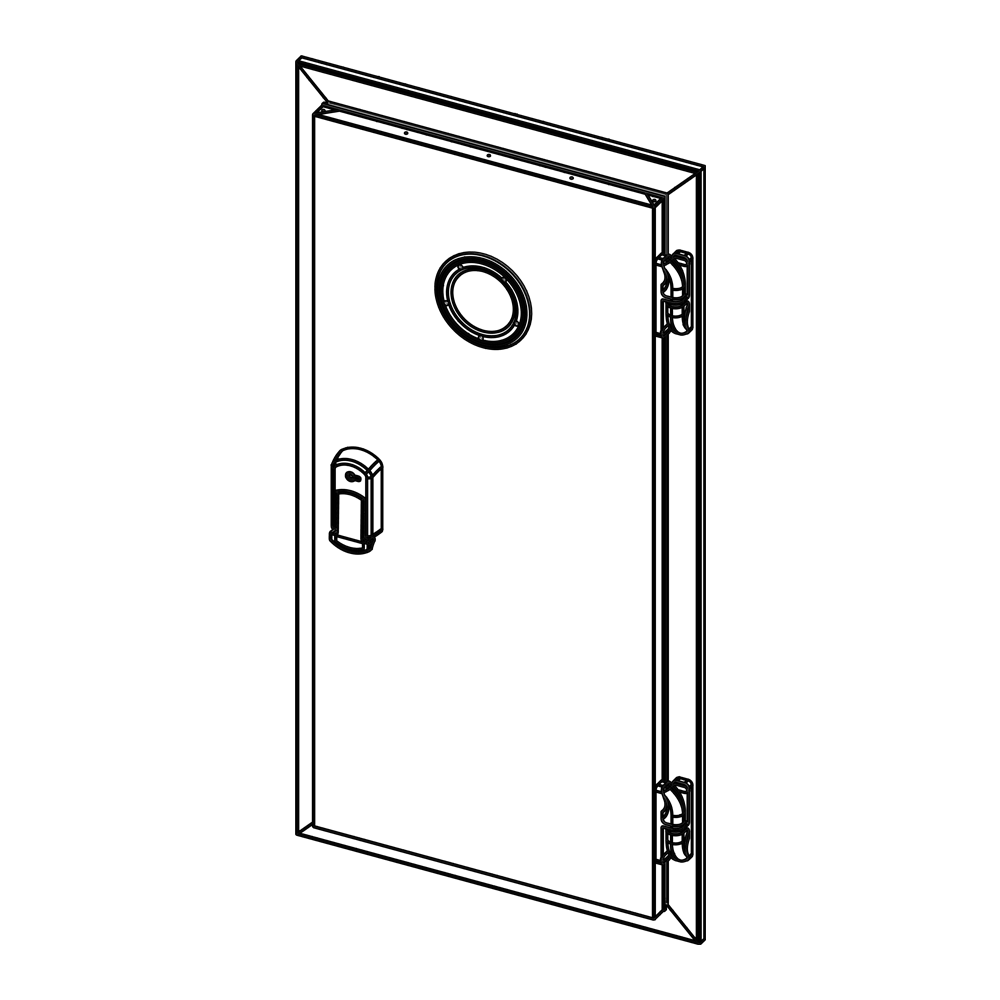
Hinged doors are widely used in rooms where passages are relatively infrequent and there is enough clear space for the door leaf to swing open. Because the door needs free space in front of and behind it when opened, it may not be suitable for narrow corridors. On the other hand, the leaf moves around a fixed axis, which allows this type of door to close smoothly and consistently over many years. A hinged door that has been correctly sized and well installed can provide trouble-free service for a long time.
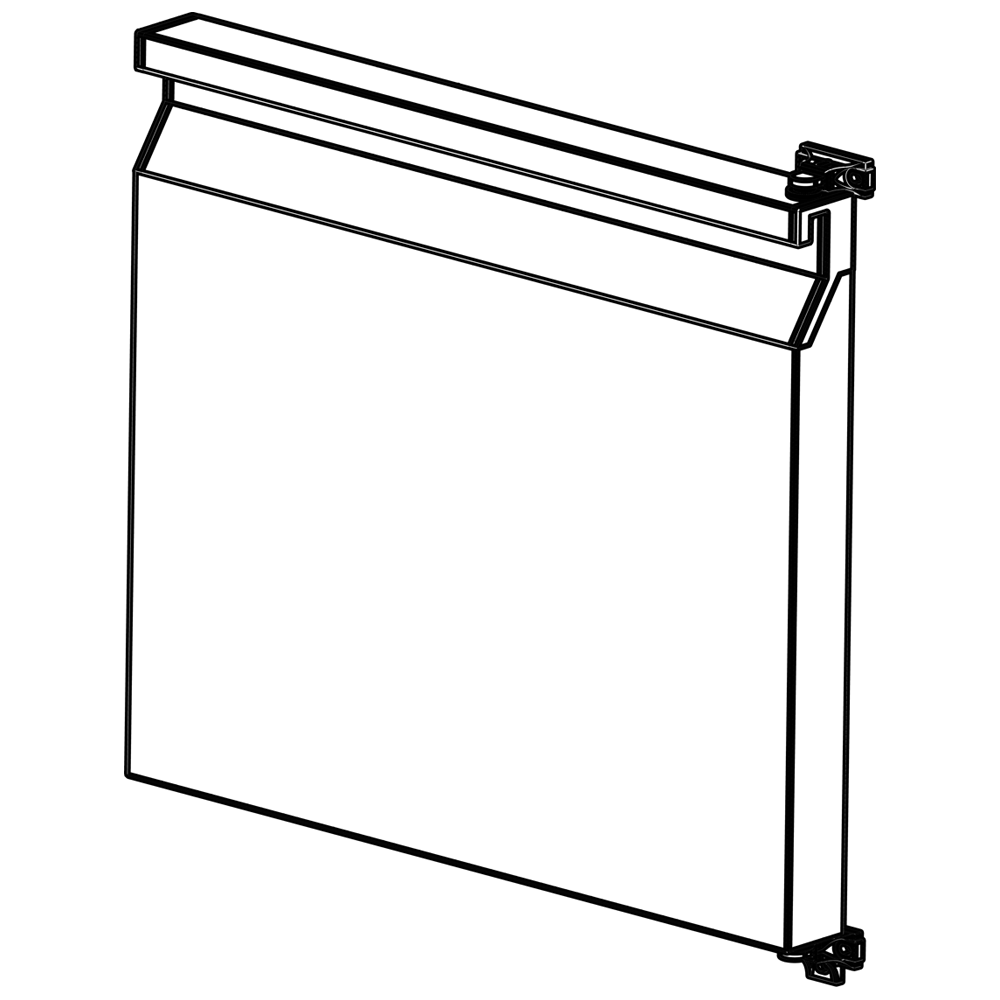
Sliding doors offer a practical solution where space is limited. The door leaf slides sideways when opened, so it does not need a separate swing area in front of the opening. However, if the track system is not cleaned and maintained regularly, movement can become difficult. Dirt, ice or foreign matter collecting on the track increases friction and makes the door harder to move. Businesses that choose a sliding design should therefore inspect the track line on a regular schedule.
The choice between a threshold door and a threshold-free door is also decisive. A door with a threshold has a clearly raised base at the bottom of the frame, which contributes to a reliable seal and forms an additional barrier against heat and moisture entering from the floor. A threshold-free door has no noticeable step between the floor and the door. This design allows pallet trucks, forklifts and wheeled trolleys to pass without any obstacle. When deciding which type suits the room, the flatness of the floor, the volume of traffic and the operating temperature should all be considered together.
Why Dimensions and Frame Fit Matter
The door must match the room opening exactly. Even a deviation of one millimetre can create problems for insulation and sealing. When taking measurements, it is not enough to record only the width and height of the opening. The straightness of the corners, the wall thickness and the floor level should also be noted. An incomplete or incorrect measurement leads to temporary fixes during installation, and these fixes often turn into permanent weaknesses.
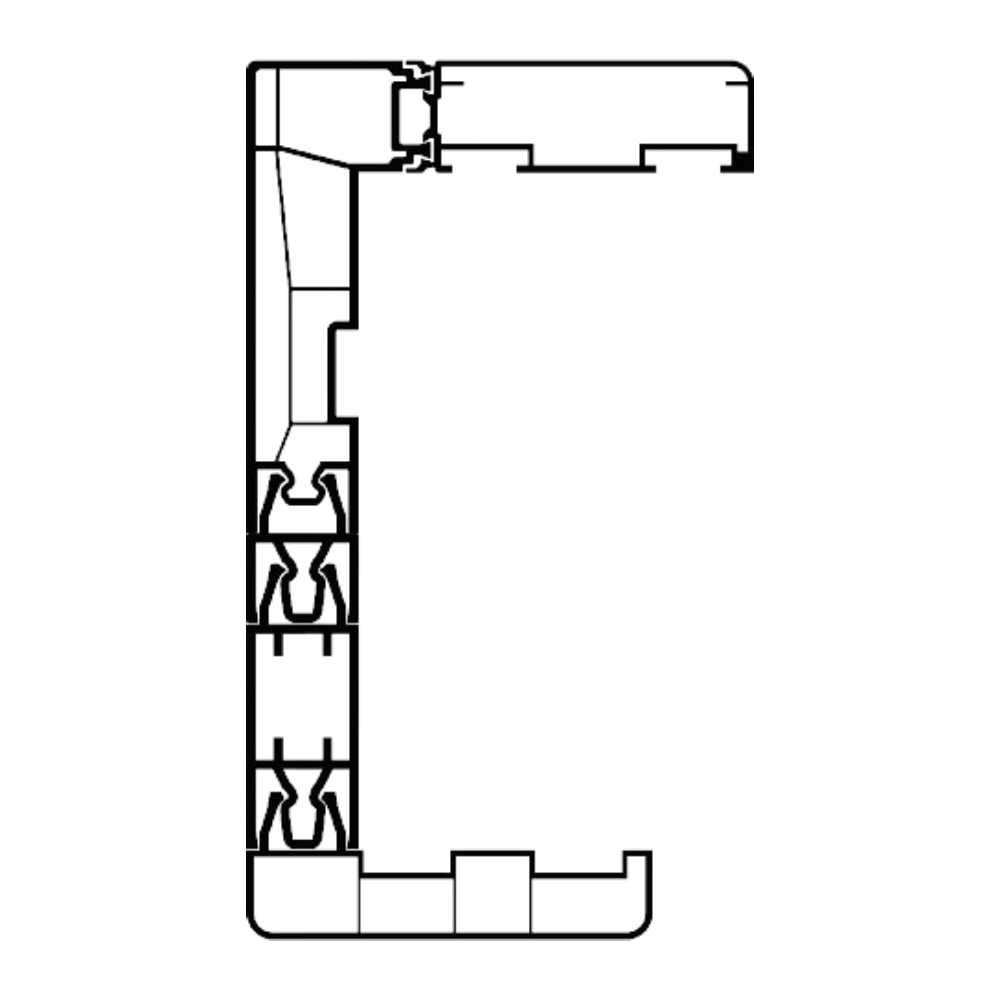
The structure of the wall matters as well. In rooms built with sandwich panels, the door frame should be selected according to the thickness of the panel. If the gaps at the joint between the frame and the panel are not sealed, a thermal bridge forms and the risk of condensation increases. For this reason, the installation team should inspect the condition of the room walls during the site survey and correct the measurements where necessary. When a door is fitted into an existing room, it should also be checked whether the old opening is damaged or out of alignment.
The opening direction, whether left-hand or right-hand, is defined by looking at the door from the outside. An incorrect opening direction makes it harder for staff or vehicles to pass through, especially when loads are being carried, and it may prevent the door from opening fully. The opening direction should be marked on the facility plan before ordering and confirmed together with the site team. This small detail prevents significant delays on installation day.
Reviewing the layout plan before installation greatly reduces the cost of later changes. The working area in front of the door, ventilation ducts, lighting and electrical routes should all be included in the planning. In this way, unexpected obstacles are avoided during installation and the operation of the room is not disrupted without need. The more complete the plan, the faster and smoother the installation will be.
How to Determine Panel Thickness and Insulation
The insulation performance of a cold room door is directly linked to the thickness of the panel and the insulating material inside it. As the operating temperature drops, the role of the door panel in preventing heat transfer becomes more important. As the temperature difference between the inside and outside grows, heat transfer increases, which affects both energy consumption and the load on the refrigeration system. Because the door is one of the most sensitive points in the insulation envelope of the room, it deserves particular attention.
When selecting the insulating material, the operating range of the room, the humidity level and the intensity of use should be considered together. In humid environments, panels whose construction prevents water vapour from entering the insulation layer should be preferred. Otherwise the insulation can gradually lose its performance, and energy losses may go unnoticed. This matters especially in facilities where washing and cleaning are carried out frequently, because moisture and cleaning agents put additional stress on the panel surface.
The quality of the panel surface must also be taken into account. Panels with an even surface, resistance to scratching and easy cleaning are particularly important in areas with strict hygiene requirements, such as food and pharmaceutical storage. The joints between panels and the welding lines must be solid to maintain the integrity of the insulation. Weak joints can allow moisture and dirt to accumulate over time, which gradually reduces both hygiene and thermal performance.
When evaluating technical specifications, it is important to request detailed information in writing from the supplier. Data such as panel thickness, density, fire rating and surface material should be compared with the requirements of the application. In this way, it can be confirmed that the selected door is suitable for the real operating conditions. Written technical documentation also serves as an important reference point for any future warranty or service request.
Why Gasket Quality Is Critical
The gasket is the component that provides the seal between the door and the frame, and it applies pressure when the door closes. Because it is one of the parts that wears out most quickly on a cold room door, its selection and maintenance require separate attention. When the gasket does not work properly, warm air enters the room, condensation forms and ice may gradually build up. This forces the refrigeration system to run for longer periods and increases the electricity bill.
A good quality gasket is made from a material that retains its flexibility at low temperatures. A gasket that becomes stiff or cracks cannot make full contact with the frame, even when the door is closed. The suitability of the material for cold environments should be clearly stated in the manufacturer's technical documents. Asking for this information at the time of purchase is one of the simplest ways to prevent premature wear problems later.
The design of the gasket is equally important. Magnetic gasket systems support the seal by maintaining continuous contact with the frame when the door is closed. In some designs, the gasket can be replaced without removing the door panel. This feature shortens downtime during maintenance and reduces the impact on the cooling capacity of the business. A gasket housing that is easy to clean also adds value from a hygiene point of view.
Regular inspection is the most effective way to extend the life of the gasket. If there are signs of cracking, deformation, tearing or hardening, the gasket should be replaced. Keeping the gasket surface free of dirt, oil and ice buildup is also important for maintaining a continuous seal. Checking that the closing force of the door is evenly distributed around the frame is an essential part of this maintenance.
Interior Safety and Lock Systems
The ability of a person who is accidentally locked inside a cold room to get out is one of the highest safety priorities in these spaces. The door must have an emergency release mechanism on the inside, and this mechanism should work easily from within even when the door is locked from outside. Safety standards and internal company procedures may set specific requirements in this area. Knowing how the release works is basic information that everyone entering the room should have.
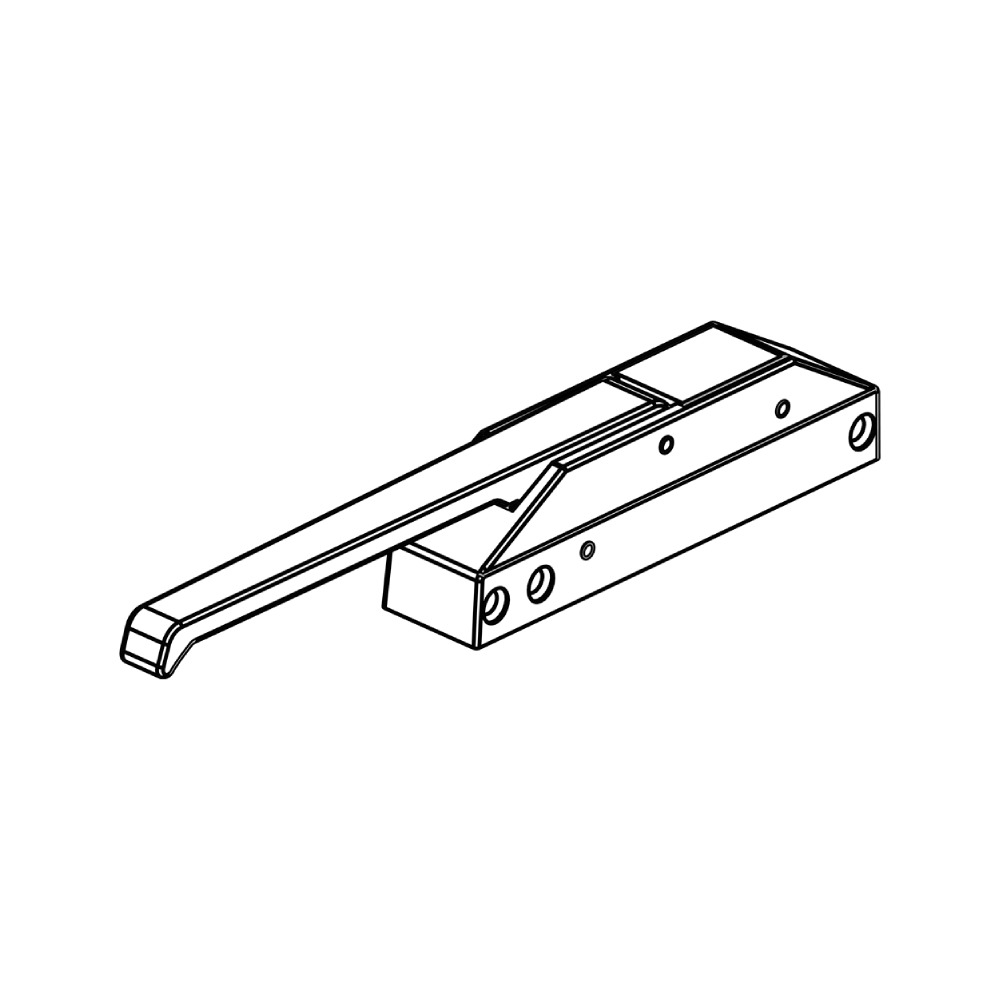
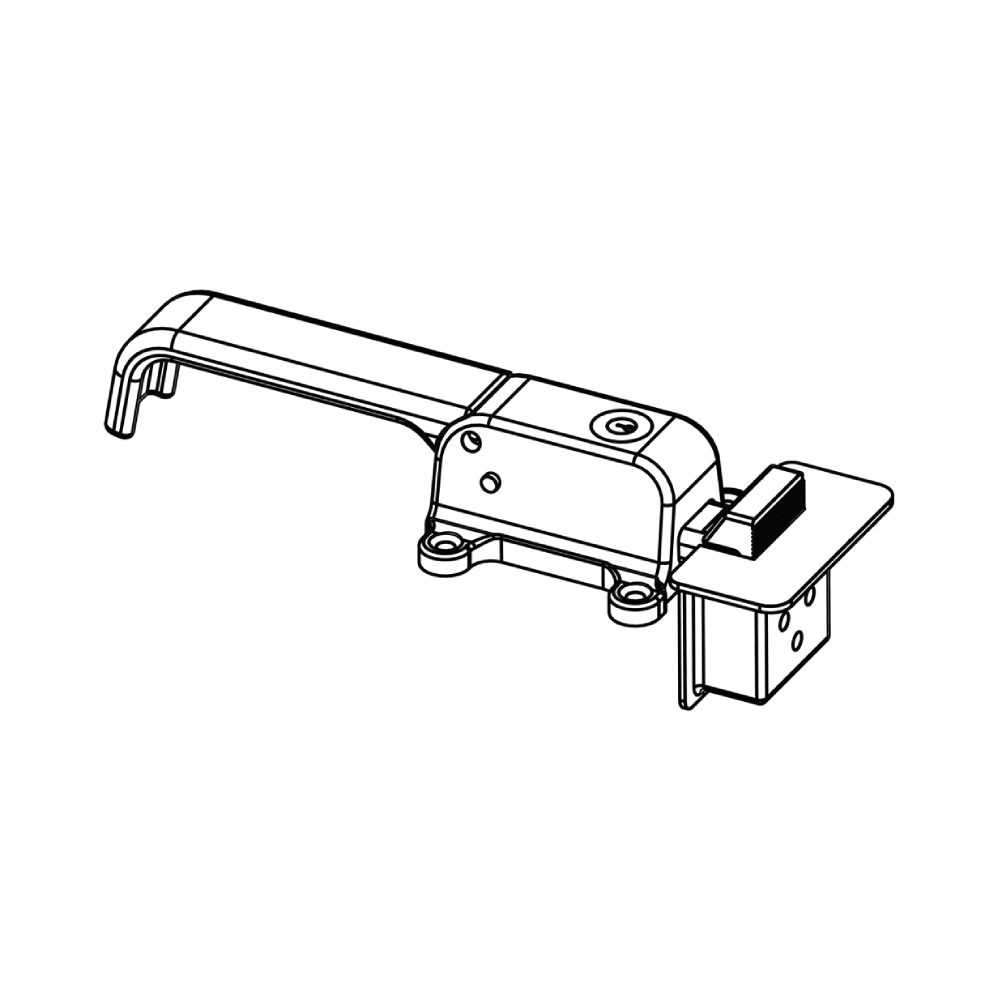
When choosing a lock set, the durability of the handle is important. In cold conditions, metal surfaces can easily become covered with ice, making the handle harder to operate. For this reason, the thickness, material and coating of the handle should be suitable for use in a cold environment. A wide lever design that can be operated comfortably while wearing gloves also supports the safety of workers. An ergonomic handle is essential for quick reaction in an emergency.
Interior lighting is an important additional safety feature. Not being left in darkness makes it easier to reach the door and find the emergency release. Some businesses also use audible or visual warning systems so that a person inside can alert the team outside. The batteries or power sources of these systems should be checked regularly, because a warning device that does not work when needed provides no protection.
The equipment required should be determined by considering the purpose of the room, the number of people who may be inside and local safety regulations together. Periodic testing of the safety equipment and informing staff about how to use the emergency release are also important steps. The value of a safety system is measured by whether it works in the worst moment.

Is a Door Heater Necessary?
Condensation and frost forming on the door frame is a common problem, especially in humid environments. Ice on the frame can prevent the door from closing fully and make it harder to open and close. This situation weakens the seal and also places additional strain on the mechanical components of the door. Over time, freezing around the frame can cause the door to lose its alignment.
The need for a heater varies according to the operating temperature of the room, the humidity of the outside environment and how often the door is used. In doors that operate at low temperatures and are opened frequently, frame heaters provide significant protection. In rooms with higher temperatures and lower usage, however, a heater may not be necessary. Therefore, whether the need actually exists should be assessed based on the current conditions.
Unnecessary heating can increase energy consumption, so the same solution is not suitable for every application. When a heater is controlled by a thermostat or timer, it operates only when it is needed. This approach saves energy and prevents the door frame from being heated without reason. Correct adjustment of the control system is decisive for using the heater efficiently.
When selecting a heater, the electrical connection and cabling must be suited to the door design. The risk of icing should be taken into account in case the heating circuit fails. For this reason, regular inspection of the heating system should be an important part of door maintenance. Electrical installation should be carried out by authorised persons and in line with safety regulations.
Maintenance and Inspection Recommendations
Regular maintenance is essential for a long service life of a cold room door. Periodic inspection of components such as the hinges, the lock set, the gasket and the heater allows faults to be noticed before they grow. Maintenance is a far less costly and less disruptive approach than repairing a door after a failure has already occurred. Planned maintenance is an investment that also protects the production schedule of the business.
Loosening, friction or unusual noise in the hinges may indicate that the door has lost its alignment. In this case, the door may not close fully by itself and the gasket may not seat properly. Checking the hinge bolts periodically and protecting moving parts with suitable lubricant prevents these problems. These checks can be carried out quickly and cost much less than the expense of a major failure.
When preparing a maintenance plan, the daily intensity of use should be taken into account. Doors under heavy traffic should be inspected more frequently. Keeping maintenance records makes it possible to track which part was replaced and when, and which fault keeps recurring. This information supports more accurate spare parts planning in the future and helps identify the root cause of repeated problems.
Planning spare parts requirements in advance is one of the most effective ways to prevent unexpected downtime. Keeping frequently replaced parts such as gaskets, hinges and locks in stock allows a fast response when a fault occurs. Having maintenance carried out by experienced technical teams also supports the safe and correct operation of the door. A door that receives regular maintenance protects both the safety of staff and the products stored inside.
Common Mistakes When Choosing a Cold Room Door
One of the most common mistakes in choosing a cold room door is looking only at the initial purchase price. A low-priced door that has saved on insulation, gasket or hinge quality can soon lead to high energy bills and frequent maintenance costs. The total cost of ownership should include energy consumption, maintenance frequency and spare parts availability alongside the purchase price.
Another mistake is taking measurements carelessly. When the door frame does not match the opening exactly, installation problems arise and temporary solutions become permanent. This leads to weak insulation and misalignment of the door. When the measurement is carried out by an experienced team on site, most of these problems are prevented from the beginning.
Skipping safety equipment is also a serious risk. The absence of an internal emergency release, or a handle that cannot be operated with gloves, can endanger the safety of workers. The usage scenario and local safety requirements must always be considered when choosing equipment. Safety is not an extra feature to be added later; it is a subject that must be addressed from the very beginning of the design.
Finally, failing to consider technical support and spare parts service when choosing a supplier causes problems in the long run. The after-sales service network, technical documentation and availability of spare parts should be an important part of the decision. The support a door will need over its entire life depends on the quality of the supplier selected at the time of purchase.
How to Compare Technical Specifications
When comparing doors from different manufacturers, it is important to read the same headings using the same method. When two products from a catalogue are placed side by side, one may look thicker and the other cheaper, but the real differences usually appear in measurable technical data. Panel thickness, the type of insulating material, the gasket design, the material of the hinge and lock hardware, and the warranty and service conditions form the core topics of any comparison. Requesting every manufacturer's data in the same format makes the comparison much easier.
It is also essential to understand what the terms used in technical documents actually mean. A door described as suitable for cold rooms does not necessarily mean that its operating temperature range is clearly stated. For this reason, the questions put to the supplier should be precise: in which temperature range the door is designed, what the panel density is, at which temperatures the gasket keeps its flexibility, and how many opening and closing cycles the door has been tested for. Receiving these answers in writing prevents disputes later on.
When comparing price offers, looking only at the total amount can be misleading. It is necessary to check whether the offer covers the door frame, mounting materials, transport, commissioning and the warranty period. A price difference between two offers sometimes comes from an item that is missing from one of them. Evaluating the offers on the same scope therefore shows the true cost clearly.
Finally, the supplier's references and after-sales support should also be part of the comparison. Learning about doors used in a similar facility helps to understand how theoretical features perform in practice. How long spare parts will continue to be produced, and which regions the service teams cover, are also important factors that influence a long-term decision.
Conclusion
The right cold room door is achieved when the intended use, dimensional fit, insulation, gasket quality, safety equipment and maintenance plan are considered together. Each of these elements contributes to the continuous and efficient operation of the cold chain. Savings made in one area can lead to costs in another, so the decision should be taken with a holistic view.
To determine the most suitable solution for your own facility, it is helpful to bring together the dimensions of the room, its operating temperature, the intensity of use and the safety requirements. When this information is shared with the technical team, a more accurate recommendation can be prepared. A careful preliminary assessment is one of the most effective ways to prevent problems that may arise in the future.
İmamoğlu Soğutma and Yedek Parça Ekipmanları offers technical information and support on cold room doors and related equipment. To get advice on door selection, installation planning or the maintenance of an existing door, you can contact us and request a quotation suited to your needs.
The right choice does more than meet today's requirements. It forms the basis of a reliable, efficient and safe cooling infrastructure for the years ahead. Once the door has been chosen correctly, it can be used without trouble for many years.