



Choosing the Right Cold Chain Equipment
Table of Contents
- What Is the Cold Chain and Why Does It Matter?
- The Links of the Cold Chain
- Temperature Range and Product Requirements
- Choosing Storage Equipment
- Transport and Distribution Equipment
- Temperature Monitoring and Recording Systems
- Disruption Risks and Redundancy
- Supplier Selection and Life-Cycle Thinking
- Conclusion
What Is the Cold Chain and Why Does It Matter?
The cold chain is the process of keeping temperature-sensitive products within a continuous temperature range, from the point of production to the final consumer. Foods, medicines, chemicals and biological products often have to be maintained within a specific temperature band. When that band is broken, the quality, safety and effectiveness of the product can suffer. The cold chain is therefore not just a cooling step but a management system covering the whole journey of the product.
The importance of the cold chain becomes clearer when the economic and health consequences of product loss are considered. The recall of a spoiled product, damage to reputation and legal liability are the price of a single weak link in the chain. For this reason, the equipment used at every link must operate continuously and reliably.
Cold chain management is also the foundation of quality assurance systems. Temperature records, equipment maintenance plans and incident reports are used to demonstrate during inspections that the product has been protected. Keeping these records complete makes the reliability of the chain concrete.
Choosing the right equipment is the most important condition for the success of the cold chain. Equipment should be selected not only by cooling capacity but also by the properties of the product, transport times, climate conditions and the way it will be used. Within this framework, selection is as much a risk management decision as an engineering one.
The Links of the Cold Chain
The cold chain usually consists of several linked stages. The first link is production and pre-cooling. After processing, the product should be brought quickly to the target temperature. The cooling equipment used at this stage should be proportionate to the product's load and volume. Inadequate pre-cooling creates a burden in later links that is hard to recover.
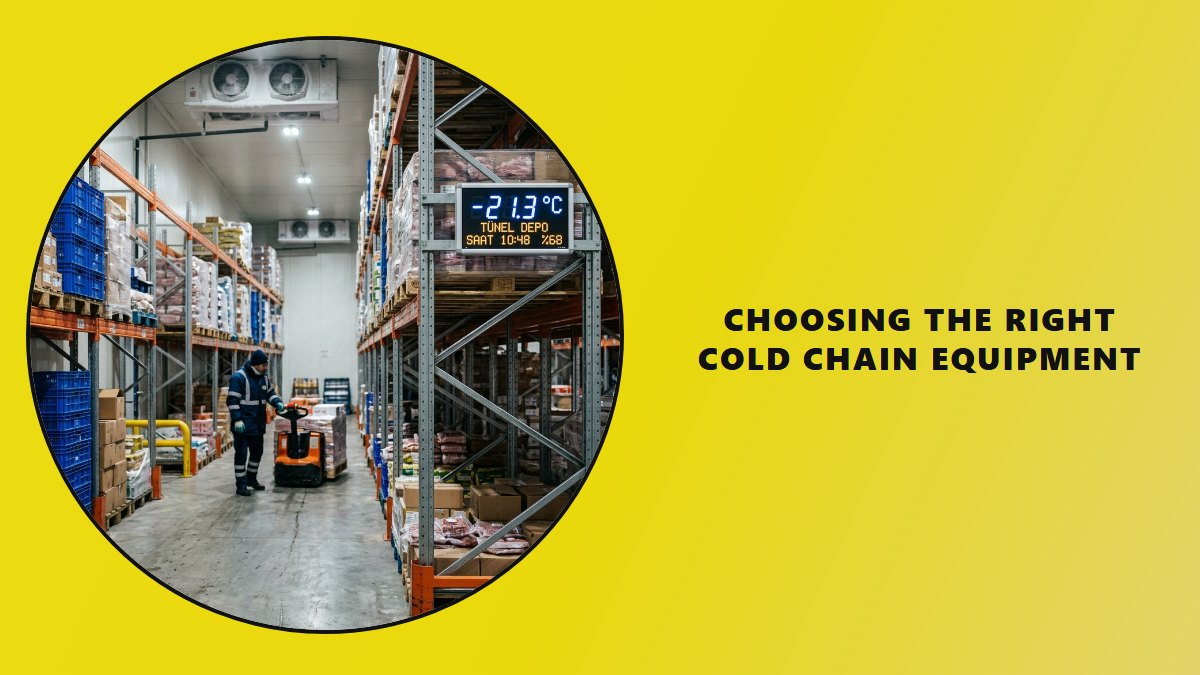
The second link is storage. Cold rooms, freezers and racking systems maintain the temperature for as long as the product waits. At this stage uniform temperature, balanced airflow and properly closing doors are critical. Temperature differences within a store can cause some products to spoil faster than others.
The third link is transport. Refrigerated trucks, containers and aircraft carry the product from the store to the distribution point. Temperature control at this stage depends on the capacity of the in-vehicle equipment and on the loading process. Leaving a door open for long during loading, or holding the product outside in ambient conditions, can break the chain.
The final link is distribution and display. Retail display cases, restaurant refrigerators and domestic fridges must maintain the temperature until the product reaches the end user. Each of these links matters as much as the others, and the whole chain is only as strong as its weakest link.
Temperature Range and Product Requirements
Every product has a temperature range that must be maintained. Some products must be kept only in the cold, while others must be stored frozen. Whether the range is narrow or wide determines the control precision and temperature stability the equipment must deliver. A narrow range requires more precise control and better insulation.
The physical and chemical properties of the product must also be considered. Sensitivity to humidity, sensitivity to light, a tendency to absorb odours and the response to temperature changes all influence equipment selection. For example, some products must be protected with high humidity, while others must be carefully managed against drying out.
The relationship between shelf life and temperature is also important. Each degree of temperature rise can noticeably increase the rate at which some products deteriorate. Temperature control must therefore be sufficient to protect the product's expected shelf life.
When choosing equipment, the product's requirements should be defined in writing. The temperature range, the duration of storage, the volume and the conditions under which the product will be held should all be stated clearly. This definition provides a common reference point for discussions with the equipment supplier.
Choosing Storage Equipment
The choice of storage equipment depends on store volume, product variety, intensity of use and energy efficiency. For large-volume stores, modular cold room systems may be appropriate, while for smaller operations compact refrigeration units may suit better. In both cases the capacity should be planned to meet future growth as well as current needs.
Temperature uniformity within the store is an important design criterion. Unbalanced airflow can cause temperatures to rise in some areas and become excessively cold in others. The racking layout, air distribution ducts and the position of the evaporators should be designed together to achieve uniform temperature.
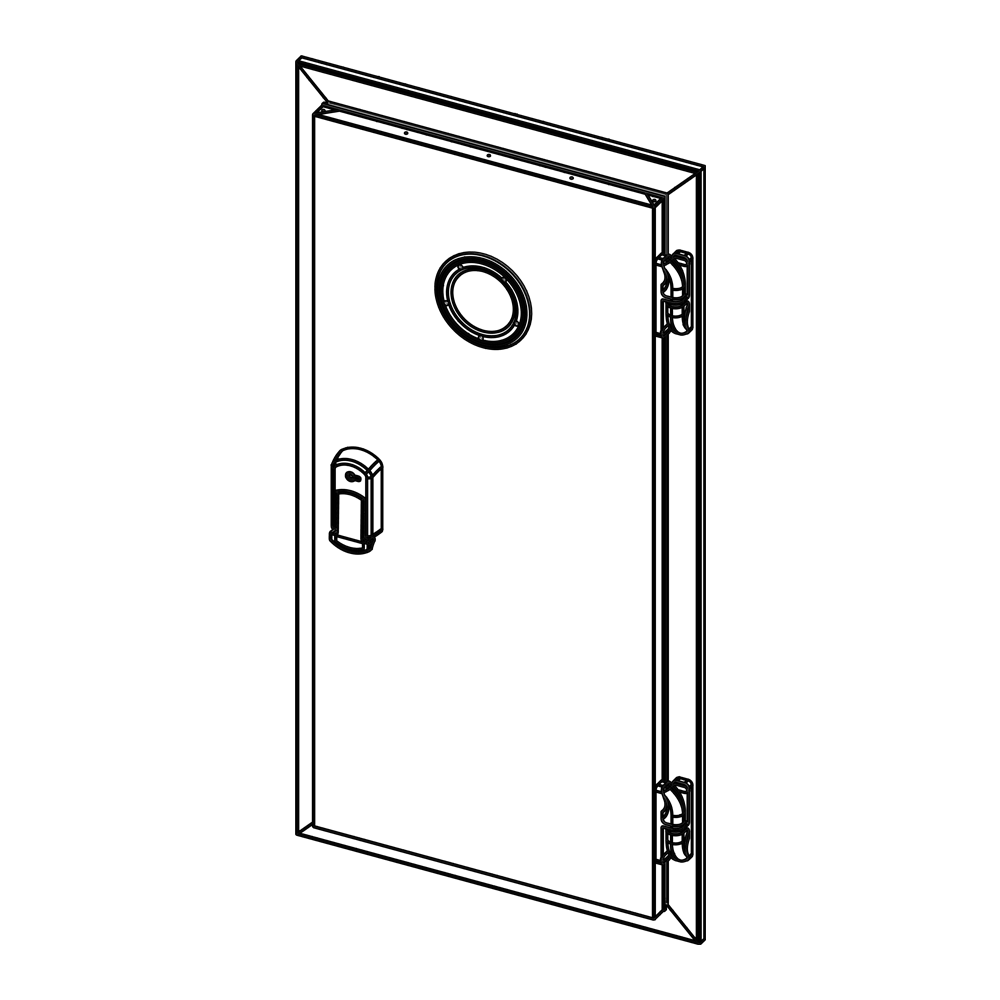
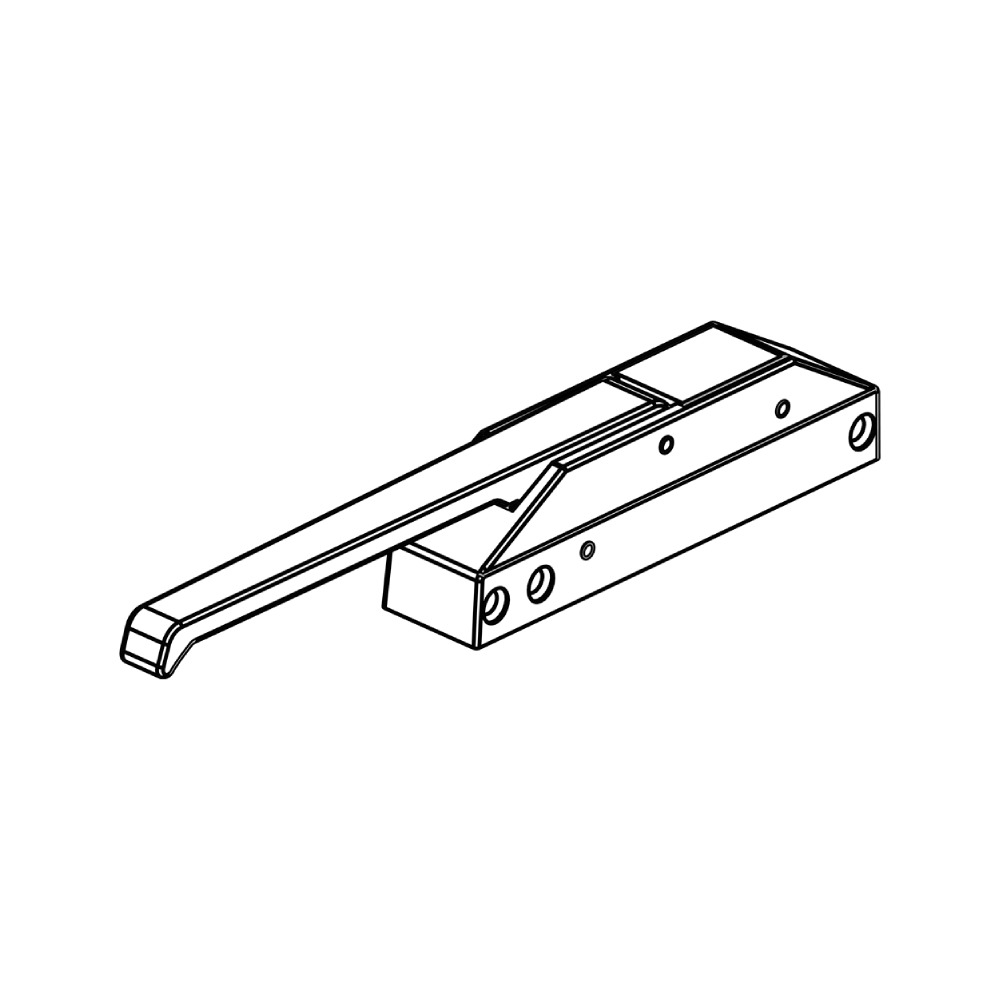
The door and its surroundings determine how well the storage equipment seals. Frequent opening and closing of doors lets warm air in and cold air out. For this reason, door design, sealing elements and solutions such as air curtains should be evaluated as part of the storage equipment as a whole.
The insulation of the storage equipment directly determines the cooling load. A well-insulated store means the cooling system runs less and saves energy. Insulation quality may add a little to the initial cost, but it delivers significant gains over the long term.
Transport and Distribution Equipment
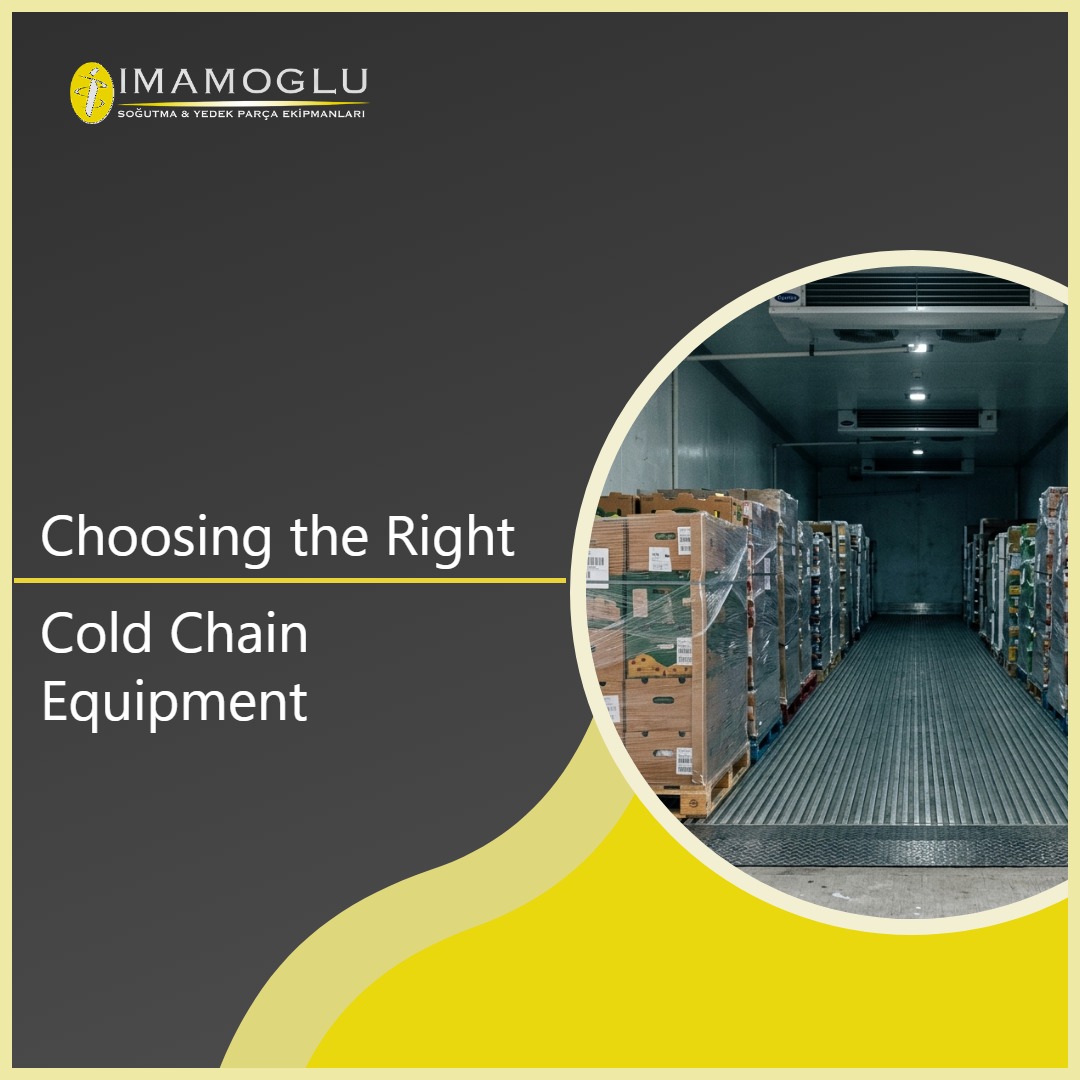
Temperature control during transport is one of the most fragile links in the cold chain. The capacity of refrigerated vehicles, their insulation quality and the performance of the refrigeration unit must match the requirements of the product being carried. On long-distance journeys, systems that limit temperature fluctuation and provide backup power are important.
Containers and crates are another element that protects the product in transit. Insulated containers reduce the effect of outside temperature and protect the product during short holding periods. When choosing these, the transport time and environmental conditions should be considered together.
Loading and unloading moments are when the chain is most stressed. Leaving the product exposed outside, keeping doors open for long periods and an unrefrigerated loading area all cause temperature rise. The design of loading areas and the workflow therefore play an important part in protecting the cold chain.
When planning the distribution network, the vehicle routes, delivery frequency and intermediate storage points should also be considered. Every extra waiting point creates a new risk in the chain. These risks can be reduced at the planning stage.
Temperature Monitoring and Recording Systems
The most powerful way to prove the reliability of the cold chain is continuous temperature monitoring with recording. Modern monitoring systems measure temperature at regular intervals through sensors and transfer the data to a central system. This data allows deviations to be noticed quickly and the necessary intervention to be made.
Alarm systems give a warning when temperature moves outside set limits. These alerts allow operators or managers to act at once. Setting the alarm thresholds correctly and defining who receives each alert improves the effectiveness of the system.
Recording systems store the data used as evidence during inspections. Temperature history, incident reports and maintenance records show how the chain has been managed. It is important for reliability that these records cannot be altered and are easy to access.
Monitoring sensors must also be calibrated regularly. An uncalibrated sensor can produce wrong data and create a misleading sense of security. Periodic checking of the sensors should therefore form part of the monitoring system.
Disruption Risks and Redundancy
One of the biggest risks in the cold chain is the unexpected stoppage of refrigeration equipment. Power cuts, compressor failures, sealing problems and control system errors can all cause temperatures to rise quickly. These risks must be assessed separately at each link of the chain.
Redundancy is one of the most effective measures against these risks. Backup compressors, generators and standby power sources help to protect the product when an interruption occurs. The level of redundancy should be set according to the value of the product and the critical points in the chain.
Emergency plans define in advance what to do when an interruption happens. The plan should state which product is moved first, which area is closed off and who is responsible. Regular drills make sure the plan works in a real situation.
Risk assessment reveals the weak points of the chain. It helps decide which equipment should be backed up first and which controls take priority. Knowing the risks is the first step in managing them.
Supplier Selection and Life-Cycle Thinking
The choice of cold chain equipment supplier directly affects long-term success. The supplier's technical knowledge, product quality, service network, spare parts supply and training support should all be assessed. Equally important is the support the supplier offers over the whole life cycle, not just the initial price.
Life-cycle cost is the total of the purchase, operating, maintenance, energy and renewal costs of the equipment. A cheap piece of equipment with high energy use and frequent faults can turn out more expensive overall. For this reason, the selection should be made on the basis of life-cycle cost.
The supplier's references and experience in the sector should also be considered. Projects completed for similar products, feedback from the field and long-term customer relationships provide important information about the supplier's reliability.
Finally, a written service level agreement with the supplier ensures that expectations are clear. Response times, maintenance intervals, spare parts delivery times and emergency support should all be included in the agreement.
Conclusion
Choosing the right equipment for the cold chain is a critical decision that keeps the product within a continuous temperature range from production to consumer. Every link matters for the quality and safety of the product, and the strength of the chain is only that of its weakest link. The equipment should therefore be selected by considering the product's requirements, every stage of the chain and the risks together.
Temperature monitoring, redundancy, emergency plans and reliable supplier choice all strengthen the chain's resilience. Managing these elements together reduces both product loss and reputational risk.
İmamoğlu Soğutma and Yedek Parça Ekipmanları provides technical information and support on cold chain equipment and spare parts solutions. You can contact us to request a quotation for equipment selection that matches your product's requirements.
The cold chain is a responsibility that is invisible but always felt. With properly selected equipment and sound management, your product reaches the next link without problems.