



Benefits of Threshold-Free Cold Room Doors
Table of Contents
- What Is a Threshold-Free Cold Room Door?
- Easy Passage and Handling Efficiency
- Ergonomic and Workplace Safety Benefits
- Floor Preparation and Installation Requirements
- Heat Loss and Insulation Considerations
- Hygiene and Ease of Cleaning
- Frequency of Use and Traffic Intensity
- Points to Consider with Threshold-Free Doors
- Maintenance and Long-Term Cost
- Conclusion
What Is a Threshold-Free Cold Room Door?
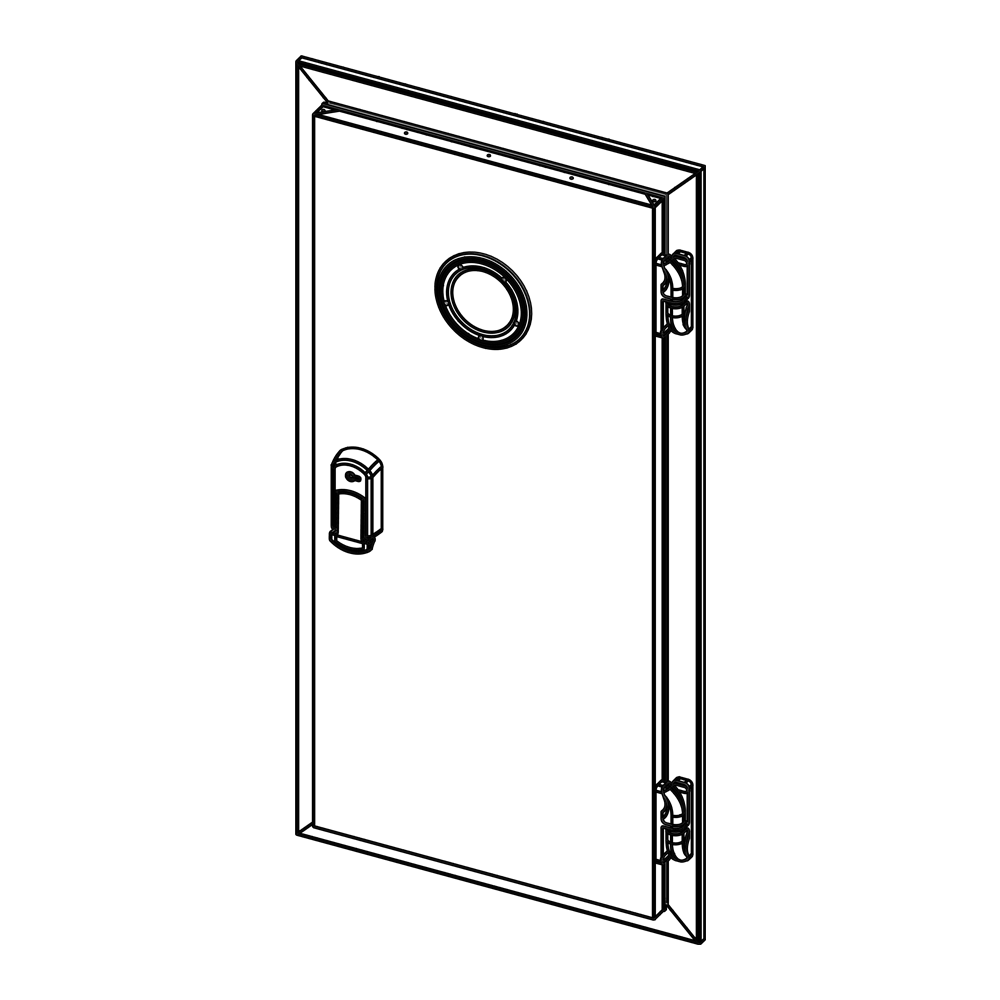
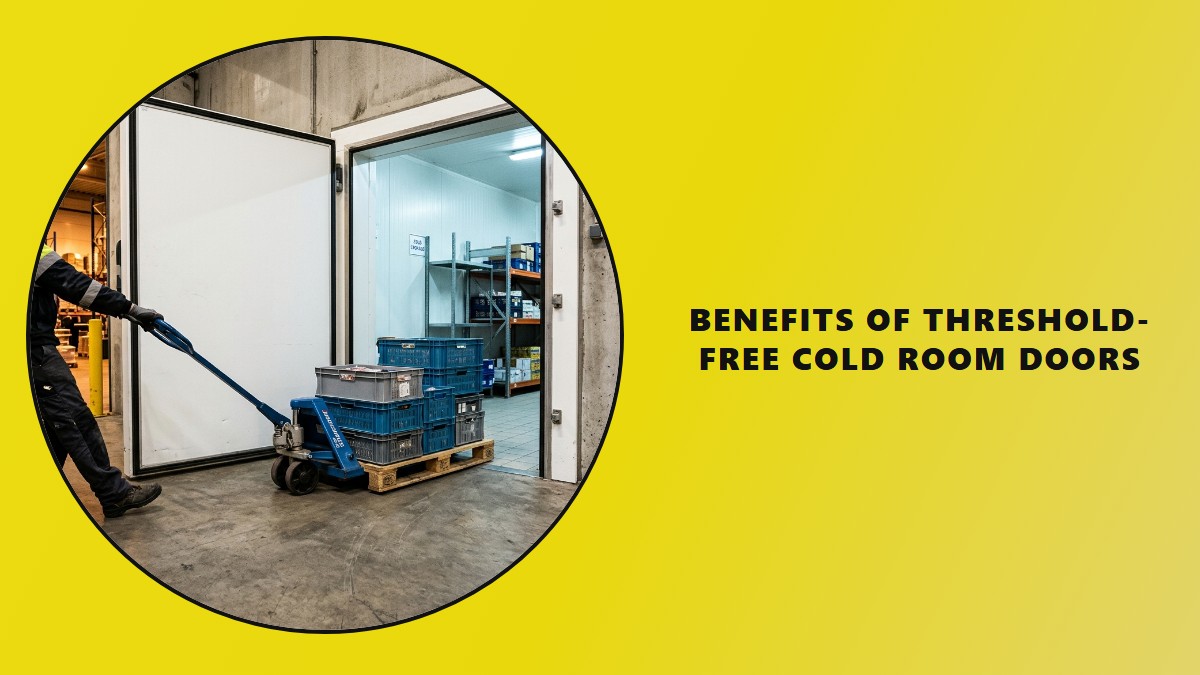
A threshold-free cold room door is a design in which there is no noticeable raised section at the bottom of the door opening. On a traditional door with a threshold, the lower part of the frame is raised, which helps the seal and also forms a barrier against moisture and heat coming from the floor. In a threshold-free model, there is an almost flat transition between the floor and the door. This design makes a real difference to the daily workflow in storage and production facilities.
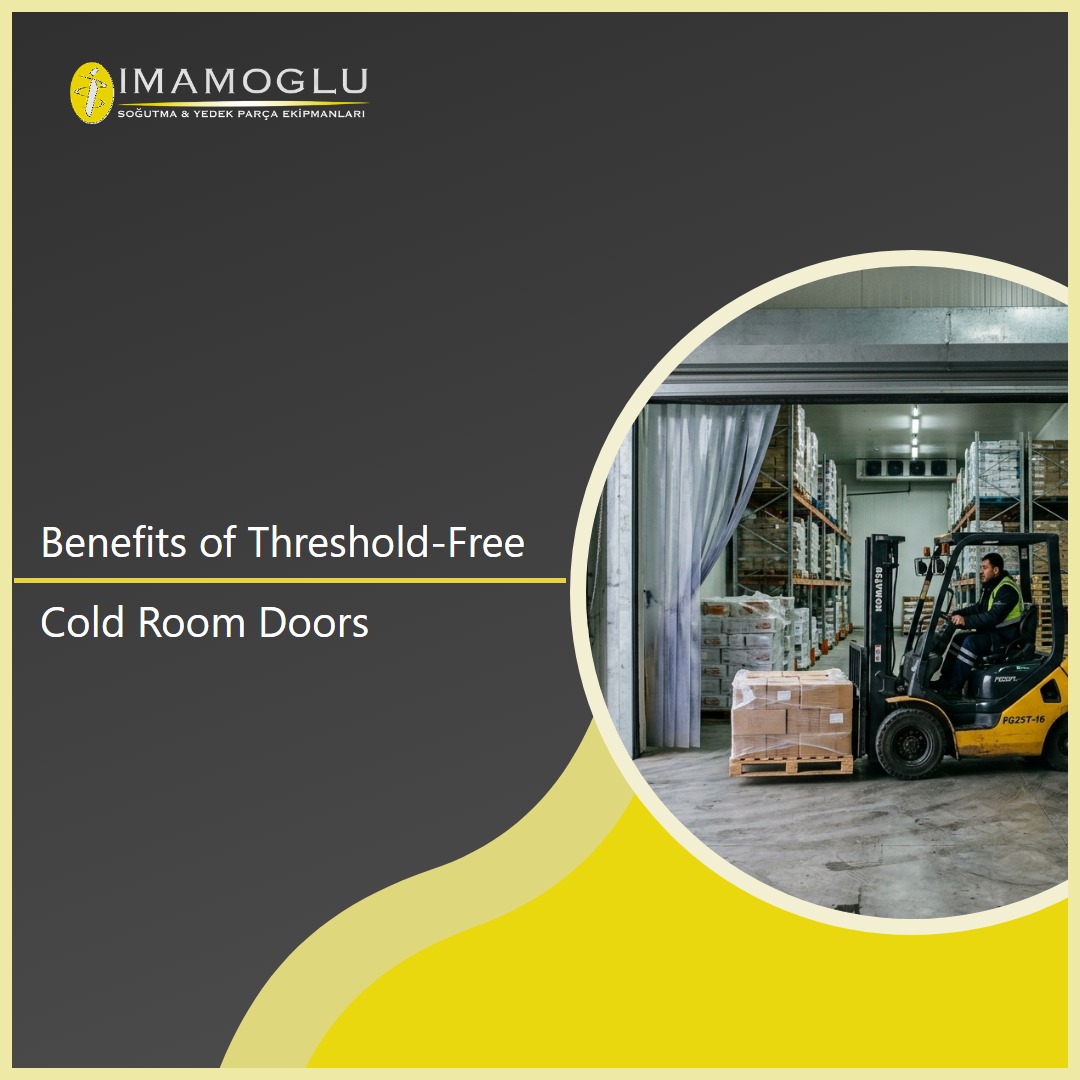
The main feature of a threshold-free door is that it allows load-carrying equipment to pass without obstruction. Pallet loads, pallet trucks, wheeled cages and light forklifts can move through the opening smoothly because there is no step to cross. This saves time, especially on routes that are used constantly, and makes it easier for operators to keep loads stable. The simplicity of the design becomes even more meaningful when it is considered together with the floor arrangement around the door.
The threshold-free concept is not limited to the passage of wheeled equipment. It also offers advantages during maintenance and cleaning. Because there is no clear step on the floor, materials that collect around the door are easier to remove and floors can be washed without interruption. For this reason, the choice of a door should be evaluated not only for ease of passage but also for its effect on the general operation of the facility.
Whether a threshold-free door is the right solution for each application depends on the intended use of the room. Areas with heavy traffic, frequent material handling and a level floor are where threshold-free doors stand out most. In some small rooms where a level floor cannot be guaranteed or where only pedestrians pass through, a door with a threshold may be more suitable. The right decision comes from weighing these conditions together.
Easy Passage and Handling Efficiency
One of the most common sources of lost time in cold storage is vehicles waiting and slowing down at the door. At a door with a threshold, a wheeled vehicle has to cross a small height, even if it is minor. This crossing can cause jolts that affect both the vehicle and the load. With a threshold-free door, this jolt is removed, so loads move more evenly and more quickly.
From an efficiency point of view, the small amounts of time saved at each passage add up to a significant difference by the end of the day. In busy shifts, for teams that pass through the same door hundreds of times, removing the threshold becomes a concrete labour saving. This saving reduces fatigue and helps the workflow continue without interruption.
Threshold-free doors also make it easier for vehicles such as forklifts to manoeuvre in front of the door. When a vehicle needs to change direction while passing through, irregularities and height differences on the floor can distract the driver. A flat passage helps the operator stay focused. This reduces the likelihood of damage to the load, to the door and to the equipment around it.
Even so, the full benefit of easy passage depends on keeping the area in front of and behind the door organised. Pallets, boxes or materials left in front of the door can block the way. To make the most of a threshold-free door, keeping the door area clear should therefore be set as a rule within the working plan.
Ergonomic and Workplace Safety Benefits
The absence of a threshold also matters for reducing physical strain on workers. Staff who move loads by hand or with a hand trolley must lift and lower the load at every crossing if there is a step. This creates additional stress on the back and lower body. A threshold-free door removes part of this repetitive effort and allows workers to move more comfortably.
From the point of view of workplace safety, the risk of tripping and falling is clearly reduced with threshold-free doors. In cold conditions, where footwear and floors can be slippery, even a small step can lead to a serious accident. A level passage removes much of this risk from the start and supports the safety of personnel.
However, safety does not depend on the door design alone. Even if the threshold-free passage itself is safe, the floor around the door must have a non-slip surface, appropriate lighting must be provided and speed limits for load-carrying vehicles must be respected. When these factors are considered together, the safety advantage of a threshold-free door is fully realised.
Work processes are as important as the door design when it comes to ergonomics and safety. A short training session around the door helps staff understand how to use the threshold-free passage and where they should take extra care. In this way, the convenience provided by the door is supported by a conscious working culture.
Floor Preparation and Installation Requirements
The success of a threshold-free door depends largely on how the floor is prepared. Because there is no significant height between the door and the floor, the floor around the door must be even, solid and correctly sloped. If there are pits, cracks or height differences in the floor, the threshold-free passage cannot deliver the expected performance and additional problems may appear.
During installation, the way the seal between the bottom edge of the door and the floor is achieved must be planned carefully. In a threshold-free design, the seal can be provided by a brush, a rubber element or a similar component in contact with the floor. The choice and position of this element matter both for reducing the entry of warm air and for ensuring that wheeled vehicles can still pass without obstruction.
The surface connection between the floor and the door also needs careful design. The door frame and the floor covering should form a compatible transition, and there should be no jamming or breakage at the connection points. For this reason, coordination between floor construction and door installation before fitting reduces the cost of later corrections.
During the site survey, the installation team should measure the floor level, the slope and the drainage condition. Water collecting around a threshold-free door can cause problems on both sides of the door in some cases. The route taken by water and how it is drained should therefore be part of the floor preparation planning.
Heat Loss and Insulation Considerations
One of the most frequently raised questions about threshold-free doors is whether the absence of a threshold increases heat loss. On a door with a threshold, the raised lower section creates an additional barrier against the entry of warm air and moisture. In a threshold-free design, the quality of the sealing element that closes the gap between the floor and the door becomes the decisive factor.
For this reason, when a threshold-free door is selected, the design of the bottom edge sealing system should be examined in detail. The wear condition of brush-type or flexible-rubber elements should be checked regularly, and damaged parts should be replaced in good time. When the sealing element is well maintained, most concerns about heat loss from a threshold-free door can be largely removed.
An evaluation of insulation should consider the whole sealing system of the door, not only the bottom edge. Joints on the hinge side and the lock side, as well as the gasket, can also allow air leakage. The decision for a threshold-free door should therefore be considered together with the overall sealing performance of the door.
The frequency of use also affects heat loss. On a door that is opened and closed very often, sealing elements may wear faster. In such cases, shortening inspection intervals and preparing a maintenance plan suited to the level of use helps to preserve the insulation performance.
Hygiene and Ease of Cleaning
In areas with high hygiene requirements, such as food and pharmaceutical storage, cleaning around the door is extremely important. On doors with a threshold, the upper surface and edges of the threshold create places where material residue, water and dirt can build up. In a threshold-free design, the absence of a raised structure means fewer corners that the cleaning team cannot reach.
Floor washing is also more practical around threshold-free doors. A cleaning machine or mop passes through the opening without meeting an obstacle, and the floor around the door can be cleaned completely. This makes it easier to maintain hygiene standards, especially in facilities where a regular cleaning schedule is applied.
Even so, the door itself must also be cleaned regularly. Dust, ice fragments or organic residues can collect around the sealing element. Removing these deposits regularly with suitable cleaning materials protects both hygiene and the service life of the sealing element.
Decisions about cleaning are also linked to whether the detergents and disinfectants used are compatible with the materials. The materials used on the door surface and in the sealing elements should be able to withstand frequent cleaning. For this reason, when choosing a door, it is important to select materials that suit the cleaning methods to be used.
Frequency of Use and Traffic Intensity
The greatest advantages of a threshold-free door appear at points with heavy traffic. On a passage where loads are carried many times a day, stepping over a threshold each time causes a loss of time and energy. For this reason, threshold-free doors are often preferred for internal and external passages that are used frequently.
On the other hand, heavy traffic also causes the door to wear faster. Sealing elements that touch the floor can wear out more quickly as vehicles pass over them constantly. For doors with high traffic, it is therefore necessary to increase the frequency of maintenance and keep spare sealing elements in stock.
Traffic intensity also affects the closing speed and the robustness requirements of the door. Doors that open and close frequently work under greater load, so their hinges, lock sets and drive mechanisms are stressed more. For this reason, the mechanical components of the door should be chosen with a durability that matches the intensity of use.
The relationship between frequency of use and door selection should be assessed from the beginning of facility planning. To understand whether a threshold-free door suits the volume of passage, the workflow should be observed and the types and frequency of loads should be recorded. This information helps to determine both the type and the technical specification of the door correctly.
Points to Consider with Threshold-Free Doors
Knowing the points that need attention is as important as knowing the advantages of a threshold-free door. The first of these is the collection of water around the door. If the slope of the floor is not suitable, washing water or melted ice can gather in front of the door. This creates a risk of slipping and can also keep the sealing element constantly wet.
Another point is the pressure difference between the inside and outside of the room. If the door is opened and closed often, air movements can concentrate around the door frame. These movements can gradually reduce the effectiveness of the sealing element. The ventilation design should therefore take into account the air movement around the door.
On threshold-free doors, the gap between the bottom edge of the door and the floor should also be checked regularly. This gap can change as the floor settles or as the sealing element wears. When the gap grows, heat loss and air leakage increase, and small foreign objects may get under the door. Regular inspection makes it possible to notice these changes early.
Finally, the space available for manoeuvring load-carrying vehicles should be considered when positioning a threshold-free door. If there is not enough room in front of the door, even a straight passage can become difficult. The door location should therefore be decided by looking at the internal layout and vehicle traffic together.
Maintenance and Long-Term Cost
The long-term cost of a threshold-free door is determined not only by the purchase price but also by its maintenance requirements. Sealing elements, parts in contact with the floor and edge protectors suited to the passage of wheeled vehicles need regular inspection and replacement when necessary. The cost and availability of these parts make up a significant share of the total cost of ownership.
When a maintenance plan is prepared, the frequency of use, environmental conditions and the manufacturer's recommendations should be considered together. Checklists should be prepared so that the condition of the sealing element, the floor connection, any damage to the door edge and the operation of the hinge and lock system are recorded regularly. These records help to identify possible problems at an early stage.
Small neglects in the maintenance of a threshold-free door can turn into large costs over time. For example, a damaged sealing element quickly increases heat loss and makes the refrigeration compressor run for longer. Regular maintenance is therefore also a way of keeping energy consumption under control.
Access to spare parts is also important in the long-term assessment. Being able to obtain sealing elements and door edge components easily allows faults to be corrected quickly. The supplier's spare parts stock and service support are important criteria for meeting the needs that will arise over the life of the door.
Conclusion
A threshold-free cold room door offers important advantages in terms of easy passage, ergonomics, hygiene and workflow efficiency. These advantages become clearly visible especially in areas with heavy traffic, frequent load handling and a floor that can be kept level. Full use of these advantages, however, depends on correct floor preparation, suitable sealing design and regular maintenance.
When choosing a door, the convenience offered by a threshold-free design should be weighed together with heat loss, water collection and sealing. When the structure of the facility, the workflow and the frequency of use are taken into account, the contribution of a threshold-free door becomes clearer.
İmamoğlu Soğutma and Yedek Parça Ekipmanları provides technical information and support on threshold and threshold-free cold room doors. To determine the door type that suits your facility, or to get advice on floor and installation requirements, you can contact us and request a quotation.
A correctly selected and well-maintained threshold-free door can speed up workflow for years, support the safety of workers and help maintain hygiene standards. The important thing is to match the design of the door with the real needs of the facility.