




Things to Consider When Selecting Industrial Kitchen Spare Parts
Table of Contents
- What Information Should Be Collected Before Placing a Spare Parts Order?
- How Is the Compatibility Between the Part and the Equipment Verified?
- What Are the Most Common Causes of Wrong Part Orders?
- Which Material Properties Stand Out for Parts in Hygienic and Humid Environments?
- What Checks Should Be Made After a Part Is Replaced?
- For Which Parts Should Spare Stock Be Kept?
- What Information and Documents Should Be Requested From the Supplier?
- Frequently Asked Questions About Industrial Kitchen Spare Parts
What Information Should Be Collected Before Placing a Spare Parts Order?
The most common mistake when ordering industrial kitchen spare parts is deciding on the part before the equipment information has been collected. Preparing an information list before ordering reduces both the chance of the wrong part arriving and the time lost in an emergency. The list should include the following information:
- Brand and model of the equipment: It determines which appliance the part belongs to.
- Serial number and production year: The same model may have different parts in different production periods.
- Name of the part and its code number, if any: It should be written as it appears in the appliance's user manual or parts list.
- Dimensions: Measurements such as length, width, diameter and mounting spacing should be measured by hand and noted down.
- Operating conditions: The environment the part is exposed to in terms of temperature, humidity and cleaning products.
- Photo of the part: A photo of the old part and of the place where it is installed makes matching easier.
If this information is kept in a single record file, later orders for the same equipment are placed much faster. The information plate on the appliance often shows the brand, model and serial number together. Taking a photo of this plate and keeping it in the record is a simple but useful habit.
The information list is especially useful in businesses where different people place orders for the same equipment. When the kitchen chef, the technical service and the purchasing team use the same record, different information being given for the same part is prevented. The record file can be a simple table and should be updated as the equipment changes.
How Is the Compatibility Between the Part and the Equipment Verified?
Instead of assuming that the part is compatible with the equipment, it should be verified before ordering and on delivery. Compatibility can be verified in a few steps:
- Comparing the code: The code of the old part or of the parts list is compared with the code given by the supplier.
- Comparing the dimensions: The dimensions of the delivered part are compared with the dimensions noted earlier.
- Checking the connection: It is checked whether the screw hole, socket, clip or channel structure is the same as on the old part.
- Checking values on electrical parts: Voltage, power and connection type are compared with the values on the appliance's label.
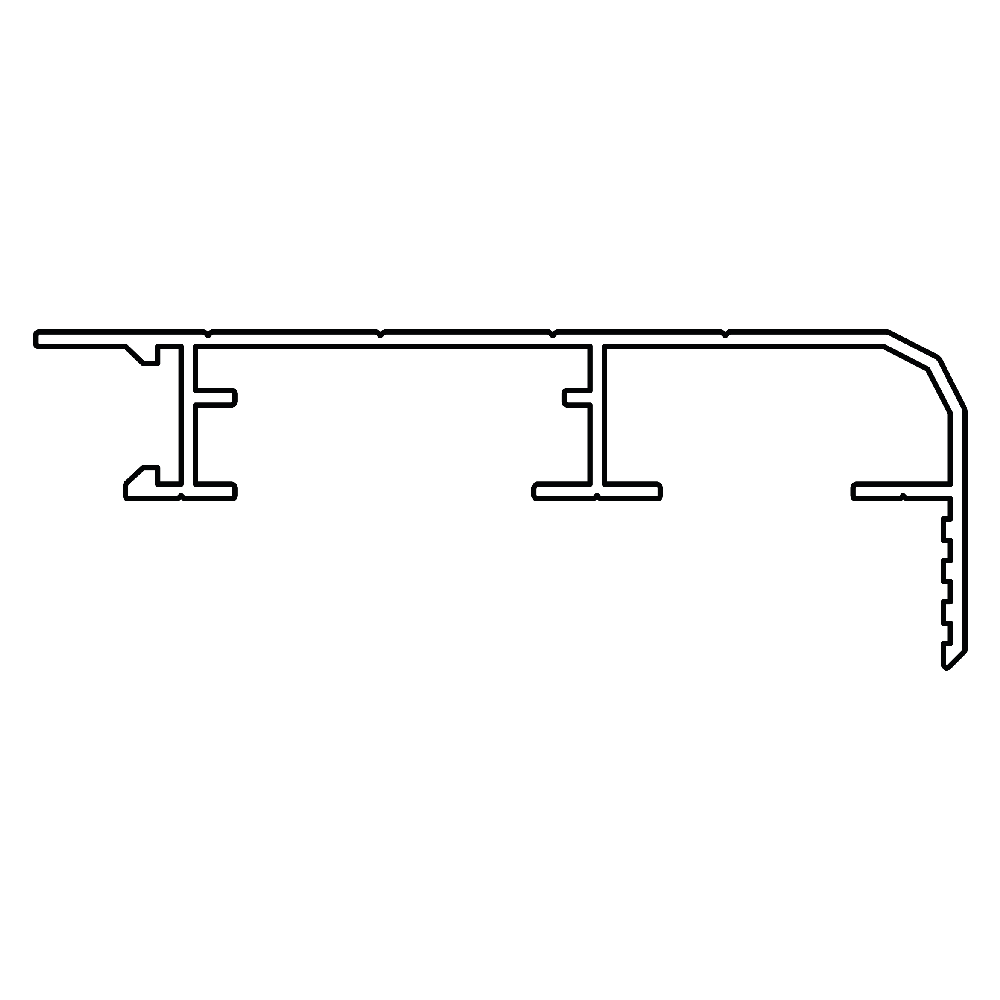
If the old part is at hand, placing the new part next to it and comparing them is the easiest method. If the old part cannot be found, the supplier should be asked for the technical drawing or the dimension table of the part. An incompatible part can disturb the operation of the equipment and increase the risk of failure, so verification should be done before it is installed.
During delivery, it is also necessary to check whether the part code on the package matches the order form. This check, made before the box is opened, makes it easier to return a part that arrives wrong.
What Are the Most Common Causes of Wrong Part Orders?
Wrong part orders mostly come from a few recurring causes. Knowing them helps prevent the mistake from the start:
- Mixing up parts that look similar: Parts that look the same but differ in size or power are often confused.
- Overlooking a model difference: Within the same brand, the parts of different models may not fit one another.
- Giving a dimension by estimate: A dimension estimated by eye can make a part unusable with a difference of a few millimeters.
- Verbal orders: A part name said over the phone can be misunderstood. A written order reduces the mistake.
- Emergency pressure: Making a quick decision at the moment of failure skips the checks.
Most of these causes can be prevented with a previously prepared information list and a written order form. Confirming the content of the order with the supplier in writing also reduces the risk of misunderstanding.

Which Material Properties Stand Out for Parts in Hygienic and Humid Environments?
In an industrial kitchen, some parts come into contact with food, while others are surrounded by steam, humidity and cleaning products. For this reason, the choice of material should be made according to where the part is located:
- Parts that come into contact with food: They should be made of material that is suitable for hygiene and easy to clean. Information on suitability should be requested from the supplier in writing.
- Parts in humid environments: Materials that resist rusting are preferred.
- Parts on frequently cleaned surfaces: It should be checked whether they withstand the cleaning product used.
- Parts exposed to temperature changes: The operating temperature range of the part should be compatible with where it is used.
If the material information is not written on the part, the technical document should be requested from the supplier. Two parts that look the same may be made of different materials, and this difference only shows up in use.
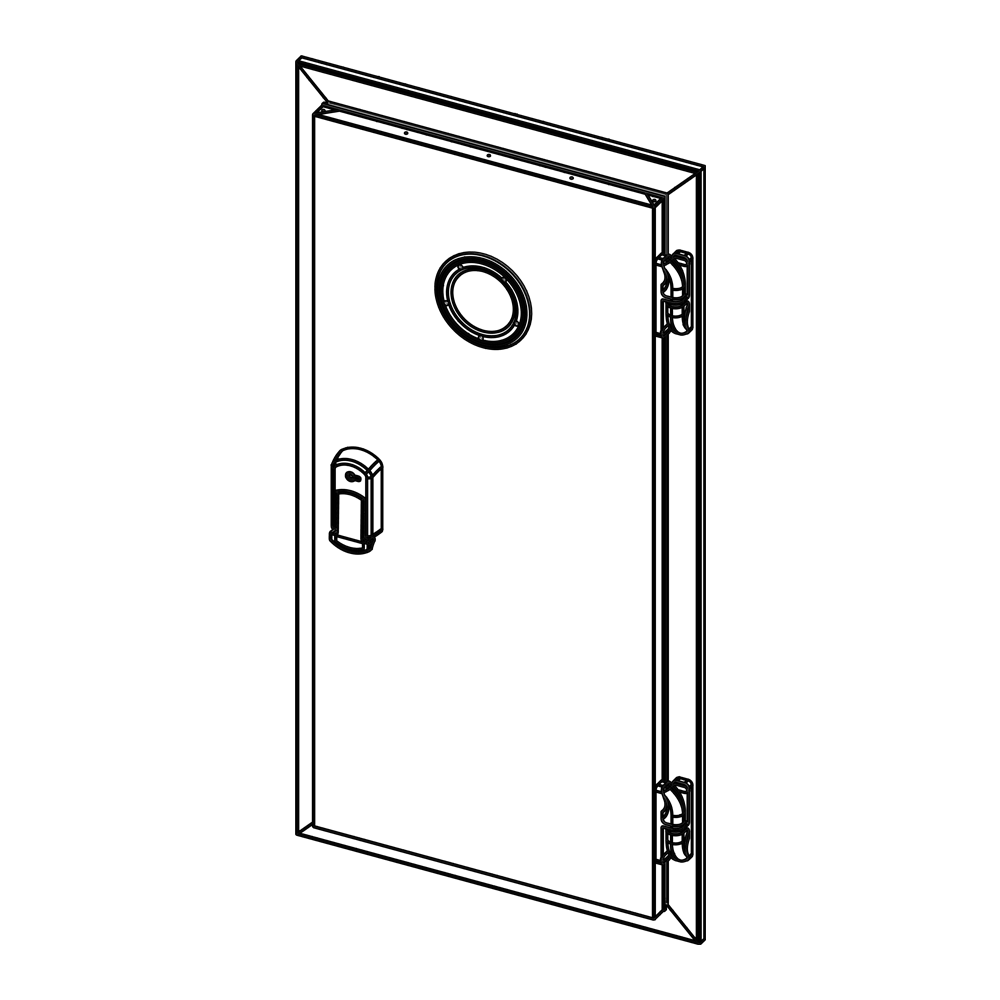
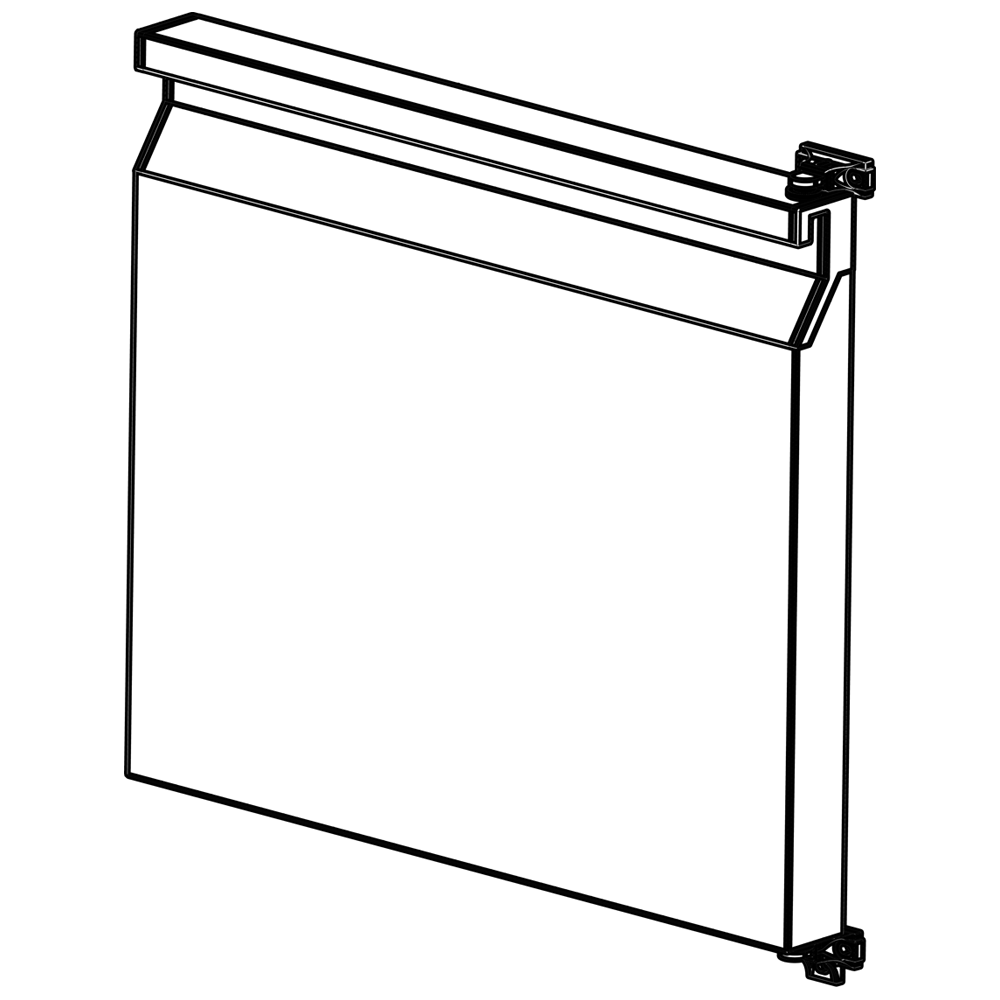
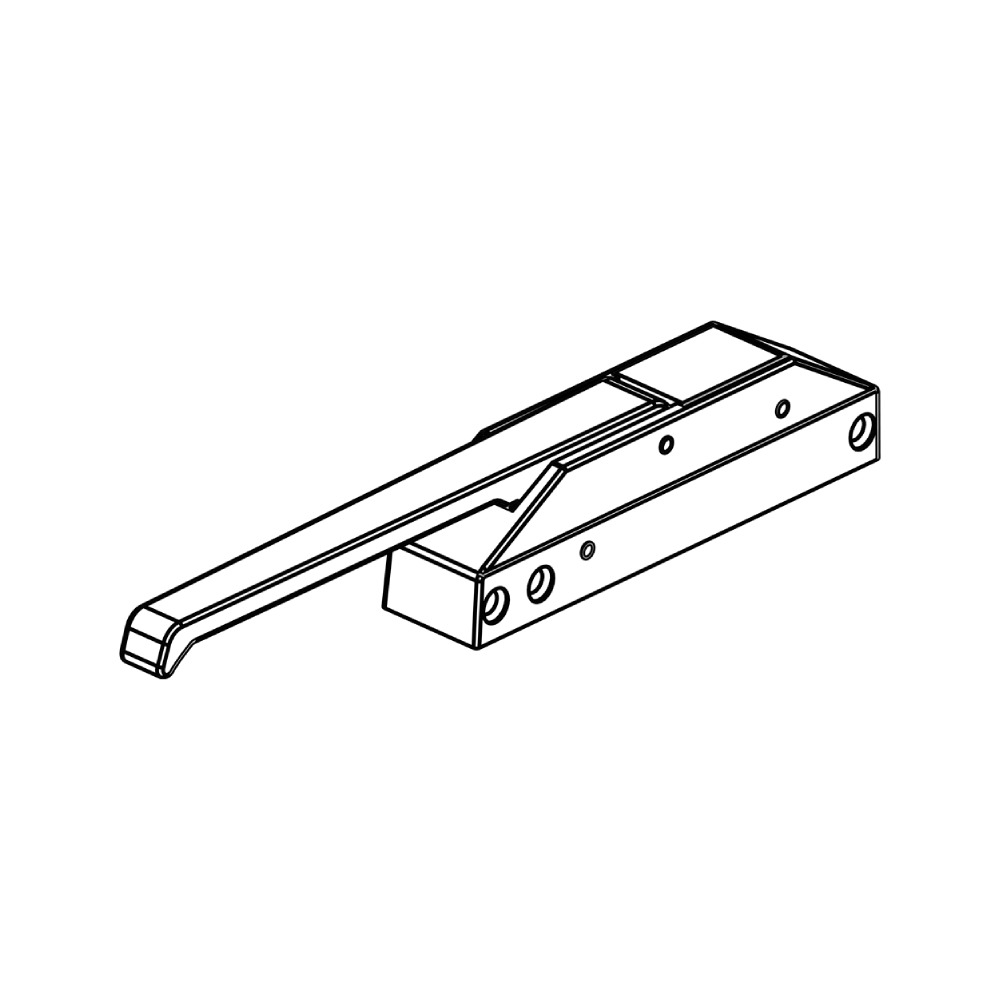
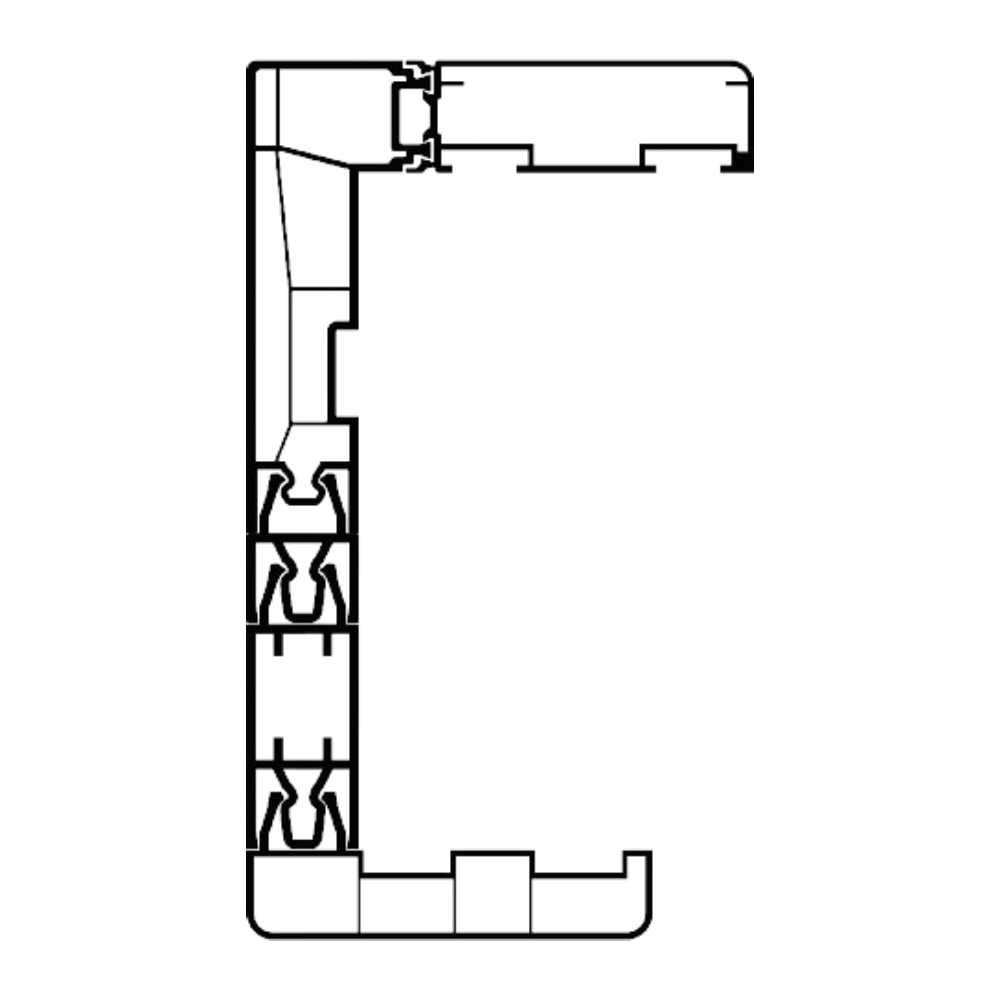
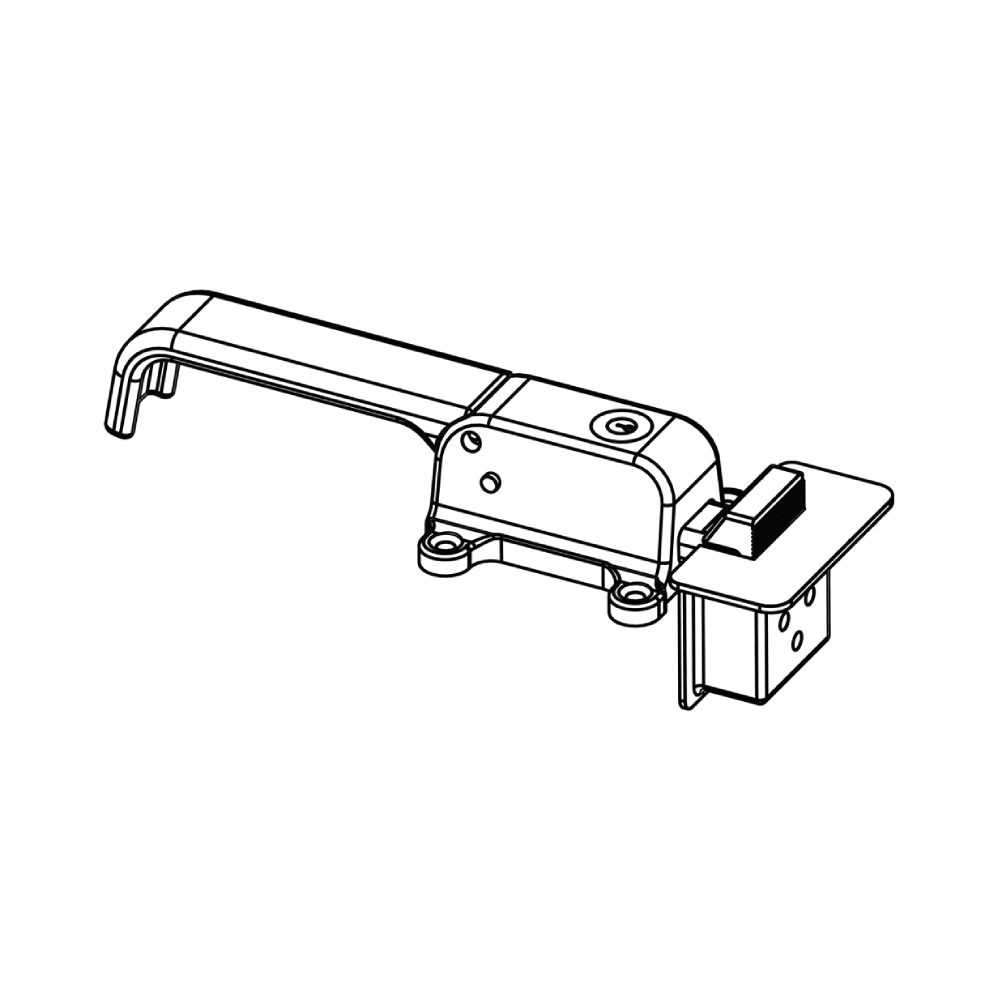
This is clearly seen in cold room doors. Because the door is opened and closed many times a day, parts such as the gasket, hinge and lock are the sections that wear the most. İmamoğlu Soğutma also offers accessories such as the hinge, lock, handle and gasket alongside cold room doors. For the options, see the articles on cold room door hinges and cold room door locks. Which part suits which model should be confirmed with the company.
What Checks Should Be Made After a Part Is Replaced?
Installing the part is only one portion of the job. The checks made after installation allow faulty installation or incompatibility to be noticed early:
- Operation test: The equipment is run and it is observed whether the part does its job.
- Connection check: It is made sure that screws, clamps and connection points are tight.
- Noise and vibration check: If there is an unusual noise or vibration, use should be stopped.
- Sealing check: On parts such as gaskets, it is checked whether there is a leak or a gap.
- Record: The date of the replacement, the code of the part and the person who did the work are written in the maintenance record.
Watching how the part behaves in the first days is also useful. Problems such as heating on electrical parts and loosening on mechanical parts can appear in the first uses. If a problem is noticed, the part should be reviewed together with the supplier.
It is also useful to inspect the old part that comes out during the replacement. Where and how the wear occurred can show the real cause of the failure. If the cause is not found, the same failure may repeat on the new part.
For Which Parts Should Spare Stock Be Kept?
It is not necessary to keep stock for every part. The stock decision should be made according to how much the part affects the kitchen when it fails:
- Parts that wear often: Parts such as gaskets and hinges that wear depending on use.
- Parts whose failure stops work: Parts that are indispensable for the equipment to work.
- Parts with a long supply time: Parts whose supply time is long or that are imported.
- Cheap but critical parts: Parts with a small cost but whose absence causes a major interruption.
The stock list can be prepared by equipment. If the three to five most critical parts are identified for each piece of equipment and spares of them are kept, the interruption time in an emergency is shortened. The parts in stock also need to be stored in suitable conditions, because humidity or heat can shorten the life of some parts.
The stock quantity should also be kept moderate. Too much stock means tied-up capital and ageing parts. A small minimum quantity can be set for each part by looking at how often it is used.
What Information and Documents Should Be Requested From the Supplier?
When judging the quality of a part, it is safer to look at written information than at the brand name. The following can be requested from the supplier:
- Technical document: The dimensions, material and operating values of the part.
- Compatibility information: Which brands and models it can be used with.
- Documents: If there are documents the part is subject to, confirmation of their scope and validity.
- Delivery time: Whether it is in stock and the estimated supply time.
- Replacement and return conditions: How the process will work if a wrong or faulty part arrives.
- Technical support: Whom to contact with a question about installation or compatibility.
What is said about matters such as warranty and standard compliance needs to be put in writing. Because these conditions vary by supplier, it is healthier not to rely on verbal statements. The same approach applies to the decision between original and aftermarket parts: the compatibility, material and support conditions of the part should be compared in writing.
When comparing quotations, one should look not only at the price but also at the completeness of the information above. A supplier that avoids giving information may also cause difficulties with support later.
Frequently Asked Questions About Industrial Kitchen Spare Parts
What information is needed for a spare parts order?
The brand, model and serial number of the equipment, the name and code of the part, its dimensions and, if possible, a photo of the old part are needed.
How can it be known that a part is compatible with the equipment?
The part code and dimensions are compared with the old part or the parts list, and the connection structure is checked. On electrical parts, matching is done with the values on the appliance's label. When in doubt, the supplier's technical team should be consulted.
What should be done if the wrong part arrives?
The supplier should be notified before the part is installed, and the replacement and return conditions should be clarified in writing. For this reason, the order should be placed in writing.
Should an original part or an aftermarket part be preferred?
The decision should be made not only on this distinction but according to the compatibility, material, technical document and support conditions of the part. This information should be compared in writing.
Which parts should be kept in spare stock?
Spares should be kept of parts that wear often, whose failure stops work, that take long to supply, and that are cheap but critical. The list can be prepared by equipment.
What should be checked after replacing a part?
An operation test and connection and sealing checks should be made, and the replacement date and part code should be written in the maintenance record.
What does the life of a part depend on?
It depends on material quality, intensity of use, cleaning method and maintenance routine. Even the most durable part may not reach its expected life if it is not properly maintained.
Which accessories can be supplied for a cold room door?
İmamoğlu Soğutma also offers accessories such as the hinge, lock, handle and gasket alongside cold room doors. Which part suits which model should be confirmed with the company.