







The Role of Cooling Equipment Factories in Industrial Production
Table of Contents
- What Does a Cooling Equipment Factory Mean and Which Side Does This Article Cover?
- Which Link in the Industrial Production Chain Do Factories That Make Cooling Equipment Form?
- How Is the Division of Work Set Up Between a Cooling Equipment Manufacturer and a Cold Room Structural Element Manufacturer?
- For What Purposes Are Cold Areas Used in Production Facilities?
- What Does Cold Room Door and Panel Planning at Factory Scale Draw Attention To?
- Which Information and Documents Should Be Requested When Choosing a Supplier?
- What Should Be Known About Production Continuity and Responsibility?
- Frequently Asked Questions About Cooling Equipment Factories
What Does a Cooling Equipment Factory Mean and Which Side Does This Article Cover?
The expression cooling equipment factory can be used in two different senses, and this confusion often leaves texts unclear. This article separates, from the start, which sense it is talking about:
- Manufacturing factory: The facility that makes cooling equipment such as compressors, condensers, evaporators, cold room panels and doors.
- User facility: The factory that needs cold rooms and cooled areas during its own production. For example, a food, drug or logistics facility.
This article describes the place of factories that make cooling equipment in the industrial production chain and the division of work in that chain. The point of view of the user facility is also covered, within the framework of from whom and how the products will be obtained.
İmamoğlu Soğutma sits on the cold room structural elements side of this chain: it manufactures cold room doors, panels, profiles and accessories. Compressors, condensers, evaporators, industrial process cooling equipment, automation or control systems are not among the brand's products. All the product information in this article should be read only within this framework.
Which Link in the Industrial Production Chain Do Factories That Make Cooling Equipment Form?
Setting up a cold area rests on the products of more than one manufacturer. We can think of the chain simply as follows:
- Cooling system equipment manufacturers: They make the equipment that runs the refrigeration cycle.
- Cold room structural element manufacturers: They make the panels, doors, profiles and accessories that surround the cold area.
- Project and installation teams: They adapt the products to the facility, install them and put them into service.
- User facility: It uses the cold area in its own production, storage and dispatch work.
Each link affects the work of the next link in the chain. For example, the size and quality of the structural elements affect the load on the cooling system. The capacity of the cooling system, in turn, determines the performance expected from the structure. For this reason, no link in the chain determines the result on its own.
The working of this chain depends on the products being compatible with one another and on the division of work being clear from the start. Having it in writing which side takes on which product and which responsibility reduces disputes that may arise later in the project.
How Is the Division of Work Set Up Between a Cooling Equipment Manufacturer and a Cold Room Structural Element Manufacturer?
In a project, the boundary between the two groups of manufacturers should be clear. When setting up the division of work, the following headings can be put into writing:
- Scope: Who will supply the cooling system, the door and panel, and the monitoring system.
- Interfaces: The panel's connection points for the cooling equipment, the passage holes and the sealing details.
- Dimension and tolerance: Who provides the dimensions and who verifies them on site.
- Delivery and installation order: Which product will arrive in which order and who will install it.
- Revision management: Into which document changes will be entered.
When these boundaries are not clear, responsibility remains uncertain when a problem arises. On the cold room structure side, İmamoğlu Soğutma supplies products and supports the product information with the technical document. The selection and capacity of the cooling system are determined by the relevant project engineer or system supplier.

For What Purposes Are Cold Areas Used in Production Facilities?
User facilities generally use cold areas for storing products or raw materials. Equipment that cools the production process itself is a separate subject and is outside the scope of this article. The typical ways cold areas are used are the following:
- Raw material storage: Inputs held at a certain temperature before entering production.
- Holding semi-finished products: Intermediate products waiting in the cold between production stages.
- Finished product storage and holding before dispatch: Keeping products that have left production in the cold.
The storage conditions of each facility are determined according to the type of product and the relevant regulations. For food, drugs and similar sensitive products, temperature ranges and record requirements depend on product instructions and the applicable regulations. This article does not guarantee the safety or effectiveness of any product, nor does it claim that a product group complies with a specific regulation.
What Does Cold Room Door and Panel Planning at Factory Scale Draw Attention To?
A cold area at factory scale is generally a multi-room, high-passage structure. The following points stand out in planning:
- Load flow: Through which rooms and in which order raw materials, semi-finished products and finished products will pass.
- Equipment passage: The width of pallets, pallet trucks or forklifts and the maneuvering space in front of the door.
- Number and position of doors: The placement of doors according to the load flow in multi-room structures. For details, see the article on the cold storage warehouse door.
- Floor and threshold: The choice of a door with or without a threshold affects equipment passage. For the options, see the articles on the cold room door with threshold and the threshold-free cold room door.
- Room for growth: If a new room will be added in the future, the existing door positions should not block it.
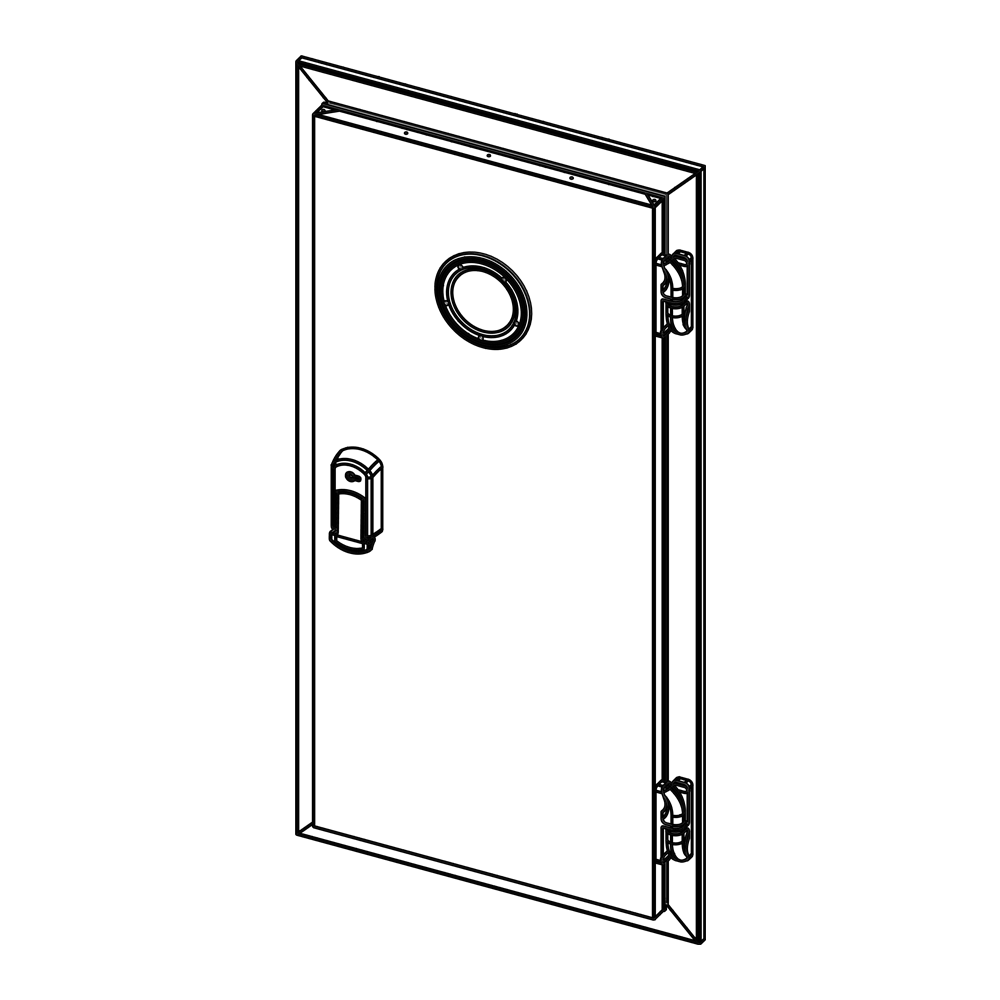
On the product page, the cold room service door is described as hinged-opening and for low to medium traffic use. At points where forklift passage is very heavy, which door type is suitable should be assessed by consulting the company. For door types, see the article on what the types of cold room doors are.
Which Information and Documents Should Be Requested When Choosing a Supplier?
When choosing a supplier, it is safer to look at written information than at the brand name. The following can be requested from the supplier:
- Technical document: The dimensions, structure and conditions of use of the product. A PDF document is available on the product page for cold room doors.
- Temperature range: The product page states that cold room doors can be used down to -60 °C. For a specific model, the range should be confirmed from the technical document.
- Documents: The product page states an ISO 9001 quality management system and CE compliance. Their scope and validity should be confirmed with the company.
- Delivery time: Whether it is in stock and the estimated supply time.
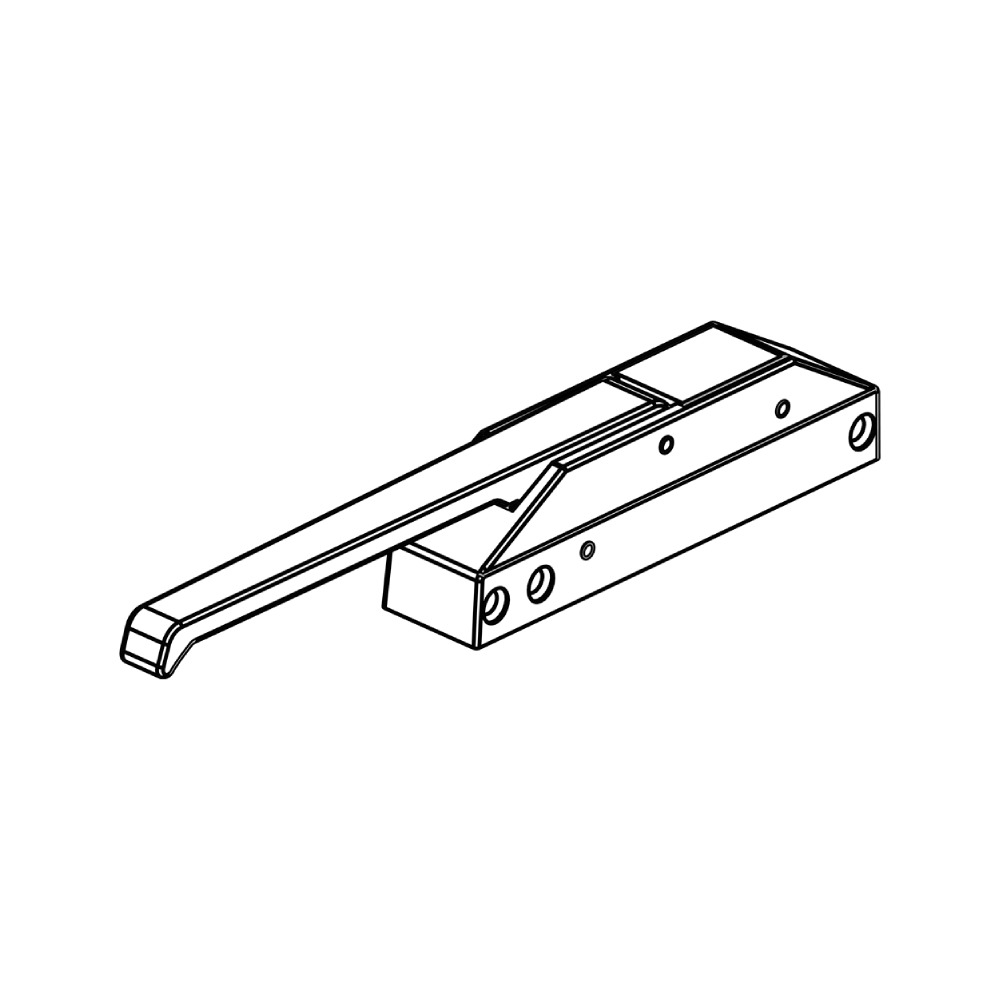
- Spare parts and maintenance: Access to accessories such as the hinge, lock, handle and gasket. For the options, see the articles on cold room door hinges and cold room door locks.
- Replacement and return conditions: How the process will work if a faulty or incompatible product arrives.
When comparing quotations, one should look not only at the price but also at the completeness of the information above. A supplier that avoids giving information may also cause difficulties with support later. What is said about matters such as warranty and compliance should be put in writing. Because these conditions vary by supplier, it is healthier not to rely on verbal statements.
What Should Be Known About Production Continuity and Responsibility?
A facility's production continuity depends not on a single product group but on the whole chain working correctly together. The cold room door and panel are only one part of this chain. For this reason, it cannot be said that a product group on its own ensures operational continuity or reduces the carbon footprint. If such a statement is needed, it should be based on measurement and documents and confirmed in writing with the company.
The practical steps that support continuity are the following. Although these steps look small, when applied they make it easier to find the cause of unexpected stoppages and to prevent their recurrence:
- Regular checking of the door, gasket and hinge and keeping maintenance records,
- A spare parts plan for critical accessories,
- A written procedure to follow when there is a temperature deviation,
- Determining the division of work and responsibilities in advance.
Safety requirements, such as keeping staff from being trapped in the room, should be assessed separately and determined together with the occupational safety unit and the manufacturer. For size, type and hardware, you can contact the İmamoğlu Soğutma team.
Frequently Asked Questions About Cooling Equipment Factories
What does cooling equipment factory mean?
It can describe both a facility that makes cooling equipment and a factory that uses a cold area in its own production. This article focuses on the place of factories that make cooling equipment in the production chain.
Which products does İmamoğlu Soğutma manufacture?
It manufactures cold room doors, panels, profiles and accessories. Compressors, condensers, evaporators, process cooling equipment, automation and control systems are not among the brand's products.
What is the difference between a cooling system manufacturer and a structural element manufacturer?
The system manufacturer provides the equipment that produces the cooling, and the structural element manufacturer provides the panels, doors, profiles and accessories that surround the cold area. The two groups complement each other.
What are cold areas used for in factories?
They are generally used to store raw materials, semi-finished products and finished products. Equipment that cools the production process itself is a separate subject.
Does a cold room door guarantee production continuity?
No. Continuity depends on the whole chain working correctly together. The door is a part of this chain and gives no guarantee on its own.
Do cold room products ensure drug safety?
This article gives no such assurance. The storage conditions of drugs are determined according to the relevant regulations and product instructions and should be assessed by authorized people.
Which documents should be requested from the supplier?
The product page states ISO 9001 and CE. Which product a document covers and whether it is current should be confirmed with the company.