







The Role and Importance of Cooling Systems in the Food Industry
Table of Contents
- What Role Does a Cooling System Play in the Food Industry?
- In Which Links of the Cold Chain Does the Cold Room Structure Play a Part?
- How Are Rooms and Doors Planned for Different Food Groups?
- What Does the Cold Room Structure Draw Attention To in Terms of Hygiene and Cleaning in a Food Business?
- How Does the Way the Door Is Used Affect Temperature Loss?
- How Is the Division of Work Between the Cooling System and the Cold Room Structure Determined in a Food Business?
- What Information Should Be Clarified When Buying a Cold Room for a Food Business?
- Frequently Asked Questions About Cooling Systems in the Food Industry
What Role Does a Cooling System Play in the Food Industry?
A cooling system in the food industry aims to slow down spoilage by keeping products at a certain temperature. Low temperature is a factor that slows quality loss and microbiological growth in many foods. However, cooling alone does not ensure food safety. Food safety depends together on the quality of the raw material, hygiene practices, staff training, temperature monitoring and all the processes of the business.
The cold area in a food business rests on two main product groups:
- Cooling system equipment: Equipment that produces the cooling, such as the compressor, condenser and evaporator.
- Cold room structural elements: The panels, doors, profiles and accessories that surround the cold area.
İmamoğlu Soğutma manufactures the products in the second group: cold room doors, panels, profiles and accessories. Compressors, cooling systems, automation, sensors or temperature control in transport vehicles are not among the brand's products. This article describes the role of the cooling system in a food business within a general framework and focuses on the place of the cold room structure in this chain.
In Which Links of the Cold Chain Does the Cold Room Structure Play a Part?
In a food business, the product passes through several stages, and at each stage the cold room structure has a different task:
- Goods receiving: This is the area where incoming product is first left. Having a wide and durable door matters for pallet and cart passage.
- Storage rooms: These are the rooms where the product is kept for a long time. Insulation, the gasket and the closing arrangement come to the front.
- Preparation and production area: This is the zone where the product is taken out for processing. The door opens and closes often.
- Holding before dispatch: This is the area where finished product is kept in the cold until dispatch.
Temperature control during transport is a matter not of the cold room structure but of the transport vehicles and the logistics process. This article does not cover that subject. For multi-room warehouses, see the article on the cold storage warehouse door.
How Are Rooms and Doors Planned for Different Food Groups?
Food groups such as meat, dairy products, fruit and vegetables, and frozen products may require different temperature and humidity conditions. Which group will be stored under which condition is determined according to the type of product, the product instructions and the relevant regulations. This article does not recommend a specific temperature or humidity value.
From the planning point of view, the following questions are useful:
- Which product groups will be stored in separate rooms?
- What is the operating temperature of each room, chilling or freezing?
- How many times a day will the door of which room be opened?
- Will pallets, pallet trucks or carts pass through?
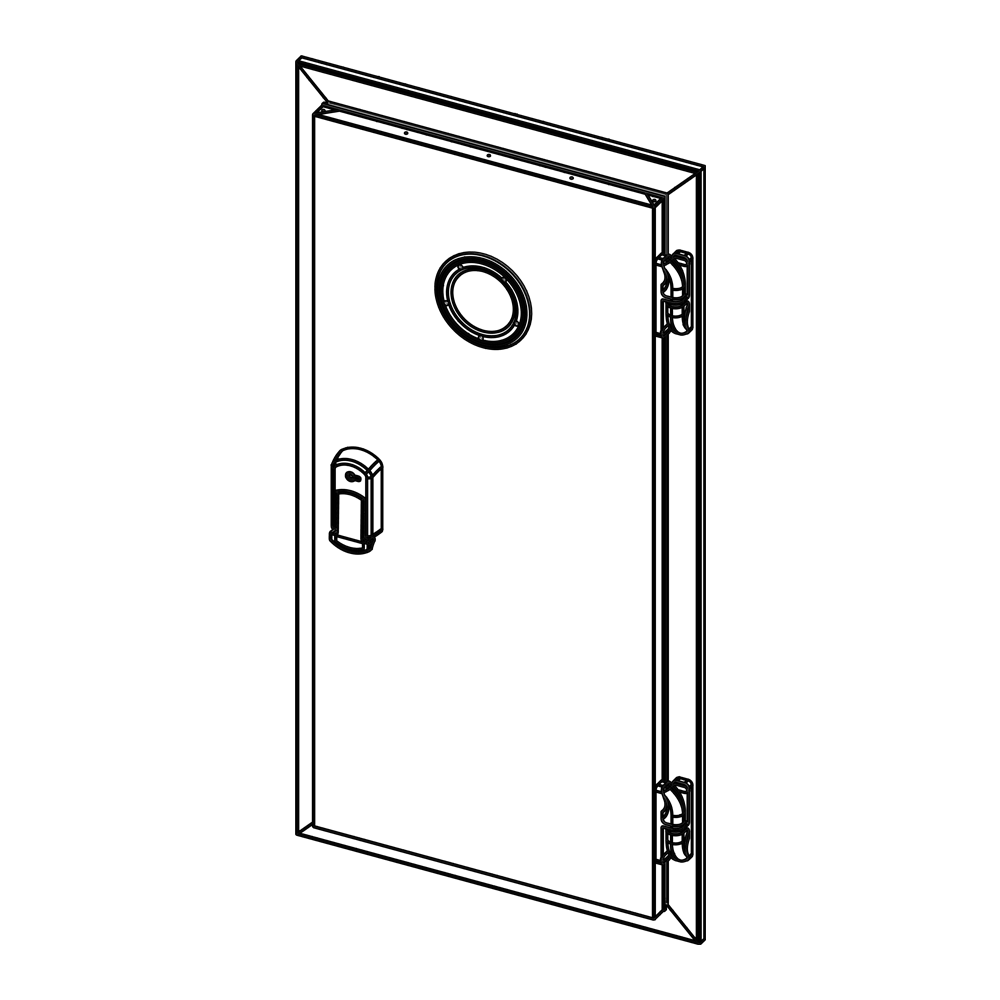
The product page states that cold room doors can be used down to -60 °C. For a specific model, the temperature range should be confirmed from the technical document. For a comparison of door types, see the article on what the types of cold room doors are.

What Does the Cold Room Structure Draw Attention To in Terms of Hygiene and Cleaning in a Food Business?
In a food business, the cold room is cleaned often and the surfaces are in an area close to food. On the structure side, the following points matter:
- Surface: Hygienic PVC or stainless steel options are available. The choice is made according to cleaning frequency and the cleaning products used.
- Gasket: Grease and residue can build up on the gasket. If the gasket is not cleaned, how it seats between the leaf and the frame may deteriorate.
- Joints: The joints around the door should be kept clean and damaged areas should be repaired in time.
- Floor in front of the door: A wet and dirty floor can affect how the bottom gasket sits. For the threshold choice, see the articles on the cold room door with threshold and the threshold-free cold room door.
It is not claimed that the surface and the structure on their own provide hygiene conditions or eliminate the risk of microorganisms. Hygiene depends on the business's cleaning plan and food safety practices. Whether the cleaning products suit the surface material should be confirmed with the information on the product page and with the company.
How Does the Way the Door Is Used Affect Temperature Loss?
In a food business, the door is opened many times a day. Each time it opens, warm and humid air enters the cold room. To limit this entry, the way the door is used matters:
- Taking items together: Taking the products needed for preparation from the room in one trip reduces how often the door is opened.
- Self-closing: Models with a self-closing mechanism help the door close when the leaf is released.
- Short-term holding: The door can be held at a 90-degree angle. During short jobs the leaf does not close on its own, and the door should be closed right away when the work is done.
- Checking the gasket and the closing: A worn gasket and a door that has gone out of alignment can increase temperature loss.
Which model has which feature should be confirmed from the technical document. For use in a kitchen environment, see the article on the restaurant cold room door. To what extent these measures affect energy consumption and product quality varies by facility and requires measurement. No rate is given in this article.
How Is the Division of Work Between the Cooling System and the Cold Room Structure Determined in a Food Business?
In a cold area project, there is more than one party and the boundary of the work should be set from the start:
- Cooling system supplier: Responsible for the cooling equipment and the control and monitoring system.
- Door and panel supplier: Responsible for the cold room structure. İmamoğlu Soğutma offers doors, panels, profiles and accessories on this side.
- The business's quality and maintenance team: Follows the temperature records, applies the procedure when there is a deviation and carries out door and gasket checks.
Which part will be checked first when the temperature rises should be in the business's written procedure. When the boundaries are not clear, responsibility remains uncertain when a problem arises. The continuity of the cold chain is ensured not by a single product group but by the whole chain working correctly together.
What Information Should Be Clarified When Buying a Cold Room for a Food Business?
When buying products for the cold room structure, the following information should be clarified:
- Number and size of rooms: The size of each room and which product group it will be used for.
- Room temperature: Chilling or freezing.
- Door size, number of leaves and type: Single or double leaf, with or without a threshold.
- Intensity of use: The number of daily passages and the equipment that passes.
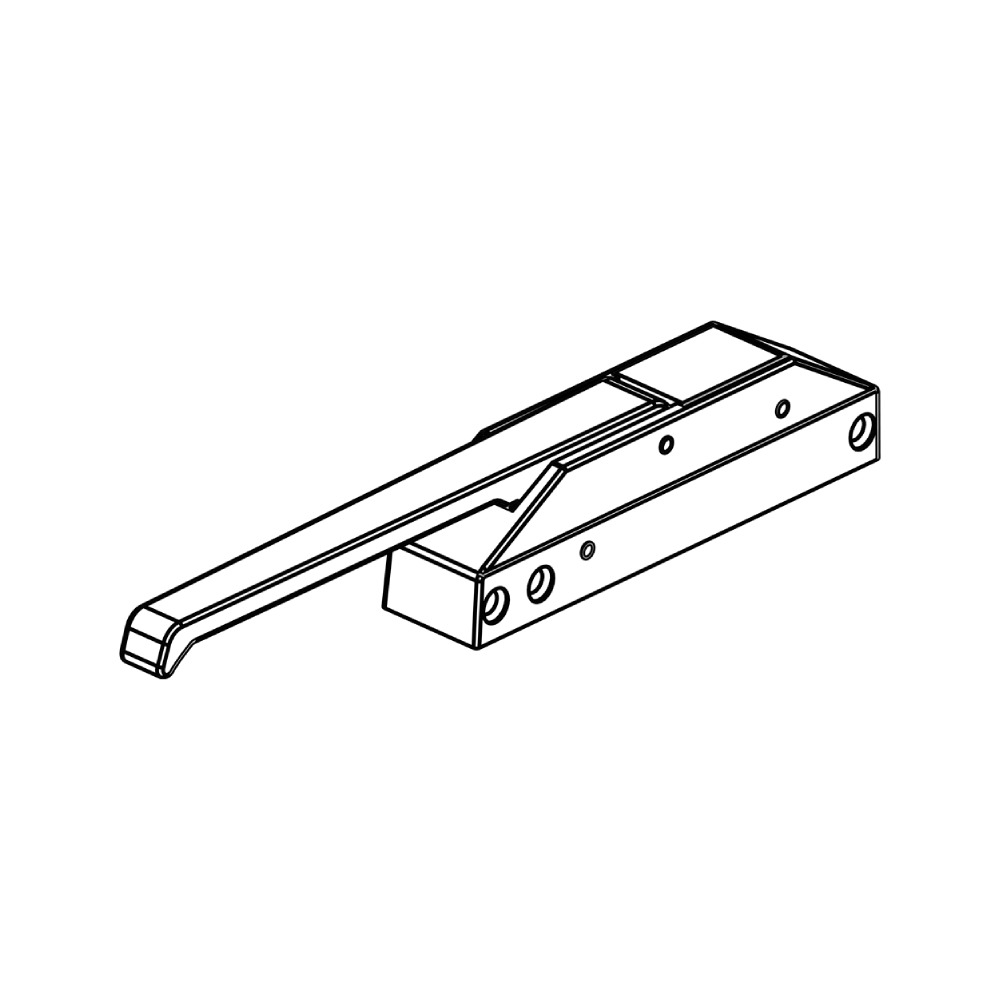
- Surface and hardware: Hygienic PVC or stainless steel, and the hinge, lock, handle and gasket type. For the options, see the articles on cold room door hinges and cold room door locks.
- Documents: The product page states an ISO 9001 quality management system and CE compliance. Their scope and validity should be confirmed with the company.
- Maintenance and spare parts: A periodic inspection plan and access to parts.
For size, type and hardware, you can contact the İmamoğlu Soğutma team.
Frequently Asked Questions About Cooling Systems in the Food Industry
Does cooling ensure food safety?
Cooling helps slow down spoilage but does not ensure food safety on its own. Food safety depends together on the raw material, hygiene, staff, temperature monitoring and all the processes of the business.
Which products does İmamoğlu Soğutma manufacture?
It manufactures cold room doors, panels, profiles and accessories. Compressors, cooling systems, automation, sensors and temperature control in transport vehicles are not among the brand's products.
At what temperature should which food be stored?
This is determined according to the type of product, the product instructions and the relevant regulations. This article does not recommend a specific temperature value.
How much does a cold room door reduce energy consumption?
A fixed rate cannot be given. The effect varies according to the facility, the equipment and the conditions of use and can only be determined by measurement.
Does the surface guarantee food safety?
No. A hygienic surface can make cleaning easier, but food safety depends on the business's cleaning plan and practices.
How does a cold room door limit temperature loss?
The insulation structure, the gasket and the closing arrangement work together. The time the door stays open and the way it is used are also influential.
Which documents should be requested for a cold room?
The product page states ISO 9001 and CE. Which product a document covers and whether it is current should be confirmed with the company.