








The Importance of Cold Room Door Frame Profiles in Industrial Applications
Table of Contents
- What Role Does a Cold Room Door Frame Profile Play in the Door Opening?
- How Should the Door Frame Profile Be Considered Together With the Gasket, Door Leaf and Panel?
- What Stresses Are Door Frame Profiles Exposed to in Industrial Use?
- What Stands Out in the Use of Door Frame Profiles in Different Facilities?
- How Are Damage and Misalignment Noticed on a Door Frame Profile?
- How Is the Maintenance and Replacement Decision Made for a Door Frame Profile?
- What Technical Information Should Be Requested for a Door Frame Profile?
- Frequently Asked Questions About Cold Room Door Frame Profiles
What Role Does a Cold Room Door Frame Profile Play in the Door Opening?
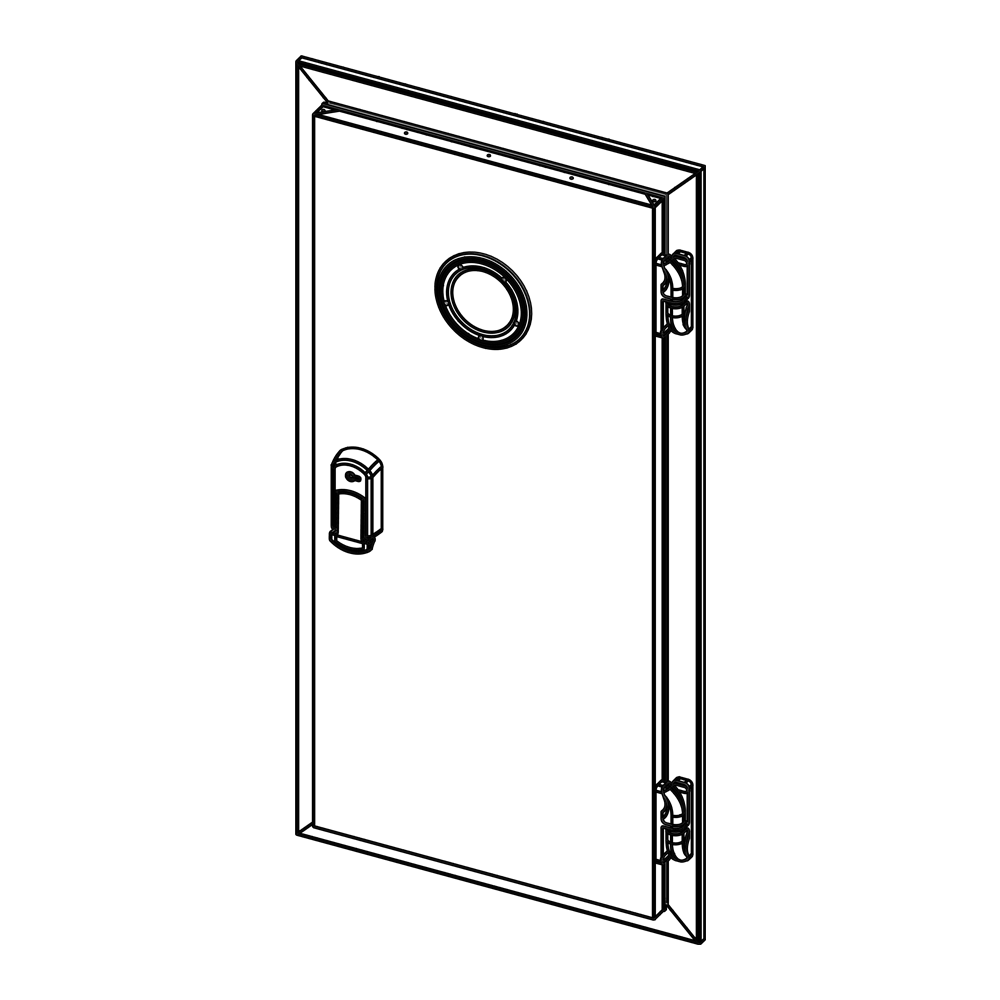
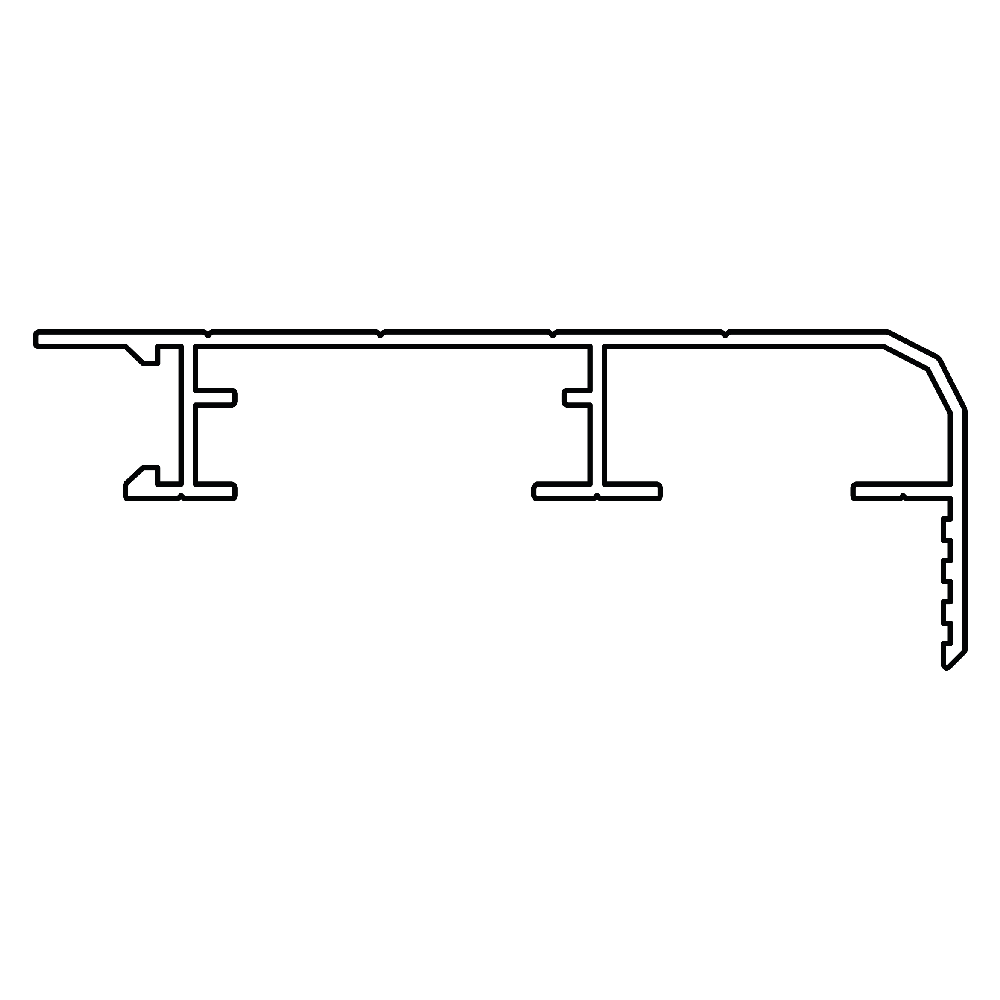
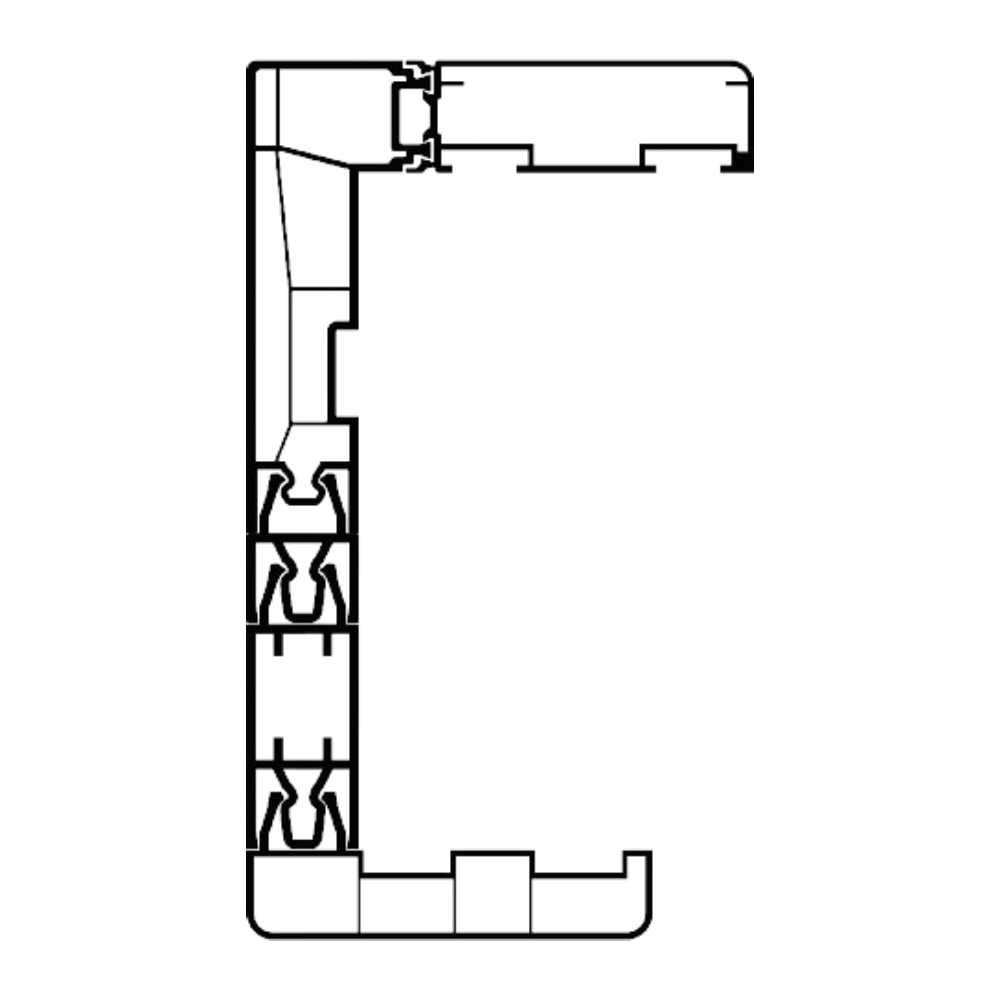
A cold room door frame profile is the frame element located around the door opening that connects the door leaf to the panel structure. It forms the frame on which the door leaf sits and tidies the joint between the panel edge and the door. İmamoğlu Soğutma manufactures cold room doors, panels, profiles and accessories. Which structure a door frame profile has in which model should be confirmed from the technical document on the product page.
A door frame profile can take on the following tasks:
- Supporting frame: It carries the surface on which the door leaf sits and the hinge connection points.
- Panel joint: It closes the panel edge and arranges the transition between the door and the panel.
- Gasket surface: It provides an even surface on which the gasket sits when the leaf is closed.
The door frame profile is often the least noticed part of the door, because the door leaf and the hardware are more visible. Yet the proper working of the door depends on the frame on which the leaf sits being proper. When the frame goes out of alignment, even the best leaf and gasket may not give the expected result.
It should not be thought that the door frame profile provides sealing on its own. The element that limits air passage is the gasket system. The profile prepares the ground for the gasket to sit properly. When the profile, the gasket and the door leaf work correctly together, the door closes properly.
How Should the Door Frame Profile Be Considered Together With the Gasket, Door Leaf and Panel?
The door frame profile should be treated not as a single part but as a link in the door system. The elements it works with are as follows:
- Gasket: It limits air passage between the leaf and the frame. If the surface on which the gasket sits is not flat, the gasket does not work properly.
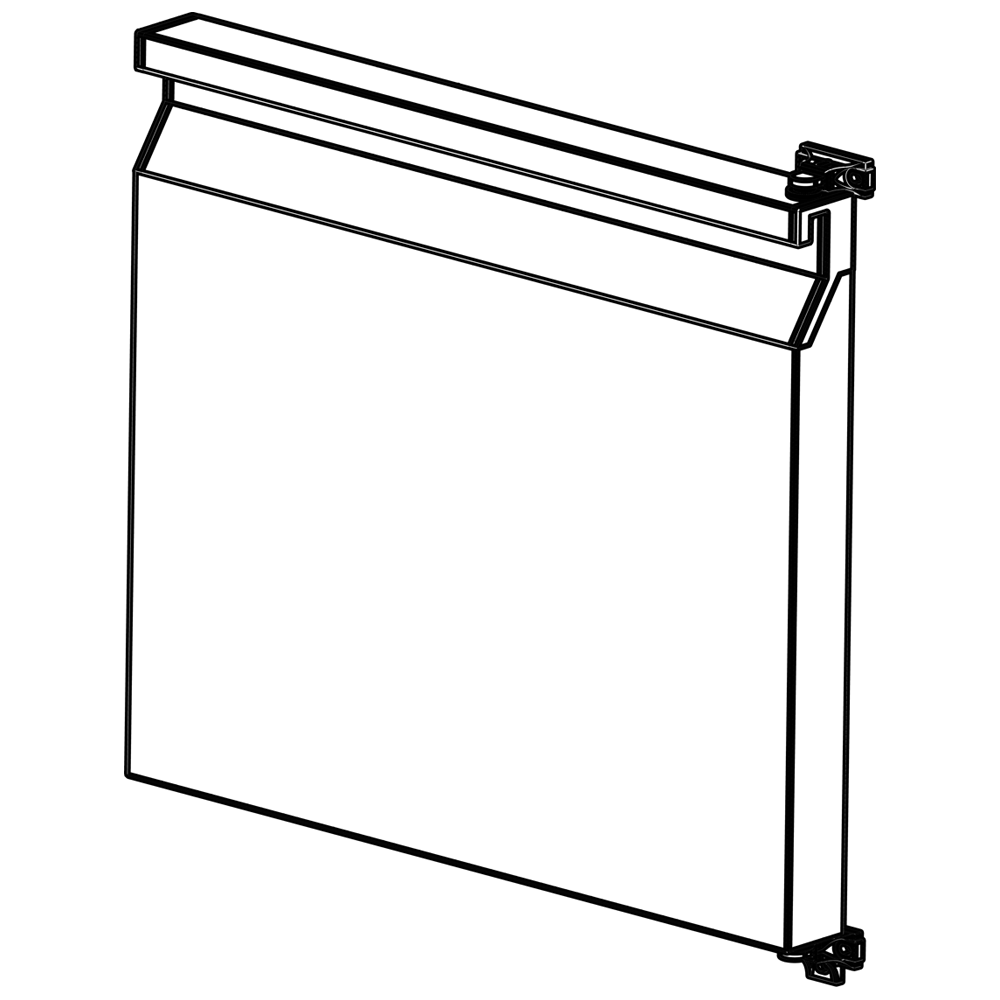
- Door leaf: The size and alignment of the leaf should be compatible with the frame opening.
- Hinge: It carries the leaf and allows it to open and close. The area of the frame to which the hinge is attached should be durable. For the options, see the article on cold room door hinges.
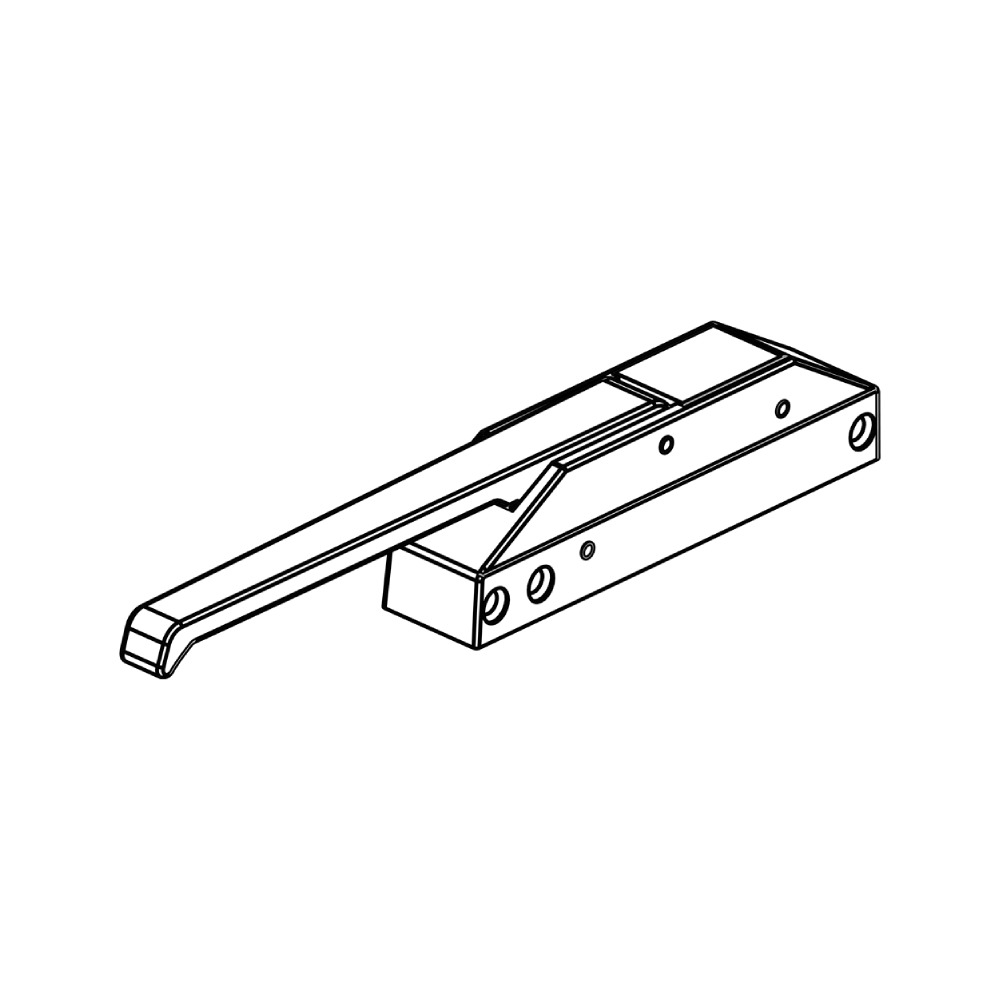
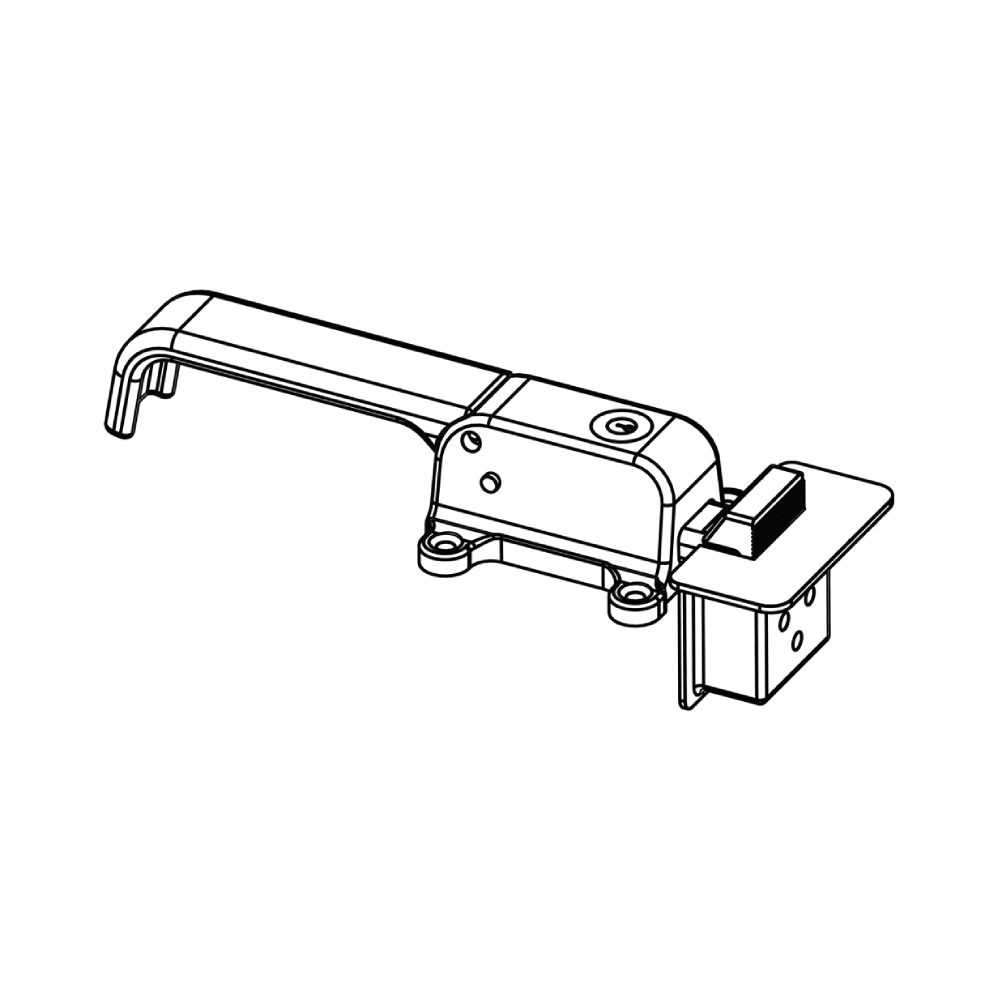
- Lock and handle: This is the hardware on the closing side. For lock options, the article on cold room door locks is useful.
- Panel: This is the wall structure to which the frame is attached. If the joint is not made properly, the frame may go out of alignment.
If one of these elements is faulty, the problem is often reflected in the others. For example, a frame that has gone out of alignment can cause the gasket to be squeezed more on one side and less on the other. For this reason, the cause of a problem that appears as the door not closing or leaking may lie not in the door leaf but in the frame alignment.
The structure on the floor side also matters. The choice of a door with or without a threshold affects the lower part of the frame. For details, see the articles on the cold room door with threshold and the threshold-free cold room door.
During installation, the frame must be placed flat, without distortion and at the correct size. Even a small bend can cause the gasket to be squeezed more in one area and less in another when the leaf closes. For this reason, after installation it should be checked that the door closes fully and that the gasket sits evenly around its whole circumference.
What Stresses Are Door Frame Profiles Exposed to in Industrial Use?
In industrial facilities, the area around the door is where heavy use is felt the most. The main factors that stress the door frame profile are the following:
- Impact: Collisions with pallets, pallet trucks, carts or forklifts can leave marks on the lower and side sections of the frame.
- Frequent opening and closing: Because the door is opened and closed many times a day, the connection points may loosen over time.
- Cleaning: The area around the door is cleaned often. Cleaning products and washing come into contact with the frame surface and the joints.
- Humidity and temperature difference: The temperature difference between the inside of the cold room and the outside can cause humidity and condensation around the door.
These factors can also reinforce one another. For example, a frame area slightly dented by an impact can set the stage for moisture to collect during cleaning and for icing in the cold. To keep a small damage from growing over time, the area around the door should be watched regularly.
These stresses show that the door frame profile is a part that needs to be checked not only at the first installation but throughout use. On the product page, the cold room service door is described as hinged-opening and for low to medium traffic use. At points with heavy equipment passage, which structure is suitable should be assessed by consulting the company.

What Stands Out in the Use of Door Frame Profiles in Different Facilities?
The structure of the door frame profile may be the same in different facilities, but the way the facility is used determines what stands out:
- Food production and kitchens: Frequent cleaning and dirt around the door stand out. For the kitchen environment, see the article on the restaurant cold room door.
- Warehouse and logistics: Collisions with pallets and equipment and the maneuvering space in front of the door stand out. For multi-room warehouses, the article on the cold storage warehouse door is useful.
- Healthcare and drug areas: Record keeping and cleaning stand out. The articles on the hospital cold room door for hospitals, the pharmacy cold room door for pharmacies and the drug warehouse cold room door for warehouse scale are covered separately.
The storage conditions of drugs and similar sensitive products are determined according to the relevant regulations and product instructions. The door frame profile is only one component of these conditions, and which requirement applies should be verified separately for each facility. This article does not claim that the use of a door frame profile is mandatory in any sector.
In any facility, it is useful to make the condition of the door frame profile a part of the door check. The intensity of use of the door, the equipment traffic around it and the cleaning routine are the main factors that determine how often it is checked.
How Are Damage and Misalignment Noticed on a Door Frame Profile?
Frame problems often develop slowly, and the first signs may look small. A simple visual checklist may include the following:
- Closing: Does the door close fully when released, or does a gap remain somewhere?
- Gasket mark: Is the gasket squeezed evenly along the whole circumference?
- Surface: Are there impact marks, dents, cracks or deformation on the frame surface?
- Joint: Is there a gap or looseness between the panel and the frame?
- Icing and humidity: Is ice buildup or condensation visible around the frame?
- Alignment: Is the gap between the leaf and the frame similar on all sides?
When one of these signs is noticed, it should be distinguished whether the problem comes from the gasket, the hinge or the frame alignment. Replacing only the gasket without finding the cause may lead to the same problem repeating.
A short checklist can be prepared so that the person doing the check knows what to look at. If the form contains, for each door, the date, the finding and the action taken, recurring problems are noticed more easily.
How Is the Maintenance and Replacement Decision Made for a Door Frame Profile?
The maintenance and replacement decision is made according to the type of damage found:
- Surface scratches and dirt: They can be followed with cleaning and regular checks.
- Loosening connection: It may need to be tightened or fixed again.
- Misalignment: The hinge and the panel connection should be checked together.
- Dents or breakage: The part may need to be replaced.
The results of the checks can be kept in the business's maintenance records. Over time, the records show which door causes problems more often. When replacement is needed, which part suits which model should be confirmed with the company. Safety requirements, such as keeping staff from being trapped in the room, should be assessed separately and determined together with the occupational safety unit and the manufacturer.
What Technical Information Should Be Requested for a Door Frame Profile?
When a quotation or specification is prepared for a door frame profile, the following information should be clarified:
- Door size and number of leaves: Net opening, single or double leaf, opening direction.
- Panel thickness and joint structure: The properties of the panel to which the frame will be attached.
- Threshold preference: With or without a threshold, and the floor structure.
- Intensity of use: The number of daily passages and the equipment that passes.
- Hardware: Hinge, lock, handle and gasket type.
- Documents: The product page states an ISO 9001 quality management system and CE compliance. Their scope and validity should be confirmed with the company.
- Technical document: The PDF document on the product page should be examined for sizes and model differences.
Unknown information should not be filled in by assumption and should be marked as information awaiting confirmation. Information left out can lead to changes in size and hardware during installation. For door types, see the article on what the types of cold room doors are. For size, type and hardware, you can contact the İmamoğlu Soğutma team.
Frequently Asked Questions About Cold Room Door Frame Profiles
What does a door frame profile do on a cold room door?
It forms the frame around the door opening, connects the door leaf to the panel structure and provides the surface on which the gasket sits.
Does a door frame profile provide air sealing?
The element that limits air passage is the gasket. The door frame profile prepares the ground for the gasket to sit properly. The profile, the gasket and the door leaf should be assessed together.
Can the frame be the cause if the door does not close?
Yes. A frame that has gone out of alignment or been damaged can keep the gasket from sitting properly. To find the cause, the gasket, the hinge and the frame alignment should be checked together.
How often should the door frame profile be checked?
It is determined according to the intensity of use. Doors that are used often and that see equipment collisions should be checked more often. The results can be kept in the maintenance record.
Should a damaged door frame profile be replaced?
Surface damage can be followed. If there is denting or breakage, replacement may be needed. Which part suits which model should be confirmed with the company.
Is a door frame profile mandatory in drug or food facilities?
This article does not claim that such a requirement exists. Requirements should be assessed by authorized people according to the field of activity, the product conditions and the applicable regulations.
Should the door frame profile and the door leaf be chosen at the same time?
Yes. The size and alignment of the leaf should be compatible with the frame opening. Assessing the two together reduces the chance of size and alignment problems at installation.
Which documents should be requested for a door frame profile?
The product page states ISO 9001 and CE. Which product a document covers and whether it is current should be confirmed with the company.