

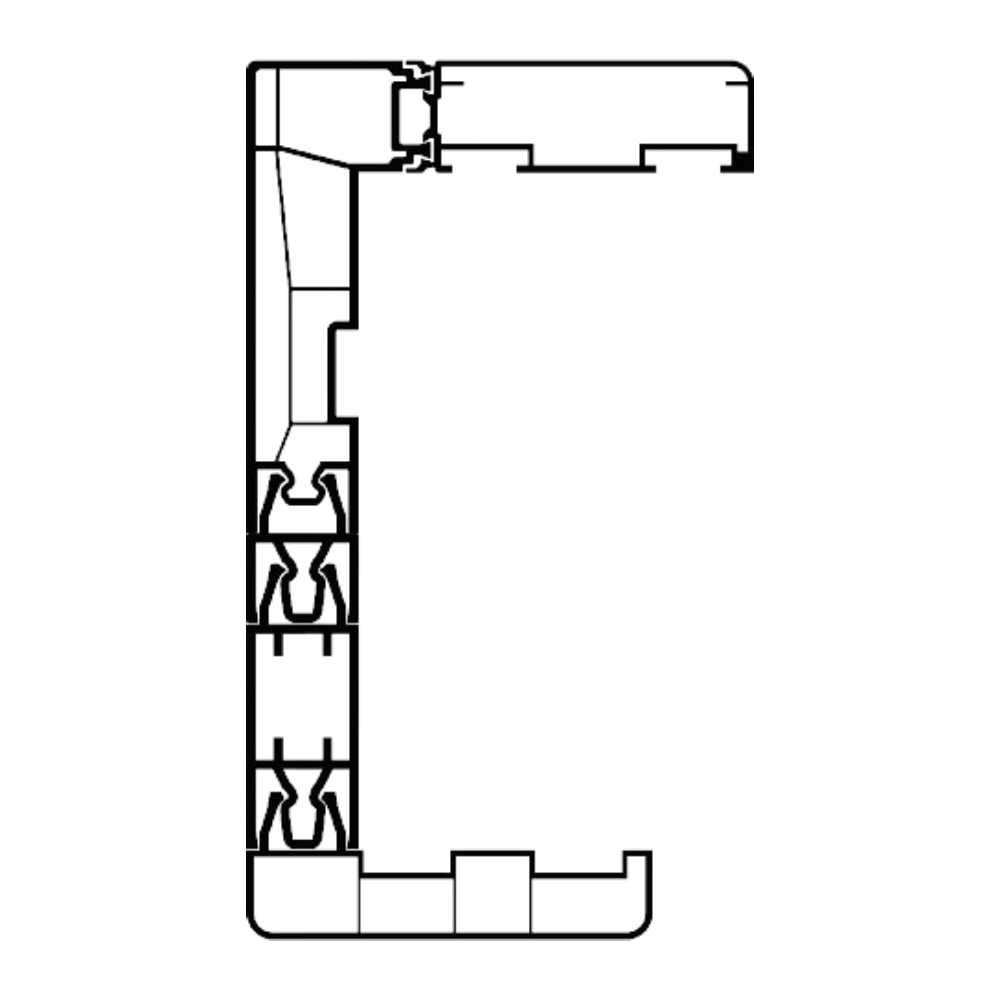







Structural Advantages of Cold Room Aluminum Profiles
Table of Contents
- Why Should Aluminum Profile Information Be Clarified in a Project Request?
- How Is the Position of the Profile in the Cold Room Drawing Described?
- How Are Surface, Section and Thermal Break Information Recorded?
- How Are Profile, Door and Panel Joints Coordinated?
- How Are the Technical Document and Installation Scope Verified?
- Which Information Should Be Kept the Same When Comparing Quotations?
- How Is the Scope of the Profile Cost Assessed?
- Frequently Asked Questions About Cold Room Aluminum Profiles
Why Should Aluminum Profile Information Be Clarified in a Project Request?
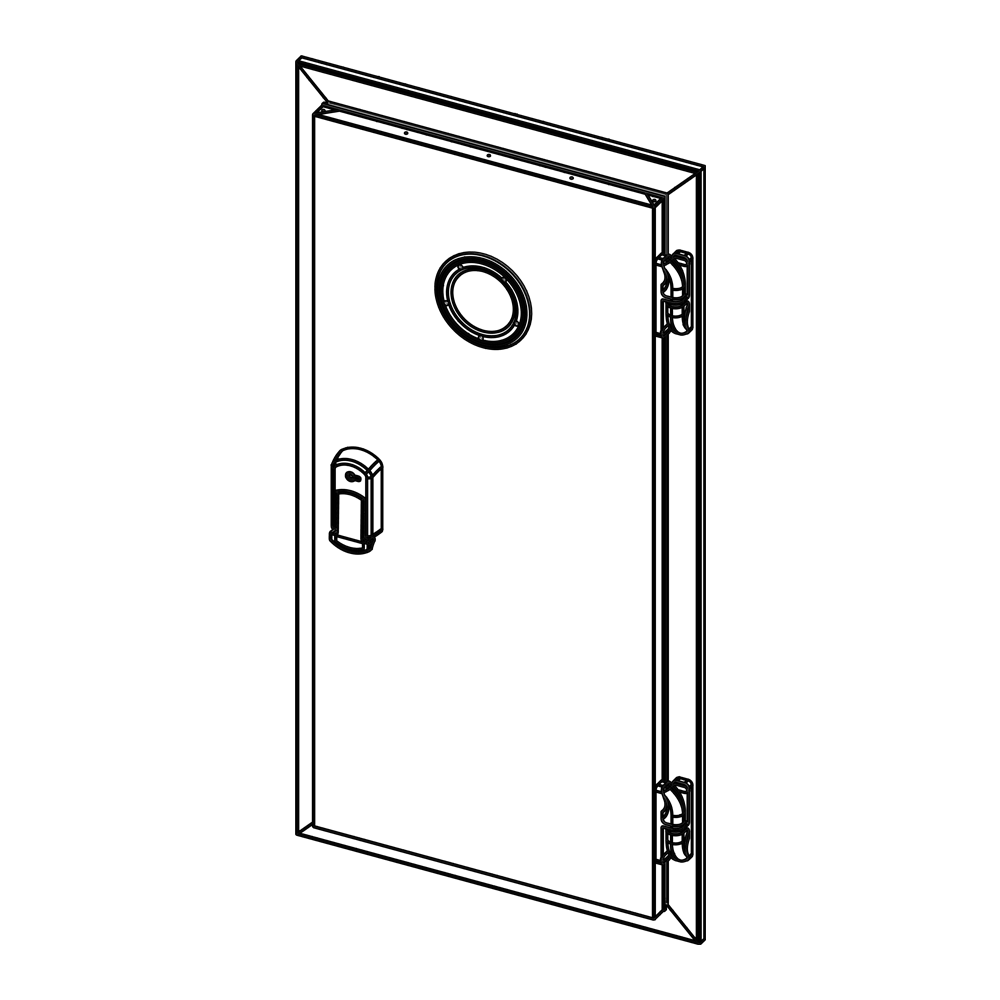
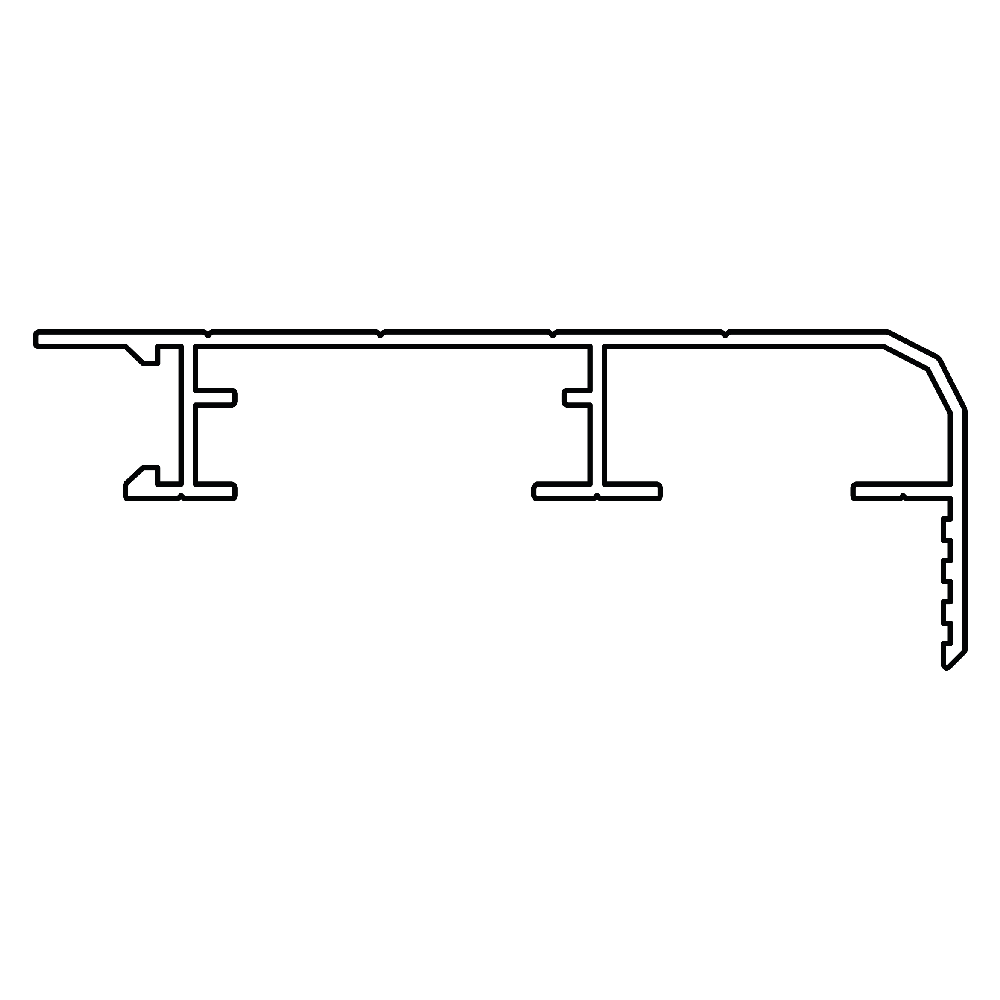
The phrase cold room aluminum profile alone is not enough to say which part is requested or where in the structure the part will be used. Aluminum is a lightweight metal that can be shaped into different sections by extrusion. For this reason, it appears in different tasks such as edge closing, framing or joining. On the product page, İmamoğlu Soğutma's cold room doors also list aluminum edge profiles and a thermally broken aluminum profile option.
When a request is prepared, the place of use, the structural element concerned and the expected function should be written separately. This clarity helps those submitting quotations assess the same scope. It also reduces the risk of choosing the wrong part or of quotations being prepared with different assumptions.
This article does not compare the general reasons for aluminum, the way a heat barrier works or prices. These subjects are covered in separate articles: why aluminum profiles are used in cooling systems, heat barrier aluminum profile and thermal break prevention profiles. The aim here is to show, in an orderly flow, what information a project request should carry about the profile.
How Is the Position of the Profile in the Cold Room Drawing Described?
The first step is to show the position of the profile on the drawing or layout plan. It should be clearly stated at which wall, panel edge, door opening or other joint point the part is intended. If there is more than one profile type, each should be given a separate mark or part code, and the same code should be used consistently in the drawing, the parts list and the quotation request. This reduces the chance of a difference in interpretation between the written description and the drawing.
Adding only the general room dimension to the drawing may not be enough. A section, view or detail drawing that shows the profile's relationship with neighboring components can also be added to the request. If there is no ready drawing, existing dimensions and photos of the installation can be shared as starting information. However, it should not be assumed that a photo alone replaces a dimensioned technical drawing.
If there is a dimension or connection method that cannot be explained, that point should not be filled in by assumption. It should be marked on the drawing and asked to the manufacturer or the project manager. Writing the revision date also makes clear which drawing is the basis of the assessment.
How Are Surface, Section and Thermal Break Information Recorded?
In the request, state the visible surface of the profile separately from the section or filling structure, without mixing them. The surface may cover its definition, the desired appearance, if any, and the expectation related to cleaning or environmental conditions. The section information describes the geometry, size and connection method of the part. If this information is to be presented as a feature of a specific product, the description on the product page and the technical document should be taken as the basis. Qualities not found in the document should not be added.
The thermal break is a separate technical subject. Aluminum is a metal that conducts heat and should not be described as an insulation material on its own. If a thermally broken profile option is being considered in the project, which product or section it applies to should be verified through the product page and the technical document. A general label saying that a profile has a heat barrier does not by itself prove performance in a specific application.
If a thermal calculation or performance value is needed, the scope of the required measurement and the assessment method should be clarified with the project engineer. An unverified savings percentage should not be written.
Presenting these layers as a single choice is also not correct. The surface definition and the insulation or thermal break inside the section are different pieces of information. Stating each field separately in the drawing notes makes visible which feature corresponds to what during technical review.

How Are Profile, Door and Panel Joints Coordinated?
Describing the profile on its own is not enough to examine its compatibility with the doors or panels it will join. In the request, the product description of the neighboring elements, the product code if available and the direction of the joint should be shown together. The opening size, the installation side and the reference points in the drawing should be defined in the same way. This approach reduces part confusion in projects with several door openings or different profile sections.
Between which surfaces the dimensions are taken should also be noted. Instead of expressions open to interpretation such as width or depth, the starting and ending points should be described.
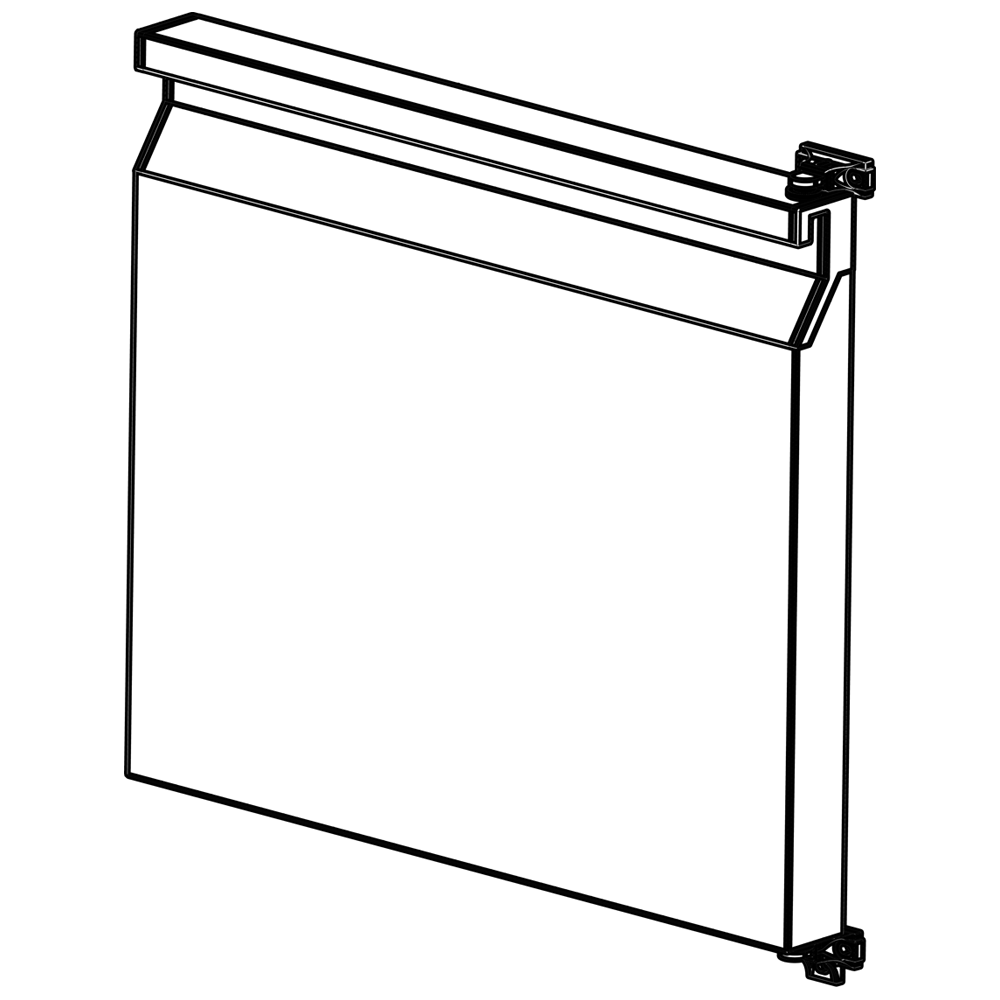
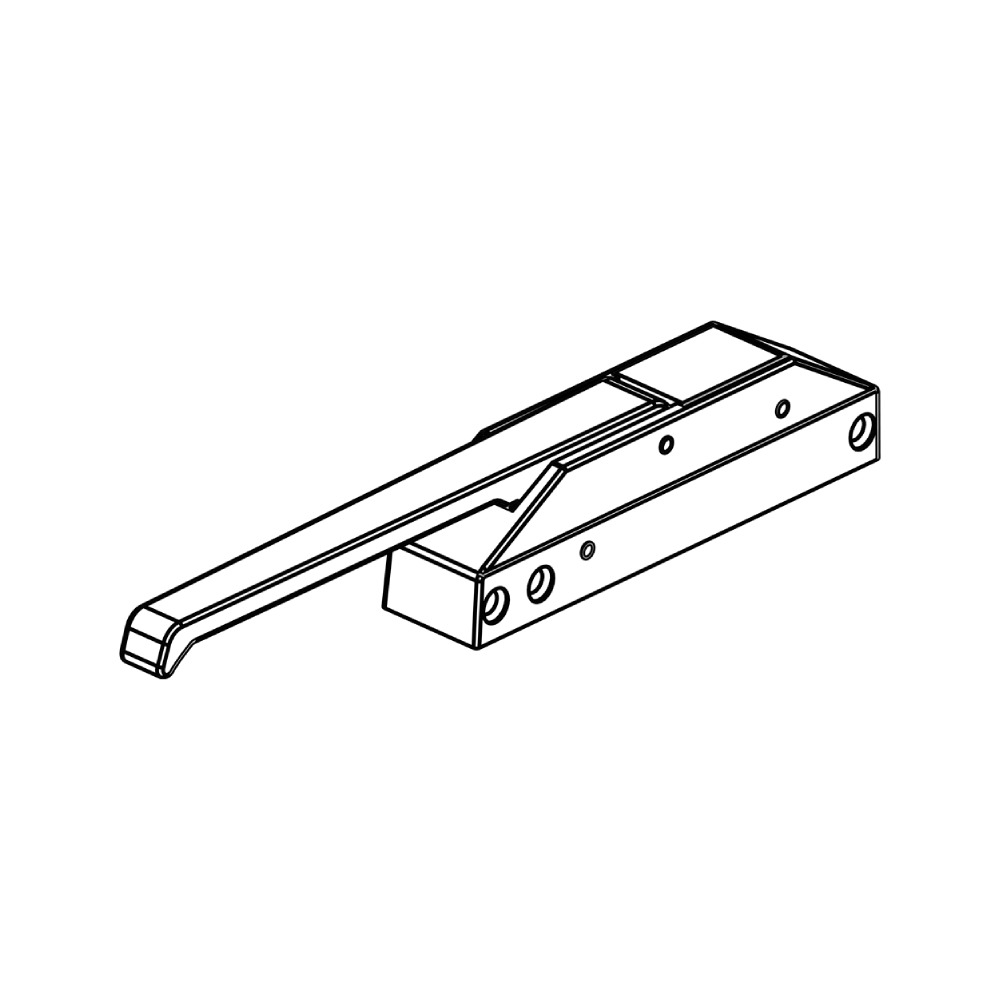
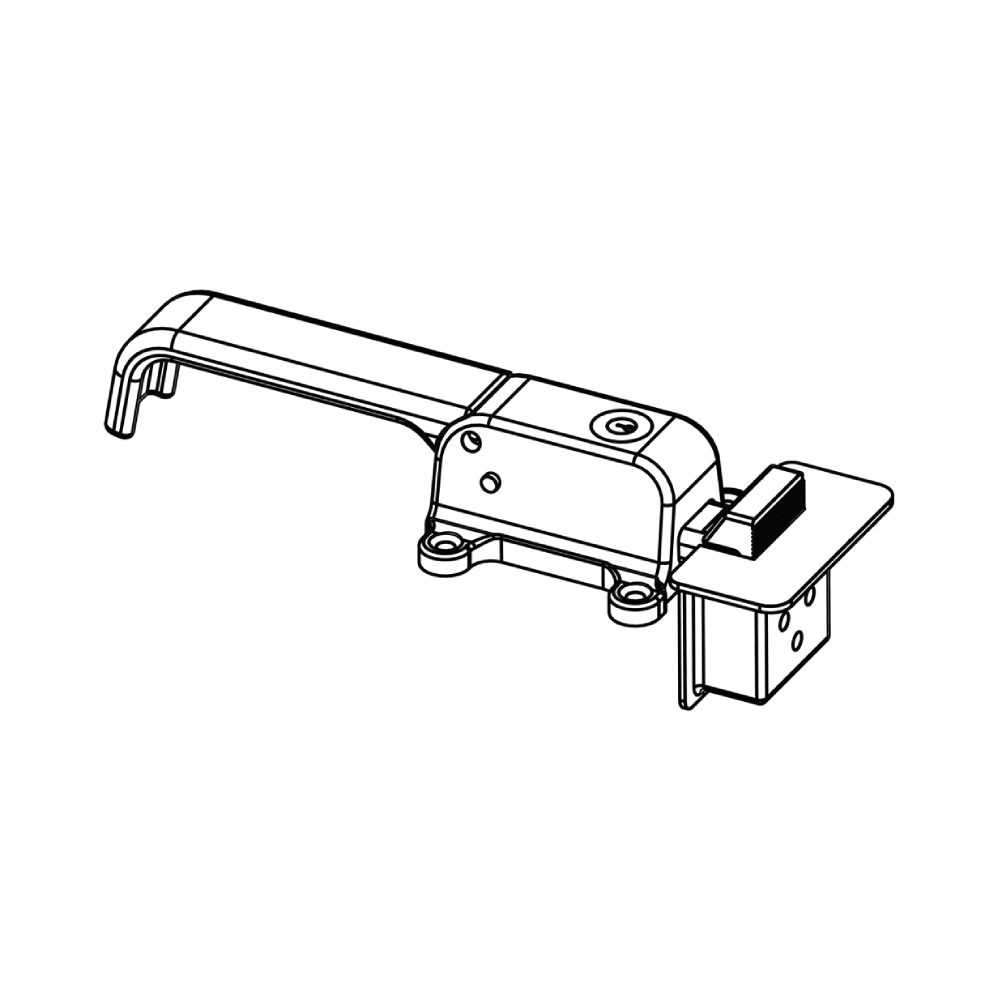
On the door side, the technical document of the selected door model and the connection detail should be checked. For cold room service doors, which model has options such as single leaf, double leaf and hinged opening should be verified from the product page. It should not be assumed that the profile is compatible with these options; it should be confirmed with the manufacturer's drawing or installation detail. Door hardware such as the gasket, the closing mechanism or the holding feature is not the same thing as the profile description. If needed, it should be written on separate lines.
It is also useful to set a responsibility boundary between the installation team and the project team. Who will verify the dimension on site, who will approve the cutting or connection detail and into which document revisions will be entered should be recorded in advance. In this way, when the parts list is updated, earlier dimensions can be kept from being used by mistake.
How Are the Technical Document and Installation Scope Verified?
If a product page has a technical document PDF, the requested features should be compared with this document. The check should not rely only on the product name being similar. The model or product code, the section drawing, the stated conditions of use and the dimension table, if any, should be consistent with one another. It should be checked which product version the PDF belongs to, and the document date or version information should be added to the quotation file. If a dimension in the request is not found in the document, this value should not be presented as verified manufacturer data and should be marked as information awaiting confirmation.
Separate the installation scope from the supply of the product as well. It should be clearly written whether the quotation contains only the profile or also items such as dimensioning, cutting, connection parts or on-site installation. Whether these items are offered should be confirmed by product and by quotation. If an adaptation to an existing structure will be made on site, the existing opening and the neighboring surfaces should be measured by the authorized team.
When a standard, certificate or performance statement is requested, verify its scope and validity with the company as well. The product page states ISO 9001 and CE, but which product a document covers should be confirmed with the company. Leaving this information as to be verified until technical confirmation is complete keeps an uncertain feature from being presented as a promise.
Which Information Should Be Kept the Same When Comparing Quotations?
To receive comparable quotations, send all suppliers the same drawing revision, parts list and set of questions. Each line may include the place of use of the profile, the section or dimension definition, the surface information, the relevant product code and the requested technical document reference. If a piece of information is unknown, state this clearly. Letting different companies fill the gap with different assumptions makes the comparison meaningless.
If an alternative product proposal will be accepted, ask the bidder to mark separately in which dimension or feature they made a change.
Do not reduce the scope of the quotation to a single price figure. Ask separately whether items such as the quantity and dimensions of the profile, cutting or preparation work, connection elements, shipping and installation are included. The delivery method, any additional drawing or technical verification service and the validity conditions of the price can also be kept in the same comparison table. In this way, it becomes clear whether a total that looks low comes from a narrower scope.
It is useful to handle technical suitability and commercial assessment in separate stages. First, whether the options meet the requested scope is examined through the drawing, the product description and the technical document. Then the costs offered for the same scope are compared. If the technical information is missing, a decision should not be made on price alone.
How Is the Scope of the Profile Cost Assessed?
No fixed price is given in this article. The total cost for an aluminum profile may vary according to the requested dimension and quantity, the profile type, the surface or section definition, any required hardware and the preparation or installation work within the quotation. For this reason, comparing only the price per meter or per piece may not show that the same product and scope of work are being offered. For each quotation, verify in writing which parts and services are included and which work is priced separately.
Hypothetical performance savings should not be used in a cost assessment. That a profile will reduce energy consumption by a certain percentage or eliminate the need for maintenance cannot be claimed without a measurement or manufacturer document. If an economic comparison is needed in the project, request quotations based on the same period of use, quantity, technical scope and delivery conditions. Separate unclear items as not included or awaiting confirmation.
For a general assessment of the factors that affect aluminum profile prices, see the article on aluminum profile prices and the right choice. For size, type and hardware, you can contact the İmamoğlu Soğutma team.
Frequently Asked Questions About Cold Room Aluminum Profiles
What information should be written first in the request for an aluminum profile?
First state the position of the profile in the project and which component it joins. Then add the drawing reference, the dimension or section, the surface information and the relevant product code. Mark missing values as information requiring confirmation instead of guessing them.
Does an aluminum profile provide cold room insulation?
Aluminum is a metal that conducts heat and cannot be described as insulation on its own. If a thermal break or thermally broken profile option is involved, verify from the technical document which product and model it applies to.
From which source should the technical feature of a profile be checked?
Check the description on the relevant product page and the technical document PDF offered for that product. If the model, the product code and the drawing in the document do not match, do not accept the feature as certain without technical confirmation.
Which cost items should be asked about separately in a quotation?
Besides the profile type, dimension and quantity, ask whether cutting or preparation, connection elements, shipping and installation are included. The amount varies according to the application and hardware.
Is an aluminum profile mandatory in food or drug warehouses?
This article does not claim that such a requirement exists. Material and facility requirements should be assessed by authorized people according to the field of activity, the product conditions and the applicable regulations. A profile alone does not ensure food or drug safety.
Are heat barrier and thermal break profiles the same subject?
The terms may describe a closely related technical subject, but the structure and performance of a specific product should be verified with the model document. For a general explanation, see the linked articles on heat barrier and thermal break profiles.