

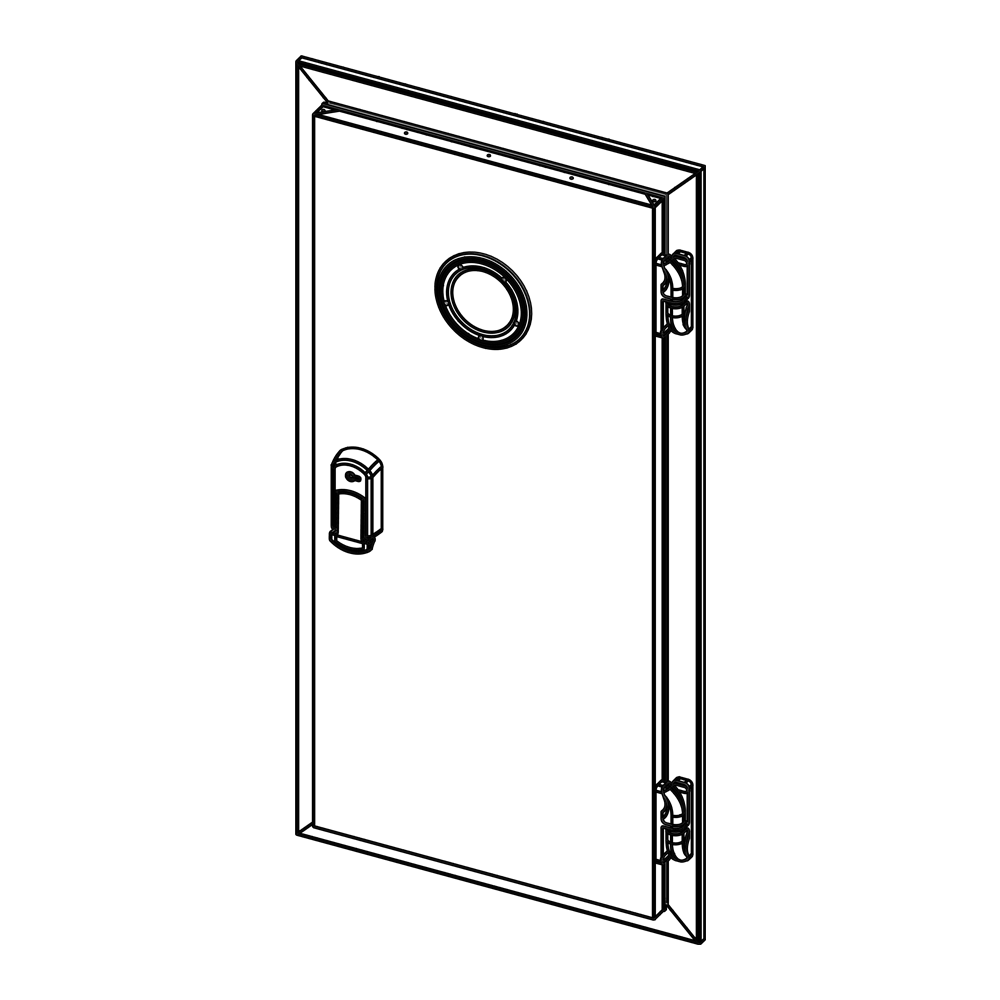
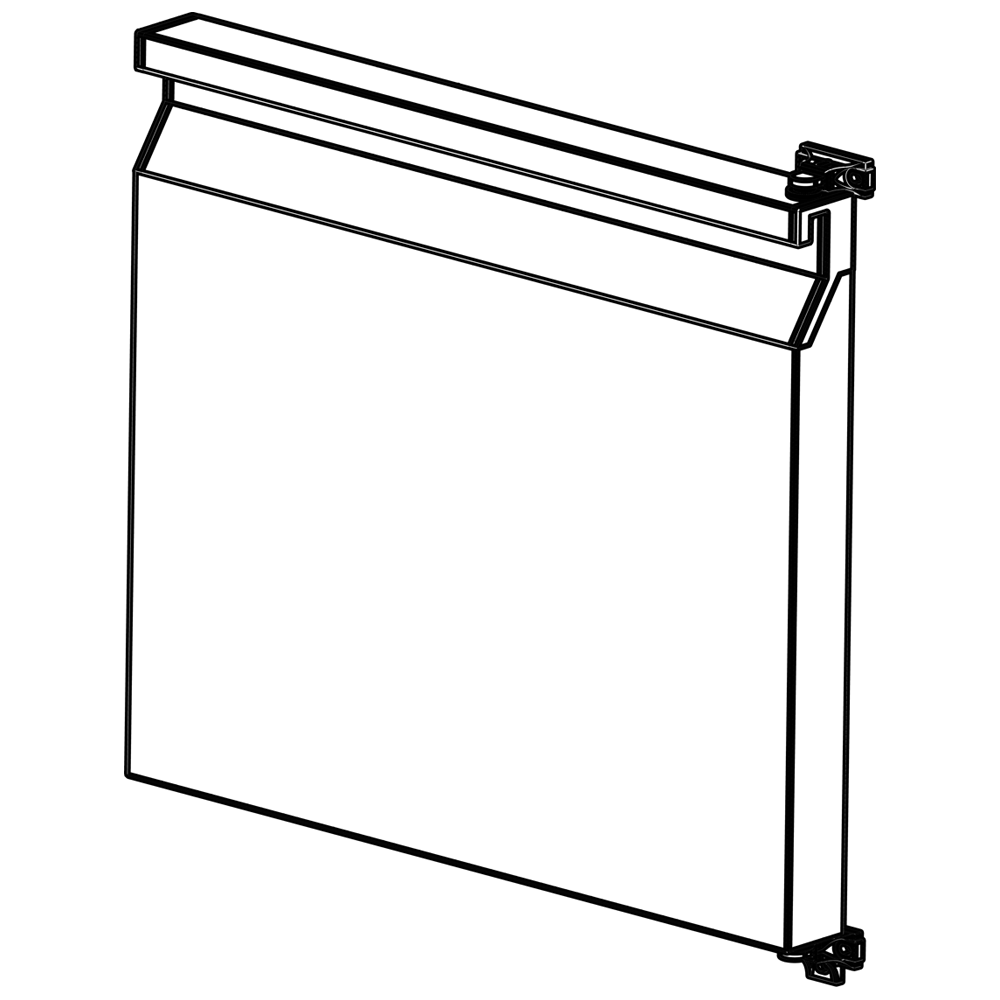


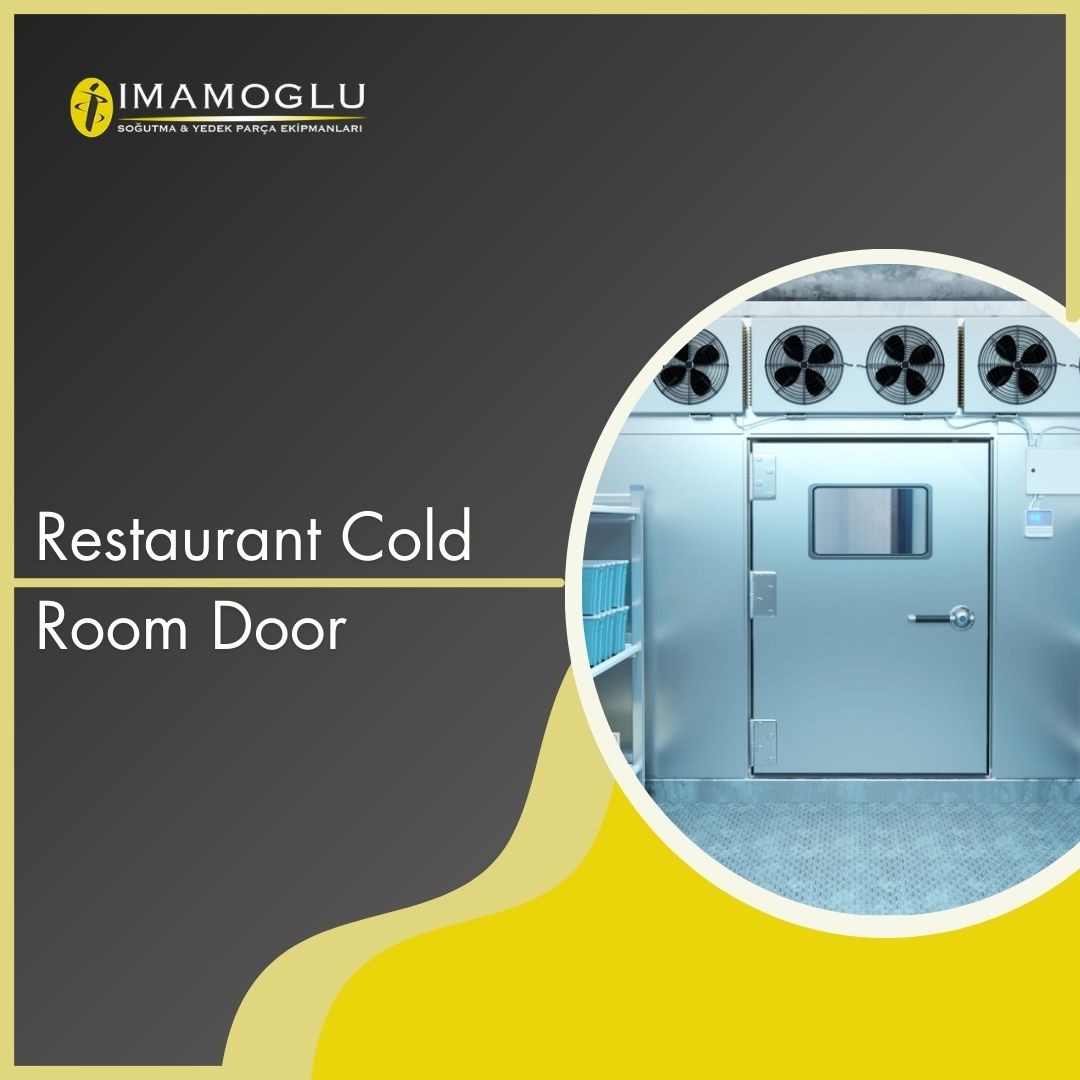
Restaurant Cold Room Door
Table of Contents
- What to Consider When Choosing a Restaurant Cold Room Door?
- Durable and Energy-Efficient Cold Room Doors for Your Restaurant
- Which Type of Door is Most Suitable for Restaurant Kitchens?
- Stainless steel surface and insulation core: how do they work together in a restaurant cold room door?
- Cold Room Doors That Make a Difference in Restaurant Décor and Functionality
- Price or Durability? What Should Be Prioritized When Choosing a Restaurant Cold Room Door?
What to Consider When Choosing a Restaurant Cold Room Door?
Choosing a cold room door matters for both food safety and operational efficiency in restaurants. The right door helps keep the temperature stable, reduces energy loss and makes the staff’s workflow easier.
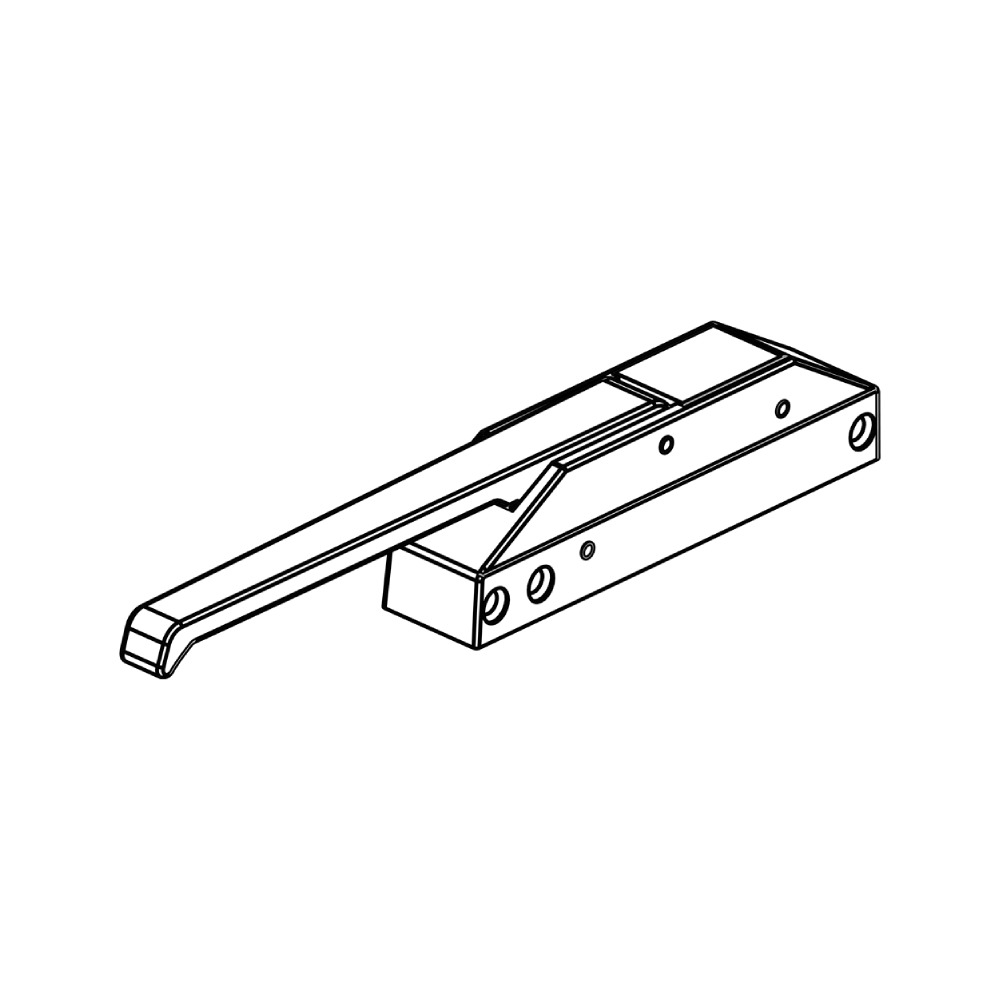
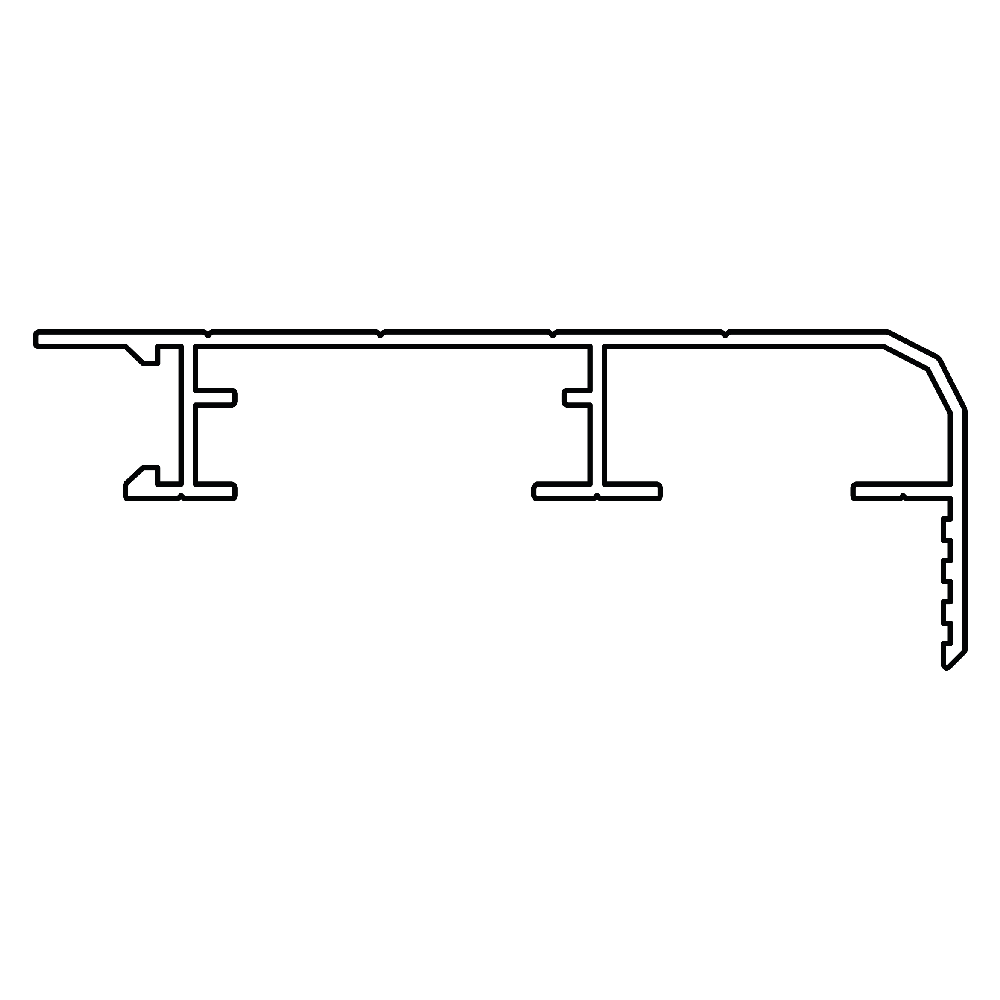
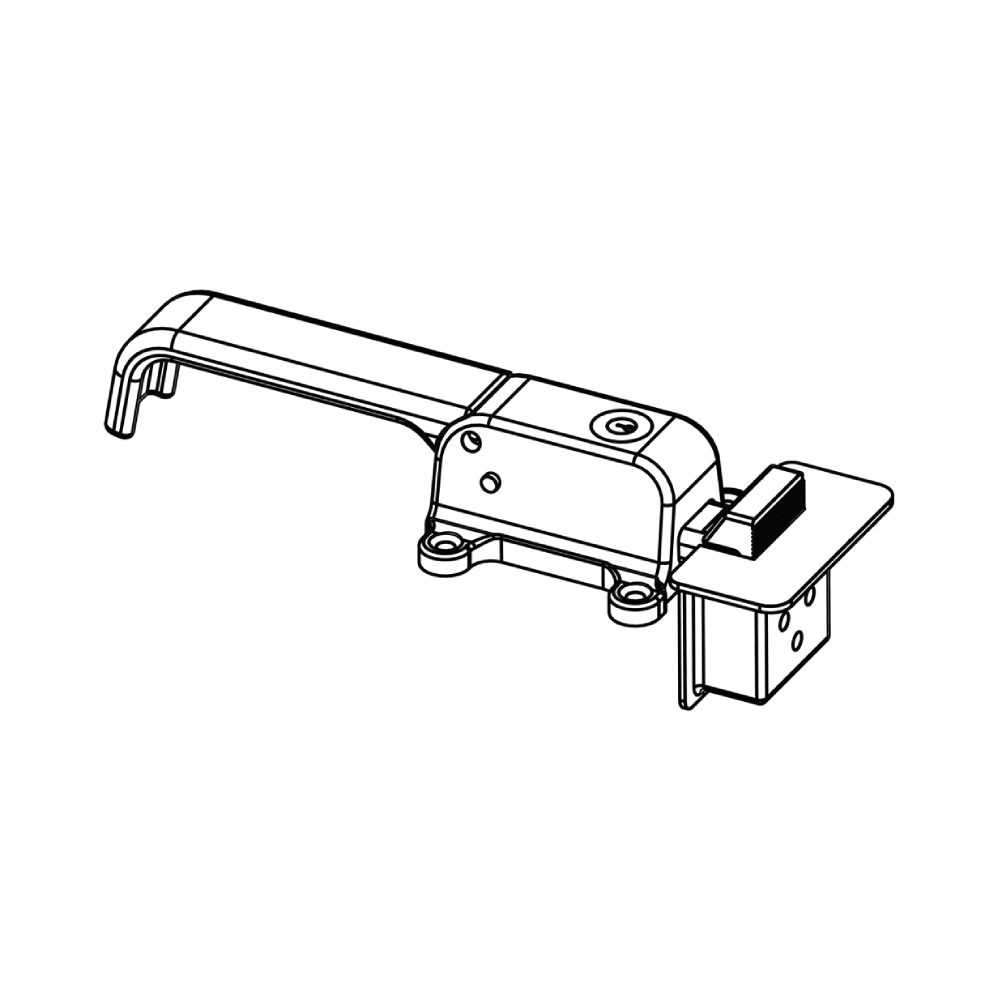
İmamoğlu offers cold room doors as well as door accessories such as hinges, locks, handles and gaskets. For a door that opens and closes constantly in a restaurant kitchen, the insulated door leaf, a tight gasket and durable hardware should be evaluated together.
Ergonomics and hygiene also matter. A handle that opens and closes easily speeds up staff work, while stainless, easy-to-wipe surfaces simplify cleaning and support compliance with hygiene rules.
Durable and Energy-Efficient Cold Room Doors for Your Restaurant
In restaurant kitchens the door is opened and closed many times a day, so the durability of parts such as hinges, locks and gaskets directly affects service life.
The main causes of energy loss are how long the door stays open and the condition of the gasket. An insulated door leaf and a sound gasket help maintain the cold room temperature and limit electricity use.
A worn gasket and loose hinges can gradually spoil the seal. Checking these parts regularly and renewing them with spare parts when needed is an easy way to maintain door performance.

Which Type of Door is Most Suitable for Restaurant Kitchens?
The door type should be chosen according to the kitchen layout and the intensity of use. Restaurant cold rooms have two basic options: hinged and sliding doors.
Hinged doors are common and easy to use, but they need swing clearance. If there is not enough free space in front of the door, a sliding door can be considered.
Sliding doors need no extra space to open, but they require room for the track and the adjacent wall. At frequently used openings, a door that closes easily and quickly helps limit the entry of warm air.
Which type suits best should be decided by considering the kitchen dimensions and staff traffic.
Stainless steel surface and insulation core: how do they work together in a restaurant cold room door?
Stainless steel and insulation are not alternatives to each other; they are two separate components working together in the same door. Stainless steel is the door surface, while insulation is the core inside the door leaf.
A stainless steel surface stands out for its resistance to heavy use, easy cleaning and suitability for a kitchen environment.
The insulation core helps maintain the temperature inside the cold room. What matters for energy use is not the surface material but the quality of the insulation and the sealing of the door.
So instead of asking “which one”, look at whether the surface finish and the insulation structure suit the needs of the kitchen. İmamoğlu offers different door options in this respect.
Cold Room Doors That Make a Difference in Restaurant Décor and Functionality
In a restaurant kitchen the cold room door is often in an area visible to staff, so it is also important that it looks tidy and clean.
Stainless steel surfaces give a plain, professional look, and their smooth structure makes it easier to wipe away dirt and grease.
In terms of function, ease of use is essential. A hinged or sliding door should be chosen to reduce loss of movement space in the kitchen, and the handle and lock should be easy to operate even with full hands.
Price or Durability? What Should Be Prioritized When Choosing a Restaurant Cold Room Door?
For most businesses price is the first deciding factor, but the cost of a door is not only its purchase price. Energy consumption, maintenance and spare part costs should also be considered. Door prices vary with size, type and hardware, so no prices are given in this article.
A durable door works without problems for longer under heavy use and frequent temperature differences. Insulation quality, gasket condition and sturdy hardware determine this period.
Options with a low initial cost may need more frequent maintenance and part replacement because of weak hardware or gaskets. Price should therefore be assessed together with durability, not as the only criterion.
You can contact İmamoğlu with your size, door type and hardware needs to determine the option suitable for your project.