



Morgue Cold Room Door
Table of Contents
- What Is a Morgue Cold Room Door Used For?
- How Is the Size of a Morgue Cold Room Door Determined According to the Stretcher and Transport Trolley?
- Should a Door With or Without a Threshold Be Chosen in a Morgue?
- How Should the Surface and the Insulation Be Considered Together on a Morgue Cold Room Door?
- How Does the Cleaning and Disinfection Routine Affect Door Selection?
- How Should Authorized Access and Opening From the Inside Be Planned for a Morgue Cold Room Door?
- How Are the Temperature Range and the Record-Keeping Responsibility Related to the Door?
- What Information Should Be Included in a Morgue Cold Room Door Specification?
- Frequently Asked Questions About Morgue Cold Room Doors
What Is a Morgue Cold Room Door Used For?
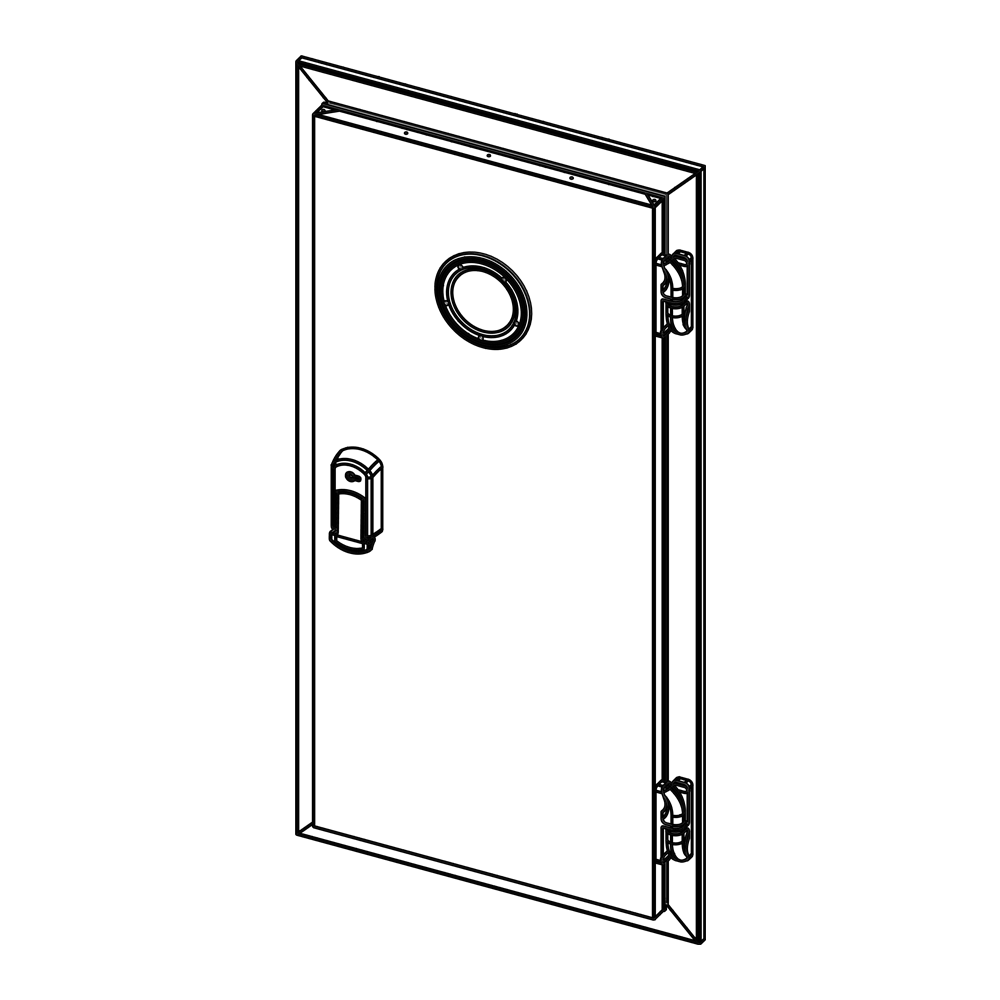
A morgue cold room door is the insulated door that opens onto the cold rooms and refrigerated storage areas of a morgue. In these areas, the door should help maintain the temperature of the room while also allowing staff to pass safely with transport equipment.
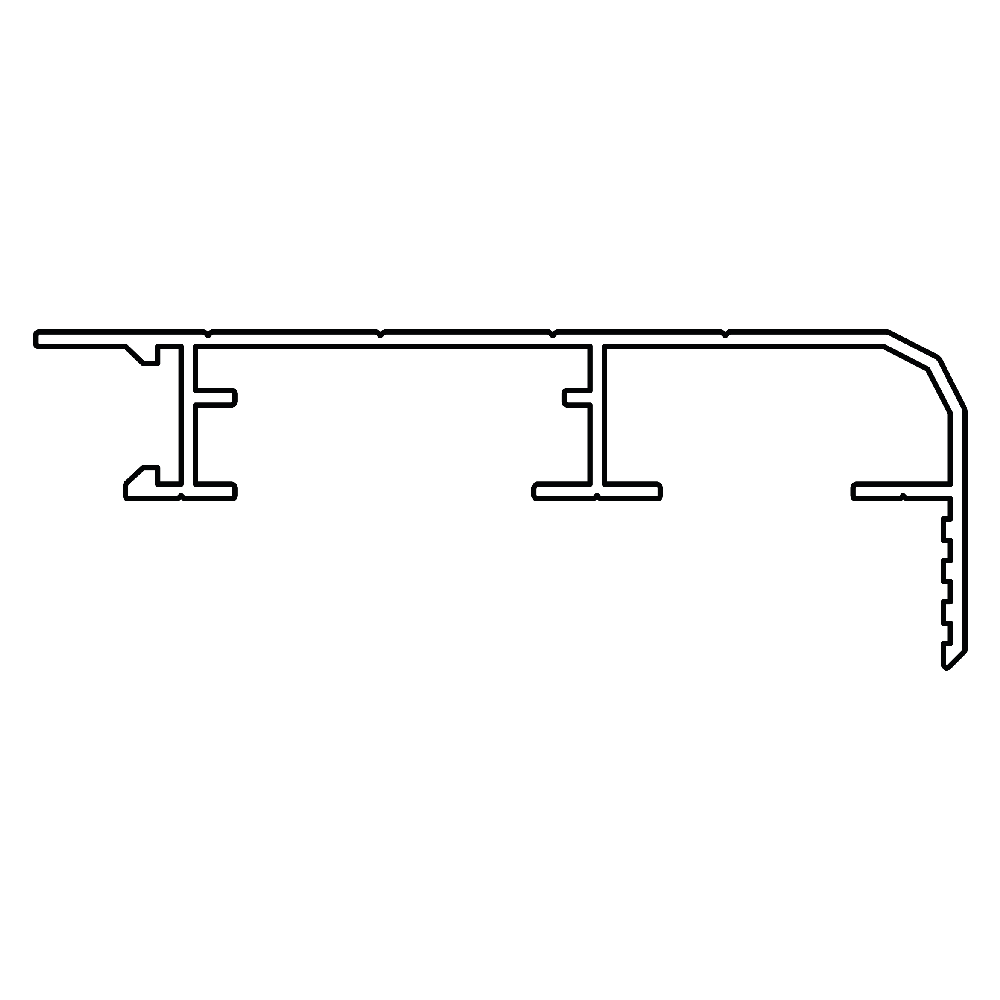
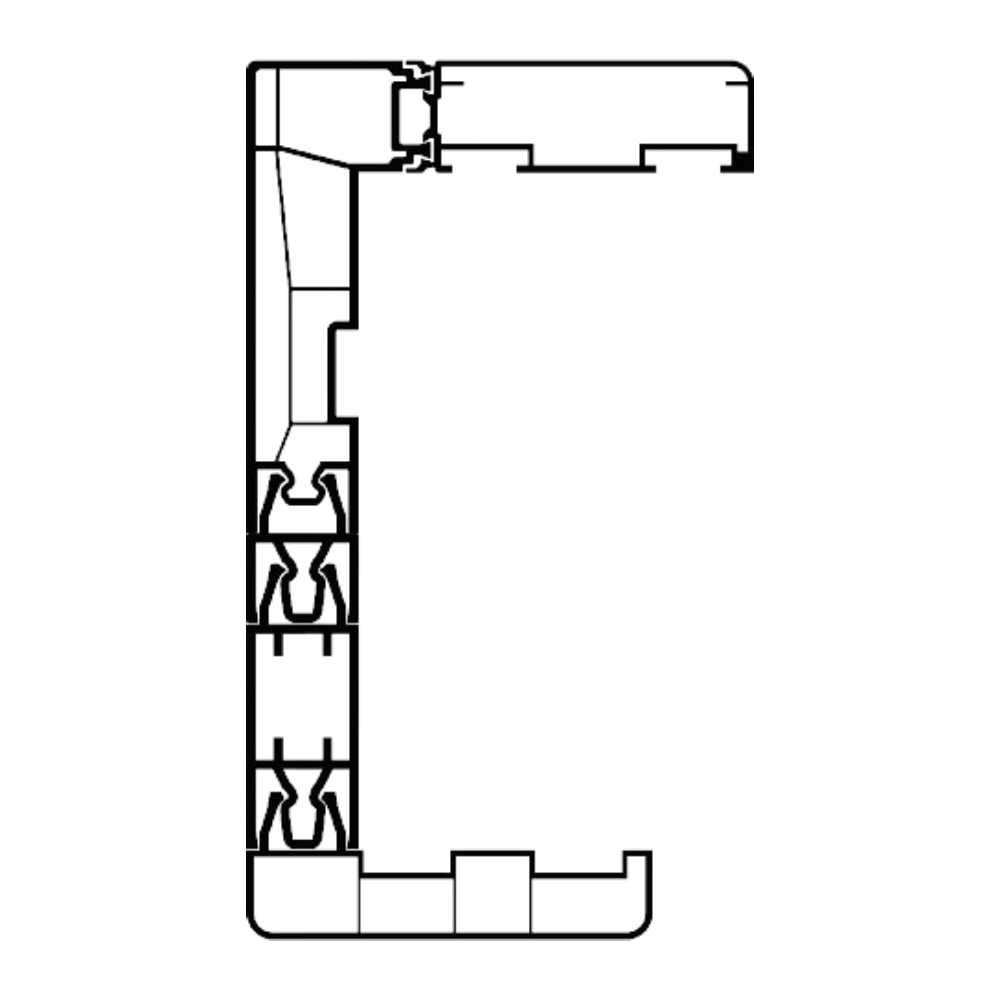
İmamoğlu Soğutma offers cold room doors with aluminum edge profiles, high-density polyurethane foam filling, a hygienic PVC or stainless steel surface and airtight gasket systems. A morgue is not separately listed among the areas of use stated on the product page. For this reason, the suitability of a model and size for a morgue application should be confirmed with the company, stating the temperature to be used and the transport arrangement.
For other cold rooms at hospital scale, see our article on the hospital cold room door, and for a general comparison of door types, our article on what the types of cold room doors are. This article covers only the subjects specific to morgue use.
How Is the Size of a Morgue Cold Room Door Determined According to the Stretcher and Transport Trolley?
The most important factor determining the door size in a morgue is the transport equipment that will pass through it. If a stretcher, a transport trolley or other equipment does not fit through a standard door opening, impact marks appear on the frame and the edges of the leaf within a short time. For this reason, the following should be clarified at the project stage:
- The width of the widest transport equipment that will pass, and a margin for side clearance,
- The total height together with the load on the equipment,
- The turning and maneuvering space in front of the door,
- Whether the door is single-leaf or double-leaf.
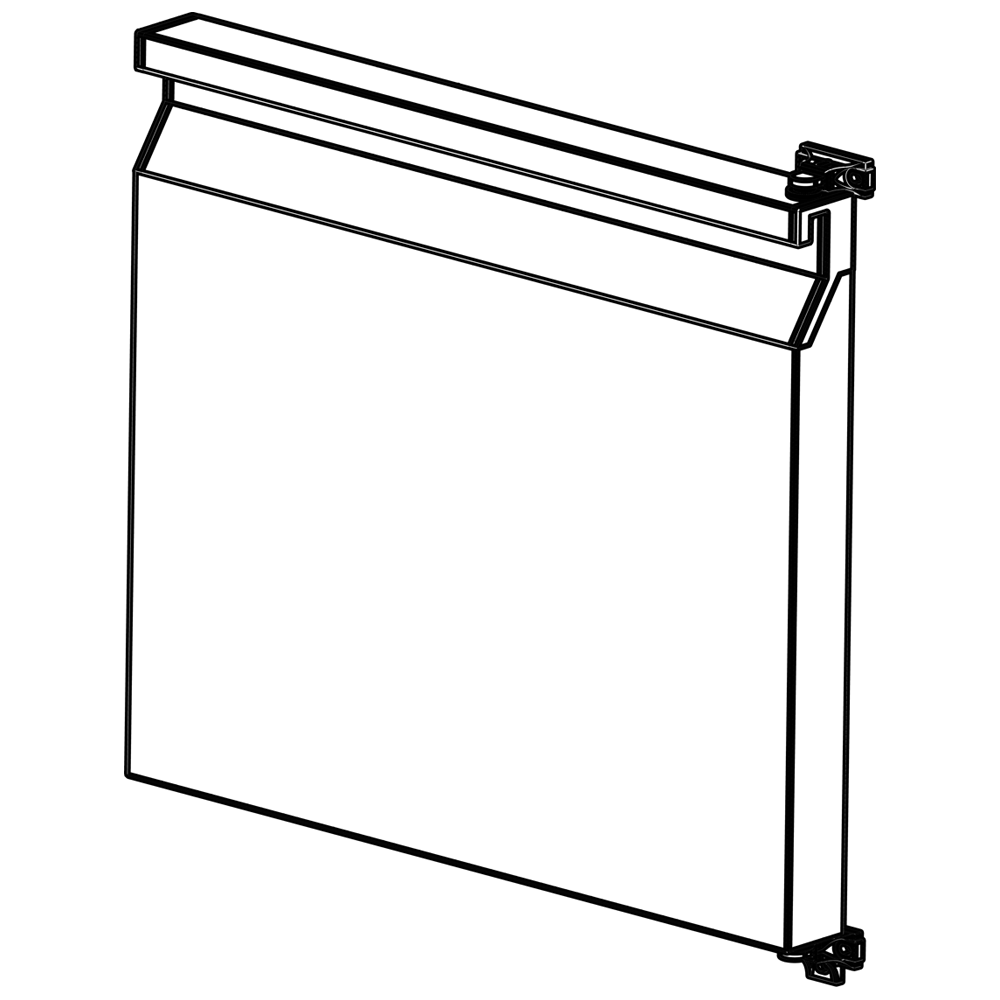
A double leaf can be considered where a wide opening is needed. When the two leaves are opened together, the passage width increases, but more clear space is needed in front of the door. For standard sizes and custom size options, the technical document on the product page should be consulted.
Should a Door With or Without a Threshold Be Chosen in a Morgue?
Because transport equipment passes often in a morgue, the threshold structure gains importance:
- Door with a threshold: There is a threshold on the floor. It can support sealing when the door is closed, but it may obstruct the passage of transport equipment. For details, see our article on the cold room door with threshold.
- Thresholdless door: There is no threshold at floor level and the passage of equipment becomes easier. The arrangement of the bottom gasket is important for sealing. For details, see our article on the threshold-free cold room door.
The choice is made according to the equipment that passes and the structure of the floor. If there is a slope or protrusion in the floor, it should be corrected before installation.

How Should the Surface and the Insulation Be Considered Together on a Morgue Cold Room Door?
Stainless steel and insulation are neither alternatives to each other nor rivals. They are different layers of the door: the surface is the material visible on the outside of the door, and the insulation is the filling structure inside the leaf. Both are found together on the same door, and their functions are different.
On the surface side, hygienic PVC or stainless steel options are offered. The choice is made according to cleaning frequency, the cleaning products used and impact intensity. On the insulation side, there is high-density injected polyurethane foam filling. The door's performance in holding temperature depends less on the surface material than on the filling structure, the gasket and the way the door closes. For this reason, the surface and the insulation should not be compared but considered together.
Which feature is available on which model should be confirmed from the technical document on the product page.
How Does the Cleaning and Disinfection Routine Affect Door Selection?
In a morgue, the surface of the door is cleaned and disinfected regularly. This routine should be taken into account when choosing the door:
- Compatibility with cleaning products: The compatibility of the cleaning and disinfection products used with the surface material should be confirmed with the manufacturer before the door is chosen.
- Edges and joint lines: Points around the door where dirt can build up are added to the cleaning schedule.
- Gasket: Dirt that builds up in the gasket folds can affect the flexibility and closing of the gasket. The gasket should be cleaned regularly and replaced when damaged.
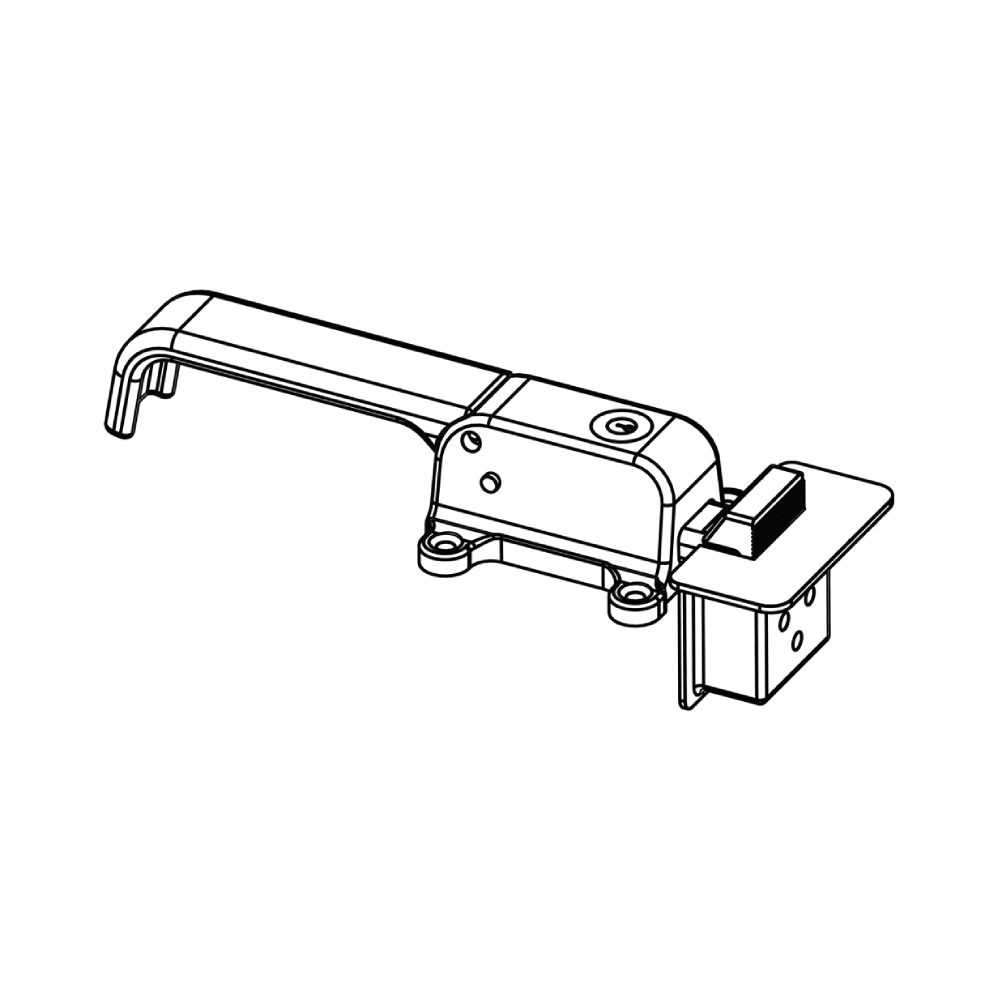
- Door handle: Because it is the most touched area, it should be listed separately in the cleaning list.
The door's contribution to hygiene is limited to its surface being cleanable. Hygiene and infection control rules are determined by the institution's own procedures. The door is only one part of that structure.
How Should Authorized Access and Opening From the Inside Be Planned for a Morgue Cold Room Door?
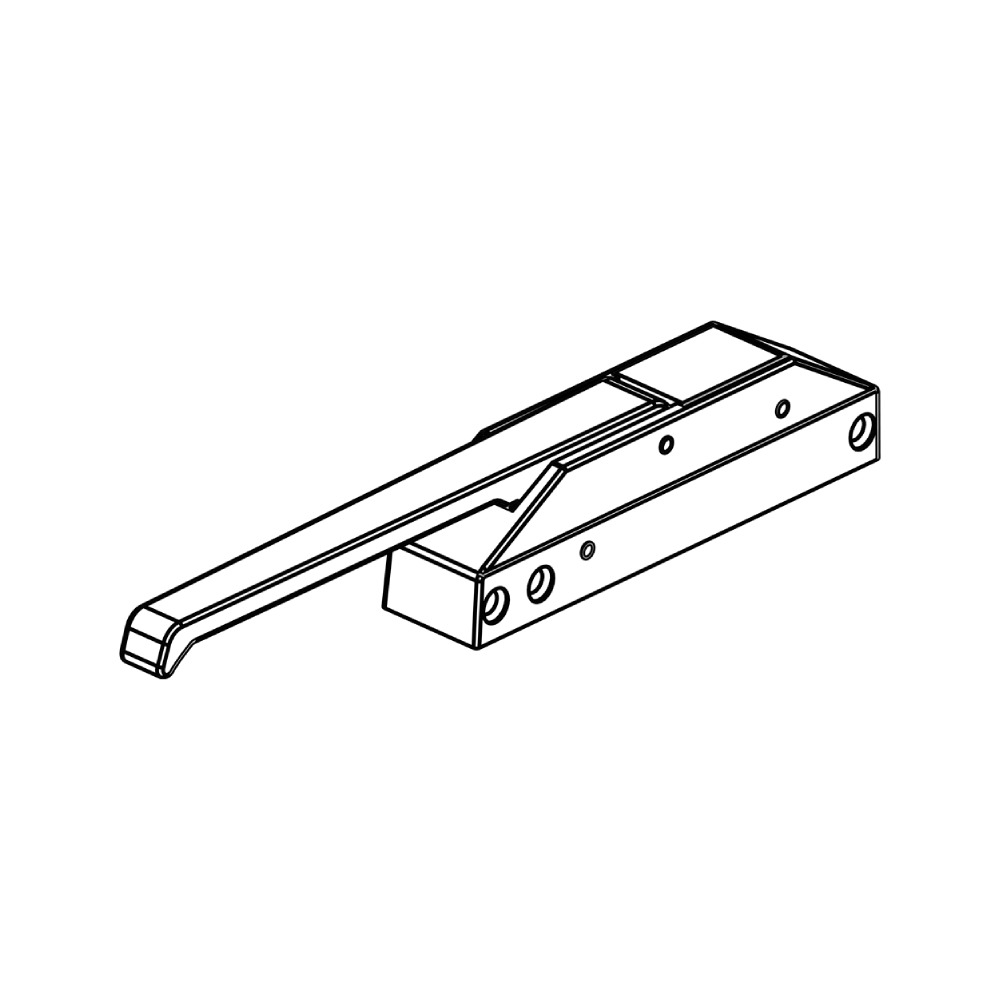
In a morgue, it is desired that only authorized staff enter the cold rooms. For this reason, the lock and security hardware of the door should be among the selection criteria. Which lock type is available on which model should be confirmed from the technical document. For hinge and lock options, see our articles on cold room door hinges and cold room door locks.
Alongside access control, safety should also be planned. In cold rooms, safety requirements such as being able to open the door from the inside, so that staff are not trapped inside, should be assessed separately. This requirement may vary according to the temperature of the room and the door type. It is recommended that it be determined together with the institution's occupational safety unit and the manufacturer.
How Are the Temperature Range and the Record-Keeping Responsibility Related to the Door?
The operating temperature of a morgue cold room is determined according to the project and the relevant regulations. No specific temperature or standard number is given in this article. Temperature monitoring, record-keeping and the steps to follow when a deviation occurs are the responsibility of the institution's procedure and the cooling system.
The door is a part of this structure, but it is not sufficient on its own. An insulated leaf and an airtight gasket help limit the effect of temperature changes on the room. How long the door stays open, how often it is opened and the capacity of the cooling system should be assessed together. In frequently used rooms, models with a self-closing mechanism help reduce the risk of the door being left open. Which model includes this mechanism should be confirmed from the technical document.
What Information Should Be Included in a Morgue Cold Room Door Specification?
When the specification is prepared, the following information should be clarified:
- Size and number of leaves: Net opening, single or double leaf, opening direction.
- Transport equipment: The width and height of the equipment that will pass.
- Threshold preference: With or without a threshold, and the floor structure.
- Operating temperature of the room: At what temperature the room will operate.
- Surface: The choice of hygienic PVC or stainless steel and compatibility with cleaning products.
- Hardware: Hinge, lock, handle and gasket type, and the requirement for opening from the inside.
- Documents: The product page states an ISO 9001 quality management system and CE compliance certificates. Their scope and validity should be confirmed with the company.
- Maintenance and spare parts: A periodic inspection plan and access to spare parts.
For size, type and hardware, you can contact the İmamoğlu Soğutma team.
Frequently Asked Questions About Morgue Cold Room Doors
Is a morgue cold room door a special product?
A morgue is not separately listed among the areas of use on the product page. The general features of cold room doors may also apply to a morgue, but the suitability of the model and size should be confirmed with the company.
What is the door size in a morgue based on?
It is based on the widest transport equipment that will pass. The width and height of the equipment and the maneuvering space in front of the door should be clarified at the project stage.
Should a door with or without a threshold be chosen in a morgue?
A thresholdless door makes the passage of equipment easier, and the arrangement of the bottom gasket is important. A door with a threshold can support sealing but may obstruct the passage. The decision is made according to the transport equipment and the floor.
Should stainless steel or an insulated door be chosen?
These two options are not alternatives to each other. Stainless steel refers to the surface, and insulation refers to the filling structure inside the leaf. They are considered together on the same door.
Does the door alone provide the storage conditions?
No. The door is a part of the cold room system. The conditions are provided together by the temperature, the cooling system, monitoring and the institution's procedures.
Is opening from the inside necessary on a morgue cold room door?
Safety requirements such as being able to open the door from the inside, so that staff are not trapped, should be assessed separately. The institution's occupational safety unit and the manufacturer should decide on this together.
How is the door maintained?
The gasket, hinges, lock and surface are checked regularly. The gasket is cleaned and replaced when damaged.