






Innovations and Future Trends in Cooling Technologies
Table of Contents
- What Are the General Trends That Stand Out in Cooling Technologies?
- Which Trend Concerns Which Product Group?
- What Does the Digitalization Trend Expect From the Cold Room Structure?
- What Does the Energy Efficiency Trend Draw Attention to in the Cold Room Structure?
- How Is the Sustainability Trend Read in Cold Room Structural Elements?
- What Does the Modular Design Trend Mean in Cold Room Planning?
- Which Questions Should Be Asked When Assessing News About Cooling Trends?
- Frequently Asked Questions About Trends in Cooling Technologies
What Are the General Trends That Stand Out in Cooling Technologies?
Trends in cooling technologies are mostly gathered under four headings: energy efficiency, digital monitoring, sustainability and flexible design. These headings are general directions that are often discussed in the sector. Each one describes not the product of a specific manufacturer but a shared discussion about how cold areas are designed and operated.
- Energy efficiency: The effort to reduce unnecessary energy use in the cold area.
- Digital monitoring: Temperature and other data being measured continuously, recorded and monitored remotely.
- Sustainability: Reducing environmental impact and resource use, and using products for a long time.
- Flexible design: The cold area being able to be expanded or changed according to need.
This article makes no forecast tied to a specific year or calendar. The aim is to show how these trends relate to the physical structure of the cold room. This approach provides a reading framework that stays valid even when the news gets old.
Even as trends change over time, the basic need of the cold area stays the same: to hold the temperature inside at the desired value and to limit the outside heat from entering. This need, regardless of which technology comes to the fore, requires the structure to be sound and well maintained.
Which Trend Concerns Which Product Group?
There are two main product groups in a cold area: cooling system equipment (such as the compressor, condenser and evaporator) and cold room structural elements (panels, doors, profiles and accessories). Most trends touch the first group directly. They affect the second group indirectly.
İmamoğlu Soğutma manufactures cold room doors, panels, profiles and accessories. The compressor, control system, sensors and software are not among the brand's products. For this reason, this article does not make an assessment of developments in cooling system equipment. It only addresses what the trends mean on the cold room structure side.
When assessing news about cooling system equipment, looking at which product group the news describes is the first step. For example, a software or compressor development does not directly lead to a result for door or panel products.
In the same way, an improvement on the door and panel side does not change the cooling system. The two groups complement each other. For this reason, clarifying from the start in a project which side is whose responsibility helps set expectations correctly.
What Does the Digitalization Trend Expect From the Cold Room Structure?
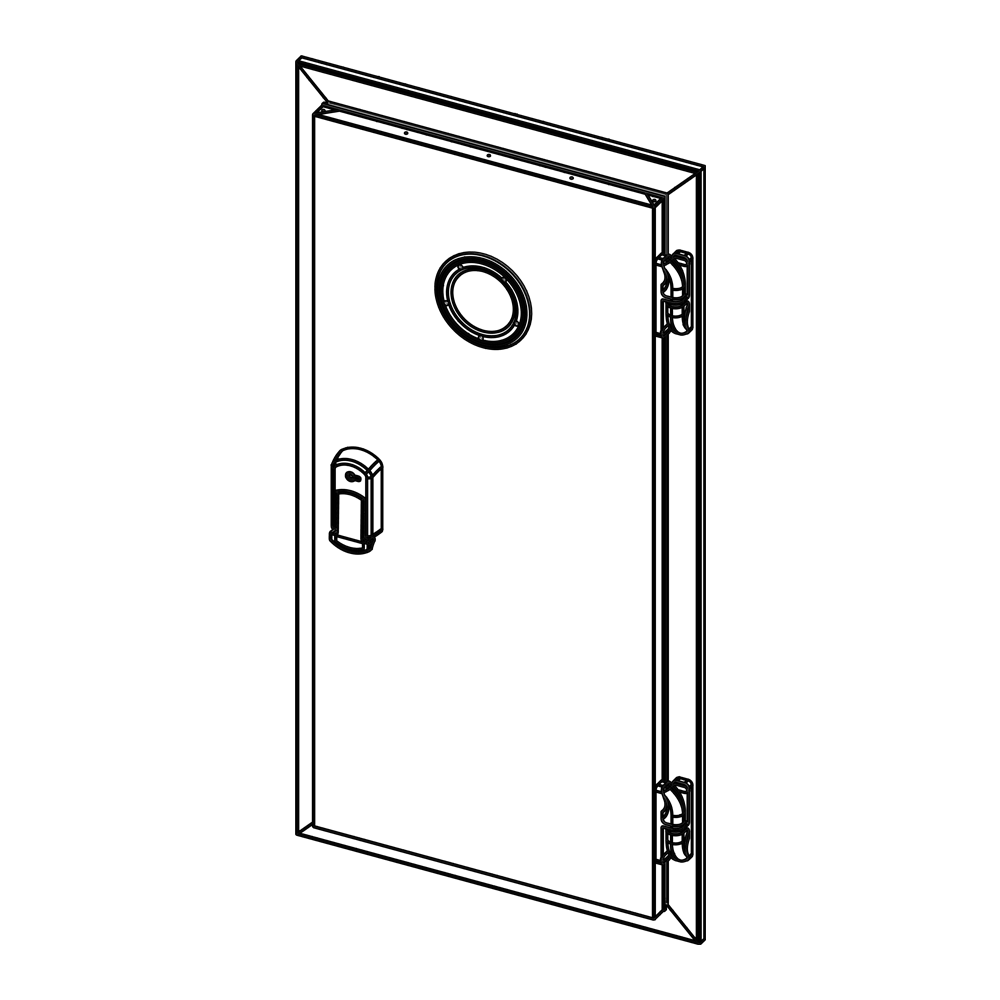
Digital monitoring collects temperature and humidity data continuously. This data gains meaning on the assumption that the structure of the cold room is sound. If the structure is weak, the data shows deviations, but to remove the deviation the door or the gasket needs to be corrected on site.
- Time the door stays open: Digital data can show the effect of this time. Shortening it, however, depends on how the door is used. Models with a self-closing mechanism help the door close when the leaf is released.
- Condition of the gasket: A slow rise in the data may be a clue that the gasket is wearing out. The exact cause should be checked on site.
- Closing arrangement: A door that has gone out of alignment may be related to repeating deviations in the data.
The claim that digital data can predict failures is not valid for every system and every component. The scope of such claims should be confirmed in writing with the supplier of the system concerned. For door checks, see the article on the cold room door.

What Does the Energy Efficiency Trend Draw Attention to in the Cold Room Structure?
The energy efficiency trend values limiting the heat entering the cold area. On the structure side, this turns into a few concrete points:
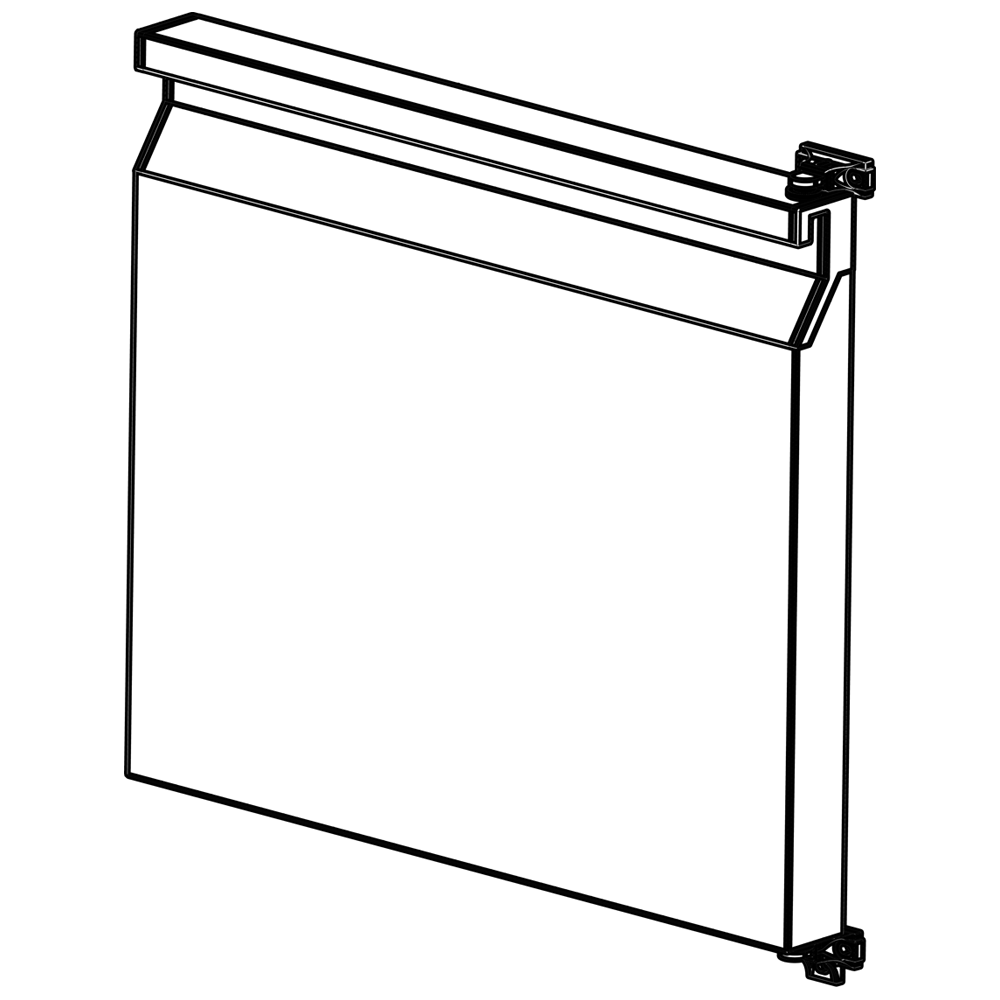
- Insulation structure: The high-density injected polyurethane foam filling inside the door leaf contributes to holding the temperature.
- Gasket: It limits air passage between the leaf and the frame. A gasket that is torn or hardened should be renewed.
- Closing arrangement: The door needs to close fully and the structure around it needs to be in alignment.
- Time open: For short jobs the door can be held at a 90-degree angle, and it should be closed right away when the work is done.
Insulation and sealing are often overlooked in energy efficiency discussions, because technological innovations draw more attention. Yet limiting the heat entering the cold area is, whichever cooling technology is used, one of the basic factors affecting the load on the system.
To what extent these measures change energy consumption differs in every facility and requires measurement. No specific savings rate is given in this article. Which feature is found in which model should be confirmed from the technical document on the product page.
How Is the Sustainability Trend Read in Cold Room Structural Elements?
Sustainability is usually described with the goal of reducing environmental impact and resource use. On the structural elements side, this goal can mean that the product can be used trouble-free for a long time and kept going with maintenance:
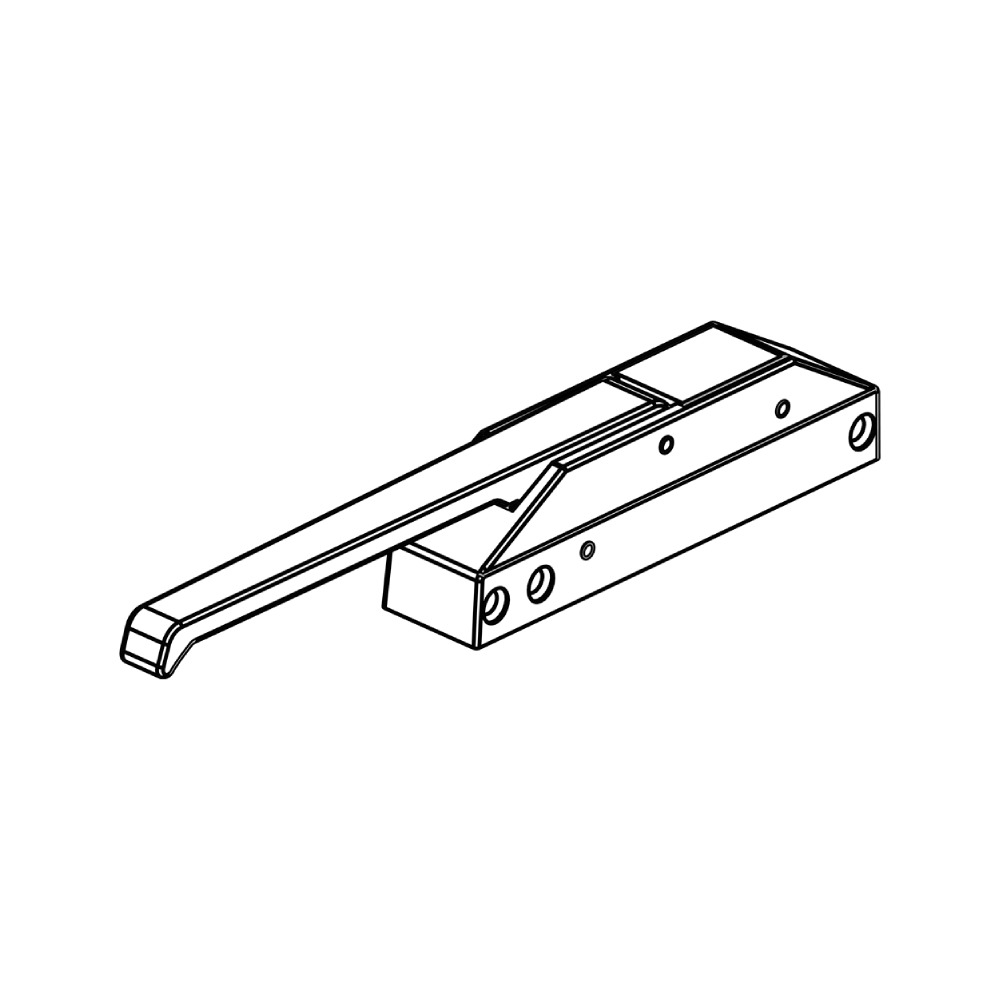
- Maintenance and spare parts: Being able to renew a worn gasket, hinge or lock with a spare part can reduce the need to replace the whole door. İmamoğlu Soğutma offers these parts as accessories. For the options, see the articles on cold room door hinges and cold room door locks.
- Regular checks: Noticing small faults early can extend the life of the part.
This article does not claim that any product reduces its carbon footprint or does less harm to the environment. If such a statement is needed, it should be based on measurement and documents and confirmed in writing with the company. Matters on the system side, such as refrigerant choices, depend on the relevant regulations and the system supplier.
When sustainability claims are assessed, one should look at which product and which measurement the claim rests on. General statements that cannot be measured do not help in making decisions.
What Does the Modular Design Trend Mean in Cold Room Planning?
Modular design rests on the idea that the cold area can be expanded or rearranged as needs change. At the planning stage, this trend turns into the following questions:
- Will a new room be added in the future, and would the existing door positions block that?
- Do the door and panel dimensions suit a future change of equipment?
- Can maintenance and spare parts management be made easier by using the same hardware family in different rooms?
Which dimension and joint options the panel and door products offer should be confirmed from the technical document on the product page. For door planning in multi-room warehouses, see the article on the cold storage warehouse door.
Flexible design does not mean giving up on meeting today's need correctly. First the current number of rooms, their size and the intensity of use should be clarified, and then room should be left for possible growth.
Which Questions Should Be Asked When Assessing News About Cooling Trends?
Broad and bold statements are often seen in trend articles. When assessing a news item or a promotion, the following questions are useful:
- Which product group is being talked about? System equipment or structural element?
- What is the source of the claim? Is there a measurement, a document or a written technical document?
- Is a rate given? If so, does it state under which conditions and in which facility it was measured?
- What is the scope? Does the claim apply to all models or to a specific model?
- Date and validity: Which period the information belongs to and whether it is still current.
The product page states that cold room doors can be used down to -60 °C and states ISO 9001 and CE. Which product a document covers and whether it is current should be confirmed with the company. For size, type and hardware, you can contact the İmamoğlu Soğutma team.
Frequently Asked Questions About Trends in Cooling Technologies
Which trends stand out in cooling technologies?
Energy efficiency, digital monitoring, sustainability and flexible design are the general trends often discussed in the sector.
On which side of these trends does İmamoğlu Soğutma stand?
It manufactures cold room doors, panels, profiles and accessories. The compressor, control system, sensors and software are not among the brand's products.
Do digital systems detect failures in advance?
This claim is not valid for every system and component. Its scope should be confirmed in writing with the supplier of the system concerned. A check of the door and the gasket on site is still needed.
How much does a cold room door reduce energy consumption?
A fixed rate cannot be given. The effect varies according to the facility, the equipment and the conditions of use and can only be determined by measurement.
Is a product environmentally friendly?
This article makes no such statement. Claims about environmental impact should be based on measurement and documents and confirmed in writing with the company.
How should trend news be approached?
One should look at which product group is mentioned, the source of the claim, its scope and its date. If a rate is given, the measurement conditions should be asked about.
When the cooling technology is renewed, should the door and panel also be renewed?
Not always. The condition of the door and panel is assessed through gasket and hinge checks. If a new system will be installed, whether the existing structure suits the requirements of the new system should be clarified together with the project engineer.
Which documents should be requested for a cold room door?
The product page states ISO 9001 and CE. Which product a document covers and whether it is current should be confirmed with the company.