







Hotel Cold Room Door
Table of Contents
- In Which Hotel Units Is a Hotel Cold Room Door Used?
- How Are Cold Room Doors Chosen So That They Fit Together in a Multi-Unit Hotel?
- How Does the Difference Between Busy and Quiet Seasons Affect the Door?
- How Does the Product Flow From Goods Receiving to the Kitchen Determine the Door Position?
- How Should the Surface and the Insulation Be Considered Together on a Hotel Cold Room Door?
- How Are Authorized Access and Staff Safety Planned in a Hotel?
- How Is a Maintenance and Spare Parts Plan Prepared for a Hotel Cold Room Door?
- What Information Should Be Included in a Hotel Cold Room Door Specification?
- Frequently Asked Questions About Hotel Cold Room Doors
In Which Hotel Units Is a Hotel Cold Room Door Used?
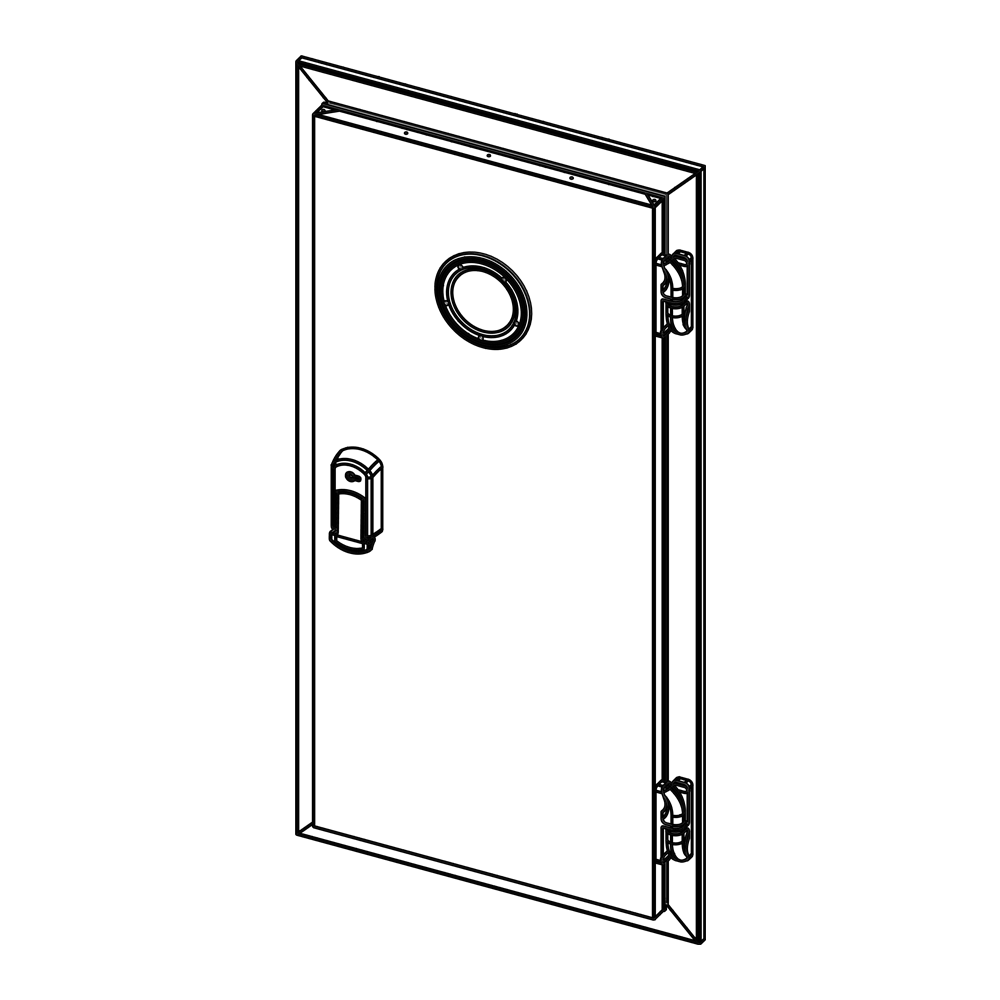
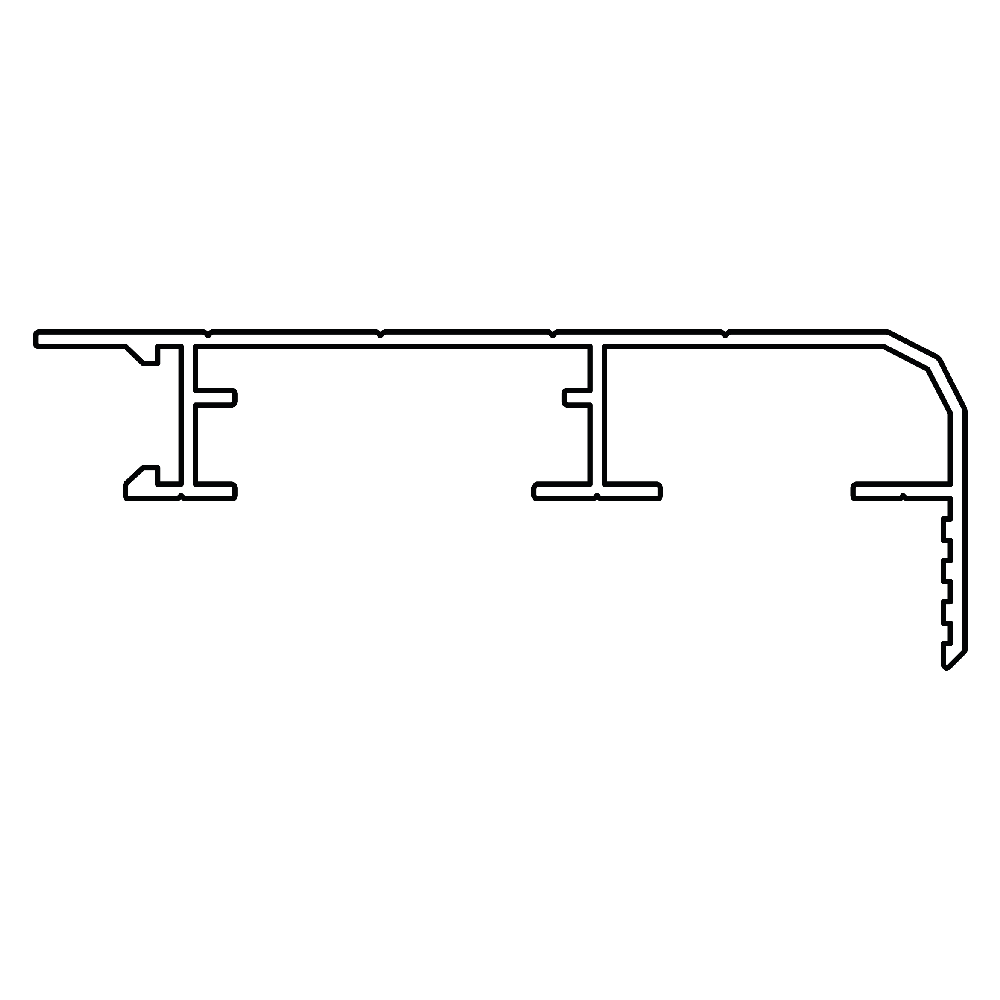
A hotel cold room door is the insulated door used at the entrance of the cold rooms where food and beverages are stored in a hotel. İmamoğlu Soğutma's cold room service doors are offered in single-leaf or double-leaf versions, with aluminum edge profiles, high-density injected polyurethane foam filling supported by PVC-covered or galvanized steel, and airtight gasket systems. Although the hotel is not mentioned separately on the product page, businesses that provide food and beverage service are considered among the areas where cold room doors are used.
In a hotel, the cold room is not in a single place. Depending on the scale of the hotel, separate rooms may be found in different units:
- Main kitchen: These are the rooms where daily production takes place and vegetables, meat and dairy products are kept.
- Pastry and preparation sections: These are small rooms that need a separate temperature or arrangement.
- Banquet and event kitchen: These are the rooms where products wait before mass service.
- Bar and beverage storage: These are the rooms where beverages are stored in the cold.
- Main storage: This is the area where products from goods receiving are first left and kept for a long time.
What each unit expects from the door is different. This article focuses on thinking about a hotel's several cold rooms together and on planning the doors within the hotel as a whole. For use in the kitchen of a single restaurant, see the article on the restaurant cold room door, and for the service door in hotel kitchens and housekeeping areas, see the article on the service door for hotel kitchens and housekeeping.
How Are Cold Room Doors Chosen So That They Fit Together in a Multi-Unit Hotel?
When a hotel has more than one cold room, thinking about the doors as a whole rather than one by one makes the work easier. The temperature, frequency of use and product flow of each room are different, but choosing the doors from the same hardware family brings some practical advantages:
- Ease of maintenance: When the same type of hinge, lock and gasket is used, there is a single checklist.
- Spare parts management: The variety of parts to keep in stock decreases.
- Staff familiarity: Teams working in different units get used to the same door arrangement.
Even so, the door does not have to be the same for every room. A frequently used main kitchen room and a rarely used auxiliary room do not have the same expectations. Which room the door will serve, the temperature of the room and the frequency of passage should be assessed together. For a general comparison of door types, see the article on what the types of cold room doors are.
As the number of rooms in a hotel grows, it is also useful to keep a list of which door belongs to which room. This list helps maintenance records and spare parts orders run in an orderly way.
How Does the Difference Between Busy and Quiet Seasons Affect the Door?
Occupancy in hotels changes with the season. In the busy season, the door opens and closes much more often in the kitchen, banquet and storage units. In the quiet period, some rooms are used very little. This difference affects the maintenance and the choice of doors:
- Busy period: The gasket, hinge and lock wear faster. Whether the door closes fully should be checked more often.
- Quiet period: In rarely used rooms, the door stays in the same position for a long time. In this period, the gasket and hinge can be checked before the season starts.
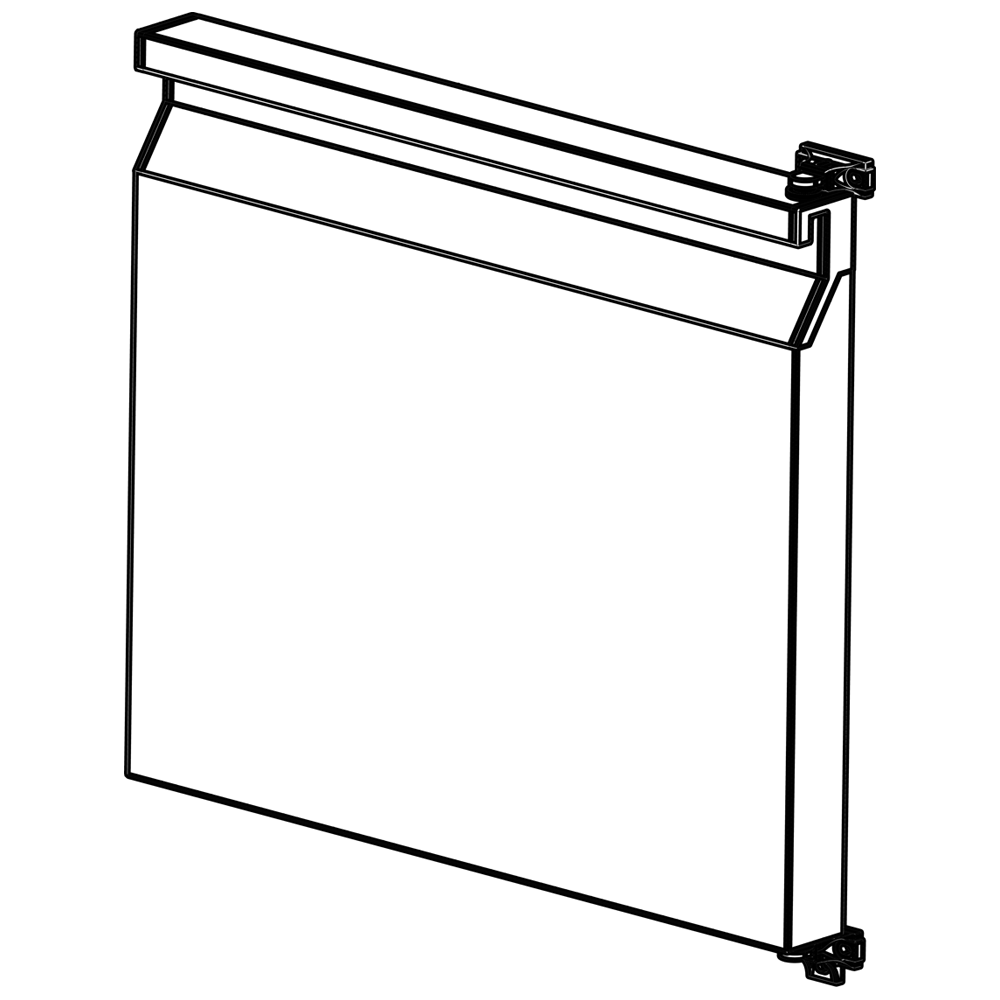
To shorten the time the door stays open in the busy period, models with a self-closing mechanism can be considered. Because the door can be held at a 90-degree angle, the leaf does not close on its own during short loading or carrying. The door should be closed right away when the work is done. Which model has which feature should be confirmed from the technical document on the product page.
A short door check at the start of the season helps prevent faults that may appear in the busy period. On the product page, the cold room service door is described as hinged-opening and for low to medium traffic use. At a point where the intensity is very high, which door type is suitable should be assessed separately and the company should be consulted.

How Does the Product Flow From Goods Receiving to the Kitchen Determine the Door Position?
In a hotel, the product moves from goods receiving to storage, from storage to the kitchen and from there to the preparation sections. The door position should be planned according to this flow:
- Goods receiving exit: This is the first door passed when products are unloaded from the vehicle. Pallet or cart passage at this point determines the door size.
- Between storage and kitchen: This is the line where the product moves most often. Keeping the doors close to this line reduces unnecessary walking distance.
- Preparation sections: Small rooms are the last waiting point of the product.
When the door size is decided, the widest load and equipment that will pass is taken as the basis: the width of the pallet, pallet truck or cart, the height of the load and the maneuvering space in front of the door. A double leaf can be considered for passages that need a wide opening. The threshold preference also affects the flow. For options with and without a threshold, see the articles on the cold room door with threshold and the threshold-free cold room door. For the number and position of doors in multi-room warehouses, the article on the cold storage warehouse door is useful.
How Should the Surface and the Insulation Be Considered Together on a Hotel Cold Room Door?
The surface and the insulation are not alternatives to each other. They are two separate layers on the same door: the surface is the material visible on the outside of the door, and the insulation is the filling structure inside the leaf.
On the surface side, there are hygienic PVC or stainless steel options. The choice is made according to cleaning frequency, the cleaning products used and the intensity of crate or cart impacts. On the insulation side, there is high-density injected polyurethane foam filling. Performance in holding temperature does not depend on the surface material alone. The filling structure, the gasket and the way the door closes are also decisive.
In a hotel, the doors of different units see different use. The door in the main kitchen may be cleaned often, while the door of an auxiliary room may be cleaned less often. For this reason, the surface preference can be made according to the intensity of use of the unit. Which feature is found in which model should be confirmed from the technical document on the product page.
How Are Authorized Access and Staff Safety Planned in a Hotel?
A hotel has more than one shift and many staff members. For this reason, who will access which door should be decided in advance:
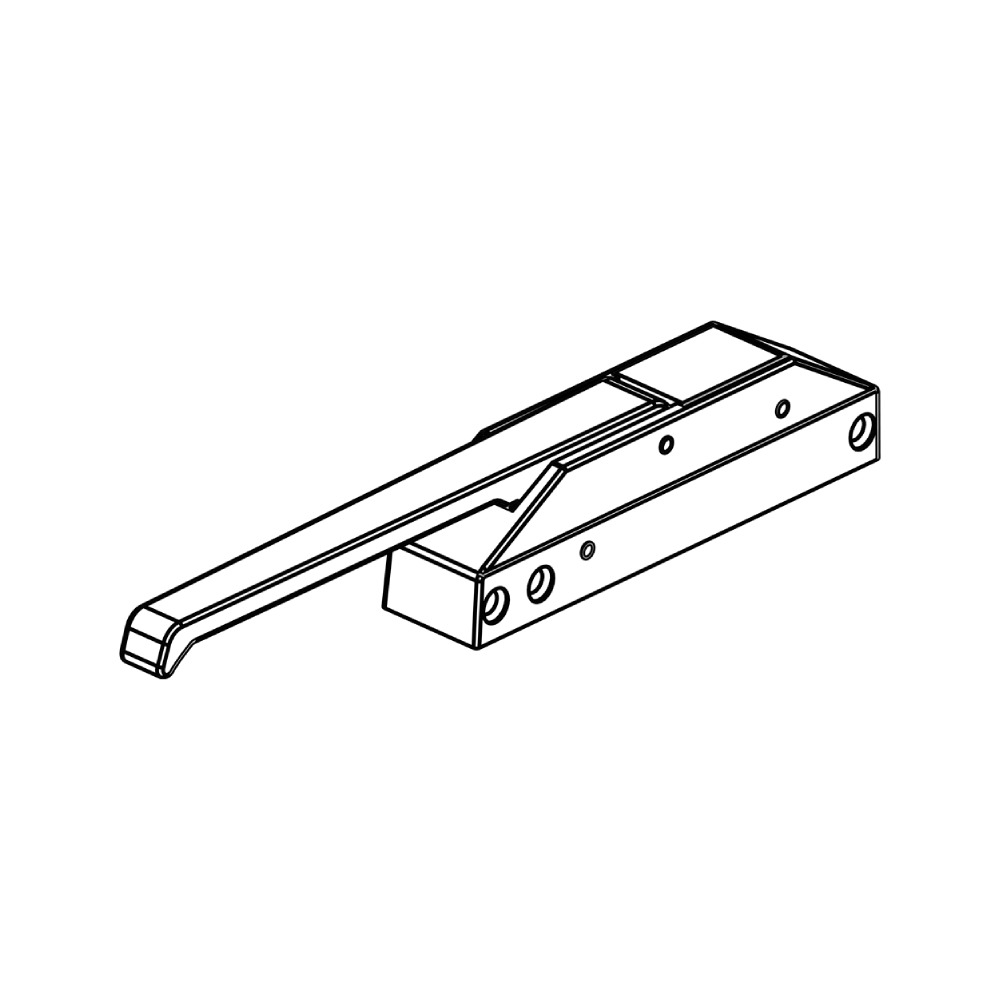
- Lock type: In frequently used rooms, an easily opened lock can be considered; in rooms with valuable or sensitive products, a lock that supports authorized access. For the options, see the article on cold room door locks.
- Hinge: Sagging or shifting of the leaf can disturb the closing. For the options, the article on cold room door hinges is useful.
- Opening from the inside: Safety requirements, such as keeping staff from being trapped in the room, should be assessed separately and determined together with the occupational safety unit and the manufacturer.
Which lock type is found in which model should be confirmed from the technical document. Access rules are set according to the business's own procedure. The door is hardware that supports this procedure and does not ensure safety on its own.
How Is a Maintenance and Spare Parts Plan Prepared for a Hotel Cold Room Door?
Because a hotel has many doors, the maintenance plan can be gathered in a single table. A simple checklist may include the following:
- Gasket: Does it seat properly between the leaf and the frame, and is there tearing, hardening or dirt?
- Bottom gasket: On a thresholdless door, does it sit properly on the floor?
- Closing: Does the door close fully when released?
- Hinge: Has the leaf sagged or lost its alignment?
- Lock and handle: Do they open and close easily?
- Surface: Are there crate, cart or pallet impact marks?
The results of the checks can be kept in the business's maintenance records. Worn parts should be replaced with spare parts when needed. İmamoğlu Soğutma also offers accessories such as the hinge, lock, handle and gasket alongside cold room doors. Which part suits which model should be confirmed with the company.
Over time, the records show which door causes problems more often. In this way, problem points can be noticed before a door fails.
What Information Should Be Included in a Hotel Cold Room Door Specification?
When the specification is prepared, the following information should be clarified:
- Door list: How many doors there will be in which unit and which room each door belongs to.
- Size and number of leaves: Net opening, single or double leaf, opening direction.
- Equipment that will pass: Pallet, pallet truck or cart dimensions and the number of daily passages.
- Operating temperature of the room: Chilling or freezing, and which products will be stored.
- Surface: Hygienic PVC or stainless steel, and compatibility with cleaning products.
- Hardware: Hinge, lock, handle and gasket type, and the need for opening from the inside.
- Threshold preference: With or without a threshold, and the floor structure.
- Need for self-closing: Whether a model with a mechanism is needed for frequently used rooms.
- Documents: The product page states an ISO 9001 quality management system and CE compliance. Their scope and validity should be confirmed with the company.
- Maintenance and spare parts: A periodic inspection plan and access to parts.
Opening a separate line for each door prevents misunderstandings when the temperature and traffic of the rooms differ. For size, type and hardware, you can contact the İmamoğlu Soğutma team.
Frequently Asked Questions About Hotel Cold Room Doors
Is a hotel cold room door the same as a restaurant cold room door?
The product family may be similar, but the way it is used is different. In a hotel, several units, many rooms and seasonal intensity stand out. In a restaurant, the service hours of a single kitchen come to the front.
Should the same door be chosen for every cold room in a hotel?
It is not required. If the temperature and frequency of passage of the rooms differ, different structures may be needed. Preferring the same hardware family makes maintenance and spare parts management easier.
What should be done for the door in the busy season?
The gasket, hinge and lock should be checked before the season starts. For frequently used rooms, a model with a self-closing mechanism can be considered.
Should a stainless steel door or an insulated door be preferred?
These two options are not alternatives to each other. Stainless steel refers to the surface, and insulation refers to the filling structure inside the leaf. They are considered together on the same door.
How is the size determined for a door that pallets or carts pass through?
It is determined according to the widest load and equipment that will pass. The width, height, load and maneuvering space should be clarified at the project stage.
Does the door alone ensure food safety?
No. The door is a part of the cold room system. Food safety is ensured together by the cooling system, temperature monitoring and the business's cleaning and hygiene plan.
Which documents should be requested for a hotel cold room door?
The product page states ISO 9001 and CE. Which model a document covers and whether it is current should be confirmed with the company.