







Cold Room Door Moulding
Contents
- What Is a Cold Room Door Trim and Which Part of the Door Does It Correspond To?
- What Measurements Should Be Taken Before Ordering a Door Trim?
- How Is the Door Trim Material Chosen?
- What Information Should Be Requested in Writing When Ordering a Door Trim?
- Which Items Make Up the Price of a Door Trim?
- In What Order Is a Door Trim Installed?
- What Checks Should Be Made on a Delivered Door Trim?
- How Do Door Trim Expectations Change by Area of Use?
- How Is Responsibility Shared Between the Door Trim, Door Accessories and Profile Products?
- Frequently Asked Questions About Cold Room Door Trims
What Is a Cold Room Door Trim and Which Part of the Door Does It Correspond To?
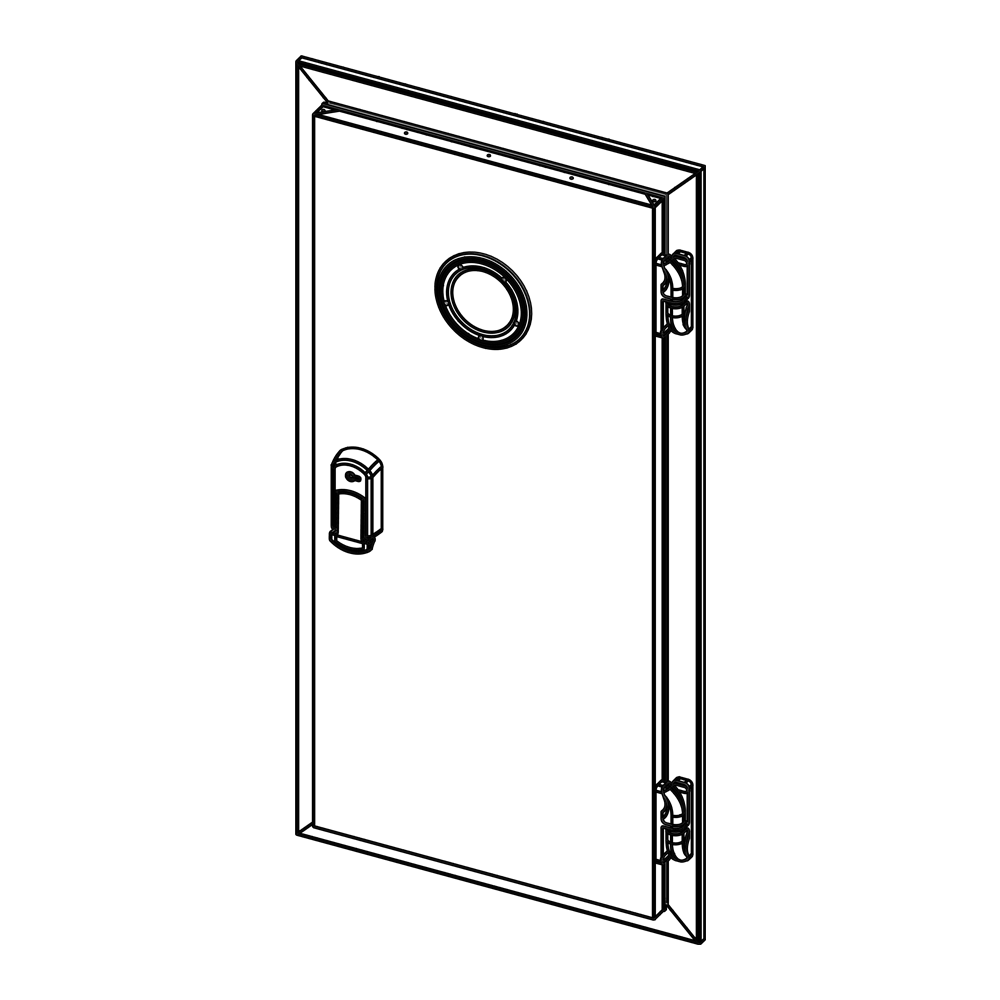
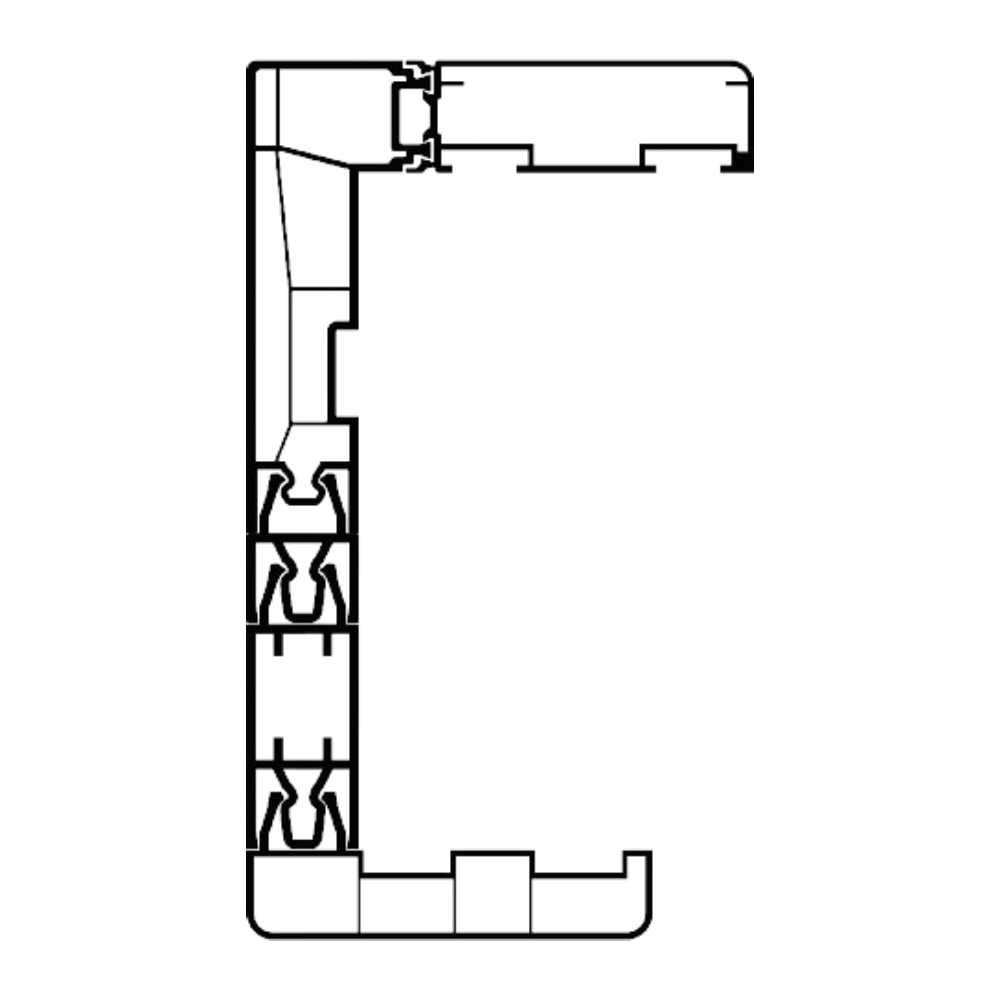
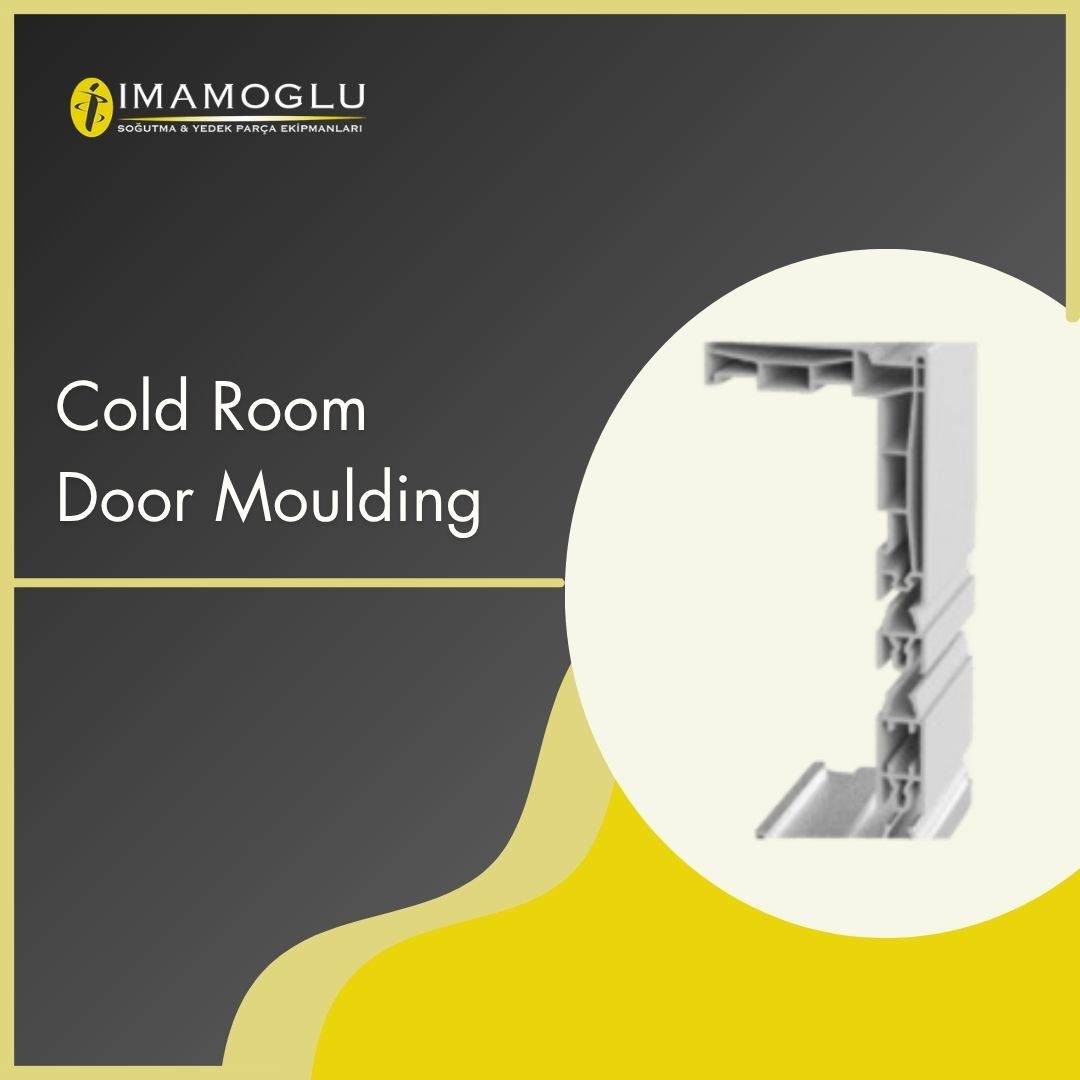
A cold room door trim is the profile that surrounds the door opening and covers and frames the joint between the panel edge and the door frame. The trim does not leave the panel exposed at its cut edge; it gives the area around the door a neat finishing line and gathers the joints together. This article treats the door trim as a product choice and ordering process: which measurements are taken, which information is requested in writing, in what order installation proceeds and what to look at on delivery.
Because several different words are used in the industry for the same area, it helps to separate them from the start. The door trim is the finishing and covering profile around the door opening. The threshold is the floor transition at the bottom of the door. The frame is the surround that carries the door leaf. Mixing up these three parts when ordering means a wrong measurement and a wrong product. For the difference between doors with and without a threshold, see the articles on the cold room door with threshold and the threshold-free cold room door.
The door trim is not an insulation element on its own. It is a joining part that works together with the door leaf, the gasket and the panel. A result such as reduced cold air loss should be expected not from the trim but from these parts being installed correctly together. No energy-saving rate is given in this article; the real effect varies with the facility and its use.
What Measurements Should Be Taken Before Ordering a Door Trim?
How well the trim fits depends on where the measurement is taken. The following measurements should be settled before ordering:
- Door opening width and height: The actual size of the opening after the panel has been cut should be measured; the size on the drawings alone is not enough.
- Panel thickness: The depth the trim will wrap around the panel edge is set by the panel thickness. The thickness value should be taken from the panel's technical document.
- Number and type of corners: How the four corners will be joined affects the cutting and the number of parts.
- Total length: The perimeter of the opening is calculated with a cutting allowance and waste added.
- Floor and bottom finish: Whether the door has a threshold or not changes the trim solution along the bottom edge.
- Wall and panel straightness: The plumbness and surface flatness of the panel determine whether the trim will sit flush.
Who takes the measurement and who confirms it should be set in writing from the start. If the installation team takes the measurement, the manufacturer or supplier should confirm it with a signed measurement form. A trim made to the wrong measurement often means remaking it and waiting on site.
How Is the Door Trim Material Chosen?
For door trims, the industry uses aluminum, stainless steel, galvanized steel and coated surfaces. It is not correct to say that one material is the "best"; the choice is made according to the conditions of the facility:
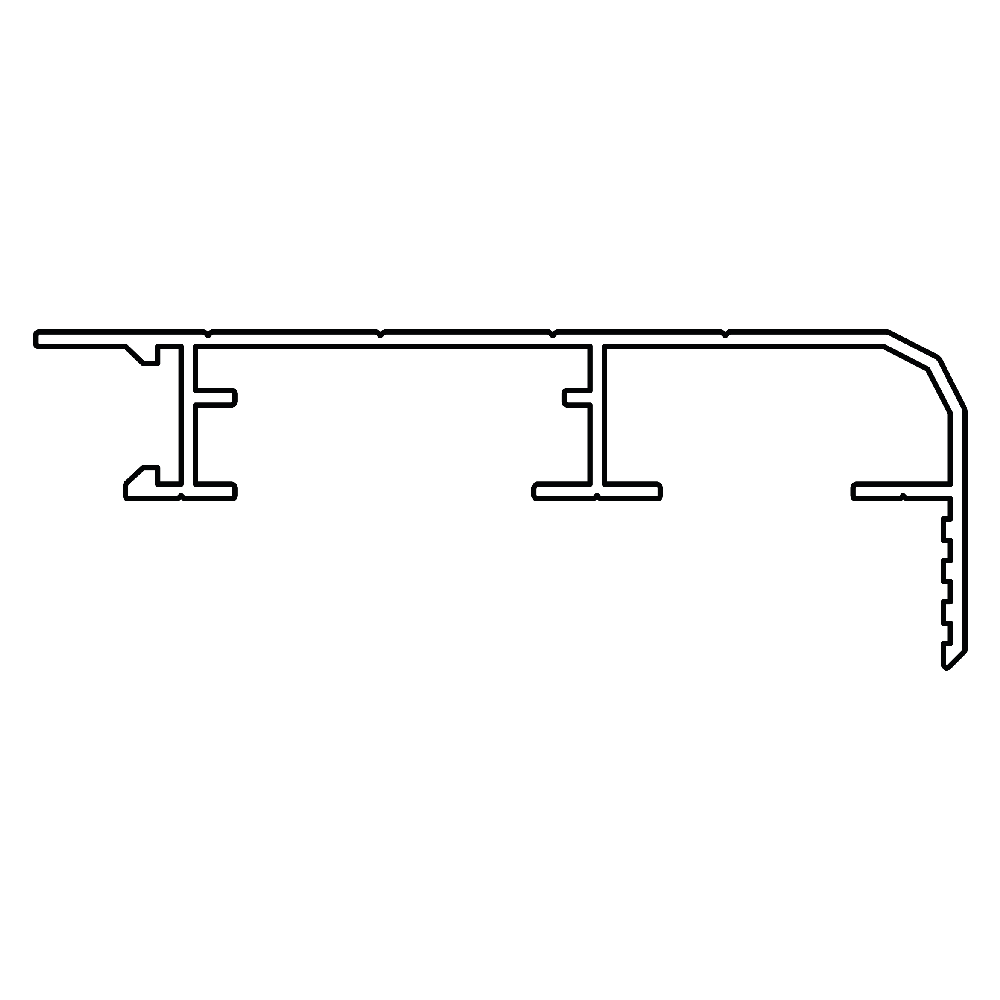
- Aluminum: A lightweight profile material. It is also used as an edge profile on cold room doors. It is often chosen for low and medium traffic use.
- Stainless steel: Preferred in areas where cleanability and appearance are high priorities. Which grade suits which environment should be asked of the manufacturer.
- Galvanized steel: A solution used to protect a steel supporting structure. How the protection continues if the surface is damaged should be learned separately.
- PVC-covered surface: May be chosen for an appearance that matches the panel surface and a surface that wipes clean easily.
In applications where thermal bridging is a concern, a thermally broken aluminum profile option also comes into question. For details, see the articles on the heat barrier aluminum profile and thermal break prevention profiles. This article gives no definite values for the durability, maintenance needs or temperature suitability of a trim material; this information should be taken from the product's technical document.

What Information Should Be Requested in Writing When Ordering a Door Trim?
When ordering a door trim, written information should be the basis rather than a verbal agreement. Asking the supplier for the following items in writing reduces disputes that may arise later:
- Product description: The profile model, cross-section size and which panel thickness it suits.
- Material and surface: The profile's material, surface treatment or coating.
- Color and appearance options: Which options are offered to match the panel and door surface.
- Size and quantity: Part lengths, corner joints and total quantity.
- Compatible parts: Compatibility with the door frame, gasket and other profiles.
- Technical document: A technical document showing the operating conditions stated for the product.
- Certificates: The product page states ISO 9001 and CE; their scope and validity should be confirmed with the company.
- Delivery time and packaging: The packaging method that ensures the parts arrive undamaged.
- Spare parts and replacement: Whether the same profile can be supplied again in case of damage.
When this information is in writing, comparing quotes also becomes easier. The difference between two quotes often comes from scope rather than price.
Which Items Make Up the Price of a Door Trim?
No figure is given for the door trim price in this article, because the price does not depend on a single measurement. A profile may be priced per meter or per piece, with extra items if special cutting and coating are needed. The main items that affect the price are:
- The profile's material and cross-section size
- Surface treatment, coating and color option
- Total length, number of corner pieces and need for special cutting
- Order quantity and project size
- Packaging, transport and delivery time
- Whether installation is included in the quote
Looking only at the unit price can be misleading. If corner pieces, fasteners and installation are not in the quote, the total cost may rise later. For an exact price, share the door and panel measurements and get a written quote, and check line by line what the quote covers.
In What Order Is a Door Trim Installed?
Door trim installation is part of the door and panel installation and should follow the manufacturer's method. The general flow consists of the following steps:
- Measurement check: The opening, the panel thickness and the arriving parts are compared with the order.
- Surface preparation: The panel edge and the area around the door are cleaned, and it is confirmed that they are dry and even.
- Trial fitting: Before fixing, the parts are placed in position and the corner joints and alignment are checked.
- Fixing: The parts are fixed in place with the connection method stated by the manufacturer. Which fastener or filler material is used should be taken from the product's installation instructions.
- Joint and gap check: Whether any gap remains between the trim and the panel and at the corners is checked by eye and by hand.
- Trial with the door: The door leaf is opened and closed, and it is checked whether the leaf rubs against the trim or the gasket.
Installation should be done by a team that knows the work. Accepting the trim without testing it together with the door and panel may create a need for adjustment and repair later. Hinge and lock adjustment should also be checked with the door at this stage; for details, see the articles on cold room door hinges and cold room door locks.
What Checks Should Be Made on a Delivered Door Trim?
Checking at the time of delivery keeps the cost of problems low. When the parts are taken out of the packaging, the following points should be inspected:
- Quantity and size: The number of parts and their lengths in the order should match what was delivered.
- Surface condition: Scratches, dents, coating damage or color differences should be looked for.
- Straightness: The profile should not be bent, curled or twisted.
- Cut and corner fit: It should be tried whether the corner pieces sit together.
- Label and documents: The product label and accompanying documents should match the order.
- Fasteners: It should be checked that the parts needed for installation have arrived complete.
If a missing or damaged part is noticed, the supplier should be notified in writing before installation starts. Fitting and using a part in place of a damaged one may lead to a dispute over replacement and warranty later. Recording these findings on the delivery note secures the process.
How the trim parts are stored until installation after delivery also matters. If the parts are left in a damp, dusty or impact-prone place, their surfaces may be damaged. Leaving the packaging closed until installation day and storing the parts on a flat floor without heavy loads on top reduces the risk of surface damage.
How Do Door Trim Expectations Change by Area of Use?
The priorities expected of a door trim vary with the facility in which the cold room is located:
- Food production and storage: Cleanability and frequent door use stand out. For warehouse scale, see the article on the cold storage door.
- Restaurant and hotel kitchens: Impact and cleaning frequency during busy service hours are decisive. For details, see the article on the restaurant cold room door.
- Pharmaceutical and healthcare areas: Record keeping, cleaning and document requests stand out. The relevant storage conditions are set by the applicable regulation and the quality unit. The trim is only one part of these conditions. For warehouse scale, see the article on the drug warehouse cold room door.
- Logistics and distribution centers: Because of pallet and pallet-truck passages, impact resistance and easy repair gain importance.
This article does not claim that a door trim complies with a specific regulation, hygiene rule or sector requirement. Compliance is assessed by the relevant regulations and the facility's quality unit.
Whatever the type of facility, the places where a door trim is stressed most over time are the corners and the bottom edge. In these areas, which come into contact with water and chemicals during cleaning and are exposed to impacts from vehicles and pallet trucks, the surface and joint line of the profile may wear faster. Deciding early, when ordering, whether you want extra protection or an easily replaceable part for these areas may let you replace only the damaged piece later instead of renewing the whole line. This decision depends on the facility's usage intensity and maintenance plan.
How Is Responsibility Shared Between the Door Trim, Door Accessories and Profile Products?
In a cold room, the door trim, door, accessories and panel are different parts, and the person responsible for each should be defined beforehand. For parts not bought from a single supplier, it may stay unclear who will fix a fit problem when one appears. To prevent this, the following questions should be answered in writing:
- Who will provide the trim measurement and who will confirm it?
- Do the door frame and the trim come from the same supplier, or from different sources?
- Who will carry out the installation and who will make the adjustment after installation?
- How will replacement work if a damaged or incompatible part arrives?
İmamoğlu Soğutma works in cold room doors as well as in the panel and profile product groups and in accessories such as hinges, locks, handles and gaskets. To compare door types, the article on the types of cold room doors can be used. Which trim profile suits a specific door model should be determined from the technical document on the product page and written confirmation from the company.
Frequently Asked Questions About Cold Room Door Trims
What is a cold room door trim?
It is the profile that surrounds the door opening and covers and frames the panel edge and frame joint.
Are a door trim and a threshold the same thing?
No. The door trim is the finishing profile around the opening, while the threshold is the floor transition at the bottom of the door.
Does a door trim save energy on its own?
No. The door trim is a joining part that works together with the door leaf, gasket and panel. A savings rate cannot be promised; the effect varies with the facility and its use.
Which material is best for a door trim?
There is no single best material. Aluminum, stainless steel, galvanized steel and coated surfaces are assessed according to the facility's conditions. Technical values should be taken from the product document.
Which measurements should be taken before ordering a door trim?
The actual width and height of the door opening, the panel thickness, the number of corners and the total length should be taken, and the measurement should be confirmed in writing.
How much does a door trim cost?
The price varies with material, cross-section, surface treatment, length, quantity and installation scope. A written quote with size and quantity information is needed for an exact price.
Can I install the door trim with my own means?
Installation must be tested together with the door and panel, and should be done by a team that knows the work, following the manufacturer's method.
Which trim profile suits which door?
The fit depends on the door model and panel thickness. The technical document on the product page should be reviewed and written confirmation obtained from the company.