







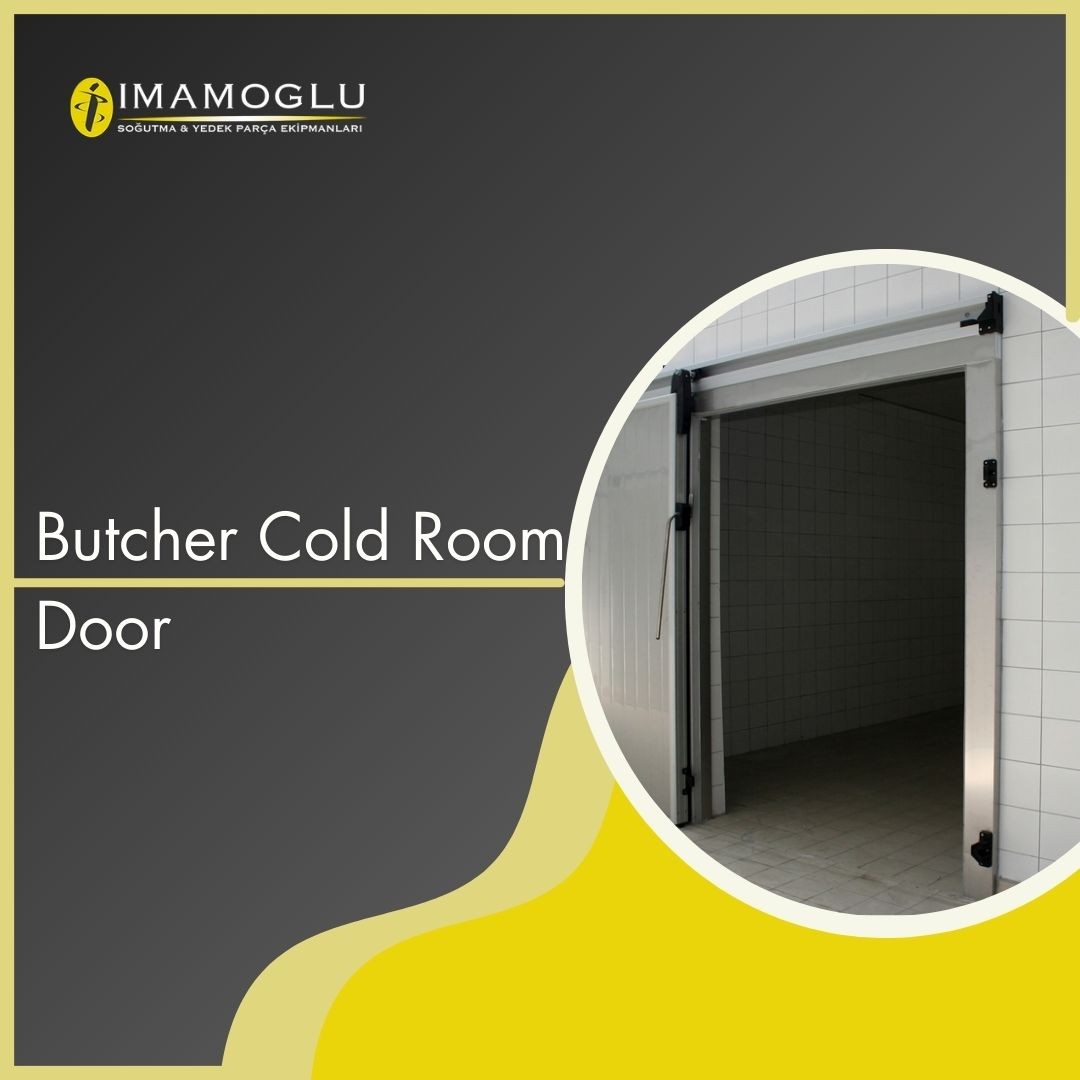
Butcher Cold Room Door
Table of Contents
- The Role of the Door in a Butcher’s Cold Room
- Fresh Meat and Frozen Product Rooms
- Which Door Type Suits a Butcher?
- Blood, Fat and Cleaning: Surfaces and Gaskets
- Shop Layout and Everyday Use
The Role of the Door in a Butcher’s Cold Room
In butcher shops, the cold room usually sits right behind the sales counter and sees many short visits during the day: storing carcasses or cuts delivered in the morning, taking meat to the counter, and putting products back at the end of the day. A butcher cold room door has to keep the room at temperature despite this frequent use.
Meat is one of the food groups most sensitive to microbial spoilage. A door that does not close properly or stays open for long causes temperature fluctuations and shortens product life.
Door choice for a butcher should therefore depend on the size of the shop, the number of daily entries and the type of products kept in the room.
Fresh Meat and Frozen Product Rooms
In cold rooms for fresh meat, the temperature is usually kept between 0°C and +4°C. Frozen meat and deli products require -18°C or below. The door should be chosen with insulation and a gasket system suited to the room’s operating temperature.
In freezer rooms, a heated frame is used to stop moisture around the door from freezing and sticking the gasket to the frame. In fresh meat rooms, what matters most is that the gasket seats fully against the frame every time, despite frequent opening and closing.
For butchers that store both fresh and frozen products, having two separate rooms with two separate doors avoids opening the freezer room unnecessarily and makes temperature control easier.
Which Door Type Suits a Butcher?
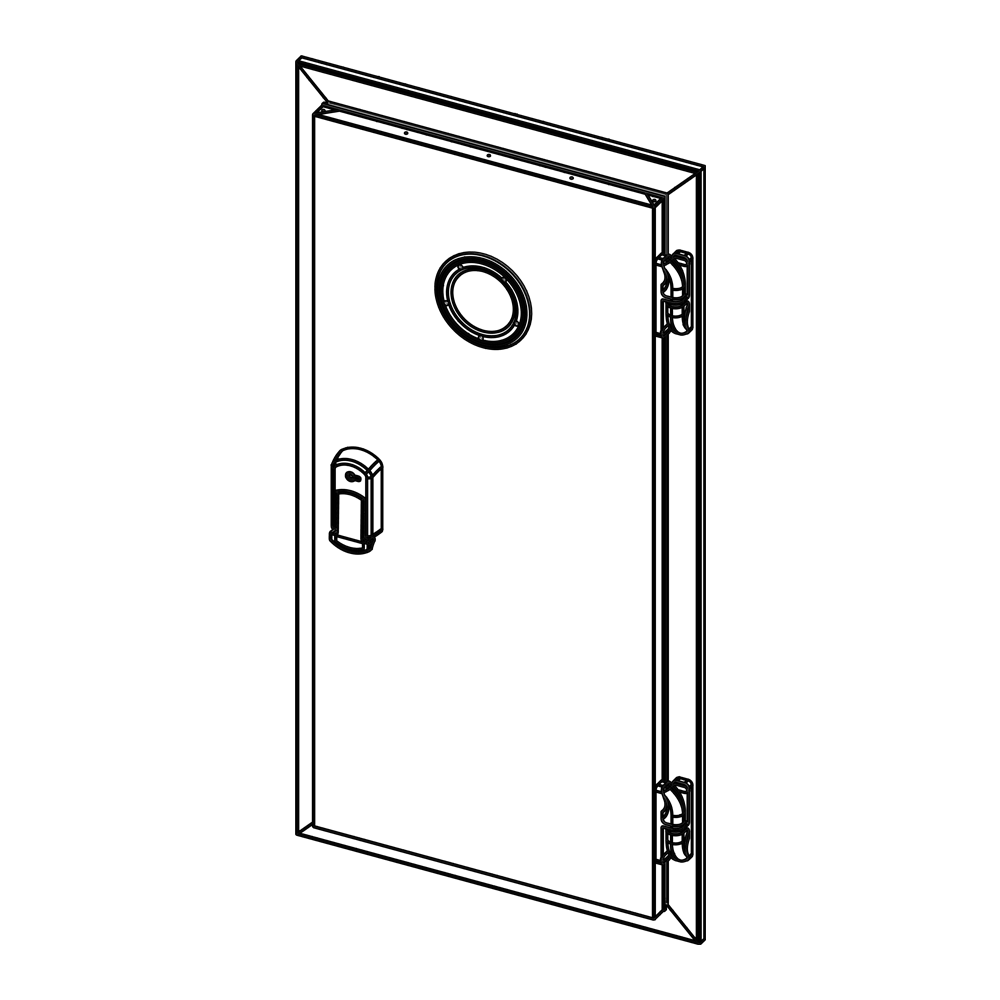
In small and medium-sized butcher shops, traffic is usually low to medium. For this kind of use, hinged service doors are a practical solution; models with an automatic closing mechanism reduce the risk of the door being left open.
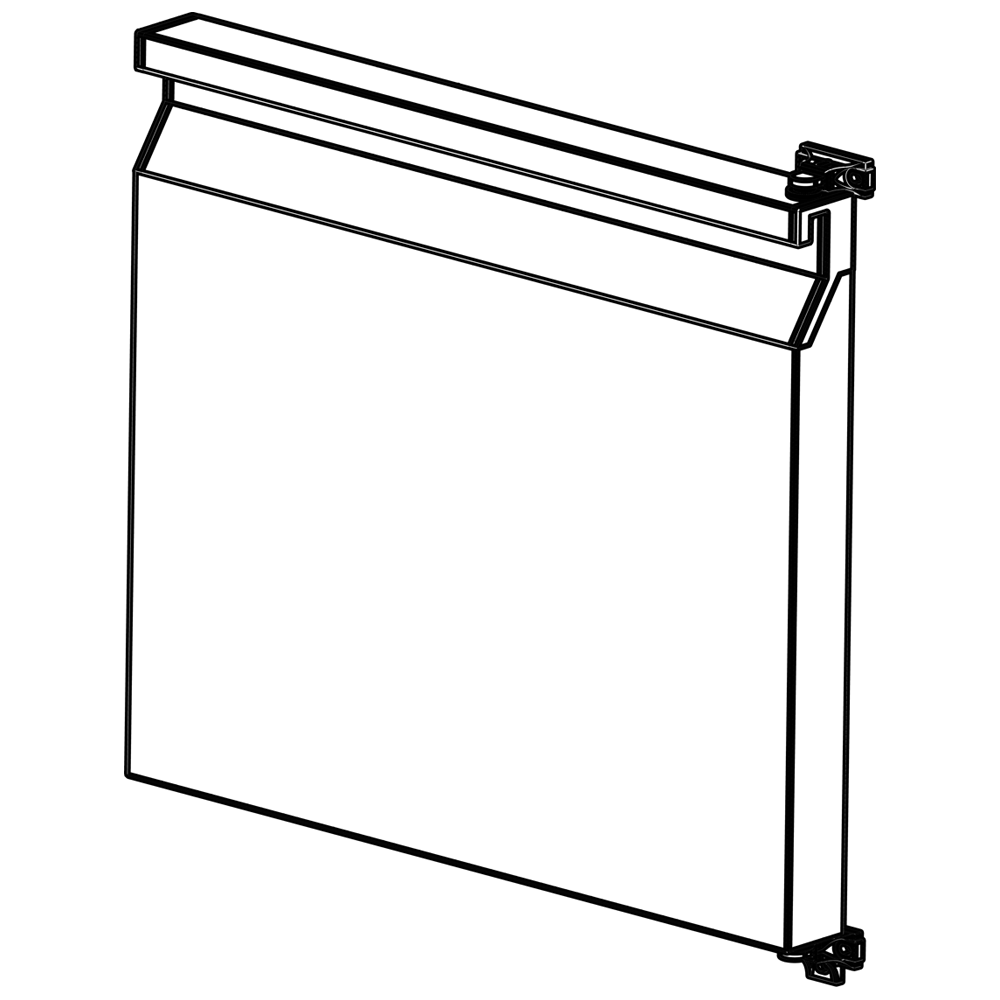
In busier butcher and deli businesses, where staff frequently pass with their hands full of carcasses or crates, double-action, impact-resistant swing (impact) doors are more suitable. They can be pushed through without using a handle.
For large wholesale meat stores where big loads are moved by pallet truck, sliding doors offering a wide opening can be considered.

Blood, Fat and Cleaning: Surfaces and Gaskets
In a butcher’s cold room, the door surface and gaskets come into contact with blood, fat and meat residue. Under HACCP principles and food legislation, these surfaces are expected to be easy to clean and disinfect.
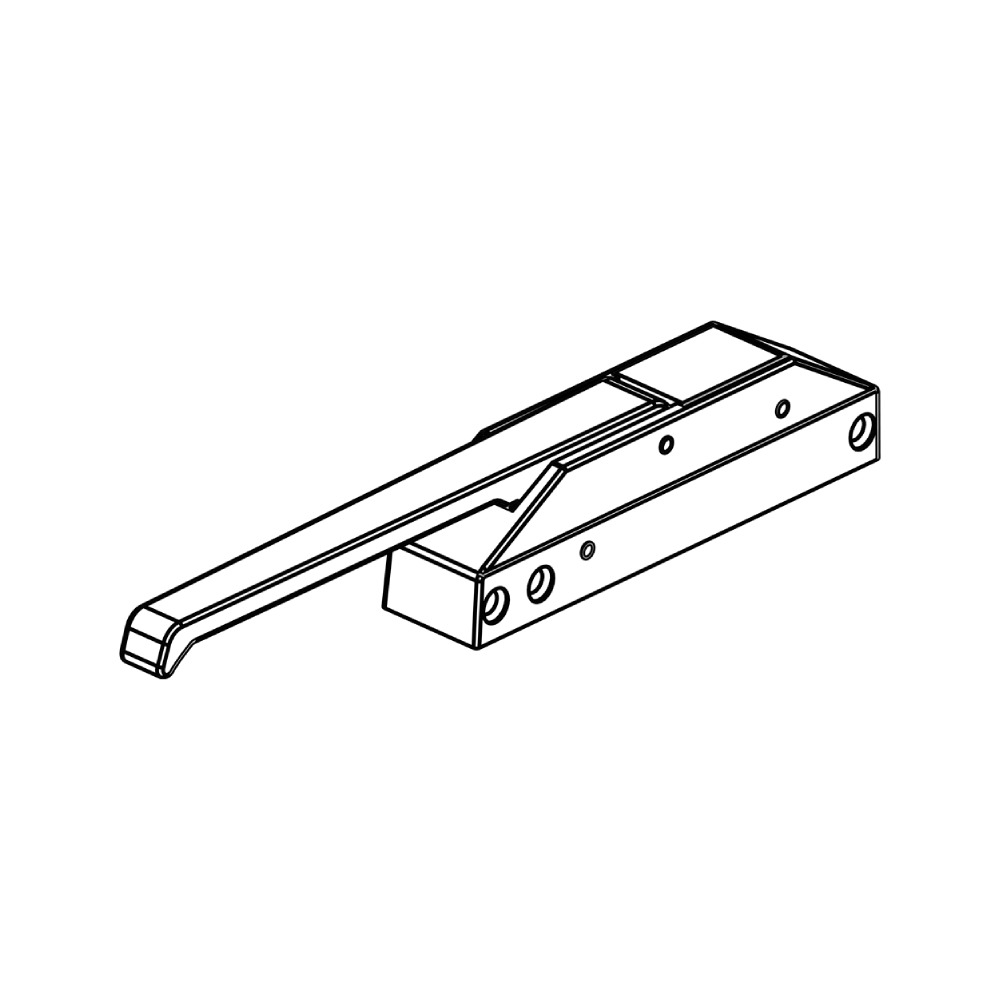
A flat, joint-free leaf surface limits the build-up of dirt and grease. The handle and its surroundings, the lower part of the leaf and the frame joints deserve particular attention in daily cleaning.
Residue collecting in the gasket folds is both a hygiene problem and a cause of lost flexibility. Gaskets should be cleaned regularly, and torn, hardened or crushed gaskets replaced without delay.
Shop Layout and Everyday Use
The cold room door should be positioned to give the shortest route between the butcher’s counter and the room. The opening direction of the leaf should be chosen so it does not obstruct the work area behind the counter or staff movement.
Planned placement of products inside the room shortens the time the door stays open: frequently used cuts should be kept on shelves or hooks near the door, and items should be fetched in one trip where possible.
Regularly check whether light shows around the edges of the closed door, the condition of the gaskets and whether the inside safety release works. For the right door type and size for your shop, you can contact the Imamoğlu team.