



5 Critical Factors to Consider When Choosing a Cold Room
Table of Contents
- Which 5 Factors Determine the Choice of a Cold Room?
- First Factor: How Are the Stored Product and the Purpose of Use Determined?
- Second Factor: How Are Capacity and Load Flow Taken Into Account?
- Third Factor: How Are the Temperature Range and Room Separation Planned?
- Fourth Factor: How Are the Door and Structural Elements Assessed?
- Fifth Factor: Why Do Maintenance, Documents and Division of Work Matter?
- Which Mistakes When Buying a Cold Room Cause Extra Cost?
- Frequently Asked Questions About Choosing a Cold Room
Which 5 Factors Determine the Choice of a Cold Room?
Choosing a cold room is decided not in a single product but in several interconnected decisions. This article gathers the decisions into five factors and explains separately what each factor rests on:
- First factor: The stored product and the purpose of use.
- Second factor: Capacity and load flow.
- Third factor: Temperature range and room separation.
- Fourth factor: The door and structural elements.
- Fifth factor: Maintenance, documents and division of work.
A cold room consists of two main product groups: cooling system equipment (such as the compressor, condenser and evaporator) and cold room structural elements (panels, doors, profiles and accessories). İmamoğlu Soğutma manufactures the second group: cold room doors, panels, profiles and accessories. Cooling system equipment is not among the brand's products. This article approaches the choice from the structural elements side and leaves the selection of the cooling system to the relevant project engineer.
For the general choice of a cold room door and a comparison of door types, see the article on what the types of cold room doors are. This article does not repeat that comparison and focuses on which questions should be asked in which order when choosing.
First Factor: How Are the Stored Product and the Purpose of Use Determined?
The choice starts with what will be stored in the room. Food, drugs, beverages or another product determine the room's temperature, hygiene expectations and door use. At the start, the following questions should be answered:
- Which products will be stored and at what temperature will they be kept?
- Will the room be used for long-term storage or as a frequently accessed preparation room?
- Which regulations and product instructions do the storage conditions of the product depend on?
For sensitive products, for example in drug storage, storage conditions are determined according to the relevant regulations and product instructions. The door and the panel are only one component of these conditions, and they should be assessed by authorized people. For sector-specific details, see the articles on the hospital cold room door, the restaurant cold room door and the cold storage warehouse door.
Second Factor: How Are Capacity and Load Flow Taken Into Account?
Capacity does not consist of the room volume alone. How the product enters and leaves the room should also be planned:
- Quantity to be stored: The current need and the margin set aside for possible growth.
- Load flow: In which order and through which door the product will move.
- Handling equipment: The width of carts, pallets, pallet trucks or forklifts and the maneuvering space in front of the door.
- Shelf layout: Keeping the path from the door to the shelves open.
A small room can lead to the product not being placed properly and to the door being opened too often because of frequent movement. A room that is larger than needed, on the other hand, means unnecessary space for cooling load. The balance of the two should be set according to real usage data. This article does not recommend a specific capacity or size.

Third Factor: How Are the Temperature Range and Room Separation Planned?
Products that need to work at different temperatures can be stored in separate rooms. In planning, the following should be clarified:
- Chilling or freezing: The operating temperature of each room.
- Number of rooms: Which product groups will be kept in a separate room.
- Temperature difference: As the temperature difference between inside and outside grows, the insulation structure, the gasket and the closing arrangement of the door should be assessed more carefully.
The product page states that cold room doors can be used down to -60 °C. For a specific model, the temperature range should be confirmed from the technical document. Temperature monitoring and records are the job of the cooling system or the facility's monitoring arrangement, and the door is a part of this structure.
Fourth Factor: How Are the Door and Structural Elements Assessed?
The door is the most used and most worn part of the room. The assessment is made under the following headings:
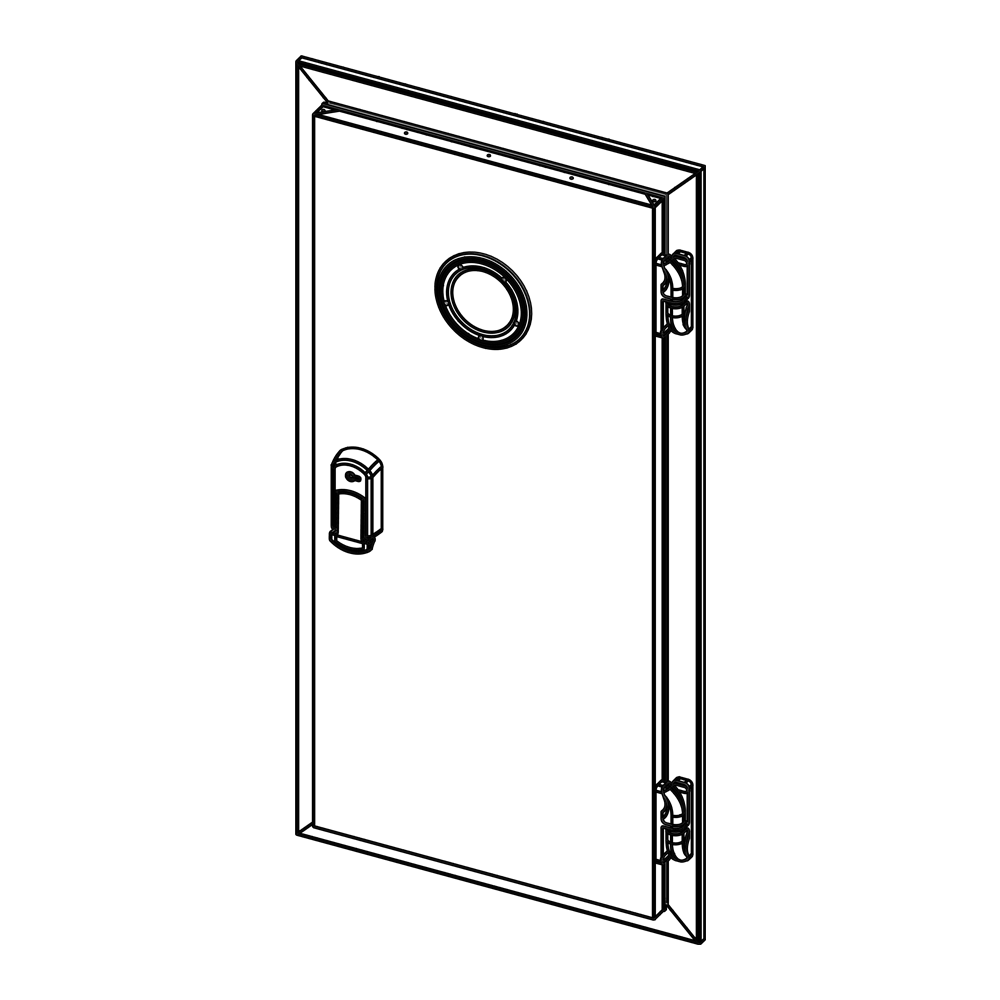
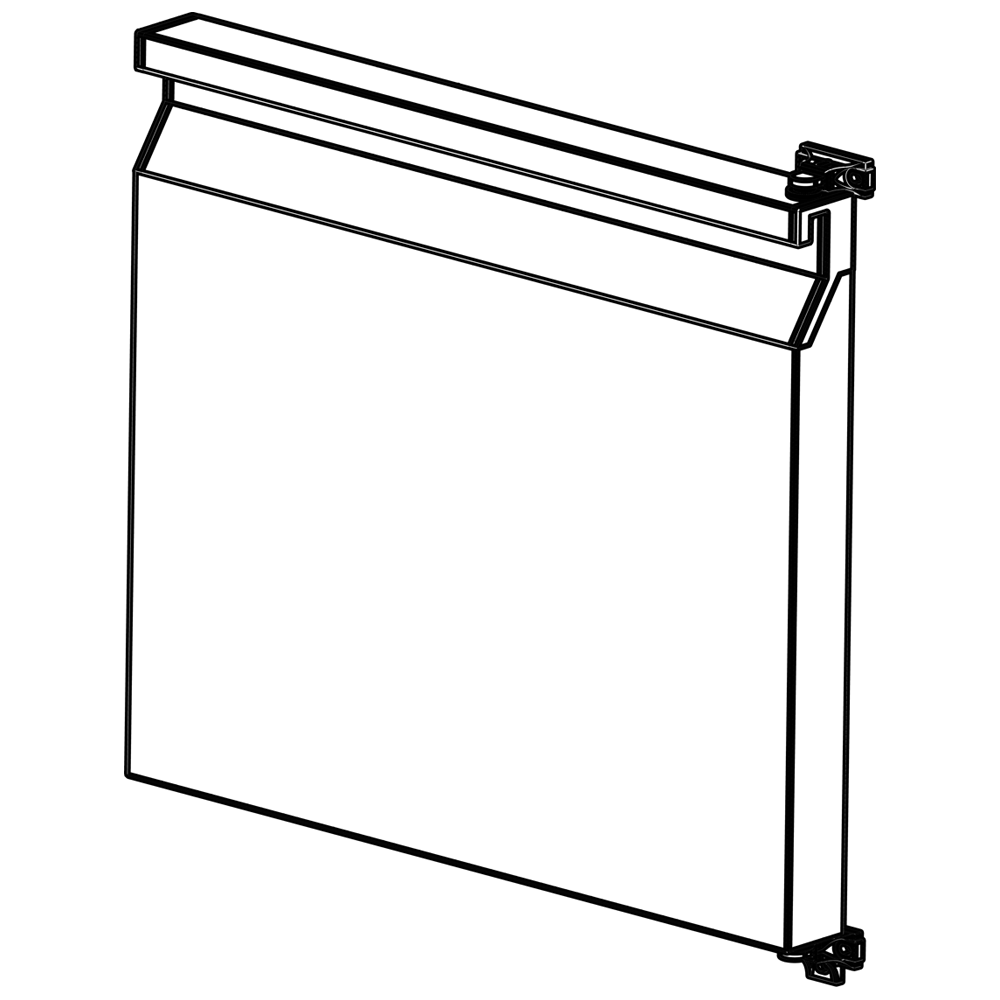
- Door type and number of leaves: İmamoğlu Soğutma's cold room service doors are described as single-leaf or double-leaf, hinged-opening and for low to medium traffic use. At points with heavy equipment passage, the suitable type should be assessed by consulting the company.
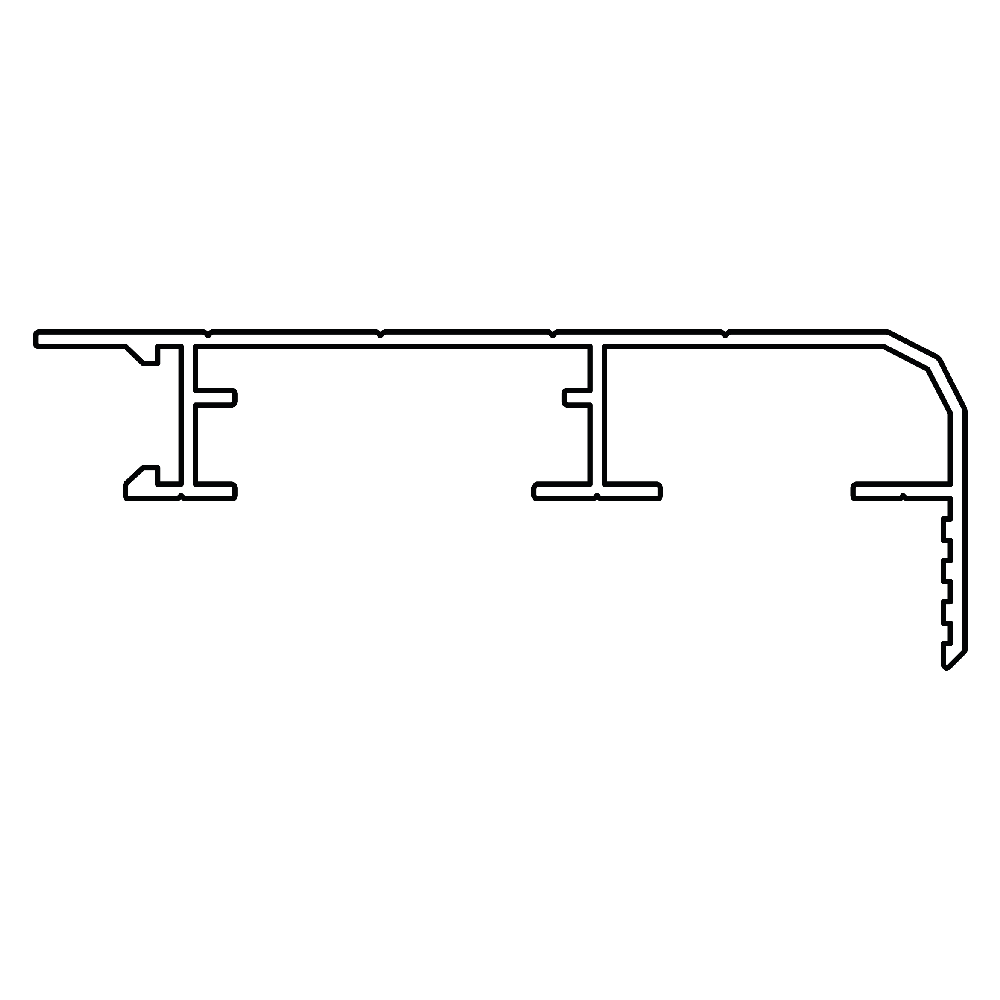
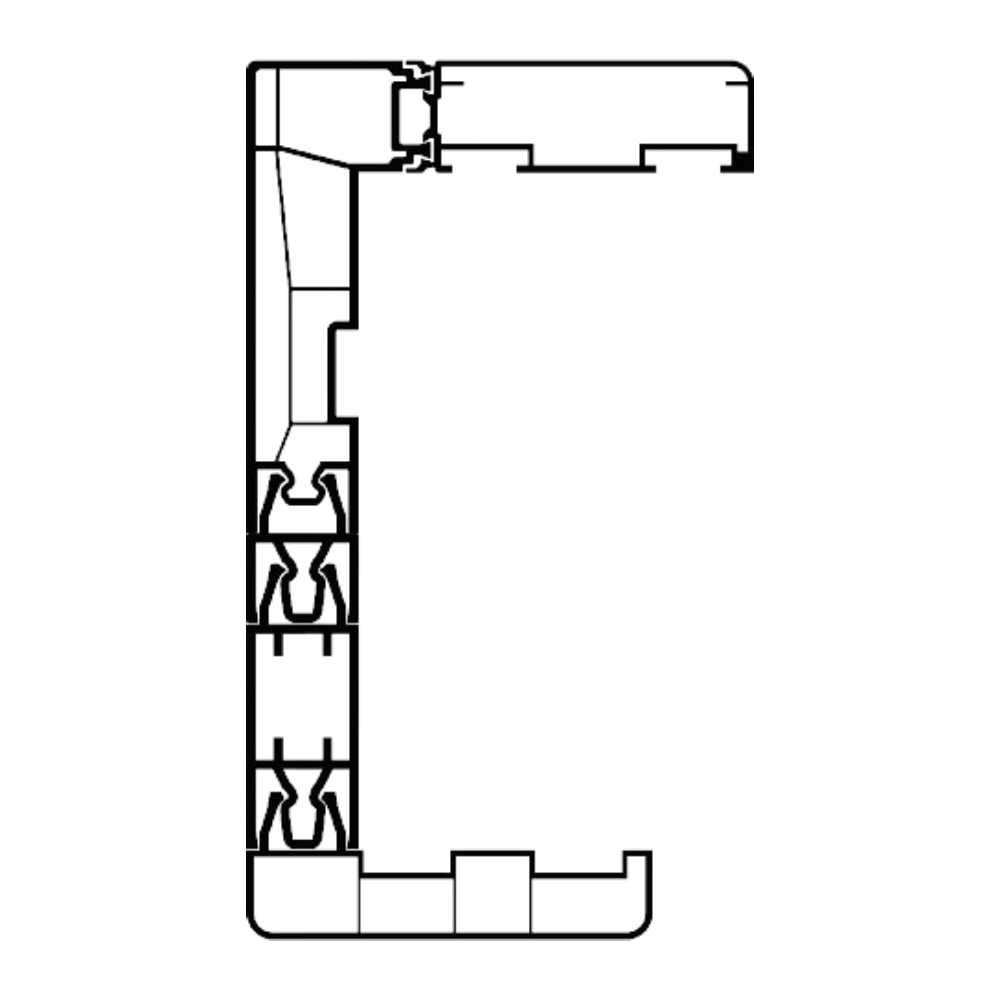
- Structure: Aluminum edge profiles, high-density injected polyurethane foam filling and an airtight gasket system.
- Surface: Hygienic PVC or stainless steel. The surface and the insulation are not alternatives to each other but two separate layers on the same door.
- Threshold: The choice of a door with or without a threshold affects equipment passage. For the options, see the articles on the cold room door with threshold and the threshold-free cold room door.
- Use features: Models with a self-closing mechanism and holding at 90 degrees. Which model has them should be confirmed from the technical document.
Panel thickness, insulation value or the technical values required for a specific room are not given in this article. They are determined according to the project and the product document.
Fifth Factor: Why Do Maintenance, Documents and Division of Work Matter?
The last factor in the choice is how the room will be kept going over the years:
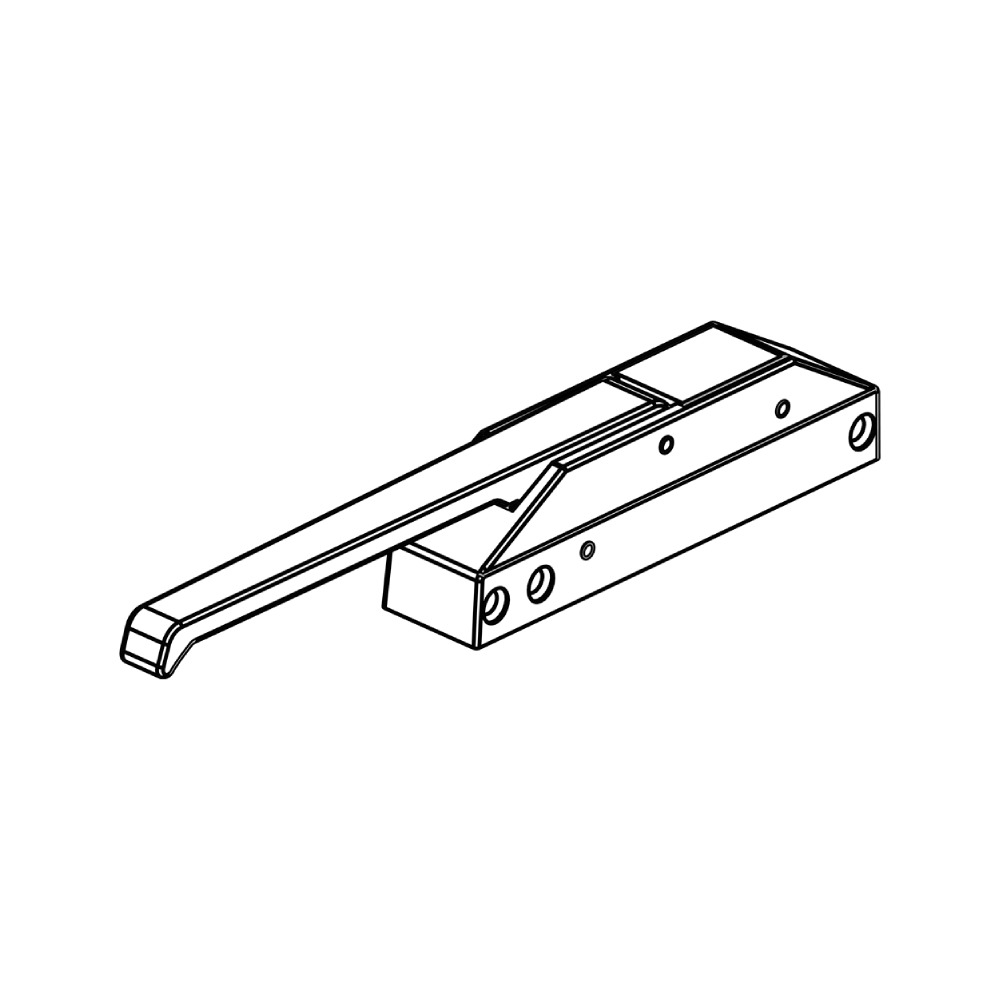
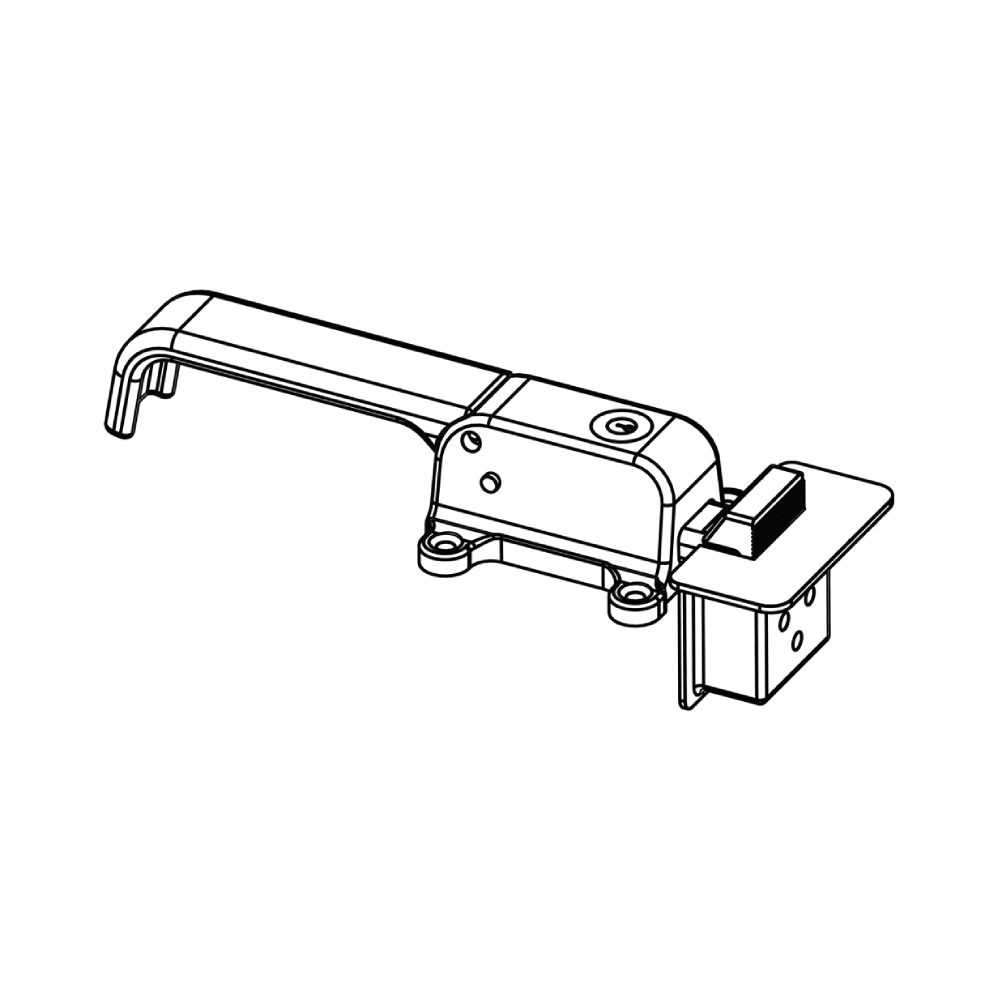
- Maintenance: Regular checking of the gasket, hinge, lock and closing arrangement. For the options, see the articles on cold room door hinges and cold room door locks.
- Spare parts: Being able to renew a worn part. İmamoğlu Soğutma offers accessories such as the hinge, lock, handle and gasket.
- Documents: The product page states an ISO 9001 quality management system and CE compliance. Their scope and validity should be confirmed with the company.
- Division of work: Who will supply the cooling system, the door and panel, and the monitoring system should be in writing from the start.
Safety requirements, such as keeping staff from being trapped in the room, should be assessed separately and determined together with the occupational safety unit and the manufacturer.
Which Mistakes When Buying a Cold Room Cause Extra Cost?
Mistakes in the choice can be reflected in operating costs even after the initial investment. The common ones are the following:
- Deciding without usage data: If the size and the number of doors are set by estimate, a change may be needed later.
- Thinking about the door last: If the door type and size are chosen before the load flow is clear, use becomes harder.
- Confusing surface with insulation: They are different layers and should be assessed separately.
- Skipping maintenance and spare parts: If critical accessories cannot be obtained, the downtime gets longer.
- Not putting the division of work in writing: When a problem arises, responsibility remains uncertain.
The effect of these items on cost varies by facility, and no rate is given in this article. For size, type and hardware, you can contact the İmamoğlu Soğutma team.
Frequently Asked Questions About Choosing a Cold Room
Which question should be asked first when choosing a cold room?
What will be stored in the room and at what temperature it will be kept. The other decisions take shape according to this answer.
Does İmamoğlu Soğutma offer a complete cold room system?
It manufactures cold room doors, panels, profiles and accessories. Cooling system equipment such as the compressor, condenser and evaporator is not among the brand's products.
How is cold room capacity determined?
It is determined according to the quantity to be stored, the load flow, the handling equipment and possible growth. This article does not recommend a specific capacity.
Should stainless steel or insulation be preferred?
These two options are not alternatives to each other. Stainless steel refers to the surface, and insulation refers to the filling structure inside the leaf. They are considered together on the same door.
How much does a cold room reduce energy consumption?
A fixed rate cannot be given. The effect varies according to the facility, the equipment and the conditions of use and can only be determined by measurement.
Does a cold room meet legal requirements?
This article gives no such assurance. Storage conditions are determined according to the relevant regulations and product instructions and should be assessed by authorized people.
Which documents should be requested for a cold room?
The product page states ISO 9001 and CE. Which product a document covers and whether it is current should be confirmed with the company.